
21 Days in Japan: Osaka, Kyoto & Fukushima Food, Culture and Onsen Journey
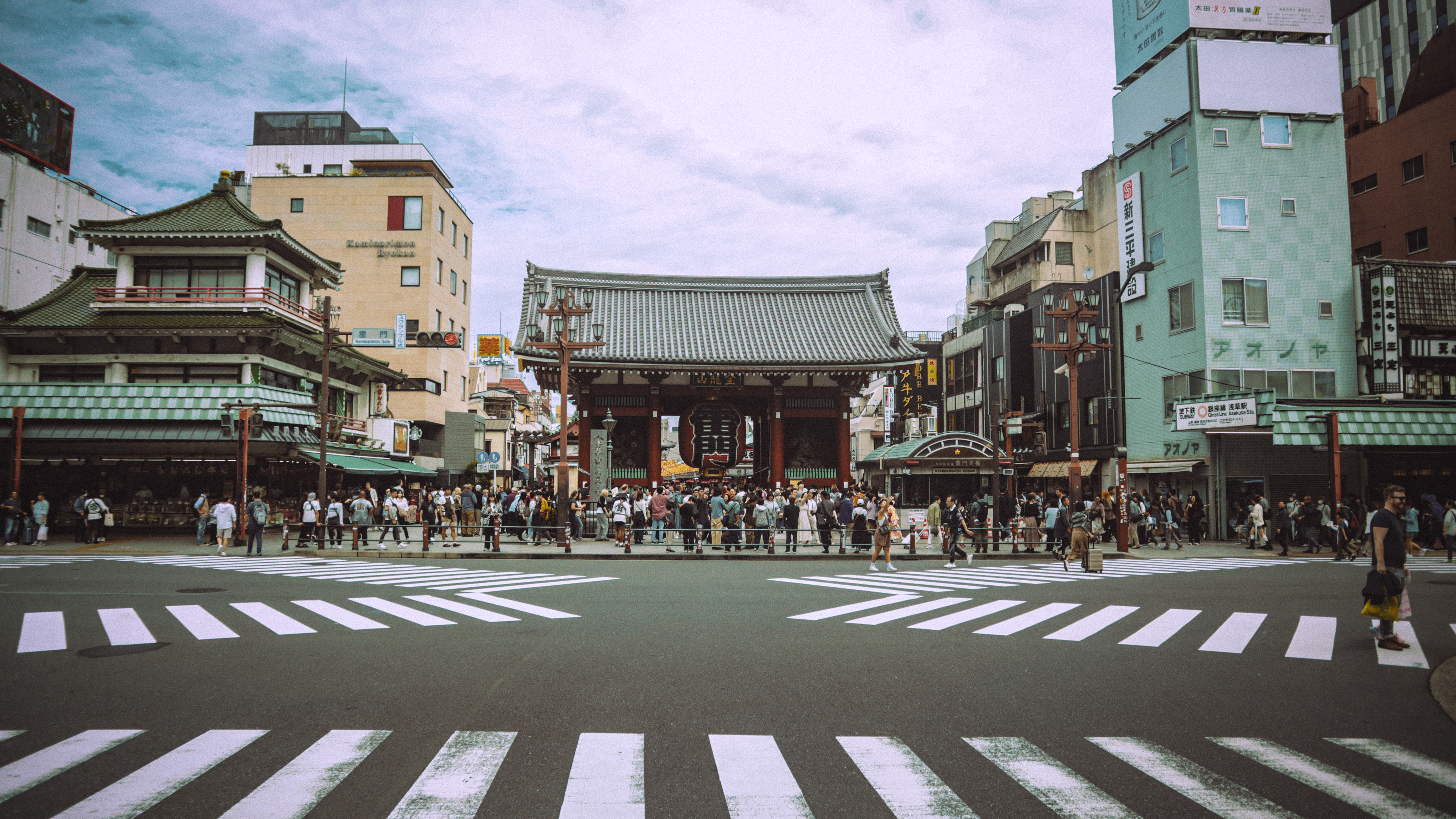
Japan rewards long-form travel. Over 21 days, you can move beyond checklist tourism and begin to feel the rhythm of neighborhoods, train stations, market streets, bathhouses, temple precincts, and late-night eateries. This itinerary starts in Osaka, the country’s famously exuberant kitchen, lingers in Kyoto for art, ritual, and history, then finishes in Fukushima for a quieter, deeply rewarding finale shaped by hot springs, regional cuisine, and resilient local culture.
There is history at every turn here, but not the museum-label kind alone. Osaka rose as a merchant powerhouse and still wears that appetite proudly; Kyoto served as Japan’s imperial capital for more than a millennium; Fukushima Prefecture, often overlooked by first-time visitors, offers castle town heritage, sake brewing, mountain scenery, and some of Tohoku’s most restorative onsen traditions. For a traveler interested in sightseeing, food, museums, unusual experiences, living like a local, and spas, this route is unusually well matched.
Practically, Japan remains one of the easiest countries in the world to navigate by rail, and a mid-range budget of 50/100 is workable with smart hotel choices, a mix of casual and splurge meals, and selective paid attractions. Cashless payments are common, but keep some yen for smaller shops and local eateries. March 2025 is a good time to plan around regional rail schedules, reserve popular accommodations early, and remember that many museums and restaurants close one weekday, often Monday or Tuesday.
Osaka
Osaka is where formality loosens its collar. The city is witty, direct, and gloriously edible, with neon canyons in Dotonbori, old-school alleys in Shinsekai, serious museums, and neighborhood shotengai where daily life unfolds under covered arcades. It is the ideal landing city because it asks very little of you except curiosity and appetite.
For this trip, base yourself near Namba, Umeda, or Shinsaibashi for easy rail access and late-night dining. Osaka also works beautifully as a launch pad for day trips to Nara, Kyoto, and even Hiroshima if you want a long but worthwhile excursion.
Arrival and local transport: After landing in Osaka, use Trip.com flights or Kiwi.com for airfare comparisons into Kansai International Airport. Airport transfers to central Osaka typically take 45-70 minutes by train depending on your station, and budget roughly $8-$20.
Where to stay: Browse wider options on VRBO Osaka or Hotels.com Osaka. Strong mid-range choices include Hotel Sunroute Osaka Namba for location, Swissotel Nankai Osaka for direct station convenience, and Hotel Taiyo if you want to keep lodging costs modest and spend more on food and experiences.
Days 1-7: Street Food, Castles, Museums and Local Osaka
Use your first block to acclimate gently. Start with Kuromon Ichiba Market, where stalls sell scallops, grilled eel, tuna, tamagoyaki and fruit that looks almost too polished to eat. It is tourist-known, yes, but still useful as an early orientation to Osaka’s food vocabulary.
Then move into Namba and Dotonbori, where the Glico running man, canal-side lights, and giant mechanical crabs form the city’s most theatrical postcard. Come here once in daylight and once after dark. The second visit is always better because you stop looking up and start noticing tiny places tucked into side alleys.
Osaka Castle deserves a visit not only for the landmark itself but for the scale of the grounds. The current keep is a reconstruction, but the site remains a strong introduction to the power struggles of the Sengoku period. Pair it with the Osaka Museum of History, which offers excellent chronological context and rewarding city views.
For museums, add the Nakanoshima Museum of Art and the National Museum of Art, Osaka. Nakanoshima’s black cube exterior is striking, and the programming often spans modern Japanese design, painting, and cross-disciplinary exhibitions. The National Museum, partly underground, is especially good if you enjoy seeing contemporary art woven into a dense urban district rather than isolated from it.
For a more local-feeling afternoon, wander Nakazakicho. This old neighborhood survived wartime bombing in patches and now holds narrow lanes, vintage shops, small galleries, and cafés inside renovated wooden houses. It offers precisely the sort of lived-in atmosphere many travelers mean when they say they want to experience Japan beyond the obvious.
If spas are a priority, reserve a half-day at a city bath or make time for Spa World in Shinsekai, a large and slightly eccentric bathing complex with themed zones. It is not subtle, but it is distinctly Osaka: playful, accessible, and surprisingly effective for resetting after long walking days.
- Breakfast / coffee: LiLo Coffee Roasters in Shinsaibashi is beloved for serious beans and a compact urban energy; Brooklyn Roasting Company Kitahama offers riverside views and a calmer start; LeBRESSO is excellent if you want thick-cut Japanese toast done with precision.
- Lunch: Jiyuken in Namba is a classic for Japanese curry, earthy and comforting rather than flashy; Harukoma is a dependable sushi pick with strong value; Takoyaki Wanaka is ideal for the snack that Osaka defends like a civic duty.
- Dinner: Mizuno in Dotonbori is one of the best-known okonomiyaki addresses for good reason; Yakiniku M Hozenji Yokocho works well for a more indulgent grilled beef meal in a historic lane; Kushikatsu Daruma in Shinsekai is the classic introduction to Osaka’s deep-fried skewer culture, with the famous no-double-dipping sauce rule.
- Evening drinks: Seek out tiny tachinomi standing bars in Ura-Namba, where office workers and regulars stop for quick beer, sake, or shochu with small plates. These places are less about prestige than atmosphere, and that is exactly why they matter.
Viator picks in Osaka:
Osaka Kickstart: Hotspots & Hidden Gems Tour is an excellent first- or second-day orientation if you want the city explained by someone who knows how to read its personality rather than simply point at landmarks.
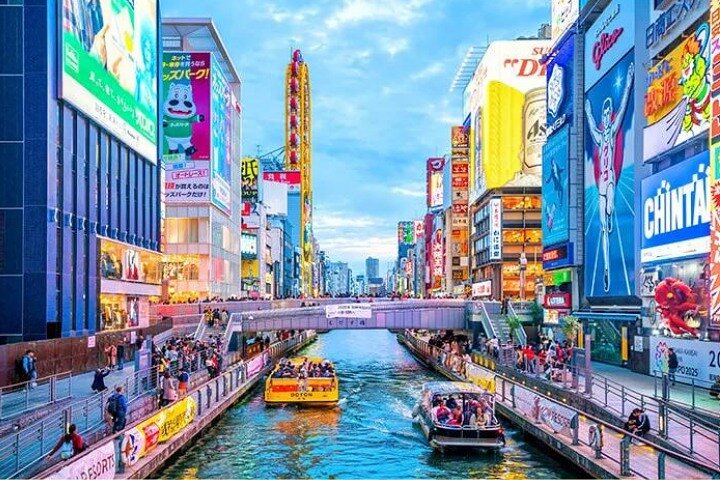
Osaka Food Tour: 15 Delicious Dishes & 3 drinks at 5 Eateries is a strong fit for your foodie interests, especially early in the trip when learning what to order independently will pay off for the next two weeks.

Osaka Sumo Experience with Live Show and Audience Challenge adds a genuinely distinctive cultural activity and works well if you want a structured, memorable evening beyond standard sightseeing.

Osaka Backstreet Nightlife & Street Food Walking Tour is the right choice if your ideal evening involves hidden bars, informal dining, and the pleasure of going somewhere you would almost certainly miss alone.

Optional day trips from Osaka during this block
Nara is close enough to be effortless and important enough to justify an early start. Todai-ji’s Great Buddha Hall still astonishes by scale, and the deer-filled park remains delightful if you arrive before the heaviest crowds.
Nara Early Morning Tour is especially smart because Nara is best experienced before the middle of the day. It preserves the serenity that makes the temples and shrine paths feel ancient rather than crowded.

If you want one long-history day from Osaka without changing hotels yet, Kyoto & Nara & Uji: Full Day Sightseeing Tour from Osaka or Kyoto gives you a broad sweep before you settle into Kyoto more fully.

Kyoto
Kyoto can be over-romanticized, but it hardly needs embellishment. The city holds Buddhist temples, Shinto shrines, machiya townhouses, refined gardens, and some of the best museum collections in Japan. Yet its pleasure lies not only in famous icons, but in the transitions between them: stone lanes, incense drifting from a side temple, an unexpected kissaten, a neighborhood sento, the sound of wooden sandals on paving after rain.
Because you have 21 days total, Kyoto deserves a longer stay than a rushed overnight. It also aligns especially well with your interests in museums, unique activities, food, and living like a local, because many of its best experiences unfold slowly.
Travel from Osaka to Kyoto: Take a morning train using Trip.com trains. Depending on your departure and arrival stations, expect roughly 30-60 minutes and about $4-$15. This is an easy transfer day, so you can still sightsee after check-in.
Where to stay: Start with VRBO Kyoto or Hotels.com Kyoto. For a balanced budget, Hotel M's Plus Shijo Omiya, Hotel M's Est Shijo Karasuma, and Piece Hostel Sanjo are practical picks; for a higher-end stay, Kyoto Tokyu Hotel or Kyoto Brighton Hotel are excellent bases.
Days 8-14: Temples, Craft Culture, Markets and Quiet Corners
Anchor your Kyoto stay with the city’s major classics, but schedule them with intention. Visit Fushimi Inari Taisha at dawn or near dusk to avoid the heaviest crowds and enjoy the rhythm of the vermilion gates as an actual walk rather than a queue. Pair it with the sake breweries of the Fushimi district, where tasting rooms and old canal scenery give the day a local dimension.
Spend another day on the eastern side: Kiyomizu-dera, the preserved lanes of Sannenzaka and Ninenzaka, then drift north toward Gion and Yasaka Shrine. These areas can be crowded, but they are still worth doing if you start early and step one lane off the busiest routes.
For western Kyoto, Arashiyama is more than the bamboo grove. Visit the grove early, then continue to Tenryu-ji, cross Togetsukyo Bridge, and if energy allows, climb to Iwatayama Monkey Park for a broad view over the city. This area works best if you treat it as a half-day landscape walk rather than a checklist sprint.
Your museum day should include the Kyoto National Museum, especially if you want historical depth before or after temple visits. The Kyoto International Manga Museum is a more playful counterpoint and a fine choice if you enjoy seeing how Japanese visual culture bridges scholarship and popular life. Another standout is the Kyoto City KYOCERA Museum of Art, where the architecture and exhibitions together make a compelling stop.
To live more like a local, spend time in Nishiki Market but also in ordinary shopping streets such as Demachiyanagi and around Karasuma Oike. Browse depachika food halls in department stores near Kyoto Station or Shijo; they are superb for affordable, high-quality prepared foods and reveal how seriously daily meals are taken in Japan.
For a spa element in Kyoto, book a hotel with a substantial bath or use a local sento experience as a cultural ritual rather than a simple wash. The appeal is not extravagance; it is the calm repetition of soaking, cooling off, and emerging into the night reset for dinner.
- Breakfast / coffee: Weekenders Coffee is one of Kyoto’s most respected specialty coffee names, hidden in a courtyard and very much worth seeking out; % Arabica Kyoto Higashiyama offers good coffee with one of the city’s most photogenic settings; Smart Coffee is the old-school kissaten choice for pancakes, egg sandwiches, and a Showa-era atmosphere.
- Lunch: Honke Owariya is a historic soba institution and ideal when you want a meal tied directly to Kyoto’s culinary past; Omen Ginkaku-ji serves excellent udon with a vegetable-forward approach that feels distinctively Kyoto; Nishiki Warai is a good casual stop for Kyoto-style okonomiyaki.
- Dinner: Gion Kappa is a reliable izakaya-style choice for approachable Kyoto dining; Katsukura is excellent for tonkatsu done with precision; Wajoryomen Sugari is a favorite for rich ramen in a beautifully adapted machiya space.
- Sweet stops: Try matcha desserts in Uji on a day trip, or seek out traditional wagashi paired with tea near temple districts. Kyoto’s confectionery culture is subtle, seasonal, and deeply tied to place.
Viator picks for Kyoto-based exploring:
One-Day Tour of Kyoto's Highlights from Osaka/Kyoto is useful if you want one efficiently guided overview before revisiting favorite districts independently.

Osaka/Kyoto: Arashiyama, Fushimi Inari & Nara Park Day Trip is a strong all-in-one option for major sights if you prefer transportation and sequencing handled for you.

Kyoto Must-see Spots & Nara Park One Day Tour works well if you want a broader historical narrative linking the old capitals.

Amanohashidate & Ine Funaya Sightseeing Full Day Trip from Kyoto is the best unique add-on in this section if you want something coastal, scenic, and much less expected than another temple day.

Fukushima
Ending in Fukushima gives this itinerary its character. Many travelers never make it this far north on a first trip, which is precisely why it feels fresh. Fukushima Prefecture is broad, but for your departure logic and interests, a base split between Fukushima City and a possible side stay in Aizu-Wakamatsu works especially well: one offers rail convenience and urban access, the other delivers samurai-town atmosphere, museums, and onsen country.
This final leg is slower and more spacious. After Osaka’s appetite and Kyoto’s density of heritage, Fukushima offers room to breathe: mountain air, regional sake, lacquerware traditions, fruit depending on season, and bath culture that feels restorative rather than performative.
Travel from Kyoto to Fukushima: Take a morning shinkansen connection booked via Trip.com trains. Expect roughly 4.5-6.5 hours depending on connections, usually via Tokyo or Omiya, and budget about $120-$180. It is a longer transit day, so keep the evening light.
Where to stay: For your departure city, consider Hotel Sankyo Fukushima, Hotel Mets Fukushima, or Toyoko Inn Fukushima-eki Higashi-guchi No.1. For a more atmospheric side stay in Aizu-Wakamatsu, look at Onyado Toho for onsen appeal, Aizuwakamatsu Washington Hotel for convenience, or Hotel Route-Inn Aizuwakamatsu for dependable value.
Days 15-21: Castle Town Heritage, Onsen Time, Sake and Tohoku Calm
Use the first part of this block to settle into Fukushima City. Visit the city center, sample local izakaya cooking, and if timing allows, make a half-day excursion to nearby hot spring areas. Fukushima City is not a greatest-hits destination, which is exactly why it can be satisfying: you spend less time dodging crowds and more time noticing how ordinary life is lived.
Your most rewarding historical day is in Aizu-Wakamatsu. Tsuruga Castle, reconstructed but symbolically important, tells the story of the Boshin War and the region’s samurai legacy. Follow it with the Fukushima Museum or local history collections in Aizu, and visit the preserved Nisshinkan samurai school if schedules align. This is a superb contrast to Kyoto’s imperial and religious history because it reveals a different chapter of Japan’s past.
For a museum and craft angle, seek out lacquerware and local artisan shops around Aizu. Traditional red-and-black Aizu lacquer is both beautiful and durable, the kind of object that functions as a meaningful souvenir rather than a shelf filler. If you enjoy living like a local, this area is also good for slow shopping, neighborhood bakeries, and regional cafés rather than marquee attractions.
For spa time, prioritize an onsen stay or day-use bath. Fukushima Prefecture is rich in hot springs, and this is the place in your itinerary to lean into them properly. A soak after a train day or castle outing is not just pleasant; it changes the pace of the trip and gives the finale real shape.
Food here becomes more regional and seasonal. Look for Aizu sauce katsudon, kozuyu soup, local soba, and sake from Fukushima’s highly respected breweries. The prefecture has earned repeated praise for sake quality, and tasting locally is one of the most persuasive ways to understand its agricultural depth and clean water sources.
- Breakfast / coffee: In Fukushima City, start with station-area bakeries and independent cafés for an easy morning before rail excursions. In Aizu-Wakamatsu, look for kissaten-style cafés where toast sets and hand-drip coffee make a quietly satisfying breakfast.
- Lunch: Seek out Aizu sauce katsudon, a local variation with a savory-sweet glaze rather than the egg-topped style more common elsewhere; regional soba shops are also excellent, especially after a museum morning.
- Dinner: Choose izakaya specializing in Fukushima sake and local small plates. Ask for seasonal recommendations and flights by the glass. This region rewards curiosity more than fixed ordering.
- Specialty tastes: Depending on exact location and season, look for fruit-based sweets, pickles, mountain vegetables, and local ramen styles. Fukushima’s food identity is broad, which suits a final exploratory week.
If you want one final unique experience before departure, spend your last full day lightly: a local market, a final bath, a sake tasting, and an unrushed dinner near the station. Ending softly rather than cramming one more major sight usually makes the trip feel fuller, not thinner.
Departure: For your outbound flight from Fukushima, compare options on Trip.com flights or Kiwi.com. If your departure is via Fukushima Airport rather than rail to a larger hub, build in extra buffer time, as airport transfer schedules can be less frequent than in Osaka.
Suggested pacing at a glance
- Days 1-7: Osaka base for food tours, museums, markets, Shinsekai, Dotonbori, Osaka Castle, bathhouse time, and optional Nara.
- Days 8-14: Kyoto base for temple districts, Arashiyama, Fushimi, museums, market culture, neighborhood wandering, and a unique day trip such as Amanohashidate and Ine.
- Days 15-21: Fukushima finale with Fukushima City, Aizu-Wakamatsu, onsen time, sake, castle history, local craft traditions, and a relaxed departure.
This 21-day Japan itinerary gives you three distinct versions of the country rather than three variations of the same urban experience. Osaka brings energy and appetite, Kyoto brings depth and artistry, and Fukushima brings calm, craft, and recovery. Together they create a trip that is practical, varied, and far more memorable than a simple golden-route sprint.