
21 Days in Hidden Japan: Osaka to Fukushima by Car, with Onsen Towns, Castle Cities, and Quiet Nature
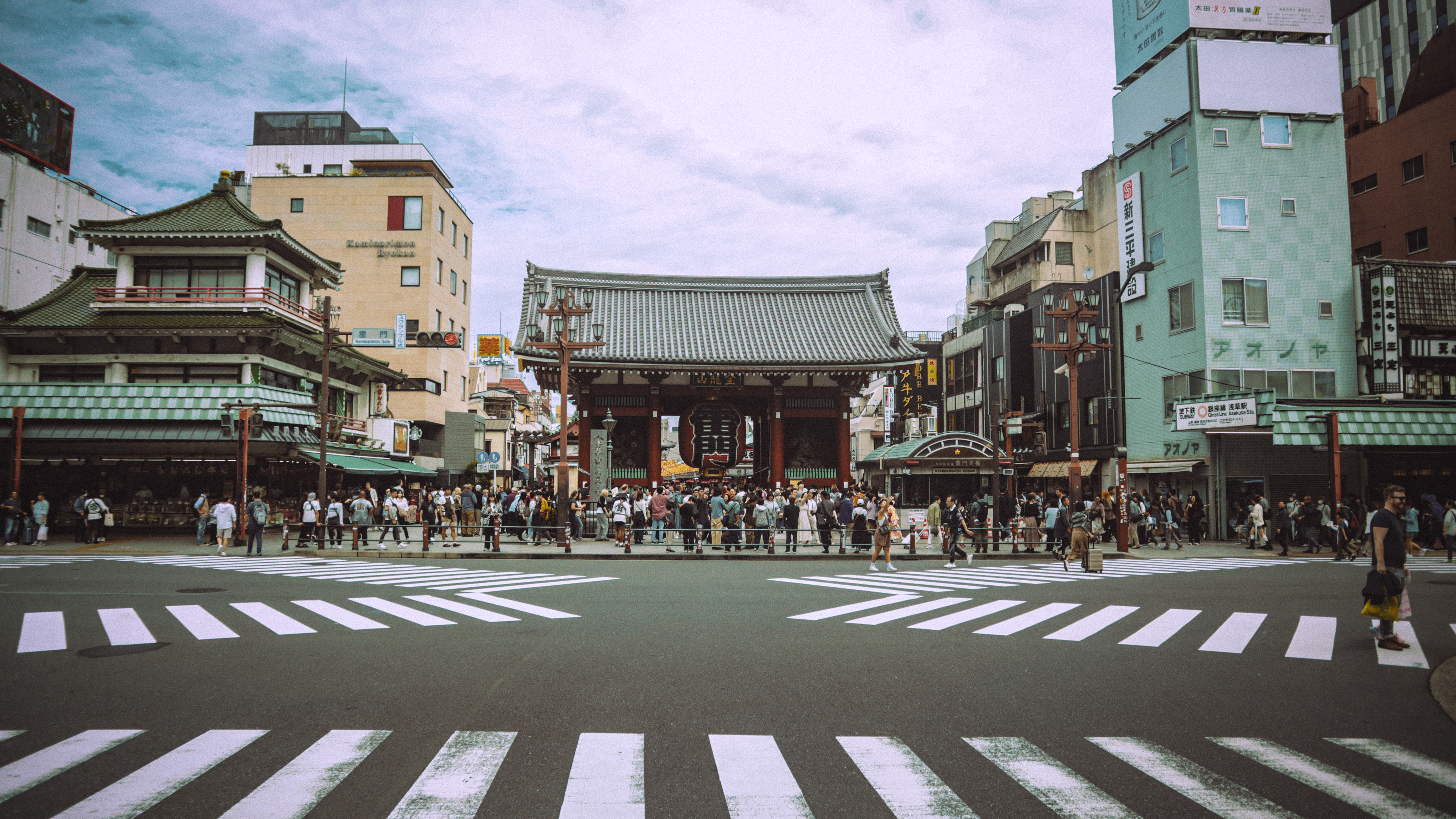
Japan rewards slow travelers. Beyond the neon districts and headline landmarks lies another country entirely: castle towns where merchants’ houses still lean over stone lanes, cedar-lined temple roads, volcanic valleys steaming with onsen water, and fishing ports where breakfast arrives straight from the sea.
This route is designed for exactly that version of Japan. You will land in Osaka, keep the city portion brief, skip Kyoto entirely, and use your car to reach smaller places where culture and nature still set the rhythm of the day.
The journey also makes historical sense. You begin in Kansai, cradle of court culture and early state formation, then move through the Japan Sea side and into Tohoku, a region of tougher winters, powerful local traditions, lacquerware, samurai legacies, and some of the country’s most restorative hot-spring landscapes.
There are practical advantages to this route as well. A car opens up ravines, coastal viewpoints, village shrines, and rural onsen that rail travelers often miss, though expressways and mountain roads mean you should budget for tolls, winter weather checks in colder months, and occasional slower scenic driving.
Food changes subtly as you go. Expect Osaka’s exuberant street fare at the start, then persimmon-leaf sushi in Nara, seafood and mountain vegetables in Hokuriku, Hida beef in Takayama, kaiseki-influenced local cooking in Kanazawa, and hearty Tohoku specialties near Fukushima.
As of March 2025, Japan remains one of the world’s easiest countries for independent travelers, but it still rewards planning. Keep some cash for rural stops, carry an international driving permit if required for your license, and reserve popular onsen lodgings well ahead—especially for weekends and holiday periods.
Osaka
Osaka is your arrival city, but not the star of this itinerary. Think of it as a vivid opening chapter: a place to shake off jet lag, eat extraordinarily well, and gather yourself before trading urban energy for temple forests, old merchant streets, and quieter landscapes.
The city has always been Japan’s kitchen, a mercantile powerhouse where appetite and humor are practically civic values. Even in a short stay, Osaka gives you a fine contrast: bustling covered arcades, old neighborhoods that survived modernization in fragments, and some of the country’s most satisfying casual meals.
Stay suggestions: Hotel Sunroute Osaka Namba for a practical central base, Swissotel Nankai Osaka for direct access to transit and comfortable upper-floor views, or browse wider options on VRBO Osaka and Hotels.com Osaka.
Arrival logistics: after landing, compare air options and onward domestic routing on Trip.com flights or Kiwi.com. For any rail segments you may choose instead of driving in Kansai, use Trip.com trains.
Days 1-2: Ease into Japan in Osaka
Keep these first days intentionally light. Walk through Namba and Hozenji Yokocho, where a narrow stone lane and moss-covered Fudo Myoo statue preserve a softer, older mood just steps from the entertainment crush.
Spend part of one afternoon in Nakazakicho, a low-rise district of converted row houses, small galleries, and independent cafes. It is one of the few central Osaka neighborhoods where the pace suits your overall trip: quiet, local, and exploratory rather than checklist-driven.
Breakfast and coffee:
- LeBRESSO Honten for thick-cut Japanese toast done with obsessive care; ideal if you want a gentle first morning.
- LiLo Coffee Roasters for excellent hand-drip coffee and beans from a serious specialty program in Shinsaibashi.
- Mel Coffee Roasters if you want a more neighborhood feel and a cup that rivals major coffee capitals.
Lunch ideas:
- Jiyuken Namba, one of Osaka’s classic yoshoku institutions, known for its old-style curry rice with a raw egg stirred in at the table.
- Harukoma Sushi in Tenjinbashi for strong-value sushi where locals still queue for the freshness and generous cuts.
Dinner ideas:
- Ajinoya Honten for Osaka-style okonomiyaki, the city’s beloved savory pancake, rich with cabbage, batter, pork, and house sauce.
- Udonbo Osaka for handmade Sanuki-style udon if you want something comforting but less heavy after a flight.
- Kushikatsu Daruma for a classic Shinsekai experience—deep-fried skewers, boisterous atmosphere, and a taste of old popular Osaka.
Optional activity: If you want a guided day before driving into smaller regions, this can work as a one-day overview of Japan’s biggest metropolis later in the trip if you route via Tokyo: 1-Day Tokyo Bus Tour.
Nara
Nara makes a graceful bridge between urban Osaka and the quieter Japan you actually came for. While famous for its great temples and semi-sacred deer, the city still feels intimate, especially early and late in the day when day-trippers vanish and lanterns begin to glow near old wooden facades.
This was Japan’s first permanent capital in the 8th century, and its legacy is immense. Yet what makes Nara memorable is not grandeur alone—it is the hush of forest paths, the smell of damp earth around Kasuga Taisha, and the feeling that religion, landscape, and daily life were never fully separated here.
Stay suggestions: Nara Hotel for heritage atmosphere, Guesthouse Nara Komachi for a simpler local base, or search more on VRBO Nara and Hotels.com Nara.
Days 3-5: Temples, forests, and old lanes
Travel from Osaka to Nara: drive in the morning, roughly 45-60 minutes depending on pickup point and traffic. If you decide to leave the car parked and go by rail instead, compare options on Trip.com trains; expect around 40-50 minutes and generally modest fares.
Use one day for the classics: Todai-ji’s Great Buddha, Nara Park, and Kasuga Taisha. Even where these sights are famous, the wooded approaches and thousands of stone lanterns create exactly the culture-and-nature blend this trip is built around.
Dedicate another day to quieter corners. Wander Naramachi, the former merchant district, where lattice-front machiya houses, sake shops, small craft boutiques, and old storehouses reveal a more domestic history than the monumental temples.
If you want a low-key half-day drive, head south toward Asuka village. The area is often overlooked by first-time visitors, yet it is central to the birth of the Japanese state, scattered with kofun tombs, fields, and modest historical sites that feel all the more evocative because they are not overproduced.
Breakfast and coffee:
- Rokumei Coffee Co. is one of Nara’s standout coffee addresses, polished without being pretentious, and excellent for a slow start.
- Kurasu Nara if you want modern specialty coffee with careful brewing and a stylish but calm setting.
Lunch ideas:
- Kakinoha-zushi Hiraso for persimmon-leaf sushi, one of the region’s best-known specialties, originally developed as a practical preserved food.
- Edogawa Naramachi for grilled eel in a traditional setting—especially good when you want a substantial midday meal before walking.
Dinner ideas:
- Wa Yamamura if you want a refined kaiseki-style splurge built around seasonality and precision.
- Maguro Koya for tuna-focused dishes in a tiny local favorite with a devoted following.
- Kamameshi Shizuka for comforting rice-pot meals tied closely to Nara’s local dining identity.
Optional activity from Osaka base: if you decide you want a guided look at Nara while still staying in Osaka, this day trip exists, though for your style self-driving is the stronger choice: From Kyoto / Osaka: Kyoto Must-see Spots & Nara Park One Day Tour.
Takayama
Takayama feels like a mountain kingdom set slightly apart from the rest of Japan. Ringed by the Japanese Alps and shaped by old trade routes, it remains one of the best places in the country to enjoy preserved streetscapes without the scale and crowding of Kyoto.
This is where your itinerary begins to breathe more deeply. Morning markets, cedar-built merchant houses, sake breweries, and crisp alpine air make the town especially appealing for travelers who value atmosphere over speed.
Stay suggestions: Honjin Hiranoya Kachoan for an elegant ryokan-style stay, Best Western Hotel Takayama for convenience, or browse VRBO Takayama and Hotels.com Takayama.
Days 6-9: Mountain town life and hidden alpine detours
Travel from Nara to Takayama: drive in the morning, about 4.5-5.5 hours depending on route and stops. Break the drive with a stroll and lunch around Hikone or Sekigahara if you prefer a gentler pace.
In Takayama itself, focus on the Sanmachi Suji old town early in the day before group tours arrive. The sake breweries here are worth visiting not only for tastings but for the architecture, timber facades, and family histories tied to snow country survival and mountain commerce.
Set aside time for Hida Folk Village. It is an open-air museum, but one with genuine atmosphere: steep-roofed houses relocated from the region, farm tools, hearth smoke, and a strong sense of how mountain communities adapted to isolation and snowfall.
Your car gives you excellent day-trip freedom. Drive to Shirakawa-go early if you want iconic gassho-zukuri farmhouses, but for a less obvious choice consider Hida Furukawa, a canal-laced small town with white-walled storehouses, carp-filled waterways, and an unhurried beauty many visitors remember more fondly than busier destinations.
Breakfast and coffee:
- Bagpipe for an old-school kissaten atmosphere and a quietly retro start.
- Falò Coffee Brewers for more contemporary coffee culture in a compact mountain-town setting.
Lunch ideas:
- Heianraku is beloved and intimate, known for thoughtful cooking and hospitality; reserve if possible.
- Kyoya for Hida beef prepared with care in a traditional setting that feels rooted in place rather than performative.
Dinner ideas:
- Maruaki for Hida beef yakiniku if you want a celebratory meal centered on the region’s finest wagyu.
- Suzuya Restaurant for hoba miso and local specialties cooked over heat at the table, especially satisfying on cool evenings.
- Ebis for izakaya-style plates and a more local-night-out mood.
Hidden gems: the Higashiyama walking course, with small temples strung along wooded slopes, is perfect for your travel style. It offers the meditative quality people seek in more famous temple cities, but with fewer crowds and more room for silence.
Kanazawa
Kanazawa is often described as a smaller alternative to Kyoto, but that undersells it. This is a city with its own aristocratic memory, preserved geisha districts, one of Japan’s finest landscape gardens, and a food culture enriched by both the sea and former samurai patronage.
It also sits at a very comfortable point on your route. After mountain Takayama, Kanazawa feels more polished and urban, but still human-scaled, walkable, and full of corners where old Japan has not been reduced to a stage set.
Stay suggestions: Hotel Nikko Kanazawa, Kanazawa Tokyu Hotel, Guesthouse Nagonde, or broader searches on VRBO Kanazawa and Hotels.com Kanazawa.
Days 10-13: Gardens, crafts, and the Sea of Japan mood
Travel from Takayama to Kanazawa: drive in the morning, about 2-2.5 hours via mountain roads and expressways. It is short enough that you can stop for rural viewpoints or a lingering lunch.
Begin with Kenrokuen and Kanazawa Castle. Kenrokuen is famous for good reason, yet its genius is subtle: borrowed scenery, water management, carefully staged vistas, and seasonal transitions that reveal the Japanese garden as both art and philosophy.
Spend another day between Higashi Chaya District, the Nagamachi samurai quarter, and the 21st Century Museum area. This juxtaposition works beautifully in Kanazawa: gold-leaf craft and teahouse architecture on one side, experimental modern design on the other.
For a hidden-gem drive, head out to the Noto Peninsula only if you want a long excursion, but a more manageable option is the Chirihama Nagisa Driveway area or coastal stretches north of the city where sea, wind, and fishing-village life provide a different register from temple tourism.
Breakfast and coffee:
- Curio Espresso and Vintage Design Cafe for excellent coffee and a dependable breakfast in a city where mornings can otherwise skew light.
- Townsfolk Coffee for serious beans and a clean, modern room well suited to planning the day.
Lunch ideas:
- Omicho Market is best approached through specific stalls and counters rather than as a generic market stop; seek out fresh kaisendon with sweet shrimp, crab when in season, and local nodoguro if available.
- Fuwari for refined but warm Japanese dishes that showcase Hokuriku produce and seafood.
Dinner ideas:
- Zeniya if you want one major splurge meal rooted in Kanazawa’s elite culinary traditions.
- Ippudo Kanazawa Koryomachi is a fine easier option for a casual ramen night, though Kanazawa rewards more regional dining where possible.
- PLAT HOME Kanazawa Kitchen for a modern take on local ingredients in a relaxed environment.
Local culture tip: seek out kutani ware, lacquerware, and gold leaf shops with demonstrations. In Kanazawa, craft is not souvenir filler; it is one of the most continuous expressions of the old Kaga domain’s wealth and aesthetic ambition.
Aizu-Wakamatsu
Aizu-Wakamatsu is one of Japan’s great overlooked cultural cities. Deep in Fukushima Prefecture, it carries the memory of samurai loyalty, civil war tragedy, lacquer traditions, castle reconstruction, and a regional identity that feels proud, resilient, and distinct.
For your interests, it is nearly ideal. The city balances history and nature beautifully, and nearby onsen areas make it an excellent base for a restorative final stretch before departure.
Stay suggestions: Onyado Toho for a rewarding onsen stay, Aizuwakamatsu Washington Hotel for central practicality, Hotel Route-Inn Aizuwakamatsu, or wider options via VRBO Aizu-Wakamatsu and Hotels.com Aizu-Wakamatsu.
Days 14-19: Samurai history, lacquerware, lakes, and onsen
Travel from Kanazawa to Aizu-Wakamatsu: this is your longest transfer and is best treated as a full driving day, roughly 6.5-8 hours depending on route, weather, and rest stops. Leave early, keep the schedule light, and consider an overnight break en route only if you prefer not to push through.
Start in town with Tsuruga Castle, then visit the Bukeyashiki samurai residence and the Byakkotai-related sites for a fuller sense of Aizu’s role in the Boshin War. This is one of those places where Japanese history becomes emotionally immediate; the story of loyalty, defeat, and modernization here is central to understanding the 19th century.
Reserve time for Nanukamachi and local craft shops. Aizu lacquerware is not merely decorative—its forms, finishes, and durability reflect a living artisanal tradition, and browsing workshops can be as satisfying as museum time.
One day should be devoted to Higashiyama Onsen just outside the city, where riverside ryokan and wooded slopes create the restorative pause your itinerary has been building toward. If you stay at an onsen property, use the afternoon for bathing, tea, and doing as little as possible.
Another excellent day trip is Ouchi-juku, an Edo-period post town with thatched roofs and a mountain-valley setting that feels almost theatrical until you notice how grounded and lived-in it still is. Go early or late to avoid midday crowds and linger over negi soba, famously eaten with a leek in place of chopsticks.
If you want more nature, drive toward Lake Inawashiro and the Bandai highlands. Wide water, volcanic scenery, changing light, and spacious roads make this one of the most relaxing scenic drives in the region.
Breakfast and coffee:
- standards local coffee spots around Nanukamachi are ideal for easy mornings, but also make time for hotel breakfast if staying in an onsen ryokan, where local rice, grilled fish, miso soup, and pickles can be one of the trip’s most memorable meals.
Lunch ideas:
- Mitsutaya in Ouchi-juku for the classic negi soba experience in a historic setting.
- Tagoto in Aizu-Wakamatsu for wappa-meshi, a local specialty of steamed rice in cedar containers with toppings such as salmon, crab, or mountain vegetables.
Dinner ideas:
- Onsen ryokan kaiseki is the best choice at least once here; the sequence of small seasonal dishes is part of the whole Aizu experience.
- Baskin local izakaya around city center for horse meat specialties, regional sake, and Aizu home-style cooking if you want something more local and direct.
Why this stop matters: if Kanazawa shows the refinement of a prosperous domain, Aizu shows the moral and emotional weight of Japan’s transition into the modern age. It is one of the country’s most rewarding destinations for travelers who want history with depth rather than surface spectacle.
Fukushima City
Fukushima City is less a headline destination than a fitting soft landing before departure. It gives you access to orchards, mountain scenery, and one final layer of regional life, while keeping logistics simple for the end of the trip.
It also offers a reminder that Fukushima Prefecture is vast and varied. Much of the area travelers pass through quickly contains fine fruit country, excellent hot springs, and understated local culture that rewards a little patience.
Stay suggestions: Hotel Sankyo Fukushima, Hotel Mets Fukushima, Toyoko Inn Fukushima-eki Higashi-guchi No.1, or browse VRBO Fukushima City and Hotels.com Fukushima City.
Days 20-21: Final onsen pause and departure
Travel from Aizu-Wakamatsu to Fukushima City: drive in the morning, roughly 1.5-2 hours depending on route and weather. This short transfer gives you time for a final scenic stop.
If you have the energy for one last excursion, detour to Tsuchiyu Onsen or the Azuma mountain area. The road conditions vary by season, but on clear days the combination of volcanic terrain, open viewpoints, and hot-spring villages makes for a strong final impression.
In town, keep things simple. Stroll around the station area, eat well, buy local fruit products or sake, and leave room for an unhurried final evening rather than trying to force one more major attraction.
Breakfast and coffee:
- Local bakery-cafes near Fukushima Station are your best bet for an easy final morning.
- Third-wave coffee shops in the station district now offer a more modern café scene than many travelers expect.
Lunch ideas:
- Enban gyoza specialists in Fukushima are worth seeking out; the city’s circular pan-fried dumplings are a regional favorite and a distinctly local final meal.
- Soba and tempura shops around central Fukushima make a lighter alternative before departure.
Dinner ideas:
- Regional izakaya with Fukushima sake flights and seasonal small plates are ideal for a last-night dinner.
- Fruit-based desserts and parfaits are especially worthwhile when local peaches, pears, or apples are in season.
Departure logistics: compare outbound flights from Fukushima or onward positioning flights through Tokyo using Trip.com flights and Kiwi.com. If you opt to return the car earlier and finish by rail, search schedules on Trip.com trains.
Optional Tokyo Add-On if Your Flight Routing Requires It
If your Fukushima departure actually involves a positioning night in Tokyo or a final rail transfer through the capital, keep Tokyo tightly edited rather than letting it overwhelm the trip’s rural character. Choose one guided cultural activity and one food-focused experience, then move on.
- Tokyo: Shinjuku Food Tour (13 Dishes at 4 Local Eateries)

Tokyo: Shinjuku Food Tour (13 Dishes at 4 Local Eateries) on Viator - Tokyo Sumo Entertainment Show with Chicken Hot Pot and Photo

Tokyo Sumo Entertainment Show with Chicken Hot Pot and Photo on Viator - Mt Fuji and Hakone 1-Day Bus Tour Return by Bullet Train

Mt Fuji and Hakone 1-Day Bus Tour Return by Bullet Train on Viator - Mt Fuji Private Day Trip from Tokyo with English speaking driver

Mt Fuji Private Day Trip from Tokyo with English speaking driver on Viator
This optional Tokyo interlude works best as a single night or two at most. Your main itinerary is strongest when it remains what you asked for: a hidden-gems Japan road trip with onsen, small cities, local culture, and nature at the center.
Over 21 days, this route traces a quieter line through Japan: from Osaka’s food culture to Nara’s sacred woods, from Takayama’s alpine streets to Kanazawa’s craft legacy, and finally into Aizu and Fukushima for samurai history, hot springs, and a deeply regional finish.
It is a trip built for lingering rather than collecting. With a car, a taste for smaller places, and time to slow down, you will see a version of Japan that many travelers never reach—and remember it more vividly because of that.