
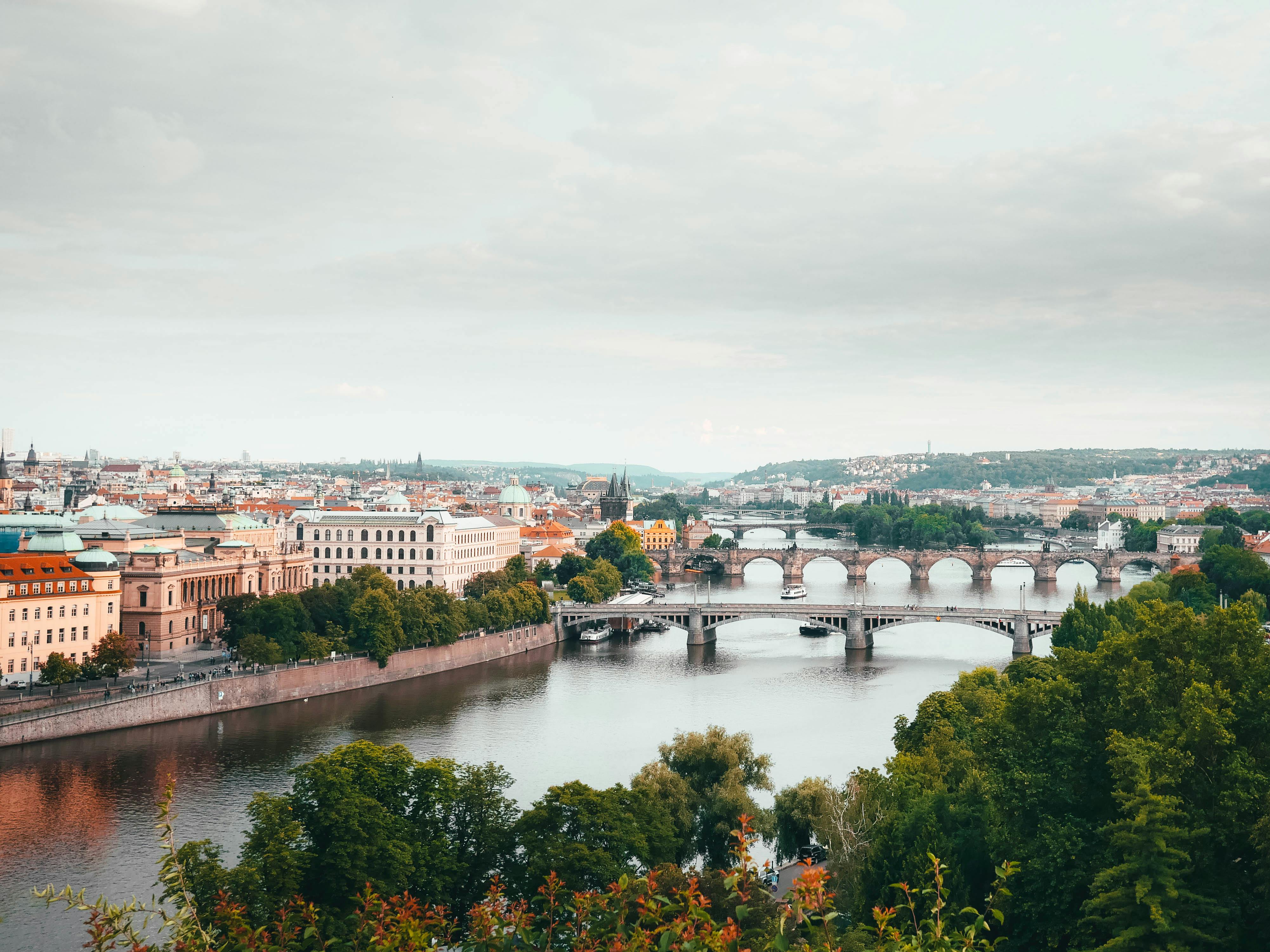
Czechia may be compact, but it contains an astonishing range of landscapes and histories: Gothic towers in Prague, Renaissance squares in South Bohemia, vineyard-covered hills in Moravia, and spa architecture in the western borderlands. For a 21-day road trip, that scale is a gift; distances are manageable, the scenery changes often, and you can spend more time settling into places rather than constantly unpacking.
Historically, this is a land shaped by Bohemian kings, Habsburg grandeur, brewing traditions, Jewish heritage, and a 20th century story that moved from occupation to communism to velvet revolution. Today, travelers find one of Europe’s finest café cultures, superb beer, increasingly strong farm-to-table dining, handsome market towns, and a deep affection for mushrooms, pastries, smoked meats, river fish, dumplings, and seasonal produce.
Practical notes matter here. Early spring and autumn can bring rain, fog, and cool evenings, so this itinerary mixes scenic drives and gentle walks with distillery visits, museums, monasteries, cafés, and spa options for poor-weather days. Roads are generally straightforward for a rented SUV, though old town centers often have pedestrian zones and parking rules, so choose accommodations with parking and reserve headline restaurants well ahead, especially in Prague, Brno, and popular castle towns.
Prague
Prague is your beginning and end point, but here it works best as a frame rather than the whole painting. Start with one to two nights to shake off arrival fatigue, collect the rental car after your first city explorations, and enjoy the capital’s grand architecture, riverside views, coffee culture, and serious food scene before slipping into the countryside.
It is also your final landing place for the last stretch of the trip. Returning the car before your departure days makes Prague calmer and more romantic: you can wander baroque lanes, revisit missed museums, shop for antiques and design objects, and finish with one excellent meal instead of rushing for the airport from the road.
Days 1-2: Arrival in Prague, Old Town walks, markets, and a gentle start
Arrive in Prague and use your first day to stay central and walkable. A classic route begins in the Old Town, crosses Charles Bridge in the softer morning or late-afternoon light, and continues up toward Malá Strana, where steep lanes, hidden gardens, and church domes make for beautiful photography without requiring a strenuous day.
For a less crowded experience, spend time in Nové Město and Karlín as well. Karlín has become one of Prague’s most appealing food neighborhoods, mixing handsome 19th-century streets with modern bakeries, bistros, and local life; it feels far more lived-in than the busiest parts of the center.
If timing aligns, browse farmers markets rather than only souvenir streets. Náplavka Farmers Market along the river is the strongest choice on market days, with produce, preserves, pastries, coffee stands, natural wine, and a broad local crowd; it offers exactly the sort of everyday Czech life this trip is designed to favor.
- Breakfast & coffee: Café Savoy for polished grand-café breakfasts and excellent pastries; EMA Espresso Bar for serious coffee in a clean modern setting; Můj šálek kávy in Karlín for one of Prague’s benchmark specialty coffee stops.
- Lunch: Eska in Karlín for contemporary Czech cooking, open-fire techniques, and superb bread; Kantýna for high-quality Czech meat dishes in a bustling butcher-hall format; Sisters Bistro for refined open-faced sandwiches if you want something lighter.
- Dinner: La Degustation Bohême Bourgeoise for a celebratory tasting menu rooted in Czech culinary history; Field for seasonal fine dining; Lokál Dlouhááá if you want a more casual first-night dinner with excellent Pilsner, roast meats, and classic pub cooking done properly.
- Food halls & local browsing: Manifesto Market for a relaxed evening of varied food stalls and drinks; Holešovice Market area for its evolving mix of food, studios, and urban grit; smaller bakeries and deli shops around Vinohrady and Karlín reward unhurried wandering.
Antique and flea-market lovers should look at Prague’s antique arcades and district shops rather than expecting daily grand markets. The antique shops around Malá Strana and Nové Město are good for glass, prints, silver, and small decorative finds, while the Prague market calendar is worth checking in advance for vintage fairs and design markets that rotate through industrial venues.
For indoor weather-friendly hours, choose the Lobkowicz Collections at Prague Castle for aristocratic history and art, the Mucha Museum for Czech Art Nouveau, or the Municipal House for Secession-era splendor. If rain comes in hard, one of the city’s classic cafés is never a bad answer.
Accommodation suggestions: Motel One Prague-Florentinum is practical and well placed for a first-night stay; Hotel Julian offers a quieter, more personal base; Four Seasons Hotel Prague is ideal if you want to splurge for riverfront ease. You can also browse broader options on VRBO Prague or Hotels.com Prague.
Arrival and onward logistics: For flights into Prague, compare European options on Omio flights. Pick up the rental SUV on Day 2 or the morning of Day 3; doing so after your first central sightseeing helps avoid navigating Prague’s traffic and parking restrictions too early.
Days 19-21: Return to Prague for final museums, shopping, and farewell dinners
Return to Prague for your final two to three days and drop the car soon after arrival. The final stretch is perfect for neighborhoods you skipped at the start: Vinohrady for cafés and design shops, Holešovice for galleries and contemporary Prague, and Lesser Town for a final evening stroll under the castle lights.
For flea-market and vintage interests, watch for weekend vintage events or browse antiques around Vinohrady and central districts. This is also the best moment to buy Czech crystal, artisanal ceramics, handmade paper goods, marionettes done well rather than cheaply, and small design objects from local makers.
- Breakfast & coffee: Venue for a polished brunch; onesip coffee for serious espresso; La Bohème Café for roasting pedigree and a relaxed breakfast stop.
- Lunch: The Eatery in Holešovice for modern Czech cooking with personality; Café Imperial for a historic interior and dependable Czech dishes; Kuchyň for castle views and straightforward, well-executed classics.
- Dinner: V Zátiší for a refined final meal; Čestr for top-quality beef and Czech sides; Štangl if you want contemporary cooking with a local lens and more intimacy than the grand old institutions.
- Indoor options: National Gallery trade fair palace collections, the Museum of Decorative Arts, Strahov Monastery library areas, or a concert in one of the city’s baroque halls.
Driving note: From your previous final road base, expect roughly 2 to 3.5 hours back into Prague depending on route and stop pattern. Refuel before entering the city and confirm whether your hotel has on-site parking if you plan to keep the SUV overnight.
Český Krumlov
Český Krumlov is one of Europe’s most theatrical small towns, but overnighting here changes the experience completely. Once day-trippers leave, the Vltava bends through a medieval core of pastel façades, cobbles, old inns, and castle views that feel made for a leisurely evening apéritif and a slow morning walk.
This is also an excellent base for South Bohemia’s smaller villages, monastery sites, local craft traditions, and scenic drives. Rather than racing onward, spend three nights so you can see Krumlov at its quietest and explore the countryside that many visitors miss entirely.
Days 3-5: Prague to South Bohemia via scenic stops, Český Krumlov base
Drive: Prague to Český Krumlov direct is about 175 km and 2.5 to 3 hours, but take most of the day and turn it into a scenic transition. A strong route includes a stop in Tábor for its handsome old center and Hussite history, then a detour toward Hluboká nad Vltavou, where the fairy-tale château and landscaped grounds offer lovely photographic contrasts to Krumlov’s denser medieval streets.
Once in Český Krumlov, focus on the castle complex, Baroque theater exterior areas, riverside lanes, and viewpoints above the old town. The town rewards early mornings especially; mist over the river and rooftops gives you some of the most atmospheric photographs in Czechia.
For local-living pleasures, browse artisan shops selling ceramics, textiles, woodwork, and regional products. Keep expectations modest on flea markets here, but nearby town squares and seasonal fairs can yield antiques, handmade goods, and collectible domestic wares; ask accommodation hosts about weekly local market days in surrounding villages.
- Breakfast & coffee: Kafemlejnek for a relaxed café stop; Masná 130 for coffee and light breakfast in a historic setting; travel-day pastries are worth picking up en route as South Bohemia does mornings well but often starts gently.
- Lunch: Papa’s Living Restaurant for river views and a dependable menu; Nonna Gina for a lighter Italian option if you want a break from heavy Czech fare; Bistro Máselnice for soups, small plates, and a more local rhythm.
- Dinner: Le Jardin for one of the area’s more polished dining rooms and a good date-night choice; Depo for a contemporary gastropub feel with beer and comfort food; Šatlava for grilled meats in a rustic, old-Bohemian atmosphere that suits the town.
- Nearby food stop: In České Budějovice, consider Masné krámy, the historic meat market turned beer hall, if you do a day trip and want classic South Bohemian flavors.
For a rainy day, the castle interiors, regional museum spaces, and Egon Schiele Art Centrum provide worthwhile indoor time. If weather turns gray and cold, settle into a long lunch rather than forcing the river path; South Bohemia’s pace is best when not resisted.
Accommodation suggestions: Search a guesthouse or apartment in the historic center if parking is arranged outside the core, or stay just beyond the center for easier SUV logistics. Browse VRBO Český Krumlov and Hotels.com Český Krumlov for boutique inns and riverside stays.
Reservation tip: Book dinner at Le Jardin in advance and confirm parking instructions carefully, as central access can be regulated. If you want to avoid carrying luggage across cobbles, choose a property outside the pedestrian heart and walk in for evenings.
Brno
Brno is technically Czechia’s second city, yet it feels far less overwhelming than Prague and makes an ideal food-forward base for Moravia. Around it lie vineyard villages, chateau landscapes, craft producers, and market towns where local culture feels immediate rather than staged.
For your route, Brno is less about urban box-ticking and more about access: to Moravian Karst scenery, South Moravian wine country, village cafés, regional markets, and some of the country’s most interesting contemporary dining. Three nights here allow both city pleasures and rural detours without strain.
Days 6-9: Český Krumlov to Brno via Telč and Třebíč, then Moravian food and countryside
Drive: From Český Krumlov to Brno, plan 255 to 290 km depending on detours, or about 4.5 to 6.5 hours with stops. This is one of the loveliest transfer days of the trip if you break it in Telč, whose Renaissance square is one of the finest in Europe, and Třebíč, notable for its Jewish Quarter and basilica, both rich in texture and history.
In Brno itself, spend time around Zelný trh, the historic vegetable market, and the surrounding old town lanes. The city is excellent for foodies: old-market energy, modern bistros, wine bars, beer halls, and cafés sit close together, making it ideal for a day that unfolds slowly from breakfast to aperitif.
A key day trip is the South Moravian wine landscape around Mikulov and the Lednice-Valtice area. Even if whisky is your stated tasting interest, this region should not be skipped; its vineyards, manor landscapes, and handsome villages give you the local-life atmosphere you requested, and many cellars offer small, personal tastings that feel deeply rooted in place.
- Breakfast & coffee: Skøg Urban Hub for one of Brno’s best specialty coffee breakfasts; Punkt. for excellent coffee and pastries; Cosmopolis Café for a comfortable, central morning stop.
- Lunch: Stopkova Plzeňská Pivnice for classic Czech pub food in a handsome old-school setting; Bistro Franz for a lighter modern lunch; market grazing around Zelný trh if stalls are active.
- Dinner: Pavillon for refined seasonal cooking and a smart but unstuffy dining room; Borgo Agnese for polished European cuisine and a date-night atmosphere; Lokál U Caipla for a more grounded Czech meal with very good beer service.
- Food excursion: In Mikulov, reserve a long lunch built around Moravian wines and regional produce; in the Lednice-Valtice landscape, look for cellar restaurants and village wine bars rather than only formal dining rooms.
For flea markets, antiques, and artisan browsing, Brno often has rotating vintage and design events, while the region’s village market days can be more rewarding than formal antique shops. Ask locally about weekend fairs in small towns around Mikulov, Slavkov, or nearby castle estates; these are exactly the places where handmade ceramics, linens, old tools, and modest collectibles appear.
For indoor poor-weather choices, the Villa Tugendhat is one of Europe’s landmark modernist homes and absolutely worth booking in advance. The Moravian Museum, the Capuchin Crypt, and local distillery or craft beverage visits also make excellent rainy-day alternatives.
Accommodation suggestions: For Brno, choose a central boutique stay with parking or an edge-of-center property that makes day trips simpler. Browse VRBO Brno and Hotels.com Brno.
Alternative travel option: If you decide not to drive one segment, Prague-Brno and Brno-Prague rail links are straightforward; compare schedules on Omio trains. For this itinerary, however, the SUV remains the best fit because the surrounding villages and scenic roads are central to the experience.
Karlovy Vary
Karlovy Vary provides the spa-country finale this itinerary needs: colonnades, wooded hills, porcelain elegance, old cafés, and easy access to western Bohemia’s distilling, brewing, and craft traditions. It is one of the best places in Czechia for slowing down without feeling idle.
The town can lean grand, but not intimidatingly so. Spend three nights and use it as a base for spa rituals, scenic drives through the Ore Mountains foothills and Slavkov Forest, and excursions to smaller places where you can browse craft shops, local markets, and old-town squares at your own pace.
Days 10-18: Moravia to West Bohemia in two easy scenic stages, then spa country and a final road loop
To keep the journey leisurely, split the westward crossing into scenic travel days and country overnights rather than one punishing haul. From Brno, consider a countryside stop around Litomyšl or Kutná Hora for one to two nights, then continue to western Bohemia via Plzeň or the monastery landscape around Mariánské Lázně before settling in Karlovy Vary for three nights. These stopovers preserve the trip’s gentle rhythm while keeping total driving manageable.
Suggested stage 1 drive: Brno to Litomyšl is about 80 to 90 km, roughly 1.5 hours; Brno to Kutná Hora is about 170 km, around 2.5 to 3 hours. Litomyšl offers a splendid château and elegant square with fewer crowds than larger heritage towns, while Kutná Hora gives you Gothic drama, silver-mining history, and fine architecture.
Suggested stage 2 drive: Litomyšl to Karlovy Vary is around 250 km and 3.5 to 4.5 hours; Kutná Hora to Karlovy Vary is roughly 210 km and about 3.5 hours. If you break again in Plzeň, use the city mainly for lunch, brewery heritage, and a short old-town walk before moving on to quieter spa-country lodging.
Once in Karlovy Vary, spend a day doing very little. Walk the colonnades with a spa cup, sample the hot mineral waters if curious, browse glass and porcelain shops, and take the funicular or a light uphill stroll to viewpoints for photographs over the Teplá valley. The architecture is particularly handsome in soft weather, when steam, damp façades, and forested slopes create a film-set mood.
For your food interests, western Bohemia is better than many travelers expect. Traditional game, river fish, mushroom dishes, spa wafers, and refined Central European cooking are easy to find, and there are opportunities for Becherovka-related heritage, brewery visits, and, with advance research, regional whisky or distillate tastings in specialty bars and producers farther afield.
- Breakfast & coffee: Republica Coffee for a reliable modern café stop; Cukárna and traditional pastry cafés along the colonnades for old-world atmosphere; Grandhotel Pupp cafés if you want a classic spa-town morning.
- Lunch: Promenáda for a polished Central European meal; cafés near Mlýnská kolonáda for lighter spa-town lunches; in Plzeň, consider a brewery-adjacent lunch to sample regional beer and hearty fare.
- Dinner: Le Marché for one of the region’s strongest contemporary restaurants and a smart reservation pick; Embassy Restaurant for a more classic date-night setting; informal beer halls and gastropubs if you want a livelier evening with local pours and Czech staples.
- Tastings & indoor ideas: Jan Becher Museum for liqueur history and tastings; Moser Glass Museum for design and craftsmanship; brewery tours in Plzeň if you detour; local museums and spa houses when weather keeps you indoors.
For antiques, flea-market browsing, and artisan finds, western Bohemia’s smaller spa and border towns can surprise you. Loket, with its hilltop castle above a river bend, is especially good for a half-day excursion: old houses, photogenic lanes, artisan shops, and a cinematic setting. Cheb is another worthwhile detour for medieval architecture and occasional market activity, while Františkovy Lázně offers a gentler spa-town counterpart to Karlovy Vary.
Gentle walks are abundant here. The forest paths above Karlovy Vary, the river views in Loket, and the landscaped spaces of Mariánské Lázně all offer low-strain movement with a strong visual reward. In wet weather, these can become brief viewpoint outings paired with long lunches and museum visits rather than ambitious hikes.
Accommodation suggestions: Search for boutique spa hotels, heritage guesthouses, or edge-of-center villas with parking included. Browse VRBO Karlovy Vary and Hotels.com Karlovy Vary.
Reservation tip: Reserve spa treatments and your key dinner at least several days ahead, especially weekends. If you want a whisky-focused evening, ask your hotel concierge or a specialist bar in advance about current Czech whisky labels or imported tasting events, as these can be more niche than beer or wine experiences.
Road-trip strategy for Days 10-18: Keep each transfer under about 3.5 hours of actual wheel time where possible. That leaves room for village squares, monastery cafés, castle gardens, roadside photographs, and market browsing—the real texture of this journey.
Final return drive to Prague: Karlovy Vary to Prague is about 130 km and generally 2 to 2.5 hours. If you want one last scenic stop, break the route in Rakovník or at Křivoklát Castle country before entering the capital.
This Czechia itinerary is designed for travelers who prefer depth over mileage: long breakfasts, one excellent museum instead of three rushed ones, and roads that lead to villages as often as landmarks. Over 21 days, Prague, South Bohemia, Moravia, and spa-country western Bohemia create a romantic, food-focused circuit rich in scenery, coffee, markets, local culture, and the kind of unhurried discoveries that linger long after departure.
Book headline restaurants, spa appointments, Villa Tugendhat, and any special tastings ahead of time, but leave breathing room elsewhere. Czechia is at its best when you can stop for a view, buy a cake from a town-square bakery, or follow a local recommendation to a pub, cellar, or market you had not planned at all.