
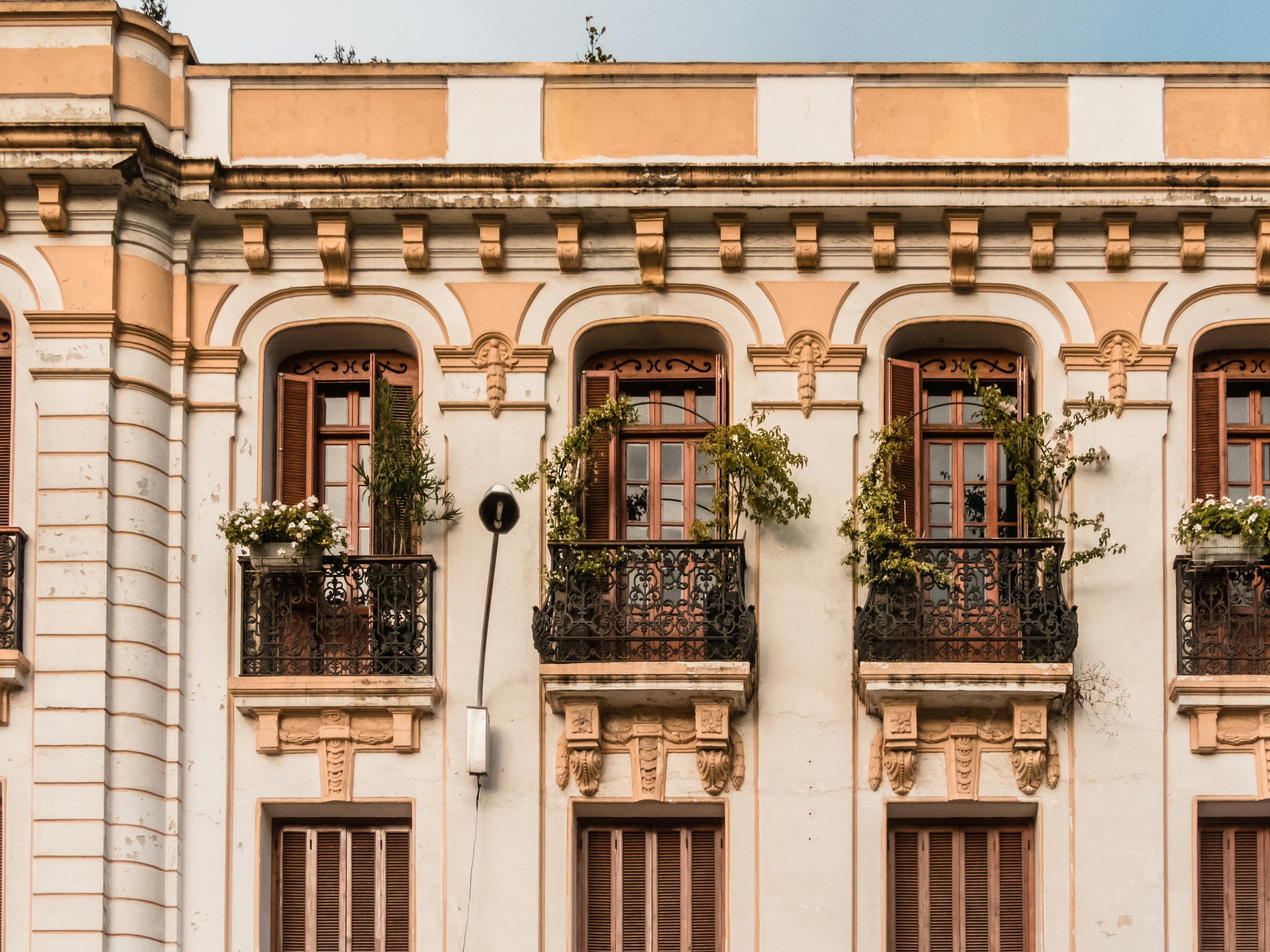
Few trips knit together history and atmosphere like Southern Spain and Morocco. Across the Strait of Gibraltar, the same Moorish arches echo in Seville’s royal palaces and Marrakech’s medersas; the call of flamenco meets the rhythm of Gnawa. This route follows the old currents—Al‑Andalus to the Maghreb—through plazas, palaces, medinas, mountains, and markets.
Expect big-hitter sights (the Real Alcázar, Alhambra, Jemaa el‑Fna), balanced with slow mornings at neighborhood cafés and evenings sharing tapas or tagines. Spring and fall bring mild temperatures; summer afternoons can be hot in Andalusia and Marrakech. In Spain, many shops close mid‑afternoon for siesta; in Morocco, Ramadan shifts dining hours but heightens evening festivities.
Practical notes: book the Alhambra weeks in advance; carry small cash for tips in Morocco; dress modestly when visiting religious sites. Ferries link Tarifa/Algeciras with Tangier; high‑speed trains and short flights connect Moroccan cities. Coffee culture is strong on both sides—try a Spanish cortado in Seville and a Moroccan nous‑nous in Marrakech.
Seville
Seville is Andalusia’s golden stage: orange blossoms perfuming medieval lanes, horse carriages circling the Cathedral, tapas bars where recipes pass down like family heirlooms. The Giralda’s silhouette—once a minaret—tells the city’s story in stone.
- Top sights: Real Alcázar gardens, Seville Cathedral and Giralda tower, Plaza de España, Triana’s ceramic ateliers, Metropol Parasol for sunset views.
- Why it’s special: This was the port of the New World; wealth poured in and architecture blossomed. Flamenco’s heartbeat lives in backstreet peñas and Triana bars.
Arrival and getting around
Fly into Seville Airport from major European hubs (2–3 hours; ~$60–$180) via Omio flights. From Madrid, take the AVE/Avlo high‑speed train to Seville Santa Justa (≈2h30; €25–€70) via Omio trains. Taxis and rideshares are plentiful; the historic center is wonderfully walkable.
Days 1–3: Old Town, Royal Palaces, and Tapas Culture
Start in Barrio Santa Cruz’s courtyards and alleys, then dive into the Alcázar’s tile‑work and the Cathedral’s treasure rooms before climbing the Giralda ramp for a city‑wide panorama.
- Skip the lines at Seville’s crown jewels:Alcazar and Cathedral of Seville Tour with Skip the Line Tickets

Alcazar and Cathedral of Seville Tour with Skip the Line Tickets on Viator - Plaza de España and María Luisa Park: rent a rowboat, admire the provincial tile alcoves, then stroll shaded avenues where the 1929 Expo reimagined the city.
- Triana by evening: cross the Isabel II bridge, browse azulejo studios, and catch a flamenco set in a small tablao.
Eat & drink: Breakfast at La Cacharrería (stacked toasts, house cakes) or Parcería Café (specialty beans, airy patio). Lunch at La Brunilda (reservations help; pringá croquettes) or El Rinconcillo (since 1670; sherry and montaditos). Dinner at Eslava (honeyed pork ribs; creative small plates) or Cañabota (seafood temple with a Michelin star; counter seating is fun). Nightcap at El Garlochi (church‑bar kitsch, Sevillano to the core) or a rooftop by the Cathedral.
- Taste your way through tapas with a local:Sevilla Food Tour: Tapas, Wine, History & Traditions

Sevilla Food Tour: Tapas, Wine, History & Traditions on Viator
Days 4–6: Day trips—Córdoba, Jerez, and Cádiz
Córdoba (45–55 min by train; €12–€35 via Omio trains): the Mezquita’s forest of arches, flower‑filled patios, and Roman bridge. Try salmorejo and oxtail stew at a traditional taberna near Plaza del Potro.
Jerez de la Frontera (≈1h by train): tour a sherry bodega, then see Andalucían horses at the Royal School if schedules align. Pair fino with tortillitas de camarones.
Cádiz (≈1h40 by train): Europe’s oldest city delights with sea‑air promenades and fried fish at freidurías. Sunset from La Caleta beach is pure magic.
Stay in Seville: Browse apartments and casas via VRBO Seville or boutique hotels through Hotels.com Seville.
Seville → Granada (morning transfer): 2h35–3h by train; €25–€60 via Omio trains. Buses are a budget fallback (≈3h15) via Omio buses.
Granada
Granada is a city of terraces and secrets: cobbled lanes in the Albaicín climbing toward Sierra Nevada, fountains whispering in Nasrid gardens, flamenco echoing in cave venues of Sacromonte.
- Top sights: Alhambra and Generalife, Albaicín lanes and Mirador de San Nicolás, Sacromonte caves, Cathedral and Royal Chapel, riverside Carrera del Darro.
- Insider tip: Alhambra tickets sell out—reserve weeks ahead and aim for the earliest Nasrid Palaces slot to enjoy the geometry in soft light.
Days 7–10: Alhambra, Albaicín, and Sacromonte
Dedicate half a day to the Alhambra complex; the palaces’ muqarnas ceilings and honeycomb stucco are masterpieces. Linger in the Generalife gardens for ace views of red ramparts and snowy peaks.
Wander the Albaicín’s whitewashed lanes, then watch sunset at San Nicolás as the Alhambra glows. In Sacromonte, a zambra flamenca performance brings Roma traditions to life in intimate cave venues.
Eat & drink: Breakfast at Café 4 Gatos (fresh orange juice, tortillas) or La Finca Coffee (roastery‑level espresso). Lunch on tapas that arrive free with drinks: Los Diamantes (crispy boquerones), Bodegas Castañeda (vermouth on tap, cured meats), Bar Poë (globetrotting small plates like peanut‑chicken skewers). Dinner at Damasqueros (seasonal tasting menu) or Mirador de Morayma (Andalusí dishes with Alhambra views). For a serene reset, book a traditional Arab bath session.
Optional Day Trip: Málaga & Caminito del Rey
Hop to Málaga (train ≈1h20; €15–€30 via Omio trains, or bus ≈1h45 via Omio buses) for markets (Atarazanas), the Picasso Museum, and seaside espetos in Pedregalejo.
- For thrill‑seekers:From Malaga Caminito del Rey Guided Tour with transportation—a spectacular boardwalk along El Chorro gorge (2–3 hours of walking with jaw‑dropping views).

From Malaga Caminito del Rey Guided Tour with transportation on Viator
Stay in Granada: Find atmospheric Albaicín houses via VRBO Granada or check boutique stays on Hotels.com Granada.
Granada → Tarifa/Algeciras (morning transfer): Bus ≈4.5–5h; €20–€35 via Omio buses. Alternatively, go Granada → Málaga (train), then bus to Tarifa.
Ferry to Tangier: Tarifa → Tangier Ville fast ferry ≈1 hour; €35–€60 via Omio ferries. Algeciras → Tanger Med ≈1h30 plus port shuttle.
Tangier
Tangier is a sea breeze with stories: an International Zone in the mid‑20th century, a haunt of artists and writers, and today a revitalized port city where mint tea overlooks the Strait.
- Top sights: The Kasbah and its museum, the medina’s Petit Socco, the Grand Socco square, Cap Spartel and the Atlantic‑side Caves of Hercules.
- Vibe: Lively but relaxed—ideal as your Morocco gateway with two days of gentle exploration.
Days 11–12: Medina wanderings and ocean horizons
Stroll the Kasbah ramparts for blue‑and‑white facades and strait views. Pop into cafés where time lingers—Café Hafa for terraces cascading to the sea, Gran Café de Paris for old‑school elegance, and Cinema Rif’s café for a creative crowd.
Head to Cap Spartel, where the Mediterranean meets the Atlantic, then the nearby Caves of Hercules (look for the Africa‑shaped opening). In the medina, browse leatherwork and rugs—bargaining is expected, with smiles and patience.
Eat & drink: Le Saveur de Poisson (set‑menu seafood stew, honeyed figs, pine‑nut juice), El Morocco Club (live piano downstairs, modern Moroccan upstairs), and roasted sardines or kefta brochettes from street grills near the port.
Stay in Tangier: Compare riads and apartments on VRBO Tangier or check hotels in/near the medina via Hotels.com Tangier.
Tangier → Marrakech (morning transfer): Fastest is a nonstop flight (≈1h30; ~$45–$120); check Trip.com flights or Kiwi.com. Prefer overland? The high‑speed Al Boraq Tangier–Casablanca plus onward train to Marrakech takes ≈4.5–5h total.
Marrakech
Marrakech, the “Red City,” is energy and enchantment: storytellers and spice stalls at Jemaa el‑Fna, serene riad courtyards hidden behind plain doors, and Atlas peaks framing the horizon.
- Top sights: Jemaa el‑Fna by night, Koutoubia’s minaret, Bahia Palace, Saadian Tombs, Ben Youssef Madrasa, Dar el Bacha (Museum of Confluences), Jardin Majorelle & YSL Museum.
- Good to know: Many non‑Muslim visitors can’t enter mosque prayer halls; photography etiquette and modest dress are appreciated. Cash is king in souks; ATMs are common.
Days 13–16: Palaces, medersas, gardens, and the art of the souk
Orient yourself at Jemaa el‑Fna’s food stalls (try snail soup, grilled lamb, fresh juices). Explore the Bahia Palace’s zellij and carved cedar, then the Saadian Tombs’ marble canopies.
Walk the labyrinthine souks by theme: dyers’ alley, metalworkers, leather, and spice traders. Visit Ben Youssef Madrasa’s courtyard geometry, then cool off at Dar el Bacha’s museum—cap it with a single‑origin cup at Bacha Coffee.
Eat & drink: Breakfast at Pâtisserie Amandine (almond gazelle horns, mille‑feuille) or Kawa 16 (specialty coffee in Guéliz). Lunch at Nomad (modern Moroccan; try the spiced lamb burger), Café des Épices (rooftop with views), or Atay Café (tagines, terraces). Dinner at Al Fassia (women‑run institution; slow‑braised lamb shoulder), Dar Yacout (set‑menu royal feast in a candlelit riad), Comptoir Darna (dinner with live music and dance). Order a nous‑nous or fresh mint tea in the afternoon.
Days 17–18: Atlas Mountains, Imlil hikes, and Agafay desert sunset
Drive 1.5–2h to Imlil, gateway to Mount Toubkal. Hike mule tracks to Aremd village for walnut‑tree shade and a tagine lunch in a Berber family home; spring brings cherry blossoms, autumn brings saffron.
Closer to the city, the stony Agafay Desert offers sunset camel rides, quad biking, and dinner under countless stars. Pack layers—desert nights are crisp.
Day 19: Essaouira by the Atlantic
Make a coastal dash (≈2.5–3h each way) to Essaouira’s blue‑and‑white medina, ramparts, and seafood stalls where you pick your catch to be grilled on the spot. Browse thuya‑wood workshops and listen for Gnawa rhythms drifting through alleys.
Day 20: Slow finish—hammam, gardens, last‑minute treasures
Start with a traditional hammam and massage. Wander Jardin Majorelle’s cobalt paths and cacti, or the Secret Garden’s restored palatial courtyards, then do a final lap of the souks for argan oil, saffron, and ceramics (bargain with good humor).
Stay in Marrakech: Choose a riad with a plunge pool and rooftop breakfast via VRBO Marrakech or compare medina and Guéliz hotels on Hotels.com Marrakech.
Departure
Fly out of Marrakech (RAK) with plenty of time for security and souvenirs. Search options on Trip.com, Kiwi.com, or, for routes to/from Europe, Omio flights.
Estimated travel times and costs (per adult)
- Flight to Seville: 2–3h from major European hubs; ~$60–$180 (seasonal).
- Madrid → Seville train: ≈2h30; €25–€70 via Omio trains.
- Seville → Granada train: 2h35–3h; €25–€60 via Omio trains.
- Granada → Tarifa/Algeciras bus: 4.5–5h; €20–€35 via Omio buses.
- Tarifa → Tangier ferry: ≈1h; €35–€60 via Omio ferries.
- Tangier → Marrakech flight: ≈1h30; ~$45–$120 via Trip.com or Kiwi.com.
Summary: Over 20 days, you’ll trace Moorish artistry from the Alcázar and Alhambra to Marrakech’s palaces, taste tapas and tagines, and step from Spanish plazas to Moroccan medinas. It’s a journey of patterns—tile, music, markets—woven across two continents, capped with mountain air and desert light.