
20 Days in New York State: A Family-Friendly Itinerary Through New York City, Hudson Valley, and Niagara Falls
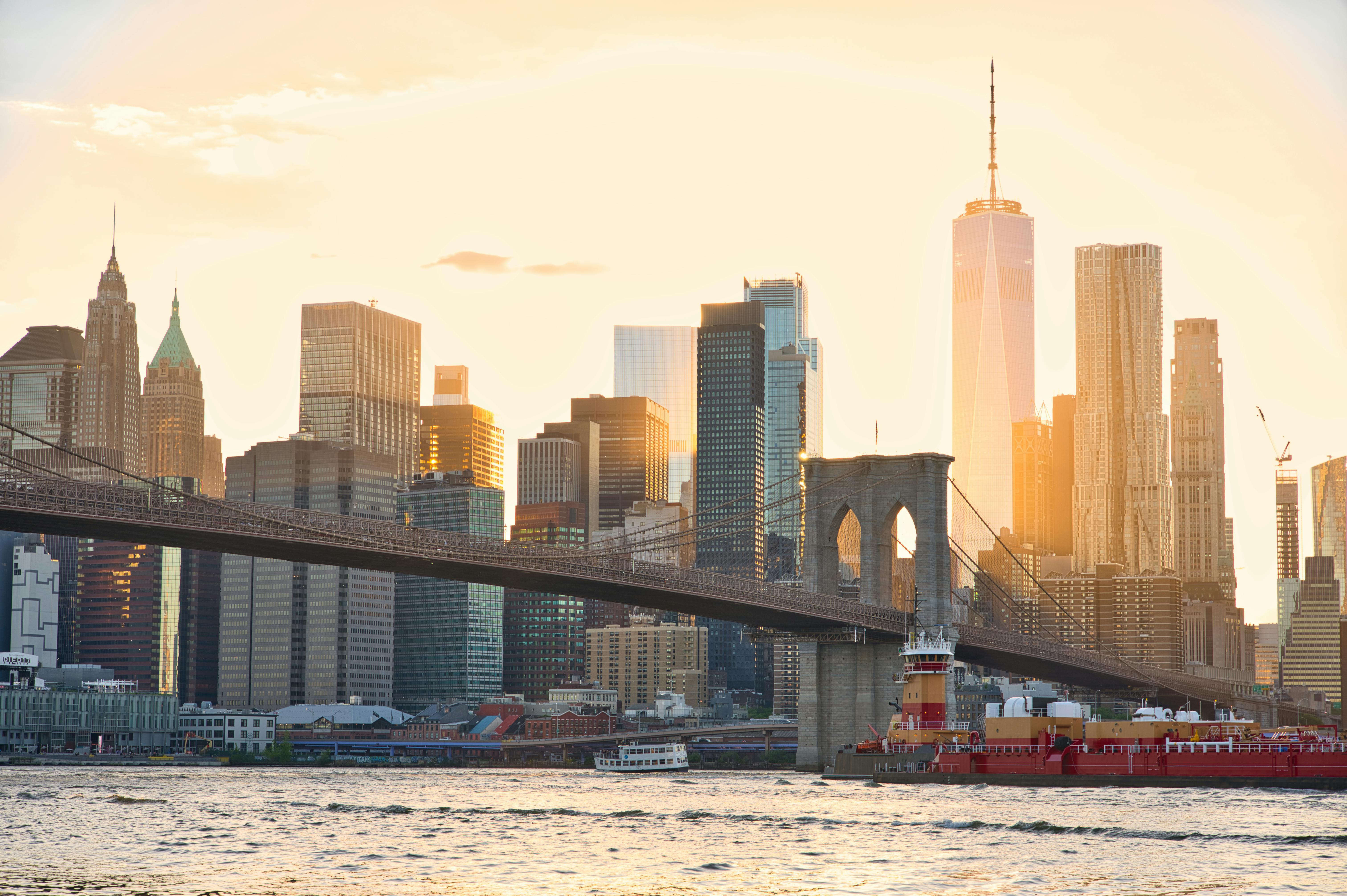
New York State contains several Americas at once: the immigrant gateway of New York City, the river towns and estates of the Hudson Valley, and the thunderous spectacle of Niagara Falls. Few places reward a long stay so richly, because each region reveals a different chapter of the state’s story, from Gilded Age ambition to industrial power to modern creative energy.
For families, New York works especially well because it constantly alternates scale. One morning can be spent in a grand museum or on an observation deck above Manhattan, and the next in a park, village main street, or boat ride where children and adults are equally absorbed. It is also one of the best destinations in the United States for photography, with skyline compositions, historic interiors, riverside towns, street life, and dramatic natural scenery all within one trip.
Practically speaking, March 2025 travel in New York calls for layered clothing, comfortable walking shoes, and advance reservations for headline attractions. Dining is one of the great pleasures here, whether you want old-school New York bagels, Italian-American classics, inventive tasting menus, or a hands-on cooking class; just note that weather can shift quickly, and for Niagara Falls, mist and wind can make conditions feel colder than the thermometer suggests.
New York City
New York City is the natural anchor for a 20-day New York trip, and with your interests, it earns the longest stay. It offers major museums, neighborhood life, family-friendly attractions, superb food, and enough visual drama to keep any photographer busy from dawn to midnight.
Rather than rushing through a checklist, this itinerary treats the city as a place to inhabit. That means pairing classics like the Statue of Liberty and Midtown observation decks with quieter pleasures: a morning on the Upper West Side, pastries in Brooklyn, a market browse in Chinatown, and evenings that feel lively without becoming exhausting for families.
Getting there: Search flights into New York via Trip.com or Kiwi.com. For most U.S. departures, nonstop or one-stop fares commonly range from about $180-$550 roundtrip depending on origin and booking window.
Where to stay: For a family-friendly Midtown base with good transit access, consider Residence Inn by Marriott New York Manhattan/Times Square, especially useful for longer stays thanks to extra space. For a more budget-conscious but still well-placed option, Pod 51 Hotel is practical and central. If you want a classic splurge, The St. Regis New York and The Plaza Hotel provide old New York grandeur. You can also browse broader options on VRBO or Hotels.com.
Days 1-6: Midtown, Central Park, classic landmarks, and first orientation
Begin with Manhattan’s great opening act: Rockefeller Center, St. Patrick’s Cathedral, Bryant Park, Grand Central Terminal, and Central Park South. This cluster introduces the city’s layers beautifully, where Beaux-Arts ceilings, Art Deco towers, and skating-rink nostalgia sit within a short walk of one another.
For a smart first-day overview, book the New York in One Day Guided Sightseeing Tour. It is especially useful for families because it reduces navigation fatigue early in the trip and helps you decide which neighborhoods you want to revisit at your own pace.

Set aside one morning for the Top of the Rock Observation Deck New York City Ticket. Among the city’s observation decks, this one is often the best for photographers because it includes the Empire State Building in the view and opens directly toward Central Park, giving you a true sense of Manhattan’s geometry.

For breakfast, start with Ess-a-Bagel in Midtown East for a classic New York bagel with scallion cream cheese or smoked salmon; the portions are famously generous, making it ideal for sharing. Near Bryant Park, Ole & Steen is a reliable lighter choice with good coffee and pastries if you want something easier before a museum or observation deck morning.
For lunch, head to Urban Hawker, where families can sample Singapore-inspired dishes in a food-hall setting without committing to one cuisine; Hainan Jones and Prawnaholic are especially popular. Another dependable option is Joe’s Home of Soup Dumplings nearby, which works well when you want something warm and satisfying after walking Midtown in cooler weather.
For dinner, consider Tony’s Di Napoli for family-style Italian-American classics, especially if your group likes large platters of pasta, chicken parmigiana, and garlic bread in a bustling old-school setting. If you want something more contemporary but still approachable, Zou Zou’s at Hudson Yards offers Eastern Mediterranean flavors in a lively room, excellent for turning dinner into an evening event before a stroll on the High Line.
For nightlife that still suits a family-friendly trip, look at live jazz at Dizzy’s Club if your party includes older children or teens who enjoy music and skyline ambiance. Another gentler evening option is simply walking through Rockefeller Center after dark, when the architecture and lighting make Midtown feel theatrical rather than hectic.
Days 7-10: Museums, Upper West Side and Upper East Side, and living like a local
These days are for the city at a more human tempo. Spend time on the Upper West Side and Upper East Side, two neighborhoods where New York’s daily rhythms reveal themselves through school runs, bakery queues, museum steps, and long walks beside the park.
The Museum of Modern Art MoMA Admission Ticket in New York is a superb fit for your museum interest, and it is one of the city’s best rainy-day anchors. Even travelers who think they know MoMA are usually surprised by how much children respond to the color, scale, and invention of the collection, from Van Gogh and Monet to design objects and film.

Reserve time for the American Museum of Natural History as well, which remains one of the strongest family attractions in the city. The dinosaur halls, ocean life exhibits, and Hayden Planetarium easily fill half a day, and the setting beside Central Park makes it easy to pair with a playground stop or a casual lunch nearby.
If you want a striking modern contrast, book the SUMMIT One Vanderbilt Experience Ticket. It is less about old New York romance than immersive spectacle, with mirrored rooms and dramatic reflections that photographers tend to love; go on a clear late afternoon for changing light.

Breakfast is best kept neighborhood-focused here. Barney Greengrass on the Upper West Side is a New York institution for smoked fish, scrambled eggs, and old-world deli atmosphere, while Daily Provisions on the Upper East Side offers excellent crullers, breakfast sandwiches, and coffee in a more modern style.
For lunch, Café Sabarsky at the Neue Galerie is one of the city’s great museum dining rooms, serving Viennese-inspired dishes in a setting that feels transported from fin-de-siècle Europe. On the Upper West Side, Jacob’s Pickles is a hit with families because of its generous Southern comfort food, biscuits, fried chicken, and energetic atmosphere.
For dinner, Via Carota in the West Village is worth planning ahead for if you can manage the wait; its cacio e pepe and simple vegetable dishes have become downtown benchmarks. Another strong choice is RedFarm on the Upper West Side, where inventive dim sum and polished service make it a good special-night restaurant without becoming overly formal.
For your cooking-class interest, include a food-focused day around Chelsea Market, Little Italy, or Chinatown, even if you do not book a formal class. Shopping for fresh pasta, dumplings, spices, and pastries while talking about how immigrant cuisines shaped New York is one of the best ways to understand the city as locals do.
Days 11-14: Downtown Manhattan, Brooklyn, ferries, memory, and skyline photography
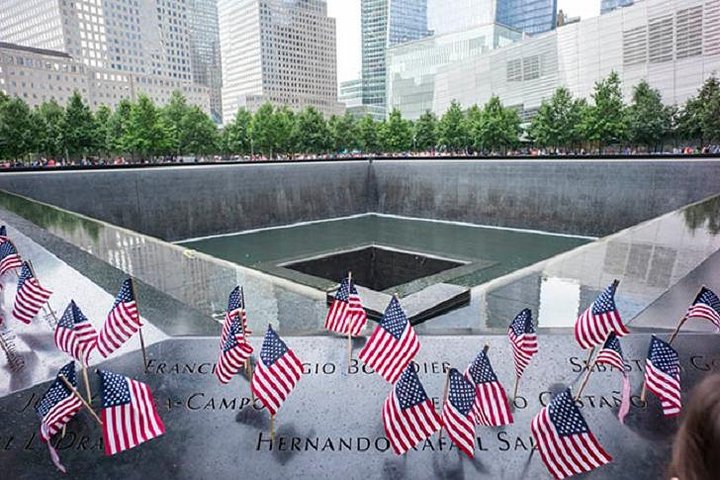
Downtown carries the emotional and historical weight of the city. Here you move between Wall Street, Trinity Church, the harbor, immigrant history, and the reflective quiet of the 9/11 Memorial, all within a compact stretch of Lower Manhattan.
Book the Statue of Liberty & Ellis Island Tour with Reserved Ferry Entry for one of the trip’s essential historical experiences. It works particularly well for families because the ferry ride itself is fun, while Ellis Island gives adults and older children a vivid sense of migration, hope, and bureaucratic ritual.

Balance that with the 9/11 Memorial Museum Admission Ticket, one of the most moving museums in the United States. Families with younger children may choose to spend more time at the outdoor memorial pools and less inside, but for many travelers this becomes the most memorable historical stop in Manhattan.
Dedicate one late afternoon to Brooklyn Bridge Park and DUMBO, where some of the best skyline photography in New York is found. Pebble Beach, Jane’s Carousel, and the waterfront lawns give families space to relax, and the bridge-and-skyline sightline at Washington Street remains iconic despite its fame.
Breakfast in this part of the trip could include Russ & Daughters Café on the Lower East Side for bagels, smoked fish, latkes, and a lesson in Jewish New York foodways. In Brooklyn, Butler in DUMBO is a polished local favorite for good coffee, breakfast sandwiches, and pastries before a waterfront walk.
For lunch, Time Out Market New York is ideal with family members who want different things, and the rooftop adds one of the city’s easiest blockbuster photo viewpoints. In Lower Manhattan, Pisillo Italian Panini serves enormous sandwiches that are excellent value, especially on sightseeing-heavy days.
For dinner, Juliana’s in DUMBO is one of the strongest classic coal-oven pizza picks in the city, especially if you value crust and old-school pedigree. If you want seafood and a celebratory downtown meal, The Fulton at the Seaport gives you polished cooking and harbor views without straying into stiff fine dining.
For an evening on the water, the Statue of Liberty and New York City Skyline Sightseeing Cruise is a very good photography-friendly alternative to a more formal dinner cruise. The lower-angle harbor perspective often produces some of the trip’s best skyline images, especially near sunset.
Days 15-16: Flexible city days for neighborhoods, family picks, and one splurge evening
Keep two days unhurried at the end of your New York City stay. This is where a longer itinerary becomes genuinely pleasurable: you can return to a favorite museum, spend half a day in Greenwich Village or Park Slope, browse bookstores, or simply let the city surprise you.
Families looking for lighthearted fun can add the Museum of Ice Cream New York City Admission Ticket. It is unabashedly playful rather than scholarly, but that is part of its value in a long trip: not every outing should be solemn or historic.

For one memorable final-night experience in the city, consider the New York City Dinner Cruise with Live Music. It suits a family-friendly trip nicely because it delivers a festive evening, skyline views, and a feeling of occasion without requiring late-night bar hopping.

Hudson Valley
After the density of New York City, the Hudson Valley feels like an exhale. This region offers river views, historic estates, art, villages, and a more local, slower rhythm that beautifully rebalances a 20-day itinerary.
For this trip, focus on the Rhinebeck–Hyde Park area and nearby river towns. It provides easy access to history, food, landscape photography, and family-friendly exploration without needing to cover the entire valley.
Travel from New York City to Hudson Valley: Take a morning rental car or arranged transfer; driving to Rhinebeck or Hyde Park typically takes about 2 to 2.5 hours depending on traffic. If you are comparing transport to your arrival region or onward flights, general booking tools remain Trip.com and Kiwi.com. For a road segment like this, expect fuel and toll costs rather than ticket fares.
Where to stay: Browse homes and family-friendly rentals via VRBO or hotels via Hotels.com. A rental is especially appealing here because kitchens, outdoor space, and parking make family travel simpler.
Days 17-18: Estates, local towns, markets, and scenic river country
Spend one day in Hyde Park visiting the Roosevelt sites and, if timing permits, the Culinary Institute of America area for a food-centered lunch or early dinner. The history here is deeply American but less overwhelming than Manhattan’s, and the landscape itself feels composed for leisurely photography.
Another day should be devoted to Rhinebeck, where independent shops, cafés, and walkable streets create the kind of “living like a local” atmosphere that longer trips need. If weather is agreeable, pair the village with a scenic drive along the river or a stop at a farm market.
For breakfast, Bread Alone in Rhinebeck is a standout, known for excellent breads, pastries, coffee, and a relaxed community feel. It is precisely the sort of place that makes travelers imagine a second life in the Hudson Valley.
For lunch, Terrapin Restaurant in Rhinebeck is reliable and family-friendly, with a broad menu in a historic church setting that is memorable without being fussy. Another worthwhile option is Market St. in Rhinebeck for a more casual meal built around fresh ingredients and a small-town pace.
For dinner, The Amsterdam in Rhinebeck is one of the region’s stronger contemporary dining rooms, with seasonal cooking that feels rooted in the Hudson Valley rather than imported from Manhattan. In Hyde Park, dining at one of the Culinary Institute of America restaurants is rewarding because service and technique are part of the experience, and it subtly satisfies your cooking interest.
Nightlife here is quieter by design. Think fireside drinks, a short post-dinner walk under very dark skies compared with Manhattan, or a cozy local bar in Rhinebeck rather than a packed club scene; after two weeks in the city, that contrast often feels restorative.
Niagara Falls
Niagara Falls is the right grand finale for a New York itinerary of this length. After art, food, and urban neighborhoods, the falls deliver pure force: spray, roar, rainbow light, and a scale that photographs never quite prepare you for.
This stop is especially good for families because the appeal is immediate. Children understand it instantly, adults remain impressed, and the supporting attractions make it easy to fill a short stay without overcomplicating logistics.
Travel from Hudson Valley to Niagara Falls: The most practical option is a morning flight via New York-area airport connections booked through Trip.com or Kiwi.com; total travel time is commonly 4.5-7 hours including transfers, with fares often around $140-$320 one way. Driving is possible but long, usually 6.5-8 hours from the mid-Hudson region.
Where to stay: Browse options through VRBO or Hotels.com. If views matter most, prioritize properties near the falls corridor, but if value matters more, a short drive farther out often stretches your budget significantly.
Days 19-20: The falls, viewpoints, and your final New York crescendo
The best way to experience Niagara is to combine grand viewpoints with one close-up adventure. If you want a guided, efficient outing, the All Inclusive Niagara Falls USA Tour W/Boat Ride,Cave & Much MORE is a strong choice, especially for first-time visitors who want to avoid piecing together logistics.

If you prefer a broader cross-border perspective and have the right travel documents, the Niagara Falls in 1 Day: Tour of American and Canadian Sides offers an even fuller sense of the site. The Canadian side generally provides the most panoramic views, while the U.S. side gives you a more tactile, park-based relationship with the water.

For breakfast, Power City Eatery is a popular local-style option for hearty morning plates before sightseeing. For lunch, try The Griffon Gastropub for crowd-pleasing fare and a relaxed setting suitable for families after misty outdoor adventures.
For dinner, Savor at Niagara Falls Culinary Institute is one of the more interesting meals in the area, combining a polished setting with student-supported culinary ambition. Wine on Third offers a more intimate bistro feel, making it a good final-night dinner if you want something a touch calmer and more local.
For photography, arrive at Prospect Point early or near dusk. Morning often brings cleaner light and fewer crowds, while late day can produce misty gold tones and occasional rainbows that turn the falls from impressive to nearly unreal.
This 20-day New York itinerary gives you more than famous landmarks. It offers the state in three registers: metropolitan, pastoral, and elemental. From museum halls and neighborhood bakeries to river towns and the roar of Niagara Falls, it is a family-friendly journey built to feel both iconic and personal.