
20 Days in India: A Grand Delhi, Jaipur & Mumbai Itinerary
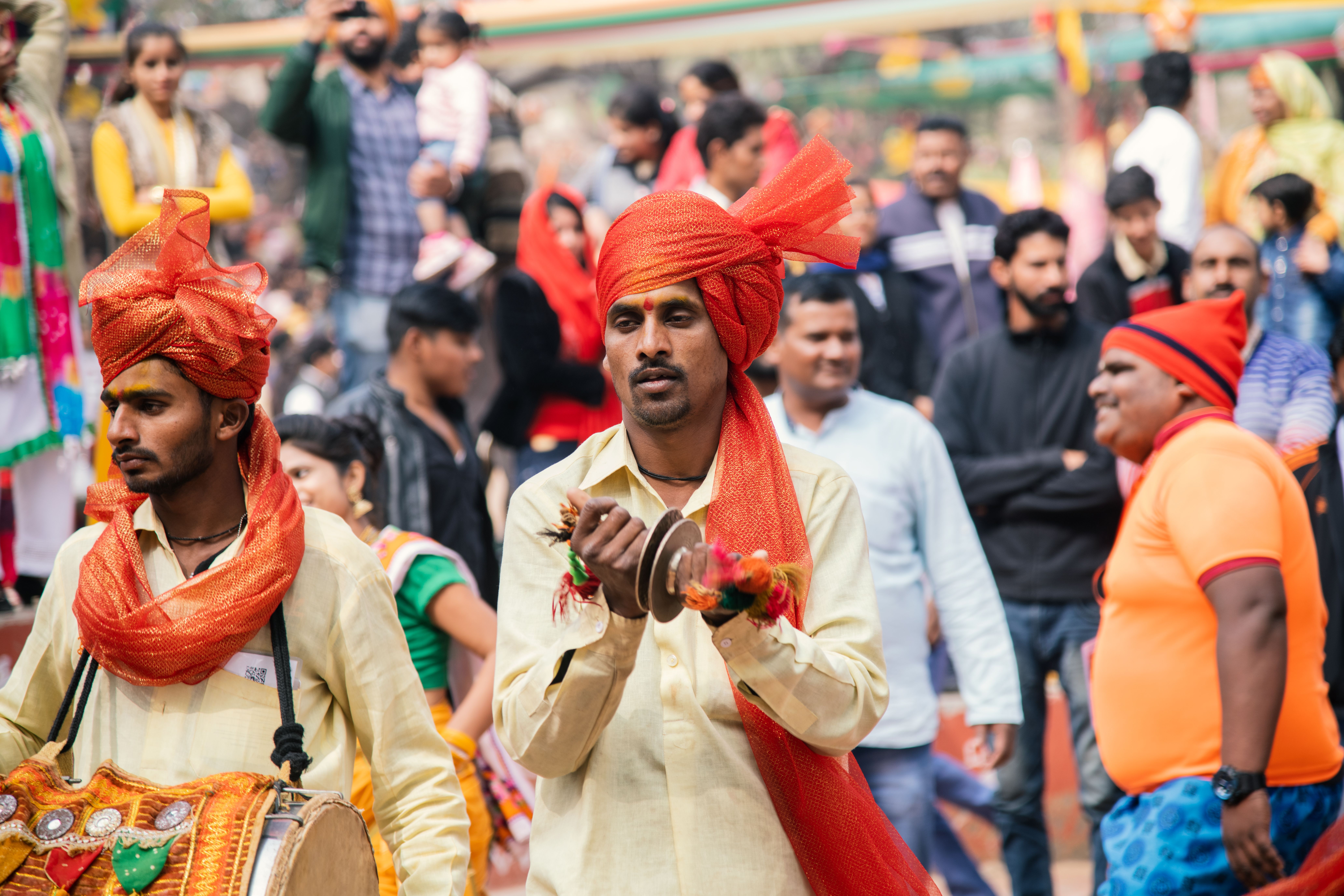
India is not one destination so much as a thousand worlds folded into one map. Empires rose here, saints argued here, traders docked here, and modern megacities now hum beside tombs, stepwells, bazaars, and temple bells. For a 20-day first journey, the most satisfying route is to anchor yourself in three high-impact cities—Delhi, Jaipur, and Mumbai—while using them for iconic excursions and deeper neighborhood exploration.
Delhi offers the grand overture: sultanate ruins, Mughal avenues, old bazaars, and some of the country’s richest food traditions. Jaipur brings painted gateways, astronomy, forts, and textiles in the heart of Rajasthan. Mumbai then changes the rhythm entirely, replacing sandstone and domes with sea air, cinema, Victorian Gothic facades, and the restless energy of India’s financial and cultural capital.
Practical notes matter in India. March is generally favorable for this route, though afternoons can be warm, so start major sightseeing early, carry bottled water, and dress modestly for religious sites. Use hotel cars or app-based transport when possible, keep a little cash for markets and tips, and approach the cuisine with joy: kebabs in Delhi, thalis and Rajasthani specialties in Jaipur, and seafood, Irani cafés, and street snacks in Mumbai are among the great pleasures of this India itinerary.
Delhi
Delhi is a city of layers, and the trick is not to rush them. One moment you are beneath a 12th-century minaret, the next in a Lutyens boulevard built for imperial spectacle, and then in a market lane where recipes and trades have outlived dynasties.
It is also one of the best food cities in Asia. The capital excels at old-school Mughlai cooking, Punjabi comfort food, inventive modern Indian dining, and serious café culture, which makes it ideal for a longer stay with both landmark touring and slower neighborhood days.
Arrival and getting in: Fly into Delhi and compare routes on Trip.com flights or Kiwi.com flights. For airport transfers or later rail journeys, keep Trip.com trains bookmarked. Typical airport-to-central-Delhi transfer time is 30-60 minutes depending on traffic.
Where to stay: Search broad options on VRBO Delhi and Hotels.com Delhi. Strong specific picks include The Leela Palace New Delhi for polished service and diplomatic enclave calm, The Imperial, New Delhi for colonial-era grandeur near Connaught Place, ITC Maurya for excellent dining, and Bloomrooms @ New Delhi Railway Station for a practical, well-located lower-cost base.
Days 1-4: Old Delhi, New Delhi, Mughal Grandeur
Start with the great contrast: Shahjahanabad and imperial New Delhi. In Old Delhi, Jama Masjid, Chandni Chowk, spice lanes, and haveli fragments create a sensory overture that feels almost theatrical. Then shift to India Gate, Rashtrapati Bhavan viewpoints, Humayun’s Tomb, Lodhi Garden, and Qutub Minar for Delhi’s more spacious and monumental register.
For breakfast and coffee, go to Blue Tokai for a reliable specialty coffee start, especially useful on jet-lagged mornings. In Old Delhi, Jung Bahadur Kachori Wala is beloved for flaky, savory breakfast bites, while Indian Coffee House offers old-world atmosphere rather than trendiness, the sort of place where time seems to sit down and order another cup.
For lunch, Karim’s near Jama Masjid remains one of the classic addresses for Mughlai dishes; its mutton qorma and kebabs are not merely famous, they are part of Delhi’s culinary memory. Al Jawahar nearby is another strong old-city option with richly spiced gravies and a more bustling, no-frills energy. If you want a gentler midday setting after heavy sightseeing, Diggin offers a leafy break and comforting plates in a pretty garden-like space.
Dinner should include at least one meal at Bukhara at ITC Maurya, where the dal and tandoor-cooked meats have become almost ceremonial for visiting food lovers. Indian Accent is the city’s modern standard-bearer, worth booking for a more contemporary reading of Indian flavors. For a convivial evening with North Indian classics, Have More in Pandara Road is a long-standing favorite.
- Must-book activity: Old & New Delhi City Tour – Half or Full Day Options Available
- Alternative: Old & New Delhi Private Tour - Half or Full Day (Rated Excellent)

Days 5-7: Agra Excursion and Slow Delhi Evenings
No first India trip should miss the Taj Mahal, and Delhi is the most practical base for it. The smartest version is an early departure, ideally by express train or pre-arranged car, so you see the marble in soft morning light and avoid the thickest crowds.
Agra is not only the Taj. Agra Fort provides the political counterpoint to the mausoleum’s romance, and the Baby Taj—Itimad-ud-Daulah—often wins travelers over with its delicate inlay and lighter scale. If you are especially drawn to architecture and photography, make this excursion a priority over adding another rushed city stop.
- Recommended activity: Delhi to Agra and Taj Mahal Private Day Trip by Express Train with Lunch
- Also excellent: All Inclusive Day Trip to Taj Mahal, Agra Fort and Baby Taj from Delhi by Car
- Sunrise option: Private Sunrise Taj Mahal Tour from Delhi By Car -All inclusive

Back in Delhi, reserve your evenings for neighborhoods rather than monuments. Explore Khan Market for bookstores, cafés, and polished boutiques; wander Lodhi Colony for street art and modern dining; or spend one evening in Nizamuddin for a different mood entirely, where the city becomes devotional and musical.
For breakfast, Saravana Bhavan is dependable for South Indian staples such as crisp dosas and idlis. For lunch, Andhra Bhavan Canteen is a practical favorite for a deeply satisfying thali with assertive spice and terrific value. For dinner, Dum Pukht offers old-school Awadhi refinement, while Comorin balances regional flavors with a more contemporary room and strong cocktails.
Jaipur
Jaipur arrives like a page illuminated in mineral pigments: terracotta facades, latticed windows, elephantine gateways, and hilltop forts above the plains. Founded in 1727 by Maharaja Sawai Jai Singh II, it was one of the earliest planned cities in India, and that sense of geometry still gives it unusual grace.
This is the most approachable gateway to Rajasthan for first-time visitors. You get fort architecture, artisan neighborhoods, jewel-toned markets, excellent textiles, and some of North India’s most satisfying traditional food without the logistical sprawl of a more ambitious desert circuit.
Delhi to Jaipur: Take a morning train, which is generally the most civilized transfer for this route. Book via Trip.com trains; typical travel time is about 4.5-6 hours depending on service, and fares often range roughly from $8 to $35 by class. A flight search via Trip.com flights or Kiwi.com flights can work, but airport formalities often erase the time savings on this corridor.
Where to stay: Browse VRBO Jaipur and Hotels.com Jaipur. Excellent picks include Rambagh Palace for a landmark stay with palace atmosphere, Trident Jaipur for comfort near the Amer side of town, ITC Rajputana for a central full-service option, and Holiday Inn Jaipur City Centre for value and convenience.
Days 8-12: Amber Fort, City Palace, Bazaars, Craft Traditions
Begin with Amber Fort in the early morning, when the ramparts glow softly and the courtyards feel less crowded. Pair it with Panna Meena ka Kund, the geometric stepwell nearby, and continue to Jaigarh Fort for sweeping views and military history. Then give a full day to the urban core: City Palace, Jantar Mantar, and the honeycombed facade of Hawa Mahal.
Jaipur rewards unstructured time. Bapu Bazaar and Johari Bazaar are not merely shopping districts but living archives of color and craft—block prints, lac bangles, gemstones, mojari footwear, quilts, and hand-worked textiles. If you enjoy design, allow time to compare old family-run stores with newer studios; Jaipur has become one of India’s most appealing craft capitals.
For breakfast, Tapri Central is a beloved modern tea-and-breakfast stop with city views and a menu that lets you ease into local flavors. Anokhi Café is ideal for a lighter morning with strong coffee and well-made baked goods. For classic sweets and snacks, Laxmi Misthan Bhandar (LMB) is a Jaipur institution and worth visiting both for breakfast nibbles and take-home treats.
At lunch, try 1135 AD if you want a fort-setting meal with atmospheric interiors and a celebratory feel. For a more everyday but deeply rooted taste of the city, Rawat Mishtan Bhandar is famous for pyaaz kachori and other savory staples. Niros remains a nostalgic favorite for old-school multicuisine dining that generations of Jaipur residents still recommend.
Dinner in Jaipur should include at least one traditional Rajasthani spread. Spice Court is well known for laal maas and robust regional flavors, while Bar Palladio offers one of the city’s most stylish rooms for a longer evening over drinks and polished plates. If you want a more heritage-minded setting, Samode Haveli Restaurant combines architectural atmosphere with a menu that suits a special night.
Local gems to add between major sights: Albert Hall Museum for Indo-Saracenic architecture and decorative arts, Galtaji Temple for monkeys and hillside shrines, and a block-printing workshop if textiles interest you. Jaipur is especially good for travelers who like to alternate monument fatigue with artisan encounters and long lunches.
- Best guided option from Delhi if you prefer a packaged segment: Four-Day Private Luxury Golden Triangle Tour to Agra and Jaipur From New Delhi
- Shorter version: 3-Day Private Luxury Golden Triangle Tour to Agra and Jaipur From New Delhi
- Single-day alternative: Jaipur Day Trip from Delhi by Car or Train – All Inclusive

Days 13-14: Jaipur at Leisure
Use these days to slow down. Book a spa or pool afternoon, take a cooking session, revisit your favorite market with more confidence, or arrange a half-day to Sanganer or Bagru for textile traditions if handicrafts are a major interest.
This breathing room matters. India can overwhelm when every hour is programmed, and Jaipur is one of the country’s best cities for regaining rhythm—morning fort light, a late café breakfast, an unhurried palace visit, then sunset drinks as the city turns rose-gold.
Mumbai
Mumbai is India in another key altogether: maritime, cinematic, mercantile, impatient, and exhilarating. It was shaped by trade, cotton, finance, migration, and the film industry, and its streets carry that hybrid story in Gothic revival facades, Parsi cafés, Portuguese traces, Art Deco apartment blocks, and neighborhoods that change mood block by block.
Where Delhi feels imperial and Jaipur ceremonious, Mumbai feels alive in the present tense. It is best enjoyed with appetite and curiosity: a morning by the Gateway of India, an afternoon in Kala Ghoda, sunset on Marine Drive, then dinner that stretches pleasantly late.
Jaipur to Mumbai: Take a morning flight. Search via Trip.com flights or Kiwi.com flights. Typical nonstop flight time is about 2 hours, with common fares often around $45-$120 depending on season and baggage. Allow another 60-90 minutes for airport transfer depending on where you stay.
Where to stay: Browse VRBO Mumbai and Hotels.com Mumbai. For iconic harbor-front atmosphere, choose The Taj Mahal Palace, Mumbai. The Oberoi, Mumbai is excellent on Marine Drive, Hotel Residency Fort works well for South Mumbai exploration, and Novotel Mumbai Juhu Beach suits travelers wanting beachside evenings.
Days 15-18: South Mumbai, Kala Ghoda, Marine Drive, Elephanta
Base yourself in South Mumbai if possible. The city’s most rewarding first impressions are concentrated here: the Gateway of India, Colaba Causeway, the Chhatrapati Shivaji Maharaj Vastu Sangrahalaya, the art galleries of Kala Ghoda, the Oval Maidan skyline, and the long curve of Marine Drive. This district lets you understand Mumbai’s colonial and commercial history on foot.
One full day should go to Elephanta Caves, reached by ferry. The island’s rock-cut cave temples, particularly the great Trimurti Shiva relief, add a much older sacred dimension to a city otherwise associated with modern commerce and film. Another day can be devoted to neighborhoods: Bandra’s cafés and sea-facing promenades, the Mount Mary area, and boutique-lined lanes provide a different, more residential Mumbai.
For breakfast, start at Kyani & Co., one of the old Irani cafés, where bun maska and chai still feel inseparable from the city’s identity. Leopold Café is more touristed but remains a classic stop in Colaba for atmosphere. Subko is a strong choice if coffee quality is your priority and you want a more contemporary artisanal feel.
Lunch options are superb. Britannia & Co. is one of the city’s historic dining rooms, especially loved for berry pulao and Parsi hospitality. Trishna is the answer if seafood is the goal; its butter garlic crab is famous for good reason. In Bandra, Pali Village Café offers a stylish but grounded setting that works well after neighborhood wandering.
Dinner can tilt grand or local. The Table in Colaba is one of Mumbai’s most consistently admired modern restaurants, ideal for a polished evening. Shree Thaker Bhojanalay is excellent if you want a deeply satisfying vegetarian thali with abundant Gujarati and Rajasthani influences. For sea views and a celebratory final-night meal, book one of the better hotel dining rooms along Marine Drive or at the Taj.
- Recommended activity: Highlights of Mumbai Sightseeing Tour: TRAVELLERS CHOICE AWARDED
- Private option: Private Mumbai Sightseeing Tour (Traveller's Choice Award Winner)
- Best excursion: Elephanta Caves & Island Guided Private Tour

Days 19-20: Markets, Film City Mood, Final Sea Views
Keep your last days flexible. Visit Crawford Market and nearby heritage lanes, browse independent shops in Bandra, or simply let Mumbai happen to you over coffee, a taxi ride, and a long evening walk. The city often becomes most memorable once you stop trying to “complete” it.
If cinema fascinates you, ask your hotel concierge about current film-related experiences or studio-linked cultural programming available during your stay. Otherwise, end simply: sunset on Marine Drive, one final seafood dinner or thali, and a late-night drive through the glowing boulevard edges of South Mumbai.
Departure: For onward international or domestic flights, compare fares on Trip.com flights and Kiwi.com flights.
This 20-day India travel itinerary gives you three of the country’s most rewarding urban experiences without turning the trip into a checklist. You will leave with Mughal masterpieces, Rajasthani color, Mumbai sea light, memorable meals, and enough variety to feel that you have truly begun to understand India rather than merely passed through it.
It is a route with depth, not just highlights. That is why it works so well for a first long journey: every city is iconic, every transfer is logical, and every stop invites you to return.