
2 Tage in Göteborg: Kulinarik, Sehenswürdigkeiten und Nachtleben am Wasser
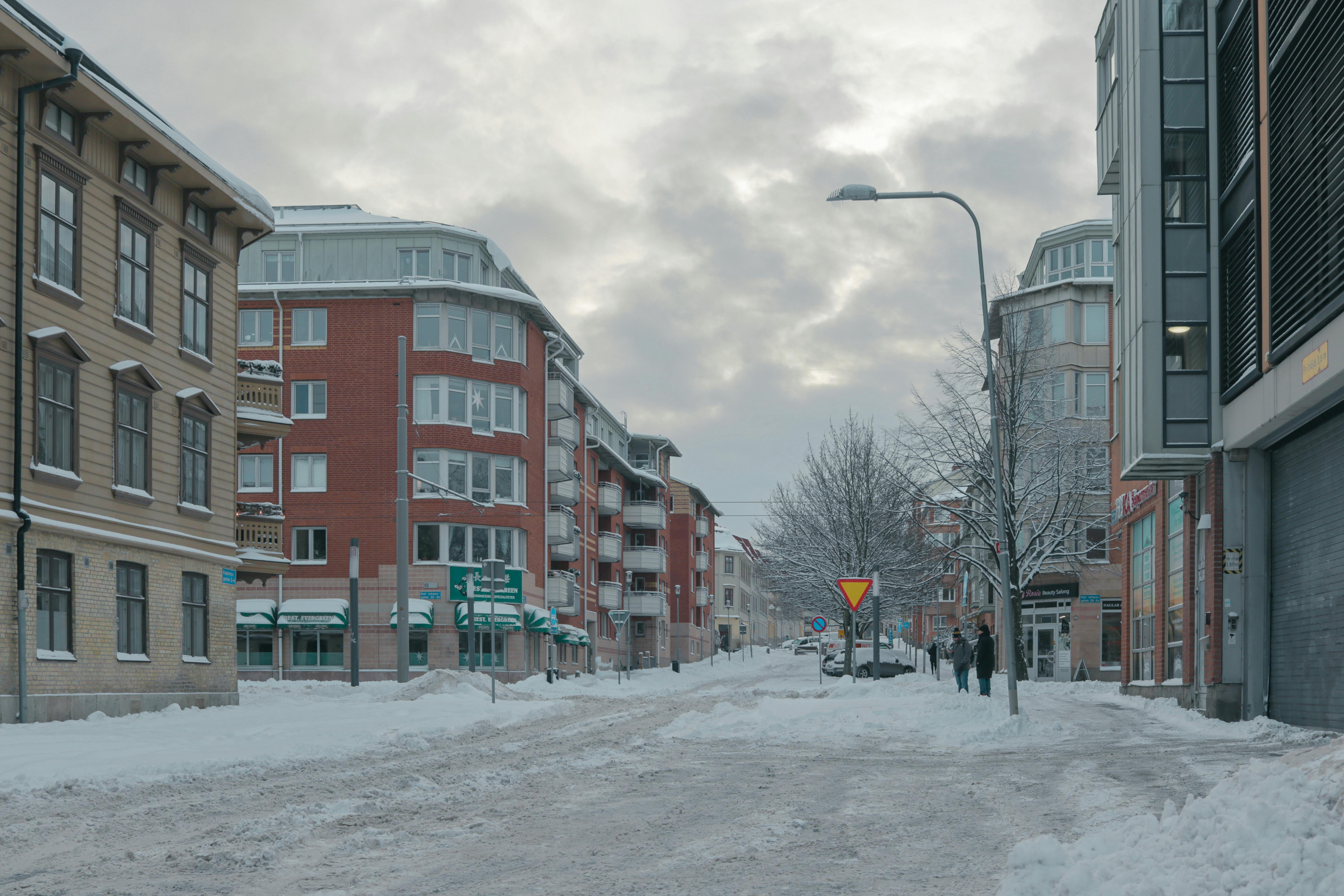
Göteborg, an Swedens west coast, was founded in 1621 and grew into the country’s great gateway to the North Sea. Its canals, shipyards, fish markets, and broad avenues still tell that maritime story, yet the city now feels youthful, inventive, and deeply attached to good food and public life.
One of Göteborg’s pleasures is scale: many major sights sit close together, so a short trip still feels full rather than rushed. You can move from cobbled Haga to modern waterfront districts, from cinnamon buns and coffee to oysters and natural wine, all in a single day.
For practical planning, expect efficient trams, walkable central neighborhoods, and a strong café culture that makes pauses part of the experience. March weather can be brisk and wet, so pack a rain layer and warm shoes; if you are arriving internationally or from elsewhere in Europe, compare flights via Omio, and for rail connections within Europe you can also check Omio trains.
Göteborg
Göteborg is one of Scandinavia’s most likable city breaks: handsome without being stiff, gastronomic without being pretentious, and lively after dark without demanding a huge budget. For a two-day stay, it rewards a simple formula: historic streets, a waterside perspective, excellent seafood, and one well-chosen night out.
The city is especially good for travelers who like variety. You can browse design shops in Haga, admire the monumental boulevard Kungsportsavenyn, take a boat through the southern archipelago atmosphere, and finish with cocktails or craft beer in neighborhoods that feel local rather than staged for visitors.
For accommodations, I would start with central areas such as Inom Vallgraven, Haga, Centralstationen, or Avenyn, which keep tram access and restaurants close at hand. Browse stays on VRBO in Göteborg or compare hotels on Hotels.com for Göteborg.
Where to stay:
- Haga: Best for cobbled streets, independent cafés, and a classic Göteborg feel.
- Inom Vallgraven: Ideal for first-time visitors who want walkable access to sights, shopping, and restaurants.
- Avenyn/Kungsportsavenyn: Good for nightlife, bars, and easy tram links.
- Near Centralstationen: Practical for train arrivals and short stays.
Day 1: Arrival, historic Göteborg, and a stylish night out
Morning: Since you arrive in the afternoon, use the morning as travel time. If you are flying in from another European city, Göteborg Landvetter Airport is about 25–30 minutes from the center by airport coach or taxi; compare routes on Omio flights. If arriving by train, Göteborg Centralstation places you right in the heart of the city, and European rail options can be checked on Omio trains.
Afternoon: After check-in, begin gently in Haga, one of Göteborg’s oldest districts, where wooden houses, stone lanes, and low-key boutiques create a softer, more intimate side of the city. It is tourist-friendly, yes, but still worth your time because it reveals the city’s older urban fabric and offers some of the best fika stops in town.
Afternoon: Start with coffee and something sweet at Café Husaren, famous for its giant cinnamon buns. The place is undeniably well known, but it earns the attention; if you want a more local-leaning alternative, try Da Matteo, a respected Göteborg coffee roaster with a more contemporary feel and excellent brewed coffee.
Afternoon: From Haga, walk uphill into Skansen Kronan, the 17th-century hilltop fort that offers broad views over the rooftops. It is not just a lookout; it also helps you understand why Göteborg was built as a fortified trading city, shaped by military caution and maritime ambition.
Afternoon: Continue toward the city center via Magasinsgatan, a corridor of fashion, cafés, and small food spots that shows off modern Göteborg. If you want a late lunch, book or queue for Strömmingsluckan if open for the day, beloved for Swedish herring and simple local dishes, or choose Saluhallen, the historic market hall, where you can graze between traders and counters serving seafood, Swedish specialties, and hearty lunches.
Afternoon: Inside or near Stora Saluhallen, look for classic Swedish lunch options and seafood-focused counters. This is a strong choice for a medium budget because you can sample quality local food without committing to a full tasting menu, and the market setting adds atmosphere without ceremony.
Evening: Spend the early evening along Kungsportsavenyn, the city’s grand boulevard, then drift toward Götaplatsen with its Poseidon statue and cultural landmarks. The avenue is broader and more theatrical than Haga, giving you that contrast between old Göteborg and its more metropolitan face.
Evening: For dinner, a very good fit for your interests is Sjömagasinet if you want a polished seafood experience by the water, known for shellfish, classic Swedish techniques, and a room that nods to Göteborg’s harbor identity. If you prefer something a little more accessible in price while still memorable, try Fiskekrogen, long respected for seafood towers, oysters, and fish cooked with confidence rather than gimmickry.
Evening: If you are craving a more contemporary foodie evening, Project is one of the city’s standout choices for modern cooking with careful sourcing and a tasting-menu sensibility. It is ideal if you want your short trip to include one ambitious meal that reflects Sweden’s current culinary scene rather than only the classics.
Evening: For nightlife, head to Tredje Långgatan and nearby streets in Linné, where the mood is more relaxed and local than formal Avenyn clubs. Try Bar Centro earlier if you want wine and conversation, then move to Pustervik for live music and a mixed crowd, or sample Göteborg’s beer culture at Ölrepubliken, a strong craft beer address with Scandinavian and international pours. If cocktails are more your speed, Drinks 20 offers a more polished bar experience without losing the city’s easygoing tone.
Day 2: Boat perspective, waterfront flavors, and departure
Morning: Begin with breakfast at Brogyllen if you want classic Swedish bakery comforts, or return to Da Matteo for stronger coffee and a lighter start. Order a pastry, open-faced sandwich, or yogurt and keep breakfast efficient, because this is the best morning to get onto the water.
Morning: For your boating experience, take a Paddan canal boat tour or, if schedules align and weather cooperates, use the city’s public ferry network for a practical mini-archipelago outing toward the southern harbor atmosphere. The Paddan route is especially good on a short stay because it stitches together canals, bridges, and harbor history in an hour or so, giving context to the city’s layout while satisfying the desire to see Göteborg from the water.
Morning: If you prefer a more expansive feel and have enough time before departure, head toward Saltholmen and take a short public boat journey into the southern archipelago system. Even a brief ride offers sea air, granite shorelines, and that distinct west-coast Swedish mood that many travelers miss when they stay only in the center.
Afternoon: Back on land, make your way to the waterfront around Stenpiren or Lilla Bommen, then visit the area around the Göteborg Opera and harbor edge. This part of town is less about old-world prettiness and more about understanding Göteborg as a working port city that has reinvented itself through culture, dining, and public space.
Afternoon: For lunch, book a table at Restaurang Tavolo if you want dramatic interiors and an energetic scene, or stay true to the coast with a seafood-focused meal near the center. Another smart option is Koka for refined Swedish cooking rooted in local ingredients; it is Michelin-recognized and a fine choice if your “foodie” interest matters as much as sightseeing.
Afternoon: If time allows before heading to the station or airport, visit Feskekörka, Göteborg’s iconic “Fish Church,” if operating hours align after its restoration and reopening cycle. Even when not treated as a full meal stop, it remains a symbolic place for understanding the city’s seafood obsession, and nearby areas are pleasant for a final stroll.
Afternoon: Before departure, pick up edible souvenirs such as Swedish chocolate, crispbread, or locally roasted coffee. If you want one last fika, choose a central café rather than eating at the terminal; Göteborg consistently does small breaks better than transit hubs do.
Evening: Use the late afternoon for departure. If you are continuing through Europe, compare onward rail routes on Omio trains, bus options on Omio buses, or ferry connections on Omio ferries where relevant; flights can be checked via Omio.
In two days, Göteborg offers exactly what a good city break should: enough history to ground the visit, enough flavor to make it memorable, and enough water around it to keep the whole experience feeling open and fresh. You will leave having seen the city from its streets and its harbor, and having tasted the west coast where Göteborg speaks most clearly.