
2 Perfect Days in Barcelona: Gaudí Icons, Gothic Alleys, and Tapas After Dark
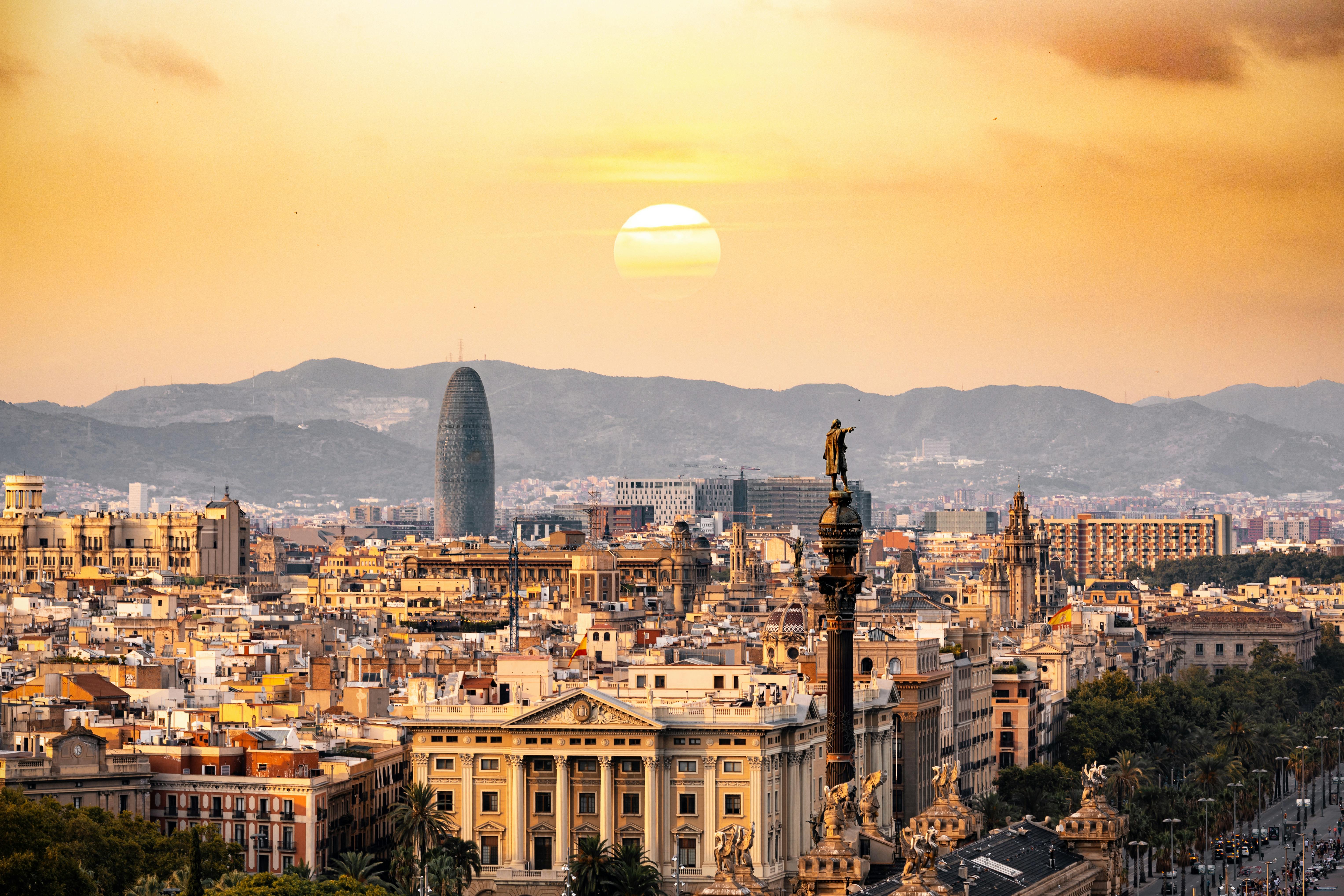
Few cities blend the ancient and the avant-garde like Barcelona. Born as a Roman settlement, the Catalan capital flourished under medieval guilds and later exploded with Modernisme—Gaudí’s audacious, nature-inspired architecture that still defines its skyline. Today, it’s a creative hub where design studios share streets with century-old bodegas.
Highlights come fast: the shimmering spires of the Sagrada Família, the mosaic dreamscape of Park Güell, the Gothic Quarter’s time-capsule alleys, and sunlit strolls along Barceloneta. Food is a sport here—think market-fresh seafood, vermouth on ice, and tapas that reward curiosity more than planning.
Practical notes: Barcelona is walkable, with an efficient metro. Reserve key sights (Sagrada & Park Güell) in advance. Keep valuables secure around La Rambla and on the metro; pickpockets target the distracted. Many shops close Sunday, but major sights and restaurants are open.
Barcelona
Barcelona is Catalonia’s seaside showpiece—Roman walls, Gothic spires, and Gaudí curves coexisting with beach life and late-night dining. Expect striking contrasts: modern design hotels beside family-run taverns, and cutting-edge galleries near traditional markets like La Boqueria and Santa Caterina.
Top draws include the Sagrada Família, Park Güell, Casa Batlló and La Pedrera (Casa Milà), the Gothic Cathedral, the modernist Palau de la Música, and the hill of Montjuïc with its castle and sweeping bay views. Food-wise, detour for seafood in Barceloneta, vermouth bars in Sant Antoni, and tapas temples across El Born and Eixample.
- Where to stay: Eixample for architecture and dining, El Born/Gothic for atmosphere and nightlife, Barceloneta for the beach.
- When to go: Spring and fall for mild weather and shorter lines; summer buzz comes with heat and crowds.
- Good to know: Dinner starts late—8:30–10:30 pm is normal. Book major restaurants and all Gaudí sites ahead.
Getting to Barcelona (BCN): Intra‑Europe flights are frequent; budget fares often run $40–$200 one way and flight times are ~1.5–3 hours from major hubs. From North America, look for nonstop and 1‑stop options (7–12 hours total). Search and book flights:
- Omio (flights to/from Europe)
- Trip.com (global flights, non‑Europe)
- Kiwi.com (global flights, non‑Europe)
Trains and buses to Barcelona: High‑speed trains from Madrid take ~2.5–3 hours; from Valencia ~3–3.5 hours; costs vary (~€30–€90). Book regional trains and buses:
Airport to city: Aerobús to Plaça Catalunya ~35 minutes (~€6.75–€7.25); RENFE R2 Nord to Sants ~20–25 minutes (~€4–€5); Metro L9 Sud connects to several lines (~45 minutes); taxis take 20–30 minutes (~€30–€40).
Where to book your stay:
- Hotel Arts Barcelona — waterfront contemporary icon with Mediterranean views and a stellar pool deck.
- H10 Marina Barcelona — good value near the beach and Port Olímpic; rooftop pool for sunset.
- Hilton Diagonal Mar Barcelona — near shopping and beaches; large rooms and seasonal pool club.
- Novotel Barcelona City — family‑friendly, rooftop terrace facing Torre Glòries.
- Hostal Grau Barcelona — eco‑chic boutique steps from La Rambla but on a quieter street.
- Generator Barcelona — stylish hostel/hotel hybrid in Gràcia/Eixample, great for social travelers.
Day 1: Gothic Quarter, El Born, and Tapas Night
Morning: Travel to Barcelona. If you land early, fuel up like a local at Granja M. Viader (since 1870) with a suizo (thick hot chocolate topped with whipped cream) and xuixos, then stroll La Rambla just long enough to duck into La Boqueria for fruit juices. For specialty coffee, head to Nømad Coffee Lab & Shop near the Born—light roasts and expert baristas.
Afternoon: Check in, then unpack Barcelona’s oldest quarters on a guided walk. Explore Roman walls, Plaça del Rei, the Cathedral cloister’s resident geese, and the artisans of El Born. Join this excellent city kick‑off:
Ramblas, Old Town, Gothic and Gaudi Architecture Walking Tour — a compact primer on history and Modernisme.

Pause for a late lunch in El Born: Bar del Pla (anchovy toast, oxtail ravioli, superb Catalan wines), Tapeo (crispy oxtail with foie gras, artichokes), or Cal Pep (counter‑style seafood—arrive early). Sweet stop: La Colmena for honey cakes or Hoffman Pastisseria for famed mascarpone croissants.
Evening: Make it a tapas-and-wine crawl or let a local lead the way on this small‑group favorite:
Barcelona Tapas and Wine Experience Small-Group Walking Tour — four bars, regional wines, and context that turns bites into stories.
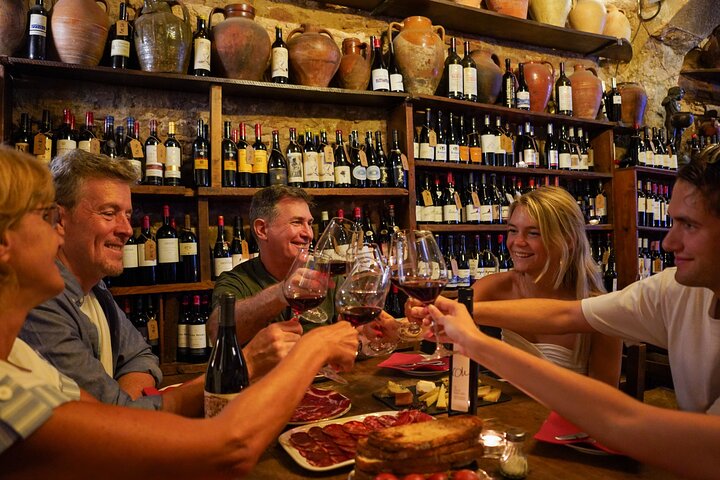
If going self‑guided, try this route: El Xampanyet (house cava, boquerones), Quimet & Quimet (montaditos piled with smoked seafood and truffled honey), and Cerveseria Catalana or Ciudad Condal in Eixample (fast‑moving, wide tapas selection). Nightcap at Paradiso (speakeasy‑style cocktails behind a deli fridge) or Dr. Stravinsky (house‑made bitters and elegant serves).
Day 2: Park Güell, Sagrada Família, and Montjuïc Views
Morning: Start in Gràcia with Forn Baluard (seeded loaves, buttery ensaïmadas) or grab flat whites at Satan’s Coffee Corner. Head to Park Güell right when it opens for gentle light over trencadís mosaics and skyline views. Skip the lines and get expert context with:
Park Guell Guided Tour with Skip the Line Ticket — plan ~75–90 minutes; morning slots are best.

Optional late‑morning wander through Gràcia’s squares (Plaça del Sol, Plaça de la Vila) for a vermouth at a corner bodega.
Afternoon: Dive into Gaudí’s unfinished masterpiece with timed, skip‑the‑line entry. The nave’s “stone forest” and stained glass are most luminous mid‑day. Choose one of these highly rated guided options (both include priority entry):
Barcelona: Sagrada Familia Skip-the-Line Guided Tour and Tickets — comprehensive overview and museum access.

Afterwards, take the metro to Paral·lel and float above the city to Montjuïc:
Montjuïc Cable Car Roundtrip Tickets — a relaxed way to see the harbor, Olympic Ring, and castle; allow ~60–90 minutes including photo stops.

If you have extra time before departure, the Museum of Catalan Art (MNAC) terrace offers one of the city’s finest panoramas, and the gardens around the Olympic Stadium are peaceful.
Evening: Farewell flavors by the sea or in Eixample. In Barceloneta, Can Solé (since 1903) serves excellent paella Parellada and suquet de peix; Xiringuito Escribà is beloved for thin, socarrat‑rich paellas and beach vibes. In Eixample, share tapas at La Flauta (griddled “flautes,” sautéed mushrooms with jamón) or return to Cerveseria Catalana for classics done right. Dessert: churros con chocolate at Granja Dulcinea or creamy gelato at Gelaaati Di Marco.
Flying out this afternoon? Grab a quick lunch at Mercat de Santa Caterina (look for Bar Joan’s daily plates) before heading to BCN. If you’re staying another night, consider a flamenco show at Tablao de Carmen in Poble Espanyol and a quiet post‑show stroll.
Optional Swaps if You Have Extra Time
- Casa Batlló or La Pedrera (Casa Milà): Dive deeper into Modernisme along Passeig de Gràcia.
- Beach time: Walk or bike the seafront from Barceloneta to Poblenou boardwalks.
- Hands-on craft: A creative break between sights: Pottery Workshop and Wine – Barcelona for a local studio experience.

Local tips: Book Sagrada and Park Güell a week or more ahead in peak season. Carry a contactless card for quick metro access. For lunch menus del día (weekday set menus), look in Eixample and Sant Antoni—great value and local vibe.
In two days, you’ll trace Barcelona from Roman stones to Gaudí’s soaring imagination, then toast the city with vermouth and sea‑fresh tapas. It’s a compact itinerary that balances icons with neighborhood flavor—just enough to make you promise yourself a longer return. Bon viatge!