
2 Days in Varanasi: Ghats, Ganga Aarti, Sarnath & the Soul of Uttar Pradesh
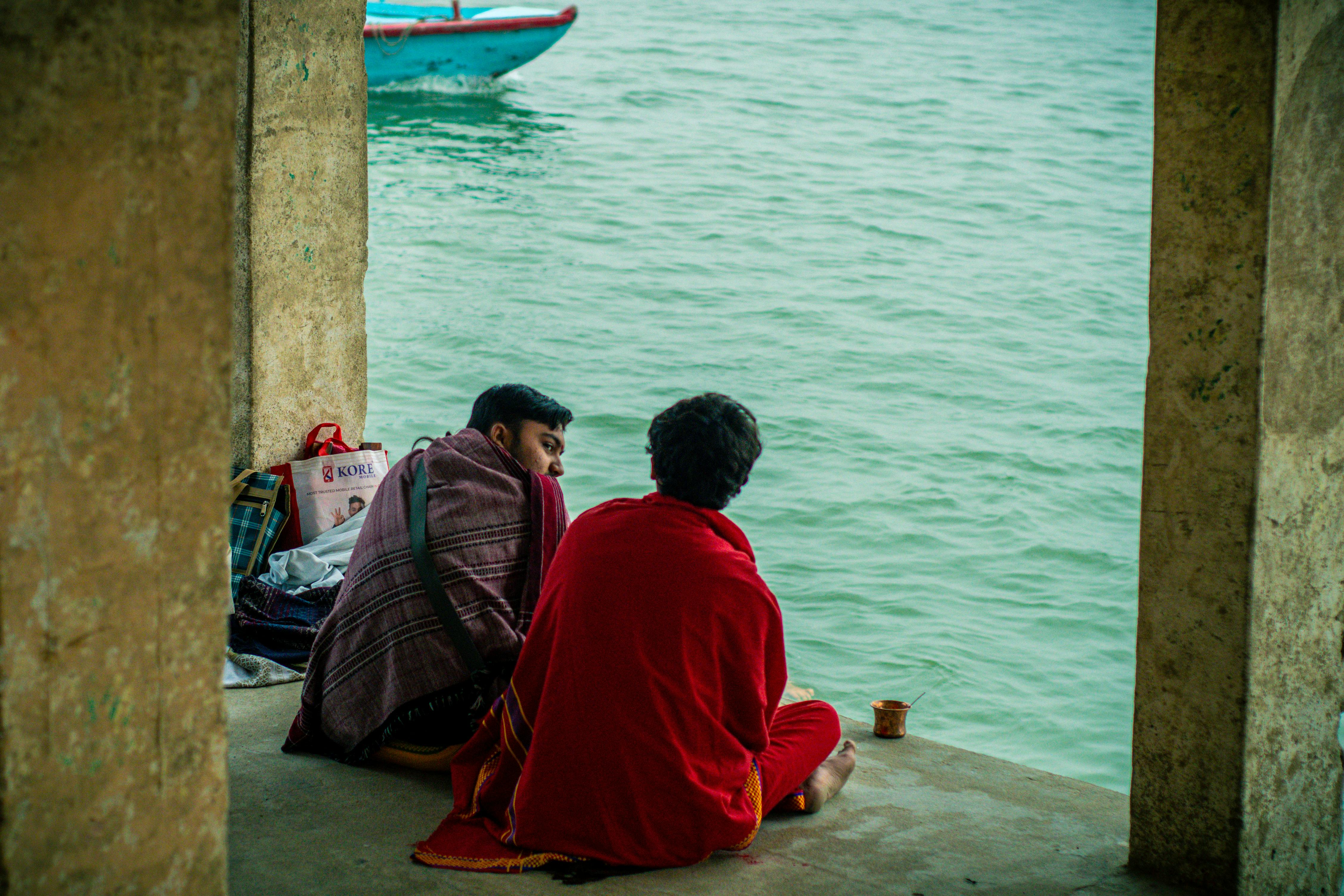
Varanasi is one of the world’s oldest continuously inhabited cities, a place where daily life unfolds beside funeral pyres, temple chants, wrestling akharas, silk workshops, and the slow current of the Ganges. Known variously as Kashi and Banaras, it has drawn pilgrims, philosophers, musicians, and poets for centuries, and even a short stay reveals why this riverside city occupies such a singular place in India’s spiritual imagination.
Its great drama is public and immediate: dawn boats sliding past stone ghats, evening lamps circling in the Ganga Aarti, saffron-clad priests, buffalo in the lanes, and the aroma of kachori, chai, sandalwood, and marigolds. Varanasi is also a city of remarkable layers, where sacred geography, Buddhist history in nearby Sarnath, and Banarasi silk traditions all sit within a compact, intensely walkable urban world.
For practical planning, expect traffic congestion away from the ghats and narrow pedestrian-only lanes in the old city, so build in extra time and wear easy walking shoes. Dress modestly for temples and ritual areas, use bottled or filtered water, and remember that the ghats are living religious spaces rather than open-air museums; respectful observation goes a long way here, especially around Manikarnika Ghat, where cremations take place.
Varanasi
Varanasi is not a city you simply “see”; it is a city you absorb through sound, ritual, and rhythm. The appeal lies as much in watching life on the ghats at sunrise as in visiting major sights such as Kashi Vishwanath Temple, Dashashwamedh Ghat, Assi Ghat, Sarnath, and the Banaras Hindu University area.
Food is part of the destination’s identity. This is the home of crisp kachori sabzi breakfasts, thick lassi served in earthen cups, tomato chaat with a Banarasi flourish, malaiyyo in season, and paan that is practically civic heritage.
For your arrival into Varanasi, compare flights on Trip.com flights or Kiwi.com. If you are arriving overland from another Indian city, rail options can be searched via Trip.com trains; from Lal Bahadur Shastri International Airport to the ghats area, expect roughly 45 minutes to 1.5 hours by car depending on traffic, while major rail stations are often 20 to 40 minutes from riverside hotels.
Where to stay in Varanasi:
- BrijRama Palace, Varanasi — the standout heritage splurge right on Darbhanga Ghat, ideal if you want river views, old-world interiors, and immediate access to boat rides and evening rituals.
- Taj Ganges, Varanasi — a polished, comfortable base in Cantonment with gardens and easier car access, especially convenient for travelers who prefer calmer nights than the old city provides.
- Hotel Surya, Kaiser Palace — a characterful mid-range option in a historic building, often favored by travelers who want charm without the premium price of the top heritage properties.
- Stops Hostel Varanasi — social, budget-friendly, and useful for solo travelers keen on meeting others and arranging local walks or boat outings.
- Zostel Varanasi — another strong hostel choice, popular for backpackers who want a reliable, community-oriented stay.
- Browse broader options on VRBO Varanasi or Hotels.com Varanasi.
Food and drink notes before you begin:
- Kashi Chat Bhandar is one of the city’s classic stops for chaat; the tomato chaat is particularly worth seeking out because Varanasi gives this North Indian staple a richer, spiced, almost stew-like personality.
- Blue Lassi Shop remains a favorite for fruit lassis and thick yogurt drinks served in clay cups, with walls plastered in traveler notes that add to the sense of ritual pilgrimage-by-snack.
- Ram Bhandar near Thatheri Bazaar is a traditional breakfast name for kachori sabzi and jalebi, the kind of meal that explains why locals start early and eat decisively.
- Pizzeria Vaatika Cafe on Assi Ghat is a long-running traveler favorite for a relaxed meal with a river outlook; despite the name, many come as much for the setting and pause in pace as for the food.
- Brown Bread Bakery is useful for coffee, baked goods, and a lighter break from richer local meals, especially if you need a calm midday reset in the old city zone.
- Baati Chokha is a dependable place to try rustic regional flavors from the wider Uttar Pradesh and Bihar belt, especially if you want a sit-down dinner beyond snacks and street food.
Day 1: Arrival, Old Varanasi, Boat Ride & Ganga Aarti
Morning: This is your arrival day, so no formal sightseeing is planned for the morning. If you land early enough for an unhurried start, have your driver take you straight to your hotel, freshen up, and keep your first meal simple and local so you ease into the city rather than rush it.
Afternoon: After checking in, begin with the old city and the ghats, the most immediate introduction to Varanasi’s atmosphere. If you are staying near the river, walk down to Dashashwamedh Ghat and continue on foot through the surrounding lanes, where shrines, silk shops, flower sellers, and tiny sweet shops are packed into an urban maze that has evolved over centuries rather than by modern planning.
Afternoon: For lunch, choose Kashi Chat Bhandar if you want a proper Banarasi snack experience; its tomato chaat and crispy palak chaat are famous for good reason, balancing sweet, tangy, spicy, and buttery notes in one compact plate. If you would prefer something gentler after travel, Brown Bread Bakery offers sandwiches, pastries, coffee, and a calmer sit-down setting.
Afternoon: If lines and security conditions permit and you are comfortable with temple crowds, arrange a guided visit toward the Kashi Vishwanath Temple corridor area. Non-Hindus may have limited access to the temple itself depending on current rules and security protocols, but the surrounding precinct is still worth experiencing for its intensity, devotional energy, and proximity to some of the city’s most important ghats.
Evening: Before sunset, take a boat ride on the Ganges, ideally launching from near Assi Ghat or Dashashwamedh Ghat depending on where your guide or hotel recommends. This is the single best orientation to Varanasi: from the water, the stacked palaces, bathing steps, priests, and pilgrims read like a living amphitheater, and the changing light softens the city into something almost theatrical.
Evening: Stay on or near Dashashwamedh Ghat for the Ganga Aarti, the choreographed evening ritual of lamps, incense, bells, and chanting offered to the river. It is devotional rather than performative at heart, and while it draws large crowds, seeing it at least once is essential because it concentrates the city’s sacred identity into a single sensory event.
Evening: For dinner, Baati Chokha is an excellent choice if you want something rooted in regional foodways rather than generic hotel dining; the roasted wheat baati, chokha, and earthy flavors make a satisfying contrast to the snack-heavy street-food side of Varanasi. If you are staying near the ghats and want a slower end to the day, Pizzeria Vaatika Cafe offers a quieter riverside mood, especially pleasant if you sit back and watch the evening drift over Assi.
Evening: If you still have energy, finish with a small Banarasi classic: a stop for paan from a reputable local vendor recommended by your hotel or guide. Even travelers who do not usually seek betel leaf specialties often enjoy trying the sweet version here, because in Varanasi it is less a novelty than a long-standing social custom.
Day 2: Sunrise on the Ganges, Sarnath, BHU & Farewell Lunch
Morning: Rise before dawn for a sunrise boat ride, the hour when Varanasi is most haunting and most beautiful. Morning light on the ghats reveals bathers, students, priests, laundry workers, and devotional singers beginning their day, and the softer crowds make this the best time to observe the city respectfully, especially from the river.
Morning: After the boat, go for a traditional breakfast at Ram Bhandar, where the kachori sabzi is a local benchmark and the jalebi brings exactly the right sweetness after an early wake-up. If you prefer a slower, café-style start, have coffee and something light at Brown Bread Bakery, but if this is your only full morning in town, the kachori route is the more memorable one.
Morning: Next, drive about 30 to 45 minutes to Sarnath, one of Buddhism’s most important pilgrimage sites, where the Buddha is believed to have delivered his first sermon after attaining enlightenment in Bodh Gaya. The key sights are the Dhamek Stupa, the archaeological ruins of ancient monasteries, and the Sarnath Archaeological Museum, whose collections give much-needed historical context to what can otherwise seem like serene but fragmentary stone remains.
Afternoon: Return toward Varanasi for a visit to the Banaras Hindu University area, one of the city’s most significant modern institutions and a reminder that Varanasi is not only ancient but intellectually alive. Within or near the campus zone, the New Vishwanath Temple is worth a brief stop for its spacious marble architecture and calmer atmosphere, especially after the tighter, denser old-city temple lanes.
Afternoon: For lunch before departure, consider Pizzeria Vaatika Cafe if you want one last river-facing meal, or Baati Chokha if you missed it on the first night and want a hearty regional lunch. If your timing is tight and you are heading straight to the airport or station, ask your hotel to pack snacks, but try not to leave Varanasi without one more glass of lassi from Blue Lassi Shop; it is touristy, yes, but still deeply tied to the city’s edible identity.
Evening: As this is your departure day, plan to leave for the airport or railway station in the afternoon with a generous buffer for traffic. If flying out, use Trip.com flights or Kiwi.com for fare comparisons; if continuing by train, check Trip.com trains. A taxi to the airport generally takes 45 to 90 minutes depending on departure hour, while station transfers are shorter but can still be delayed by city traffic.
In two days, Varanasi gives you not a checklist but an atmosphere: sunrise smoke over the Ganges, crowded lanes full of shrines and sweets, the solemnity of ritual, and the surprising calm of Sarnath. It is an intense, beautiful short break, and this itinerary is designed to let you experience the city’s spiritual heart, culinary character, and historical depth without trying to force too much into too little time.