
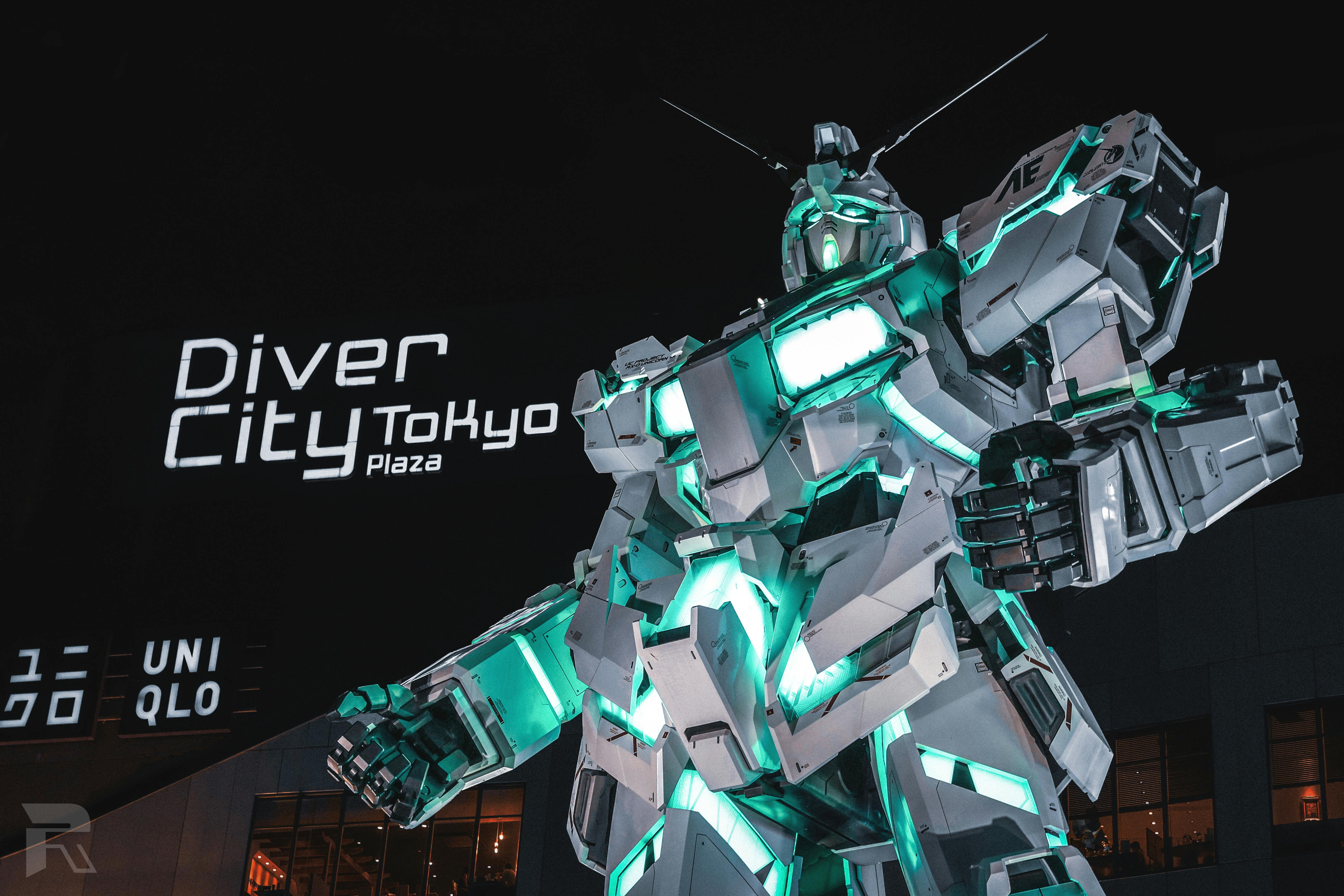
Tokyo began as the fishing village of Edo before becoming the seat of the Tokugawa shogunate in the early 17th century, then Japan’s imperial capital in 1868. That layered past still defines the city: wooden temple precincts survive within reach of glass towers, and centuries-old food traditions sit beside vending-machine futurism.
For a first-time short stay, Tokyo rewards focus more than breadth. In just 2 days, it is better to experience a few districts properly than to race across the metropolis, and this itinerary is built around that principle.
Practical notes matter here. Tokyo is remarkably safe, trains are punctual, cashless payment is common though not universal, and March weather is usually cool and comfortable for walking; bring layers, comfortable shoes, and reserve popular attractions and restaurants in advance where possible.
Tokyo
Tokyo is not one city in spirit but many. Asakusa preserves an older merchant-world atmosphere, Shibuya delivers kinetic modern energy, and Shinjuku swings from skyscraper precision to lantern-lit alleyways in a matter of blocks.
It is also one of the world’s great food capitals. You can begin the day with a kissaten-style coffee and thick toast, lunch on perfect tempura or ramen, and end with yakitori, sushi, or an izakaya meal where small plates and conversation are the point.
For a 2-day trip, staying near a major rail hub saves both time and energy. Good Tokyo options include Hotel Gracery Shinjuku for a lively Shinjuku base, Hotel Sunroute Plaza Shinjuku for excellent transport access, and Keio Plaza Hotel Tokyo for a full-service stay in West Shinjuku. You can also browse broader options via VRBO Tokyo and Hotels.com Tokyo.
For flights into Tokyo, use Trip.com flights or Kiwi.com flights. If you plan rail transfers within Japan during a longer trip, Trip.com trains is the most relevant option here.
Excellent bookable experiences for a short Tokyo stay include 1-Day Tokyo Bus Tour, Tokyo: Shinjuku Food Tour (13 Dishes at 4 Local Eateries), Tokyo Shinjuku Sumo Show & Experience with Photo, and Mt Fuji and Hakone 1-Day Bus Tour Return by Bullet Train if you prefer a full excursion over city sightseeing.


Day 1 – Arrival, Asakusa, and Tokyo at Night
Morning: This is your travel day, so keep the morning light and transit-focused before your flight. If you have not yet booked transport, compare options on Trip.com flights and Kiwi.com flights. Aim to land in Tokyo in the afternoon as planned, then take airport rail or limousine bus into the city; from Haneda to central Tokyo, allow roughly 30 to 45 minutes, and from Narita roughly 60 to 90 minutes, with costs generally around $4 to $25 depending on route and airport.
Afternoon: After check-in, head to Asakusa for the most graceful possible introduction to Tokyo. Start at Kaminarimon Gate and walk Nakamise-dori, the traditional shopping street lined with snack stalls and souvenir shops leading to Senso-ji, Tokyo’s oldest temple, founded in the 7th century; the smell of incense, the lanterns, and the steady human procession give the district a ceremonial rhythm that makes a strong first impression.
For a late lunch, choose one of Asakusa’s classics. Daikokuya is a famous old-school tempura house known for its deeply flavored sesame-oil batter and sauce-stained tendon bowls; it is not delicate in style, which is precisely why many people love it. If you want soba, Namiki Yabusoba is one of Tokyo’s storied buckwheat noodle shops, with a compact menu and a distinctly Edo-style dipping broth that is darker and stronger than what many first-timers expect.
If you would rather orient yourself with a guided overview instead of exploring solo, the 1-Day Tokyo Bus Tour is a useful way to hit major landmarks efficiently, though for this short itinerary I would only choose it if you strongly prefer structure over wandering.
Evening: Move on to Shibuya in the early evening, when the district is at its best: all velocity, light, sound, and choreography. Shibuya Crossing is not merely a big intersection but one of the defining urban spectacles of modern Japan, a symbol of Tokyo’s confidence and density, and seeing it from street level and then again from an elevated viewpoint gives you two entirely different experiences of the same place.
Before dinner, stop for coffee or a light reset at About Life Coffee Brewers in the Shibuya area, which is well regarded for careful espresso and a modern local feel. If you want something sweeter and more old-fashioned, a department-store basement food hall nearby is worth a browse for pastries, fruit sandos, and beautifully packed seasonal desserts.
For dinner, I recommend an izakaya evening in Shibuya or nearby Shinjuku. An izakaya is Japan’s answer to the pub, but with better food and more nuance: grilled skewers, sashimi, simmered vegetables, fried bites, beer, highballs, and sake shared in stages. If you want the meal planned for you, book the Tokyo: Shinjuku Food Tour (13 Dishes at 4 Local Eateries), which is especially good for first-timers who want context as well as dinner.
If you still have energy, finish in Shinjuku. Omoide Yokocho’s narrow lanes preserve a postwar atmosphere of tiny grills and smoky counters, while Kabukicho is the district’s louder, brighter theatrical face. For a more curated cultural night, the Tokyo Shinjuku Sumo Show & Experience with Photo offers an accessible introduction to sumo in a lively entertainment format.
Day 2 – Meiji Shrine, Harajuku, Shinjuku, and Departure
Morning: Begin early at Meiji Shrine, a forested Shinto sanctuary dedicated to Emperor Meiji and Empress Shoken. It is one of the most effective contrasts in Tokyo: a brief walk from major rail lines, yet suddenly hushed, gravelly, and shaded beneath towering trees, with giant sake barrels and cypress architecture giving the site both grandeur and restraint.
For breakfast, head toward Harajuku or Omotesando. BREAD, ESPRESSO & is a fine choice for thick toast and strong coffee, with a crowd of locals and visitors that usually signals reliability rather than hype. If you want a more polished café morning, the Omotesando area is full of refined coffee bars and bakeries, though even a simple convenience-store breakfast in Japan can be surprisingly good.
After breakfast, stroll Takeshita Street briefly for its pop-fashion spectacle, then pivot fast to the quieter backstreets of Omotesando. This shift is part of Tokyo’s pleasure: one block gives you youth-culture theater, the next contemporary architecture, fashion flagships, and calmer lanes that feel almost residential.
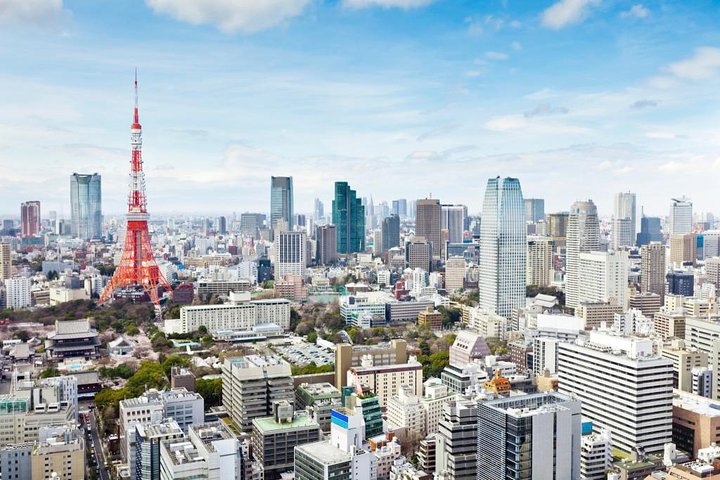
Afternoon: Make your way to Shinjuku for your final major district. The Tokyo Metropolitan Government Building observation deck is free and, on clear days, delivers broad views across the urban plain, sometimes all the way to Mount Fuji; for a short trip, it is one of the best-value skyline stops in the city.
Lunch in Shinjuku should be deliberate. For ramen, Fuunji remains a favorite for tsukemen, the dipping-noodle style in which concentrated broth and thicker noodles create a richer, more satisfying meal than standard soup ramen. If you prefer tonkatsu, Saboten branches are dependable, but if time allows, seek a specialist with fresh cabbage, crisp breading, and properly juicy pork rather than treating this as a generic fried cutlet stop.
If you want a guided final sweep through Tokyo’s highlights instead of district-hopping on your own, a customizable option like Tokyo 6hr Private Tour with Government-Licensed Guide or Tokyo Customized Private Tour (Must See Places in 1 Day) can be a very smart use of limited time.

Evening: Because departure is in the afternoon on the last day, keep this section focused on your airport transfer window and a final meal if timing permits before leaving central Tokyo. If you have enough time for an early lunch or substantial snack before heading out, department-store depachika food halls near Shinjuku Station are ideal for boxed sushi, grilled fish, sandwiches, seasonal sweets, and gifts that are far better than typical airport fallback food.
Leave generous time for the airport journey. For Haneda, allow about 45 to 60 minutes door to terminal from central Tokyo; for Narita, think 90 minutes or more. If you are planning onward Japan travel in the future rather than departing internationally, consider bookmarking Trip.com trains for shinkansen bookings and Trip.com flights for domestic air routes.
This 2-day Tokyo itinerary gives you an intelligent first taste of the city rather than a frantic checklist. You will leave having seen temple Tokyo, fashion Tokyo, skyline Tokyo, and food Tokyo, which is exactly enough to understand why the city deserves a return visit.