
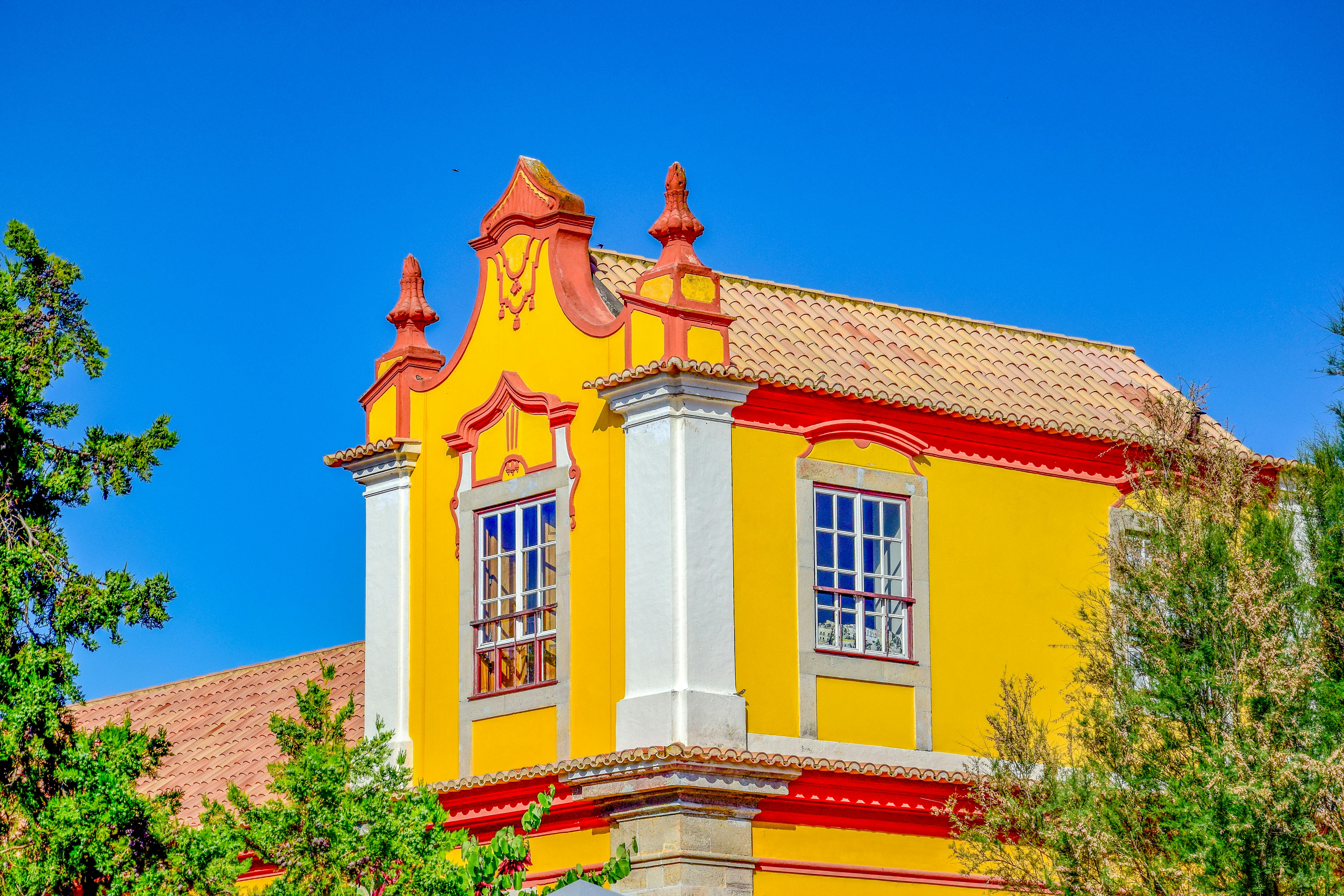
The eastern Algarve rewards travelers who prefer whitewashed streets, salt-scented breezes, and places that still feel deeply local. Tavira and Faro are two of southern Portugal’s most rewarding small-city breaks: one graceful and river-laced, the other a historic gateway to the Ria Formosa lagoon and the wider Algarve coast.
Tavira’s story stretches from Phoenician and Roman roots to its long Moorish chapter, traces of which still linger in its urban layout and hilltop castle. Faro, now best known for its airport, was once a fortified regional capital and remains one of the Algarve’s most historically layered cities, with a handsome old town enclosed by walls and opening toward marshes, islands, and migratory bird routes.
For practical planning, this 2-day Algarve itinerary assumes an afternoon arrival on Day 1 and an afternoon departure on Day 2. Distances are short, the regional train between Tavira and Faro is simple and scenic, seafood is excellent year-round, and spring through early autumn is especially good for combining old town walks with boat trips, island beaches, and long outdoor meals.
Tavira
Tavira is often called one of the prettiest towns in the Algarve, and the praise is deserved. The Gilão River slips through the center, tiled facades catch the changing light, and church towers rise above a maze of calm streets that feel a world away from the louder resort towns farther west.
This is a place for slow pleasures: crossing the old bridge at dusk, lingering over octopus rice, climbing to castle gardens for a rooftop view, and taking a short boat or ferry ride toward the sandy barrier islands. It suits travelers who want atmosphere, history, and food rather than a checklist sprint.
Where to stay: Browse VRBO stays in Tavira for apartments in the historic center or villas just outside town, or compare hotels via Hotels.com in Tavira.
Getting here: If you are flying into the Algarve, search routes through Omio flights. From Faro Airport to Tavira, expect roughly 35-45 minutes by car or about 50-75 minutes by public transport depending on connections; private transfers and taxis cost more, while train-plus-transfer options are usually the most economical.
Special activity in Tavira: The Tavira: Guided Table Olives Factory Tour & Tasting Experience is an unusual, genuinely regional excursion that goes beyond postcard scenery. It is especially appealing if you enjoy food culture and want something hands-on, specific, and rooted in eastern Algarve agriculture.

Where to eat and drink in Tavira:
- Breakfast / coffee: Pastelaria Tavirense is a reliable first stop for espresso, fresh orange juice, and Portuguese pastries. If you want a classic local start, order a galão and a pastel de nata, then watch the town wake up.
- Lunch: Come na Gaveta is a smart pick for petiscos and modern Portuguese small plates in the center. It works well for a lighter midday meal and offers more personality than a generic café stop.
- Dinner: A Ver Tavira is one of the town’s standout tables for a more polished evening, with views and refined Algarve flavors. For something more traditional, Restaurante Brisa do Rio is a dependable choice for grilled fish and rice dishes in a relaxed setting.
- Seafood note: In Tavira, look for octopus dishes linked to nearby Santa Luzia, often called the octopus capital of the Algarve. Octopus salad, grilled octopus, and arroz de polvo are all worth prioritizing.
Day 1 - Arrival in Tavira
Morning: This is your travel morning, so keep the agenda intentionally light. If you are still arranging transport into the Algarve, compare arrival options with Omio flights and onward rail connections with Omio trains.
Afternoon: Arrive in Tavira and check into your accommodation. Begin with an easy orientation walk: cross the Roman-style bridge over the Gilão River, wander Praça da República, then climb toward the Castelo de Tavira gardens, where the palms, fragments of old walls, and tiled roofs give you the kind of first view that makes a short trip feel immediately worthwhile.
Continue to Igreja da Misericórdia if time allows, one of Tavira’s most notable churches, admired for its Renaissance portal and blue-and-white azulejo tile panels. This compact historic center is ideal on arrival day because nearly everything is close together, gentle to explore on foot, and visually rich without being exhausting.
For a late lunch or substantial snack, sit down at Come na Gaveta for petiscos, local wine, and a more contemporary take on Algarve flavors. If you prefer something simpler, choose a riverfront café for tuna pâté, cheese, olives, and a glass of vinho verde while the afternoon heat eases.
Evening: As the light softens, stroll along the river and through the quieter lanes around the old convents and churches. Tavira is especially good at dusk, when the facades glow honey-colored and the town seems to slow down even further.
Book dinner at A Ver Tavira if you want a memorable first night with a polished menu and broad views, or choose Brisa do Rio for a more classic local meal focused on fish and rice. Order Algarve wines and, if available, octopus or cuttlefish dishes; this is exactly the region to lean into the sea.
After dinner, end with a final walk to the bridge and waterfront rather than seeking a busy nightlife district. Tavira’s appeal is quieter: conversation, warm air, and the sense that you have discovered a place that has kept its own rhythm.
Faro
Faro is too often treated as an arrival point instead of a destination, which is a mistake. Behind the airport logistics lies a city of stone gates, cathedral views, stork nests, low-key restaurants, and direct access to one of Portugal’s most important coastal ecosystems, the Ria Formosa Natural Park.
The old town, or Cidade Velha, sits within ancient walls and opens onto squares and shaded lanes that feel measured and dignified rather than flashy. Beyond it lies a modern, lived-in city with markets, marina promenades, boat departures, and some of the Algarve’s best opportunities for birdlife, island-hopping, and seafood dining.
Where to stay: If your departure timing makes an overnight in Faro useful, compare VRBO stays in Faro and Hotels.com in Faro. Staying near the marina or inside/near the old town makes sightseeing and airport transfers particularly easy.
Travel from Tavira to Faro: The regional train is the simplest option; search schedules via Omio trains. Journey time is usually about 35-45 minutes, and fares are generally inexpensive, often under €10, making this one of the easiest city-to-city hops in Portugal.
Recommended Faro activities: If you want a nature-focused half day, the Ria Formosa Natural Park and Islands Boat Cruise from Faro is an excellent fit for a short stay. If you prefer a quick city overview, the Faro City Tour on Electric Tuk tuks is a clever time-saver. Food-minded travelers should also note the Portuguese Wine Tasting& Tapas in the heart of Faro.


Where to eat and drink in Faro:
- Breakfast / coffee: Chelsea Coffee & Brunch is popular for specialty coffee and a fuller breakfast if you want something beyond the standard pastry stop. For a more traditional Portuguese start, use a neighborhood pastelaria near the marina for toast, coffee, and pastries at local pace.
- Lunch: O Chalavar is a strong seafood choice, especially if you want straightforward Algarve cooking rather than a performative tourist menu. Another good option is À do Pinto, known for traditional plates and an old-school feel.
- Dinner: Vila Adentro, inside the old town, is ideal for a longer evening meal in a historic setting, while Faz Gostos offers a more inventive kitchen for travelers who want modern Portuguese cooking. Both give you a stronger sense of Faro as a serious dining city, not merely an airport stop.
- Drinks: Columbus Cocktail & Wine Bar is a fine final stop for a polished drink in the center. If you prefer wine over cocktails, ask for Algarve regional pours to stay anchored in the place you are visiting.
Day 2 - Faro old town, Ria Formosa, and departure
Morning: Leave Tavira after breakfast and take the short regional train to Faro; check times on Omio trains. Once in Faro, drop bags if needed and head straight into Cidade Velha through the Arco da Vila, one of the city’s most memorable gateways, where neoclassical and older Moorish-influenced layers meet in a single frame.
Spend the rest of the morning exploring Faro Cathedral, its square, and the old town walls. Climb the cathedral tower if open: the view over rooftops, salt marshes, and the Ria Formosa makes the geography of Faro instantly clear and explains why this city mattered for trade, defense, and religion.
If you would like a compact guided overview rather than walking independently, the Faro City Tour on Electric Tuk tuks is a smart short-stay option. It is particularly useful if you want context on monuments and neighborhoods without spending most of your final day navigating.
Afternoon: For your final hours, choose one of two strong directions depending on departure timing. If you have several hours free, take the Ria Formosa Natural Park and Islands Boat Cruise from Faro, which introduces the lagoon channels, bird habitat, and island life that make this part of the Algarve so distinctive. It is the ideal counterpoint to the architectural pleasures of Tavira and Faro’s old town.
If your departure window is tighter, stay in the city center and have lunch at O Chalavar or À do Pinto. Order grilled fish, clams, or cataplana-style seafood if available; these dishes show the Algarve at its most persuasive, combining sea produce, garlic, herbs, and a style of cooking that is generous without being heavy.
Travelers with a strong interest in local gastronomy may prefer the Portuguese Wine Tasting& Tapas in the heart of Faro. It is a particularly good fit for a short itinerary because it folds tasting, storytelling, and neighborhood exploration into one efficient experience.
Evening: As this itinerary assumes an afternoon departure, your evening is reserved for onward travel. For airport or rail connections, allow extra time in warmer months and on weekends, when Algarve transit can be busier than the map suggests.
If you do end up with a little extra time before leaving, take one last marina walk and buy a few edible souvenirs such as flor de sal, olive products, or regional preserves. It is a modest, fitting farewell to an Algarve trip built not on rushing, but on noticing.
In just 2 days, Tavira and Faro offer a remarkably complete Algarve escape: riverfront beauty, fortified old quarters, excellent seafood, and the shifting light of the Ria Formosa. This short Portugal itinerary works best when you resist overpacking it and let the towns reveal themselves through walks, meals, and the easy rhythm of southern Portugal.