
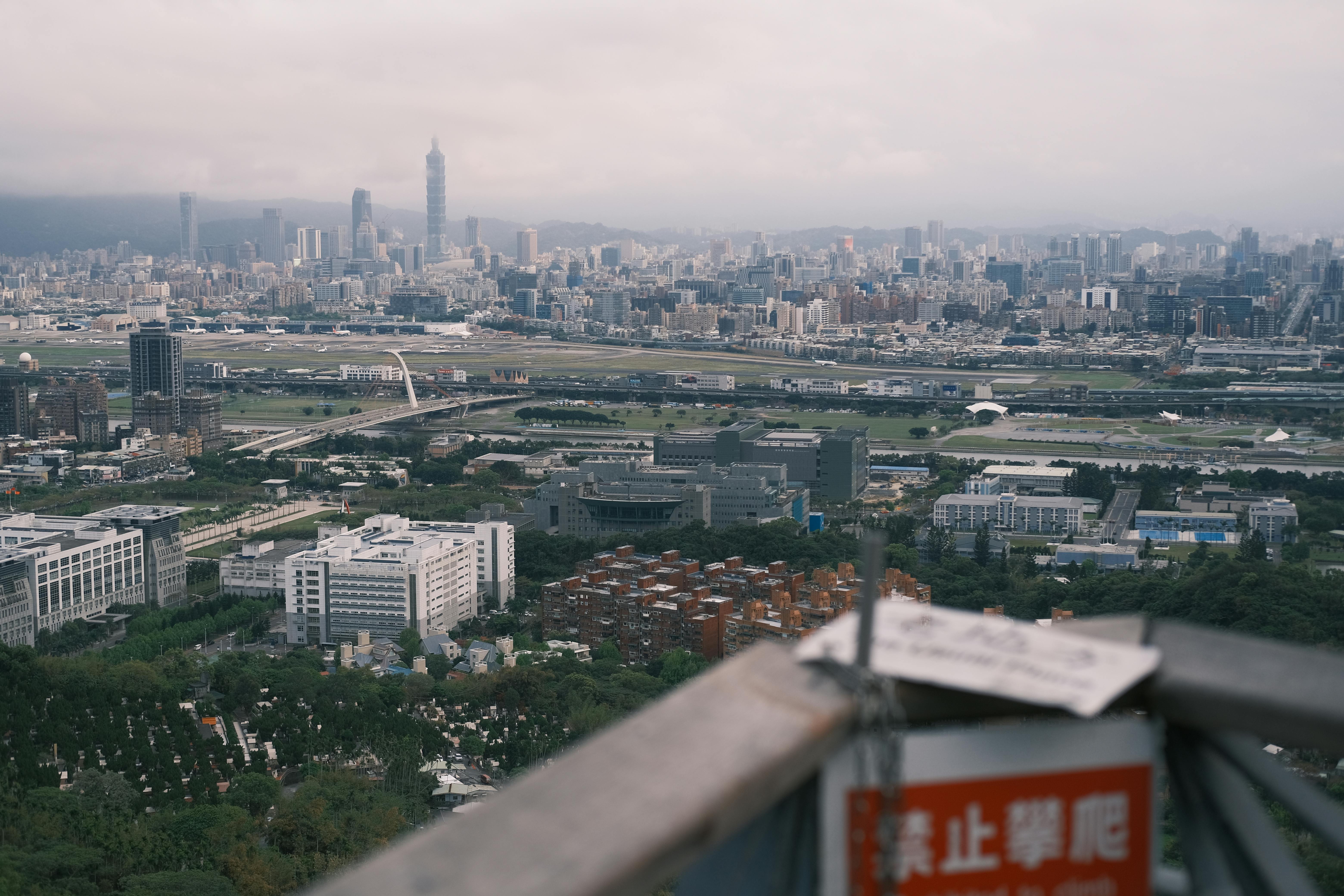
Taipei is one of Asia’s most rewarding short-break cities: compact, efficient, deeply historical, and gloriously food-obsessed. Founded as a trading settlement that grew under Qing rule, reshaped during the Japanese era, and transformed again in the modern Taiwanese period, the city wears its history in layers—temples beside glass towers, century-old shop houses near design boutiques, and noodle stalls not far from world-class museums.
For first-time visitors, the appeal is immediate. Taipei offers major landmarks such as Taipei 101, Longshan Temple, Chiang Kai-shek Memorial Hall, and the National Palace Museum, yet its real magic often lies in side streets: tea houses in the hills, breakfast counters serving warm soy milk and flaky shaobing, and night markets where pepper buns, oyster omelets, and shaved ice become a full evening’s entertainment.
Practically speaking, Taipei is easy to navigate thanks to its clean and reliable MRT, abundant taxis, and excellent airport connections. Taiwan remains one of the safest and most traveler-friendly destinations in East Asia, and while it is always wise to monitor local advisories and weather—especially in rainy or typhoon-prone periods—the city is very manageable for a 2-day itinerary packed with culture, street food, coffee, shopping, and scenic views.
Taipei
Taipei is a city of contrasts in the best possible sense. It can give you incense-filled temple courtyards at sunrise, one of the world’s most famous skyscrapers by afternoon, and a riot of neon, dumplings, and bubble tea after dark.
What makes Taipei especially good for a 2-day trip is its rhythm. Distances are short, neighborhoods are distinct, and every district seems to have its own specialty—heritage streets in Datong, political and cultural monuments in Zhongzheng, fashion and food around Xinyi, and local market life in Wanhua and Shilin.
Food is central to the experience here, and rightly so. Taipei rewards curiosity: a bowl of beef noodles at a long-running shop, hand-pulled scallion pancakes from a street-side griddle, carefully brewed Taiwanese oolong in a tea house, and excellent third-wave coffee tucked into quiet lanes. Come hungry and pace yourself.
Where to stay: For a polished base with spacious rooms and superb service, consider Mandarin Oriental, Taipei. If you want a central luxury option near Taipei 101 and Xinyi’s shopping and nightlife, Grand Hyatt Taipei is a strong pick. Travelers seeking a sociable and budget-friendly stay can look at Meander Taipei Hostel. You can also browse broader options via VRBO Taipei or Hotels.com Taipei.
Getting there: For flights into Taipei, start with Trip.com flight search or Kiwi.com flight search. From Taoyuan International Airport to central Taipei, the Airport MRT takes roughly 35–40 minutes to Taipei Main Station, usually around NT$150, while a taxi commonly takes 40–60 minutes depending on traffic and generally costs about NT$1,200–1,600.
Day 1 – Arrival, Old Taipei, and a Classic Night Market Evening
Morning: Since this itinerary assumes an afternoon arrival, keep the morning for transit. If you land at Taoyuan, take the Airport MRT into the city, drop your bags, and have your EasyCard ready for the MRT; it will save time on every ride and is useful for convenience stores as well.
Afternoon: After check-in, head first to Longshan Temple in Wanhua, one of Taipei’s most revered and atmospheric religious sites. Originally established in the 18th century by settlers from Fujian, the temple is a living center of worship rather than a static monument, with carved stone columns, curling incense smoke, red lanterns, and worshippers praying to Buddhist and Taoist deities alike. It is the perfect first stop because it introduces Taipei’s layered spiritual and architectural history in one compact, unforgettable setting.
From Longshan Temple, stroll or take a short MRT ride toward Bopiliao Historical Block if time allows. This preserved lane of Qing- and Japanese-era buildings offers a quieter look at old Taipei; even a brief walk helps you understand how the city looked before its modern vertical surge.
For a late lunch, try Chuān Yè Snow and Savory Snacks nearby if you want something casual, or make your way to Yongkang Street for a stronger first meal. On Yongkang Street, Din Tai Fung Xinyi Road remains a polished introduction to Taipei dining, famous for its xiaolongbao—delicate soup dumplings pleated with almost mathematical precision. If you prefer something more local and less formal, Yong Kang Beef Noodles is a classic for rich broth, tender beef, and a Taipei staple dish that locals debate with almost sporting fervor.
If you need coffee after the flight, stop at Simple Kaffa Sola or another branch of Simple Kaffa, one of Taipei’s most respected specialty coffee names. Taiwanese café culture is serious without being pretentious, and this is a fine place to reset with a well-extracted pour-over or espresso drink before the evening begins.
Evening: Spend your first night at Ningxia Night Market, one of Taipei’s best compact food markets and an ideal choice for short-stay travelers because it is manageable, central, and highly snackable. Unlike some sprawling markets, Ningxia feels focused: it is excellent for tasting several things in one evening rather than committing to one heavy meal.
Look for oyster omelet, a beloved Taiwanese dish with a glossy starch-thickened texture that surprises many first-timers; done well, it is briny, soft, savory, and memorable. Also seek out taro balls, grilled squid, and pepper pork buns. If you want a sit-down option before or after market grazing, Datong District has plenty of old-school eateries, but the best strategy here is to sample widely and slowly.
Before heading back, take a gentle walk through nearby Dihua Street if the hour permits. By day it is a heritage-shopping corridor of traditional medicine shops, tea merchants, fabric stores, and restored facades; by evening it has a more cinematic calm. This area captures the mercantile soul of old Taipei and gives your first night a graceful finish.
Day 2 – Taipei 101, Memorials, Great Cafés, and a Final Feast Before Departure
Morning: Start early with a proper Taipei breakfast. Fu Hang Dou Jiang is the famous choice, known for warm soy milk, flaky shaobing baked in a clay oven, youtiao, and egg-stuffed flatbread sandwiches. It is absolutely worth it if you can tolerate a queue; this is not breakfast as fuel, but breakfast as local ritual. If you want something less hectic, try Yong He Dou Jiang Da Wang for a similarly classic Taiwanese breakfast experience.
After breakfast, visit Chiang Kai-shek Memorial Hall. The broad ceremonial square, white-and-blue hall, and monumental stairway speak to Taiwan’s modern political history, and the changing of the guard adds pageantry to the visit. Whether or not one agrees with the legacy of Chiang Kai-shek, the site is essential for understanding 20th-century Taiwan and the civic architecture of Taipei.
If museums appeal, continue to the National Palace Museum—though with only 2 days, this is best only if you are especially interested in Chinese imperial art. It houses one of the great collections in the world, much of it brought to Taiwan in the mid-20th century, including jade, bronzes, ceramics, and calligraphy. For a tighter schedule, skip the museum and spend more time in central Taipei instead.
Afternoon: Make your way to Taipei 101, still the city’s defining landmark and a marvel of engineering as well as a symbol of modern Taiwan. Once the tallest building in the world, it remains striking for its bamboo-inspired form and enormous tuned mass damper, designed to help it withstand earthquakes and typhoons. If visibility is decent, the observatory offers a superb overview of the city basin ringed by green mountains.
For lunch, stay in the Xinyi area or detour back toward Dongmen. In Xinyi, you will find polished dining options, but for a more characterful meal, I prefer returning to Yongkang Street for Tian Jin Scallion Pancake, where the griddled pancake is crisp, fragrant, and satisfyingly uneven in the handmade way that signals the real thing. Another good option is Jin Feng Braised Pork Rice, beloved for lu rou fan—an essential Taiwanese comfort dish of minced braised pork over rice, glossy with sauce and deceptively simple.
For coffee and a short pause before departure preparations, seek out Fika Fika Cafe, one of Taipei’s pioneer specialty coffee shops, or Rufous Coffee, respected for serious beans and a more quietly focused atmosphere. Taipei’s coffee scene is one of Asia’s strongest, and a final café stop feels entirely in keeping with the city’s refined everyday pleasures.
If your departure is later in the afternoon and you still have time, take a quick walk around the Xinyi District plazas and department stores or browse design-led souvenirs and pineapple cakes to bring home. SunnyHills is a well-known stop for elegant pineapple cakes, and they make a far better edible souvenir than generic airport candy.
Evening: As this itinerary assumes an afternoon departure on the last day, your evening is reserved for onward travel. If your flight is late enough to allow an early dinner before heading to the airport, one strong final meal is Mala Hot Pot in the Xinyi area for a sociable Taiwanese hot pot experience, or a return to a favorite noodle or dumpling spot discovered earlier in the trip.
Allow plenty of time for the journey back to the airport. The Airport MRT remains the most predictable option at around 35–40 minutes from Taipei Main Station to Taoyuan Airport, while taxis are easier with luggage but slower in rush-hour traffic. You can compare return flight options on Trip.com or Kiwi.com.
Extra local gems if you want to swap anything in:
- Elephant Mountain: A short but steep hike with one of the best views of Taipei 101, especially near sunset.
- Huashan 1914 Creative Park: A former industrial site turned cultural complex with exhibitions, shops, and cafés.
- Songshan Cultural and Creative Park: Good for design lovers, independent brands, and a more contemporary side of Taipei.
- Raohe Night Market: Another excellent night market, especially famous for its black pepper buns baked in a cylindrical oven near the entrance.
- Jiufen: Better as a half-day add-on for longer stays, but tempting if you plan to return to Taiwan; hillside teahouses and lantern-lit lanes give it a storybook quality.
In just 2 days, Taipei can give you far more than a checklist of landmarks. This itinerary balances temple culture, Taipei 101 views, Taiwanese breakfast, night market classics, great coffee, and a few revealing corners of old Taipei, leaving you with a vivid sense of the city rather than a blur of rushed stops.
If you return—and many travelers do—Taipei rewards repeat visits with museums, tea-growing hills, hot springs, and day trips beyond the capital. For now, this short Taipei itinerary offers an excellent first taste of Taiwan’s most compelling city.