
2 Days in Rome Itinerary: Colosseum, Vatican, and Trastevere Tastes
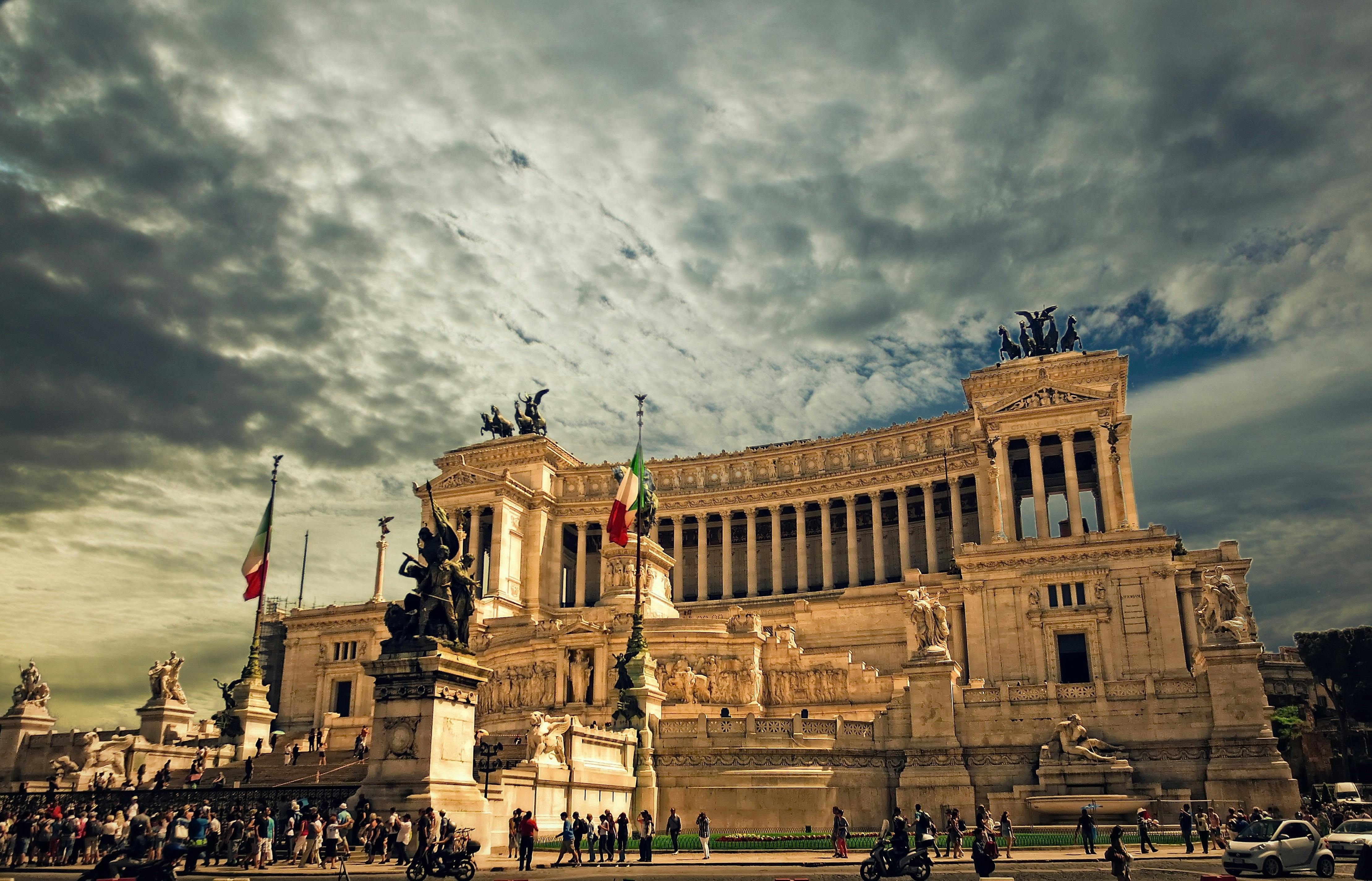
Rome is a city that wears its history in layers—the marble of emperors, the mosaics of popes, the trattoria tables set on streets where Caesar once passed. Founded in 753 BCE, the “Eternal City” grew from seven hills into a capital of empire, then a crucible of Renaissance genius. Today, its ancient stones sit beside lively markets, third-wave coffee bars, and kitchen traditions guarded like family heirlooms.
In two days, you can trace millennia: stand on the Colosseum’s arena where crowds once roared, wander the Roman Forum, and gaze up at Michelangelo’s Sistine Chapel. Between sights, refuel on Roman classics—cacio e pepe, supplì, artichokes alla giudia—and sip espresso the local way: standing at the bar, quick and strong.
Practical notes: dress modestly for St. Peter’s and the Vatican Museums (shoulders and knees covered), wear cushioned shoes for cobblestones, and watch for pickpockets around major sights. Tap Rome’s public water fountains (nasoni) for excellent free drinking water. Book major attractions in advance—especially the Colosseum and Vatican—for a smoother, faster Rome city break.
Rome
Rome rewards wanderers. One minute you’re tossing a coin into the Trevi Fountain (legend says it ensures your return), the next you’re stepping into the best-preserved temple of the ancient world—the Pantheon—now with a small entry fee helping preserve its 2,000-year-old dome. Evenings glow in Trastevere, where ivy-clad lanes hide trattorie, wine bars, and gelaterie.
- Top sights: Colosseum, Roman Forum, Palatine Hill, Vatican Museums, Sistine Chapel, St. Peter’s Basilica, Pantheon, Piazza Navona, Trevi Fountain, Spanish Steps.
- Neighborhoods to taste: Trastevere for rustic Roman fare; Monti for chic wine bars and artisan boutiques; Testaccio for traditional markets and offal-forward cucina romana.
- Coffee and gelato greats: Sant’Eustachio Il Caffè (classic Roman roast), Tazza d’Oro (near the Pantheon), Gelateria del Teatro (seasonal flavors), Fatamorgana (creative, clean ingredients).
Where to stay (handpicked)
- Hotel de Russie, a Rocco Forte Hotel (luxury near Piazza del Popolo; famed garden aperitivo): Book on Hotels.com or Alternate link.
- Hotel Eden, Dorchester Collection (rooftop views across Rome; refined service): Book on Hotels.com.
- Rome Cavalieri, A Waldorf Astoria Hotel (art-filled resort vibe, hilltop pool and spa): Book on Hotels.com.
- Hotel Santa Maria (beloved Trastevere courtyard hideaway): Book on Hotels.com.
- Kolbe Hotel Rome (quiet garden by the Forum; great for ancient-history fans): Book on Hotels.com.
- Hotel Mascagni (solid midrange near Via Veneto/Termini; contemporary rooms): Book on Hotels.com.
- The Beehive (budget-friendly, community vibe by Termini): Book on Hotels.com.
- Prefer an apartment? Browse central stays on VRBO Rome or compare hotels on Hotels.com Rome.
How to get to Rome
- Flights (Europe): compare fares to FCO or CIA with Omio Flights. Typical nonstops: London–Rome ~2h30; Paris–Rome ~2h; Berlin–Rome ~2h.
- Flights (from outside Europe): search long-haul options with Trip.com or Kiwi.com.
- Trains (within Europe/Italy): high-speed Frecciarossa/Italo via Omio Trains. Examples: Florence–Rome ~1h30 (€20–€55), Naples–Rome ~1h10 (€15–€45), Milan–Rome ~3h10 (€30–€90).
- Buses: budget links from Florence/Naples typically 3–4h via Omio Buses.
Airport to city: From FCO, the Leonardo Express to Termini takes ~32 minutes (~€14–€15). Official white taxis have a fixed fare (~€50) to central Rome. From Ciampino (CIA), taxis are ~€31 to the center; buses connect to the Metro A line at Anagnina.
Day 1: Arrival, Centro Storico Icons, and Trastevere by Night
Afternoon: Arrive and drop bags at your hotel. Shake off travel with an espresso at Sant’Eustachio Il Caffè or Tazza d’Oro near the Pantheon. Stroll into the Pantheon (note: small entry fee; it’s still the world’s largest unreinforced concrete dome), then linger in Piazza Navona to admire Bernini’s Fountain of the Four Rivers. Continue to the Trevi Fountain—toss a coin over your left shoulder—before climbing the Spanish Steps for a city panorama.
Evening: Cross the Tiber to Trastevere. For a sit-down Roman feast, consider Da Enzo al 29 (book ahead), Taverna Trilussa (famous for pastas served in pans), or Pizzeria Ai Marmi for thin, blistered pies. Gelato at Gelateria del Teatro caps it perfectly. If you’d prefer a guided tasting that unlocks neighborhood legends and backstreets, book this acclaimed tour:
Featured experience (evening food tour)
Winner 2025 Rome Twilight Trastevere Food Tour by Eating Europe — Skip lines at beloved eateries and sample supplì, Roman-style pizza, porchetta, and gelato while learning Trastevere’s stories. Ideal for your first night to taste broadly and get oriented.

Nightcap options: Enoteca Ferrara for wine, La Punta Expendio de Agave for cocktails, or a riverside passeggiata along Tiber Island under lamplit bridges.
Day 2: Ancient Rome Masterclass and Departure
Morning (pick one major experience):
- Option A—Colosseum + Forum + Palatine (history lovers): Enter via the Gladiator’s Gate and stand on the arena floor for goosebumps, then walk the Roman Forum and Palatine Hill for the big-picture story of the Republic and Empire. Book: Colosseum Arena Floor, Roman Forum and Palatine Hill Guided Tour (about 3 hours).

- Option B—Vatican Museums + Sistine Chapel + St. Peter’s (art aficionados): Early access helps you savor Raphael’s Rooms and the Sistine Chapel before crowds, ending in St. Peter’s Basilica to marvel at Michelangelo’s Pietà. Book: Vatican Museums, Sistine Chapel & St Peter’s Basilica Guided Tour (about 3 hours).

Tip: If your departure is late (5 pm or later), disciplined travelers can do the early Vatican (8:00 am–11:00 am), quick transfer, and a condensed Colosseum visit with timed entry—but most visitors will enjoy the city more by choosing one marquee site today.
Breakfast ideas: Start near your chosen site. For the Vatican, grab a maritozzo (cream-filled brioche) and cappuccino at Pergamino Caffè by the Vatican walls, or snag Roman cornetti at Roscioli Caffè (Centro Storico) before a quick taxi/Metro A to Ottaviano. For the Colosseum, head to Panificio Monti or La Casetta a Monti for pastries and espresso.
Lunch: Near the Colosseum/Forum, try Taverna Romana (Monti) for carbonara and artichokes, La Taverna dei Fori Imperiali for homemade pastas, or Urbana 47 for seasonal plates. Near the Vatican, Pizzarium serves famed pizza al taglio (crispy, airy slabs topped with seasonal produce); for a sit-down, L’Arcangelo is superb for gnocchi and amatriciana.
Afternoon (departure window): Squeeze in a last gelato at Fatamorgana or a quick caffè at Sant’Eustachio, then head for your train/flight. From central Rome, budget ~1 hour to reach FCO (train + buffer) or ~50–70 minutes by taxi depending on traffic.
Optional alternative for mobility or families (bookable any evening): Swap the food tour for a breezy, sit-down sightseeing loop—perfect if you prefer less walking.
Rome by Night: Golf Cart Tour — Glide past the Colosseum, Trevi Fountain, and Piazza Navona glowing after dark, with gelato stops and photo ops.

Getting around: Rome’s Metro is simple for hops between Vatican (Ottaviano), Termini, and Colosseo. Buses and trams fill gaps; taxis are plentiful at official stands. Expect lots of walking—Rome’s magic happens between the sights.
Need tickets or trains for a future Italy hop? Use Omio Trains for Florence, Naples, or Venice; buses on Omio Buses; and flights across Europe on Omio Flights. For long-haul flights into/out of Italy, compare on Trip.com or Kiwi.com.
Book these recommended tours in advance (they sell out quickly for peak hours):
- Colosseum Arena Floor, Roman Forum and Palatine Hill Guided Tour
- Vatican Museums, Sistine Chapel & St Peter’s Basilica Guided Tour
- Twilight Trastevere Food Tour
In two days, this Rome travel guide balances blockbuster art and archaeology with neighborhood flavor, giving you a vivid snapshot of the Eternal City. Expect to leave with flour-dusted sleeves, a camera full of domes and piazzas, and good reason—per the Trevi legend—to return.