
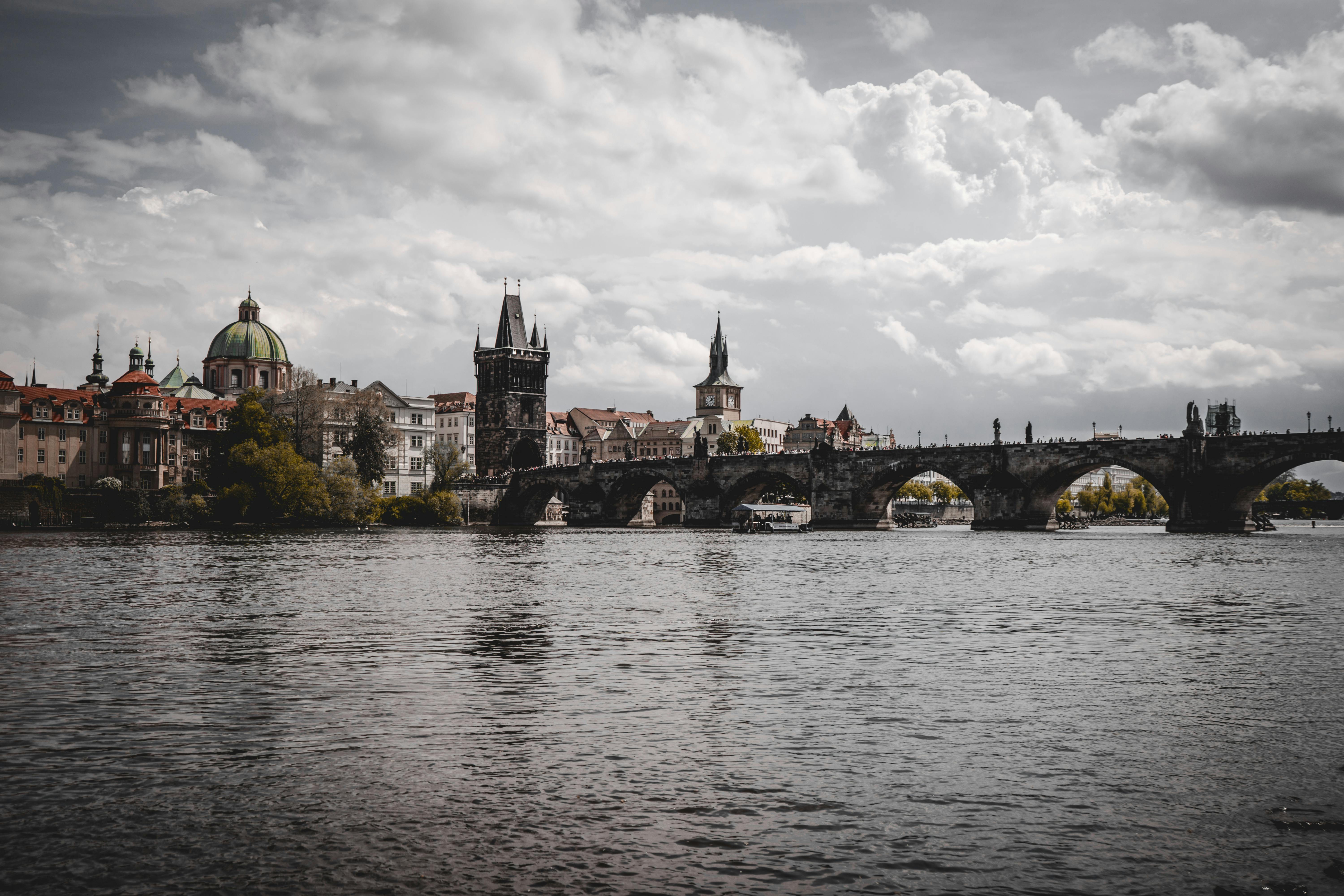
Prague is one of Europe’s great stage sets, but its beauty is not a trick of façades. For more than a thousand years, kings, emperors, merchants, rabbis, reformers, and revolutionaries have left their mark here, creating a city where Romanesque cellars sit beneath Gothic towers and Baroque domes. A short trip still reveals an astonishing amount, because the historic core is compact and wonderfully walkable.
The city’s most famous sights deserve their reputation. Prague Castle rises above the Vltava like a stone chronicle; Charles Bridge is both a crossing and a pageant; Old Town Square remains one of Europe’s great urban theaters, anchored by the Astronomical Clock. Yet Prague also rewards smaller pleasures: morning coffee in a quiet lane, open-faced sandwiches in an Art Nouveau café, a glass of crisp pilsner in a wood-paneled pub, and twilight views from Malá Strana.
For practical planning, Czechia is generally easy for visitors, public transport in Prague is efficient, and card payments are widely accepted, though keeping a little cash is useful. On a 2-day itinerary, it is best to stay central and focus on Prague itself rather than attempt a day trip. Czech cuisine is heartier than many travelers expect, so balance roast meats, dumplings, and beer with lighter café stops, pastry breaks, and riverside walks.
Prague
Prague is a city of spires, courtyards, hidden gardens, and histories layered almost absurdly close together. In two days, you can experience the ceremonial grandeur of Hradčany, the river romance of Charles Bridge, the medieval drama of the Old Town, and the lived-in warmth of neighborhood cafés and beer halls.
What makes Prague especially good for a short city break is rhythm. You can spend the afternoon of arrival wandering postcard-famous streets, then devote your full day to the castle district and the old center, with enough time left for proper meals and a few atmospheric detours. This is not a city to sprint through; it is a city to read with your feet.
Where to stay: For a classic splurge, consider Four Seasons Hotel Prague, superbly placed near the river and Old Town. For smart mid-range value, Motel One Prague-Florentinum is reliable and well connected, while Hotel Julian offers a quieter, personable base near Smíchov and Malá Strana. If you want a location ideal for early and late walks in the historic center, Hotel Kampa Garden is especially appealing, and budget travelers can look at Hostel One Home. You can also browse wider options on VRBO Prague or Hotels.com Prague.
Getting there: For flights into Prague from within Europe, start with Omio flights. If you are arriving overland from another European city, compare rail options on Omio trains and bus routes on Omio buses; many connections from Vienna, Berlin, Dresden, and Budapest are straightforward, generally ranging from about 2.5 to 7 hours depending on origin and service.
Recommended activities:
- Best of Prague Guided Tour and Cruise with Authentic Czech Lunch — an excellent fit for first-time visitors who want the major landmarks explained rather than merely seen.
- Prague Castle Tour Including Admission Ticket - 2.5 Hour — ideal if you prefer a focused deep dive into the castle complex and St. Vitus Cathedral.
- Prague Eat, Sip and Make Friends on Food Tour by Taste of Prague — particularly strong for travelers who want local dishes and neighborhood context rather than generic tourist menus.
- Prague Ghosts, Legends, Medieval Underground and Dungeon Tour — a fun, atmospheric evening option if you enjoy darker folklore and medieval backstories.
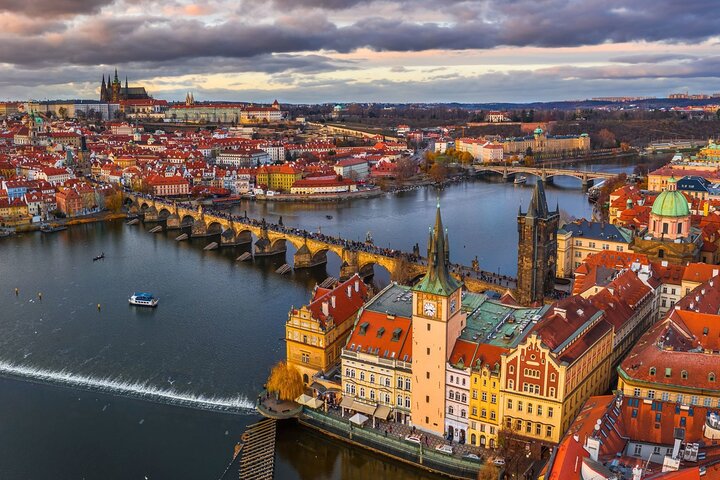


Day 1: Arrival in Prague, Old Town, and the River
Morning: This is your travel morning, so keep plans light and focus on arrival. If you are coming from another European city, most air and rail arrivals into Prague are efficient; allow roughly 45-60 minutes from airport to central hotel depending on traffic and transfer method, while main rail arrivals are often just a short taxi or tram ride from the center.
Afternoon: After check-in, begin gently in the Old Town so the city reveals itself at human speed. Walk toward Old Town Square to see the Astronomical Clock, a medieval mechanism first installed in 1410 and still one of Prague’s emblematic wonders, then continue through surrounding lanes where Gothic, Renaissance, and Baroque façades crowd together with little sense of chronology and every sense of drama.
Afternoon: If you would like a structured introduction on arrival day, book the Best of Prague Guided Tour and Cruise with Authentic Czech Lunch. It is a strong choice for a short Prague itinerary because it combines walking, tram, and boat perspectives, helping you understand the geography of the city quickly instead of spending half your trip orienting yourself.
Afternoon: For a late lunch, choose Café Savoy for elegant Czech and French-leaning fare in a grand Neo-Renaissance room; its schnitzel, pastries, and polished service make it an arrival-day favorite when you want atmosphere without guesswork. If you prefer something lighter and very local in spirit, Sisters Bistro is a smart stop for Czech chlebíčky, those beautifully arranged open-faced sandwiches that turn a quick bite into a tiny edible still life.
Evening: Cross Charles Bridge toward Malá Strana in the softer light before sunset. The bridge is busiest at mid-day, but in the evening its statues, musicians, and river views feel less like a checklist and more like the city exhaling; pause often, especially looking back toward the Old Town Bridge Tower and up to the castle ridge.
Evening: For dinner, reserve at Lokál U Bílé kuželky or Lokál Dlouhááá if you want a proper introduction to Czech beer culture and straightforward classics done well. Lokál is beloved because it treats pilsner seriously, pouring it fresh and correctly, while the kitchen serves dishes such as svíčková, roast meats, sausages, and fried cheese without trying to disguise their pub-born roots.
Evening: If you want a themed first night, the Prague 5 Courses Medieval Dinner and Live Performances is unabashedly theatrical and fun, especially for travelers who enjoy spectacle over subtlety. For something moodier and more rooted in the city’s folklore, the Prague Ghosts, Legends, Medieval Underground and Dungeon Tour adds a darker note to the night and works well after dinner in the historic center.
Day 2: Prague Castle, Lesser Town, and a Memorable Final Evening
Morning: Start early with coffee and breakfast at EMA espresso bar if you want serious third-wave coffee and a modern local crowd, or at Café Savoy if you missed it on Day 1 and would rather linger over eggs, bread, and one of Prague’s best pastry selections. Then head uphill to the castle district before the heaviest crowds arrive; morning light on the courtyards and cathedral stone is worth the earlier start.
Morning: The most efficient way to understand the site is the Prague Castle Tour Including Admission Ticket - 2.5 Hour. Prague Castle is not a single building but a sprawling complex of palaces, churches, lanes, and ceremonial spaces, and a guided visit helps untangle the layers of Bohemian kings, Habsburg power, religious conflict, and modern statehood that shaped it.
Afternoon: After the castle, drift downhill through Malá Strana. Stop for lunch at Kuchyň, perched near the castle with sweeping views and a menu that updates Czech home cooking with unusual finesse; this is a particularly good place to try roast meats, seasonal soups, or creamy sauces while looking across the city’s red roofs.
Afternoon: Continue to St. Nicholas Church, then wander Nerudova and the quieter side streets of the Lesser Town before recrossing the river. If your interests lean toward food rather than monuments, swap some walking time for the Prague Eat, Sip and Make Friends on Food Tour by Taste of Prague, which is one of the best ways to sample contemporary Prague beyond tourist-trap menus and to understand how Czech cooking is evolving.
Afternoon: For a sweet pause, look for koláče or větrník at a respected pastry stop, or settle into Café Louvre, a historic café once frequented by intellectuals and still a fine place for cake, coffee, and a sense of old urban civility. If you prefer a more savory snack, Naše maso is a famous butcher-counter concept where burgers, sausages, and meat plates are served with serious intent; it is casual, busy, and very Prague.
Evening: Spend your final evening around Josefov and the Old Town, where Prague becomes more reflective after dusk. If Jewish history is a priority, keep this district in your walk even without a museum visit; its synagogues, cemetery, and layered story of persecution, learning, and resilience give essential depth to any understanding of the city.
Evening: For dinner, consider Eska if you want modern Czech cooking with a contemporary edge, excellent bread, and a kitchen that plays intelligently with smoke, fermentation, and local ingredients. For something more traditional and deeply atmospheric, U Kroka is widely loved for hearty Czech dishes delivered with warmth and consistency; it is a good final-night choice if you want one last plate of svíčková, duck, or goulash in a place locals genuinely use.
Evening: Finish with a final stroll along the Vltava embankment or a drink with a view. A short night walk back through the illuminated center is one of Prague’s simplest and best pleasures, especially before an afternoon departure the next day, because the city’s towers, domes, and bridge lights gather into exactly the sort of memory that makes a traveler start planning a return.
In two days, Prague can offer more than a quick glimpse if you stay central, walk often, and resist overloading the schedule. This itinerary gives you the city’s essential landmarks, strong food recommendations, and enough unstructured time to hear the bells, watch the river, and let Prague do what it does best: make history feel close and oddly alive.