
2 Days in Kiel, Germany: A Baltic Port City Itinerary with Harbor Walks, Maritime History & Day-Trip Ideas
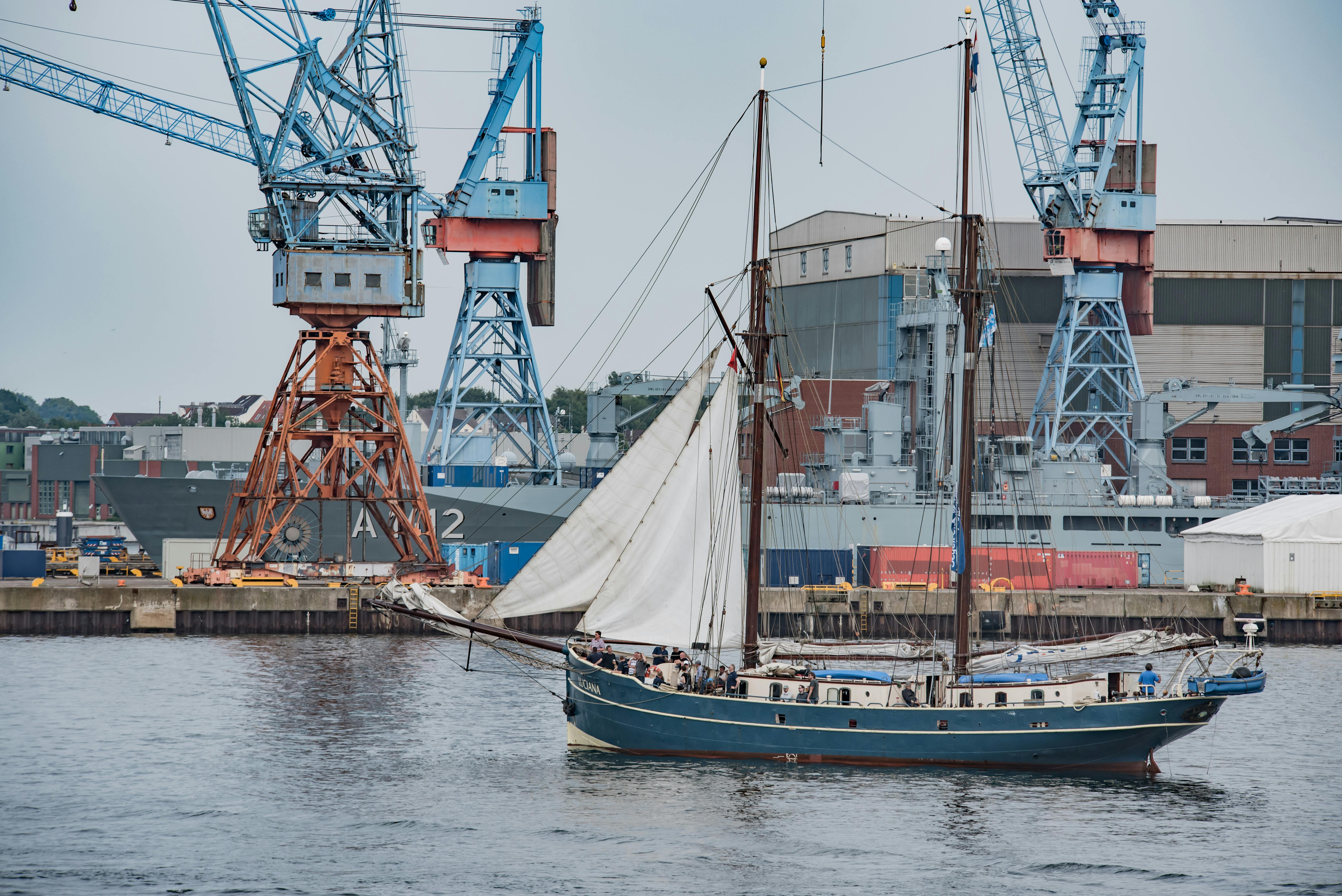
Kiel, the capital of Schleswig-Holstein, grew from a modest settlement on the Baltic into one of northern Germany’s great maritime cities. Its fortunes were shaped by shipbuilding, naval history, and the Kiel Canal, one of the world’s busiest artificial waterways, which links the North Sea and the Baltic and gives the city an outsized place in European trade.
Today, Kiel feels brisk, open, and salty in the best sense of the word. It is famous for Kiel Week, one of the world’s largest sailing events, but even outside regatta season the city’s identity is tied to ferries, promenades, fish dishes, sea air, and a practical northern elegance that rewards slow exploration.
For a 2-day trip, keeping your base in Kiel is the smartest choice. The city is compact enough for a short stay, well connected via Omio flights and Omio trains, and easy to navigate on foot, by bus, or with short taxi rides; pack a windproof layer, expect cool Baltic breezes even in milder months, and make time for regional specialties such as fish sandwiches, smoked seafood, marzipan treats from nearby Lübeck, and hearty north German beers.
Kiel
Kiel is not a city that tries to impress with theatrical grandeur; it wins you over with water, movement, and atmosphere. Ferries drift in and out, students animate the center, and the long fjord gives the whole place a sense of space that many German cities lack.
Its great appeal for a short break is variety without complication. You can spend one hour with naval history, the next on a waterfront promenade with coffee in hand, and the next eating fresh seafood while watching ships trace white lines across the harbor.
For accommodations, start with VRBO stays in Kiel if you want an apartment near the fjord or a neighborhood base with more space. If you prefer classic hotel convenience, compare Hotels.com options in Kiel, especially around the Hauptbahnhof, Ostseekai, or the waterfront for easy arrival and departure.
For getting in, Kiel is most often reached via Hamburg and then onward by rail or coach. Search routes on Omio flights, then connect with Omio trains or Omio buses; Hamburg to Kiel typically takes around 1 hour 10 minutes to 1 hour 30 minutes by train, with fares often starting around $20-$45 depending on timing and flexibility.
If you are arriving by cruise or want a polished transfer onward, Viator also offers practical transport and excursion options. For example, the Private van transfer Kiel Cruise Terminal to Hamburg is useful for travelers prioritizing comfort and fixed logistics over public transit.
- Top local sights: Kiellinie waterfront promenade, the Kiel Fjord, Alter Markt, St. Nikolai Church, Schifffahrtsmuseum, and the locks area associated with the Kiel Canal.
- Best food themes: Fischbrötchen, smoked fish, northern German beer, excellent bakery breakfasts, and seasonal seaside fare.
- Best for: maritime history lovers, short city breaks, coastal walks, ferry watchers, and travelers who prefer an understated but deeply atmospheric destination.
Recommended Viator activities in and around Kiel include the Kiel Self-Guided Audio Tour: Explore this Historic Port, which is an excellent fit for a short independent stay because it adds context to streets and harbor views you might otherwise pass too quickly.

If you enjoy playful city discovery, the Self-Guided Secrets of Kiel Exploration Game Tour gives a more interactive way to explore the center. It works especially well for couples or friends who want sightseeing to feel a bit less formal.

If you decide to use your second day for a broader regional excursion rather than staying local, the All-in-One: Beautiful Lübeck: Shore Excursion from Kiel Port is the strongest culture-heavy option, while the All-in-One Hamburg Shore Excursion from the port of Kiel suits travelers who want a bigger-city contrast.

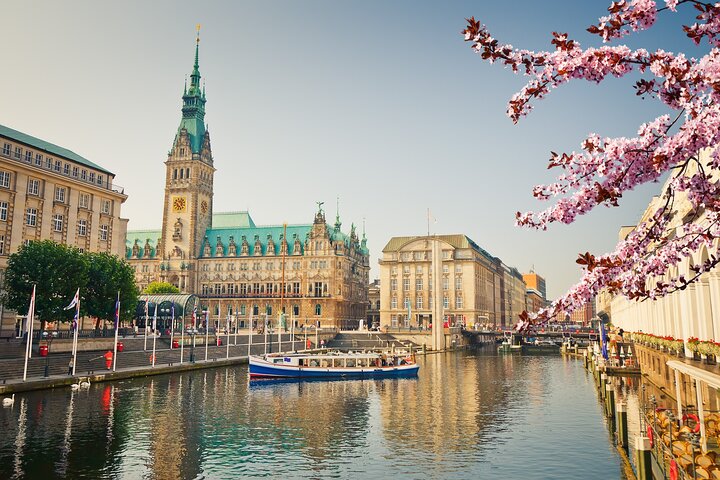
Day 1: Arrival in Kiel, Harbor Orientation & Old Town Evening
Morning: This is your arrival day, so keep the morning unstructured or dedicated to transit. If you are coming via Hamburg, a morning train booked through Omio usually gets you into Kiel comfortably before lunch, and the station’s central position makes hotel drop-off easy.
Afternoon: After check-in, begin with a gentle orientation walk along Kiellinie, the city’s beloved waterfront promenade. This is where Kiel introduces itself properly: sailboats on the fjord, ferries moving with quiet purpose, benches facing the water, and the kind of Baltic light that makes even an ordinary afternoon feel cinematic.
For lunch, go straight for a north German classic: a fish sandwich near the waterfront, ideally with herring, Bismarck-style pickled fish, or smoked salmon if available. The point is not ceremony but freshness; Kiel’s maritime identity tastes best when eaten simply, ideally outdoors with a view of the harbor traffic.
After lunch, continue toward the city center and Alter Markt, where rebuilt postwar streets mix with older fragments and civic landmarks. Step into St. Nikolai Church, one of Kiel’s most important historic churches, and notice how the city’s wartime destruction and modern rebuilding have left a visible mark on its urban character.
If you like historical framing, use the Kiel Self-Guided Audio Tour for this first afternoon. It gives substance to what you are seeing, connecting imperial naval history, 20th-century upheaval, and the modern port city around you.
Evening: Start your evening with coffee and cake, or an early aperitif if you prefer, at a central café near Holstenstraße or the waterfront. In Kiel, this pause matters: the city is less about racing through attractions than settling into its rhythm of sea air, pedestrian streets, and unshowy pleasures.
For dinner, choose a restaurant focused on regional seafood or solid north German cooking. A good dinner here should include one of the following: pan-fried fish, mussels in season, labskaus if you are curious about traditional sailor fare, or a crisp local beer with seasonal sides; the pleasure lies in honest flavors rather than ornament.
After dinner, take one more waterside stroll if the weather is clear. Kiel at dusk is one of its best versions: lights on the harbor, silhouettes of cranes and masts, and the sense that this city’s true monument is not a palace or cathedral but the living shoreline itself.
Day 2: Maritime Kiel or an Optional Excursion, Then Departure
Morning: Begin with breakfast at a local bakery-café, the kind of place where fresh Brötchen, dark rye breads, butter, jam, and strong coffee set the tone better than any elaborate brunch. If you want a more substantial start, order eggs, smoked salmon, or a cheese plate and linger a little; northern Germany does breakfast with quiet competence.
Then devote the morning to Kiel’s maritime side in greater depth. A visit to the Schifffahrtsmuseum or a harbor-facing walk with time spent near the ferry terminals helps you appreciate why Kiel matters far beyond its size: it is a city shaped by sea routes, naval legacies, engineering, and migration.
If you prefer a more playful final morning, book the Self-Guided Secrets of Kiel Exploration Game Tour. It is a clever option for repeat walkers who want fresh prompts and hidden corners rather than a standard museum track.
Afternoon: Because departure is assumed for this afternoon, keep your plans efficient. Enjoy an early lunch near the station or waterfront—seafood, seasonal soup, or a polished bistro meal all make sense—then collect your bags and head onward.
If you are not departing until later and want to maximize the day, this is the ideal window for an optional excursion rather than a full relocation. The most compelling choices are Beautiful Lübeck: Shore Excursion from Kiel Port for medieval Hanseatic architecture and marzipan lore, or All-in-One Hamburg Shore Excursion for a fast-paced look at one of Germany’s most dynamic cities. Both are ambitious for a 2-day trip, but excellent if you already know Kiel’s waterfront is your base rather than your only focus.
Evening: Most travelers will already be en route by evening. If you do have extra time before a late departure, make it count with one final coffee by the fjord or a last Fischbrötchen near the harbor—an appropriately local farewell to a city that is best remembered through atmosphere, not excess.
This 2-day Kiel itinerary is brief but satisfying: enough time to absorb the Baltic mood, understand the city’s maritime story, and enjoy excellent waterfront walks and regional food. Kiel may not advertise itself loudly, but that is part of its appeal; it rewards travelers who appreciate history, sea air, and places that feel lived-in rather than staged.