
2 Days in Göttingen: A Smart, Scenic City Break in Lower Saxony
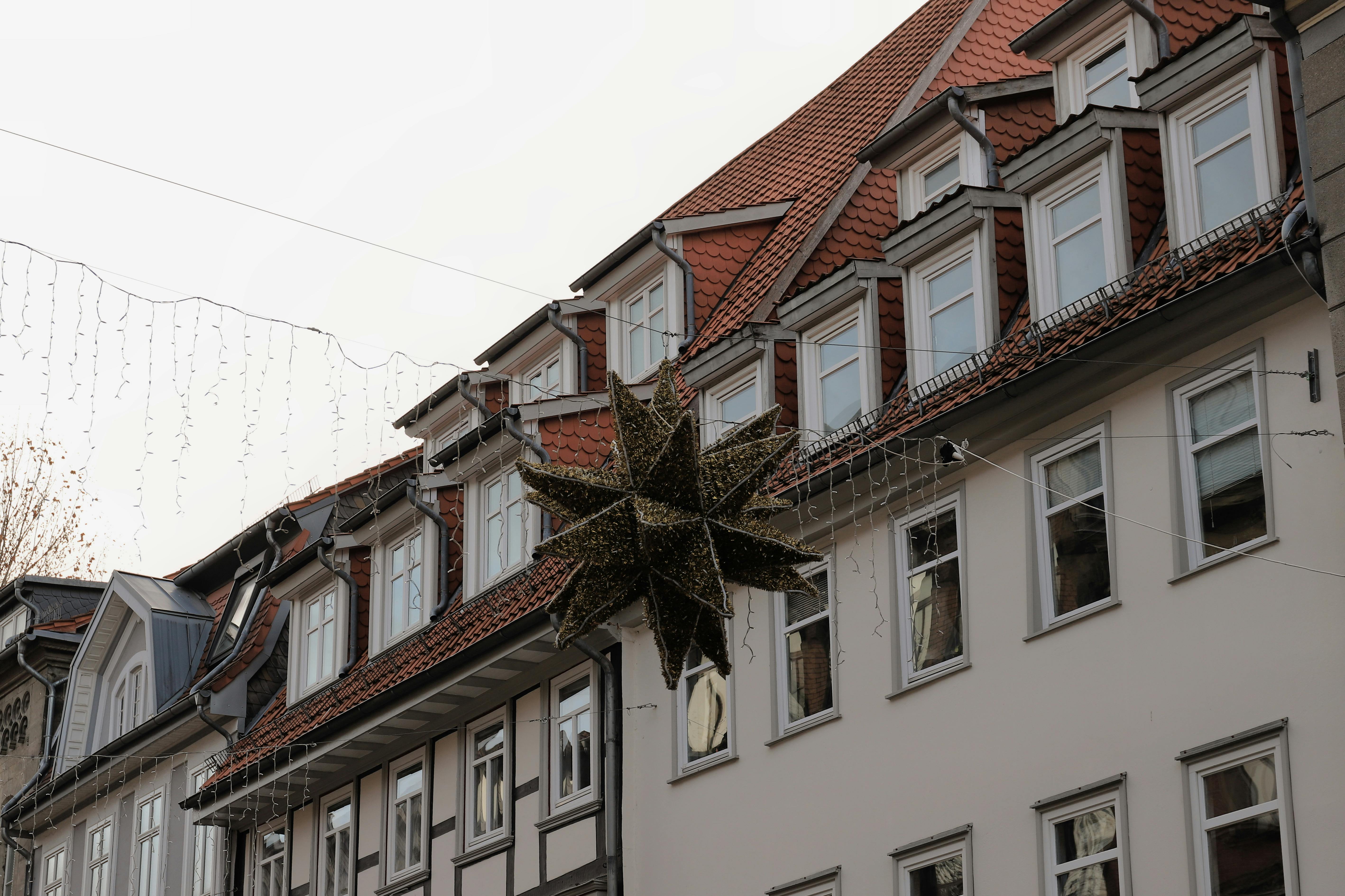
Göttingen is one of those German cities that reveals itself through detail rather than spectacle. Long defined by its university, founded in 1737, it has been shaped by scholars, poets, scientists, and students for centuries, giving the old town an unusually lively intellectual pulse.
There is history here, certainly, but not the stiff museum-piece kind. You will find medieval churches, half-timbered houses, market squares, and old fortification traces woven into a city that still feels youthful thanks to its large student population and famously bicycle-loving culture.
For a 2-day trip, Göttingen is ideal: compact, walkable, and full of rewarding stops that do not require frantic scheduling. Expect excellent coffee, hearty Lower Saxon dishes, easy rail access, and a city center best enjoyed on foot; as in much of Germany, card payment is common but carrying some cash remains wise at smaller cafés and traditional spots.
Göttingen
Göttingen is one of Germany’s classic university towns, but it avoids cliché. It is scholarly without being solemn, historic without feeling frozen, and small enough that even a short visit can feel satisfyingly complete.
The city’s emblem is the Gänseliesel fountain in the market square, where newly minted doctoral graduates have long celebrated by kissing the goose girl statue. Around it spreads an old town of lanes, church towers, bookish corners, and independent cafés that make Göttingen especially rewarding for travelers who like culture, architecture, and unhurried discovery.
For a short stay, base yourself in or near the Altstadt so you can walk everywhere easily. Browse accommodation options on VRBO in Göttingen or compare hotels on Hotels.com for Göttingen.
If you are arriving from elsewhere in Germany or Europe, Göttingen is most convenient by rail. Search connections on Omio trains; from Frankfurt Airport, expect roughly 2 to 2.5 hours by train, while Hanover is usually about 1 hour and Berlin around 2.5 to 3 hours, with fares often starting around $20-$70 depending on route and booking time. You can also compare broader European transport on Omio flights and Omio buses.
There are no Viator activities provided specifically in Göttingen, so this itinerary focuses on the city’s strongest local experiences: the old town, university heritage, viewpoints, churches, and excellent local food. That is not a compromise; it is exactly the right way to experience Göttingen in two days.
- Top sights: Gänseliesel fountain, Marktplatz, St. Johannis Church, Altes Rathaus, the old botanical garden, university district, and the Bismarck Tower area for a wider green outlook.
- Best atmosphere: Late afternoon in the Altstadt, when café terraces fill and the old streets take on a mellow, amber light.
- What to eat: Expect German classics, seasonal fare, cakes, artisan coffee, and plenty of student-friendly international dining tucked into side streets.
Day 1: Arrival and Göttingen Old Town
Morning: This is primarily a travel morning. If you are arriving by train, plan your route in advance on Omio; the station is close enough to the center that many hotels and apartments are reachable on foot in 10 to 20 minutes, which makes Göttingen especially convenient for a short city break in Lower Saxony.
Afternoon: After check-in, begin with a gentle orientation walk through the Altstadt. Head first to the Marktplatz and the Gänseliesel fountain, the city’s best-known landmark and one of Germany’s most beloved student traditions, then linger over the square’s historic façades and the old town hall.
Afternoon: Continue to St. Johannis Church, whose twin towers help define Göttingen’s skyline. The church and surrounding streets give an immediate sense of the city’s medieval bones, while the nearby lanes are ideal for the kind of slow wandering that makes a short Göttingen itinerary feel rich rather than rushed.
Afternoon: For a late lunch, look for a table at Vapiano Göttingen only if you want something easy and central, but a more local-feeling choice is to seek out one of the independent German or Central European kitchens in the old town. Prioritize traditional spots serving schnitzel, sausages, potato dishes, and seasonal soups; Göttingen’s smaller scale means central restaurants are often more relaxed than in larger German cities.
Afternoon: For coffee and cake, choose a classic café in the center and order a proper Kaffee und Kuchen pause. In Göttingen, this is not filler between attractions; it is part of the rhythm of the place, and the city’s academic, conversational café culture is one of its real pleasures.
Evening: Spend your first evening exploring the university quarter and adjoining streets. Göttingen’s identity is inseparable from the University of Göttingen, which has counted an extraordinary number of Nobel-linked scholars among its academics and alumni, and even a casual walk here gives the city a sense of scale beyond its modest size.
Evening: For dinner, choose a traditional German restaurant or beer hall in the center where you can try regional-style dishes with local beer. Look for menus featuring venison in season, pork specialties, dumplings, red cabbage, pan-fried potatoes, or Lower Saxon comfort food; these places are worth recommending because they ground your first night in the flavors of the region rather than generic city-center dining.
Evening: If you still have energy, end with a twilight stroll past the illuminated old town façades. Göttingen is not a nightlife city in the theatrical sense, but it excels at something better for many travelers: a relaxed, intelligent evening atmosphere shaped by students, pubs, wine bars, and walkable streets.
Day 2: Gardens, viewpoints, and a final taste of Göttingen
Morning: Start with breakfast at a local bakery-café or specialty coffee shop near the center. A good Göttingen breakfast should be simple and satisfying: fresh Brötchen, butter, jam, cheese, perhaps eggs, and strong coffee, or a more modern café spread with granola, pastries, and espresso if you prefer a contemporary start.
Morning: Then head to the Old Botanical Garden. This is one of Göttingen’s quiet treasures, tied to the university’s scientific legacy, and it offers a lovely contrast to the market square: leafy paths, labeled plant collections, and the kind of calm that suits a second morning in town.
Morning: Afterward, walk through more of the university area and old ramparts. Göttingen rewards curiosity; plaques, historic buildings, and small details reveal stories of scholarship, war, reconstruction, and civic pride without requiring a major museum commitment.
Afternoon: For lunch, pick a cozy bistro or student-favorite restaurant in the central district. Göttingen is especially good for casual but thoughtful meals, whether that means Swabian-style noodles, Turkish plates, modern German lunch menus, or a reliable local tavern where portions are hearty and the service brisk in the best German manner.
Afternoon: If time allows before departure, take a short taxi, bus, or energetic walk toward the Bismarck Tower area for a greener panorama over the city and surrounding Lower Saxony landscape. It is a strong final recommendation because it broadens your impression of Göttingen beyond the old town and shows how neatly the city sits between academic urban life and open countryside.
Afternoon: If you prefer to stay central, use your final hours for souvenir browsing in the pedestrian streets around the old town. Bookshops, regional food shops, and small design stores suit Göttingen particularly well and make more sense here than generic shopping chains.
Evening: As this is a departure day, keep the evening light or in transit. If you have time for one final stop before leaving, take an early dinner or substantial coffee break near the station or market square, then head to your onward connection booked through Omio trains or other European transport options on Omio flights and Omio buses.
Two days in Göttingen is enough to understand why the city inspires such loyalty. It offers the pleasures of a German old town, the energy of a major university, and the ease of a compact Lower Saxony city break, all without the crowding and overprogramming that can flatten a short trip.
If you return, you can dive deeper into museums, concerts, countryside walks, and seasonal markets. For now, this itinerary gives you the best version of a short Göttingen escape: intelligent, flavorful, walkable, and deeply enjoyable.