
2 Days in Ayodhya: A Spiritual Itinerary to Ram Mandir, Saryu Ghats, and Timeless Legends
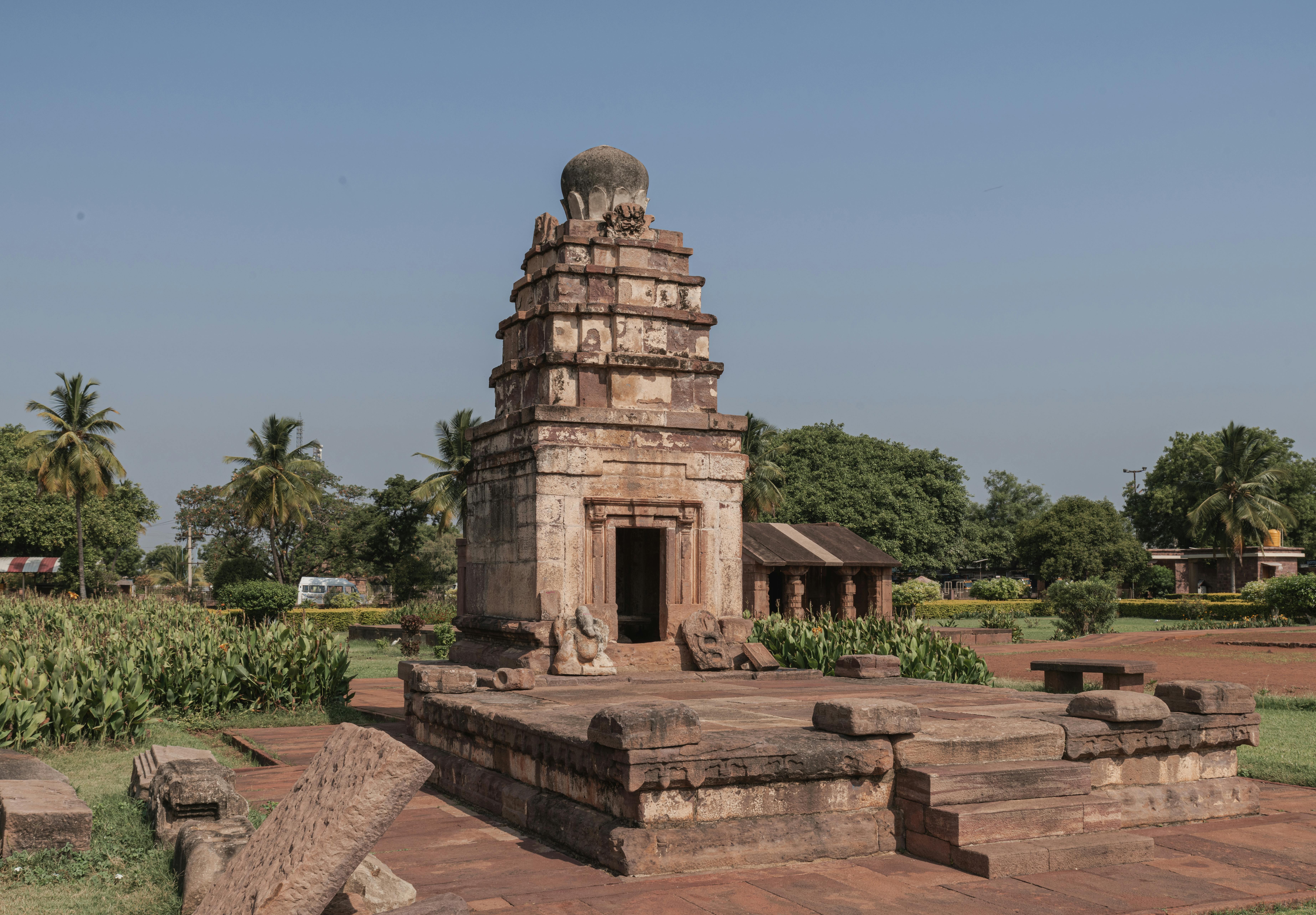
Ayodhya, on the serene banks of the Saryu River, is revered as the birthplace of Lord Rama and a living stage for the Ramayana’s stories. The city mixes sanctity with street life: incense drifting from shrines, temple bells, saffron flags, and the hum of e‑rickshaws threading past flower sellers.
At its heart stands the newly inaugurated Ram Janmabhoomi Mandir, drawing pilgrims from across India. Around it, medieval shrines such as Hanuman Garhi and Kanak Bhawan, Dashrath Mahal, Treta Ke Thakur, and riverfront ghats like Ram Ki Paidi and Naya Ghat anchor a day of darshan and slow wandering.
Practical notes: security is tight at major temples—carry a government ID, avoid large bags, and dress modestly (shoulders/knees covered). Mornings and evenings are cooler for exploration; midday is best for a hearty thali lunch or a short rest. UPI/digital payments are widely accepted, and e‑rickshaws keep local travel simple and inexpensive.
Ayodhya
Why go now: The Ram Mandir has renewed Ayodhya’s energy with improved infrastructure, pedestrian-friendly stretches along Ram Path, and nightly river aartis that bathe the ghats in warm light. You’ll find a destination that’s both ancient and confidently new.
Top sights: Ram Janmabhoomi Mandir (early-morning peace and evening glow), Hanuman Garhi’s hilltop shrine and views, Kanak Bhawan’s jewel-toned courtyards, Dashrath Mahal’s royal murals, Treta Ke Thakur’s black-stone idol, Tulsi Smarak Bhawan for Ramayana lore, and the Saryu ghats—Ram Ki Paidi and Naya Ghat—for sunrise and the evening aarti.
Food you’ll remember: Morning kachori-sabzi with hot jalebis near Hanuman Garhi; mid-day North Indian vegetarian thalis (dal, seasonal sabzi, roti, rice, salad); paneer delicacies; lassi and thandai in kulhads; and evening chaat—aloo tikki, golgappa—around the Ram Path bazaar. Many hotel restaurants keep strictly vegetarian menus and avoid onion/garlic by request.
How to get there: Fly directly into Maharishi Valmiki International Airport (Ayodhya, AYJ)—about 20–30 minutes by taxi to the temple area. Typical flight times: Delhi–Ayodhya ~1 hr; Mumbai–Ayodhya ~2 hr 15 min. Search and book flights on Trip.com (flights) or Kiwi.com. Trains arrive at Ayodhya Dham Jn; Lucknow–Ayodhya ~2.5–3.5 hrs; Varanasi–Ayodhya ~4–6 hrs. Check schedules via Trip.com (trains).
Where to stay: Browse stays on VRBO Ayodhya or Hotels.com Ayodhya. Reliable, centrally located options include: Hotel Krishna Palace (comfortable rooms, easy e‑rickshaw access to ghats), Hotel Ram Inn (clean, value-forward, friendly staff), and Hotel Shree Palace (modern rooms, pure-veg kitchen).
Tours to consider: If you want context, skip the lines and cover more:
- Ayodhya Private Tour & VIP Darshan - Special support for Seniors

Ayodhya Private Tour & VIP Darshan -Special support for Seniors on Viator - Ayodhya tour in one day - Private & Guided tour

Ayodhya tour in one day - Private & Guided tour on Viator - Ayodhya Day Excursion

Ayodhya Day Excursion on Viator
Day 1: Arrival, First Darshan, and Saryu at Sunset
Morning: Travel to Ayodhya. For speed, book a direct flight on Trip.com or Kiwi.com (Delhi–Ayodhya about 1 hour; fares often $40–90). Prefer the rails? Check Trip.com (trains)—Lucknow–Ayodhya ~3 hours on express services. Pack light: large bags and cameras aren’t allowed inside the inner temple areas; use lockers when available.
Afternoon: Arrive and check in. If you like family-run comfort, try Hotel Krishna Palace; for value and proximity, Hotel Ram Inn; for newer rooms and a pure-veg kitchen, Hotel Shree Palace. Refuel with a late vegetarian thali (dal, jeera rice, seasonal greens, roti, salad) and a cool lassi or chaas. Then take an e‑rickshaw (₹100–200 for short hops) to Hanuman Garhi. Climb the steps to the hilltop shrine; the breeze and temple drums set the tone for your first darshan.
Evening: Walk or ride to Ram Ki Paidi and Naya Ghat for the Saryu Aarti at sunset. Priests light oil lamps while the river turns bronze—arrive 20–30 minutes early for a good vantage. Post-aarti, sample street snacks: aloo tikki with chutneys, crisp golgappa, and kulhad chai. For dinner, keep it simple and sattvic—try your hotel’s restaurant for paneer do pyaza (without onion/garlic on request), tawa roti, and kheer, or a no-frills bhojanalaya near Ram Path for a quick thali.
Day 2: Ram Mandir, Royal Courtyards, and Bazaar Bites (Departure Day)
Morning: Rise early for Ram Janmabhoomi Mandir. Dress modestly; carry only essentials (ID, small wallet). Join the darshan queue at opening hours to avoid the rush; if you prefer guided access and help with senior travelers, consider Ayodhya Private Tour & VIP Darshan for streamlined entry and context.
Afternoon: Early lunch near Ram Path—look for a vegetarian kitchen serving seasonal thalis or a simple rajma-chawal plate. If time allows before departure, stop by Tulsi Smarak Bhawan (for manuscripts and recitals) or Treta Ke Thakur (darshan timings vary; check locally). Prefer a comprehensive, guide-led circuit that maximizes your short day? Book the Ayodhya tour in one day - Private & Guided tour, which weaves Ram Mandir, Hanuman Garhi, ghats, and old bazaars into a single narrative.
Evening (if your departure is late): Return to the ghats for a final stroll, then browse Ram Path’s temple-supply lanes for prasad, sandalwood paste, rudraksha malas, and copper diyas. For a farewell bite, choose a paneer tikka wrap or dosa at a casual vegetarian café and a cold coffee in a kulhad—simple, satisfying, and easy for the journey.
Insider tips:
- Footwear stands are available at major temples; carry socks for hot pavements in summer.
- E‑rickshaws are best for hops between shrines; agree on a price before boarding (₹100–250 depending on distance).
- Festivals (especially Deepotsav around Diwali) are magical but crowded—book rooms and transport weeks ahead via Hotels.com or VRBO.
- Most eateries are pure veg; if you avoid onion/garlic, simply request “satvik.” For street food, pick busy stalls with fast turnover.
In two days, Ayodhya reveals itself in layers—sunrise hymns, temple courtyards, and a river glowing at dusk. You’ll leave with darshan completed, stories understood, and flavors lingering on the tongue. And you may already be planning a return for festival season.