
2 Days in Amsterdam: Markets, Indie Shopping, Canal Hidden Gems & Dutch Food
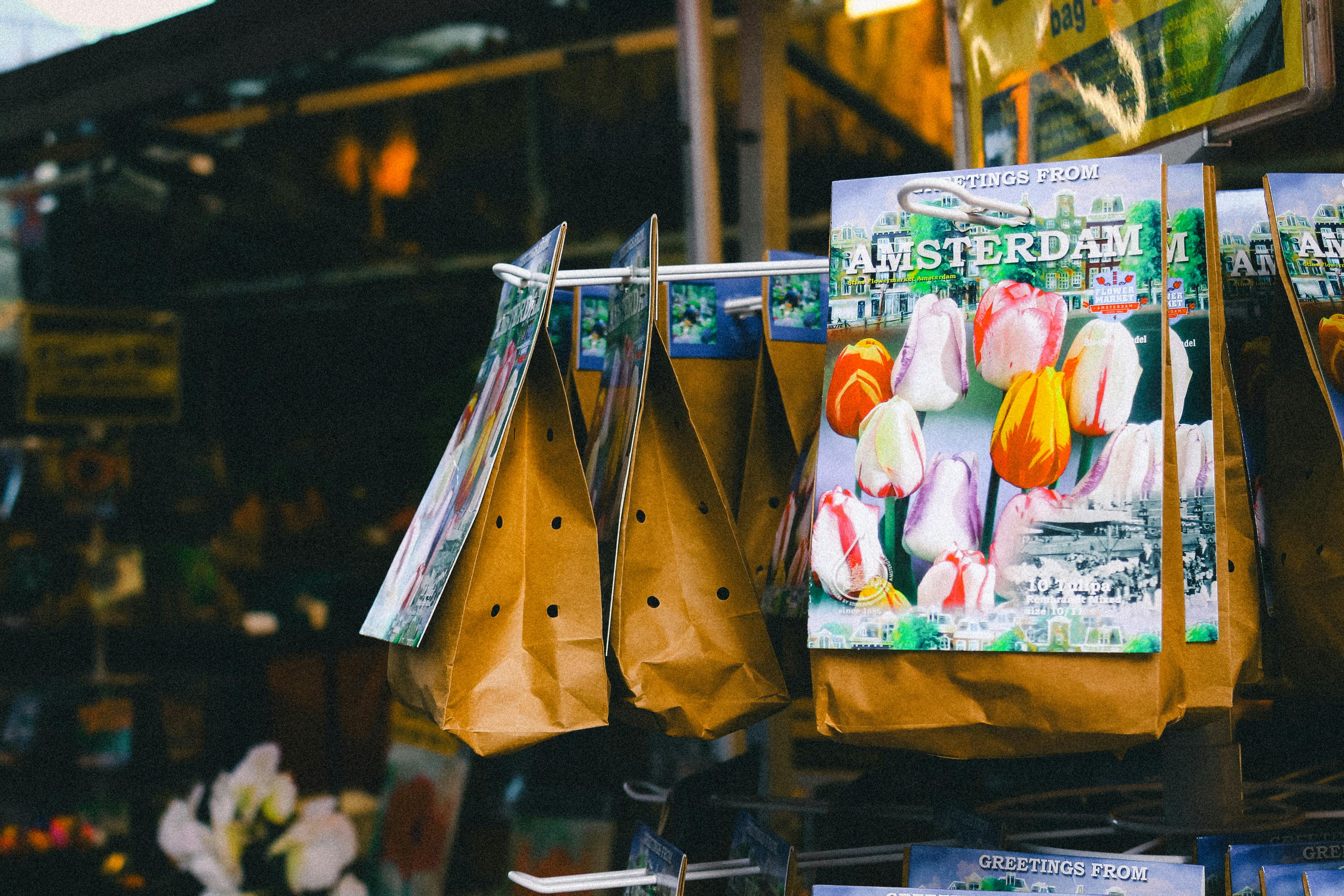
Amsterdam began as a modest fishing settlement on the Amstel and grew into one of Europe’s great mercantile capitals, a city shaped by water, trade, migration, and astonishing civic ambition. Its canal belt, largely laid out in the 17th century, still gives the city its elegant bones, but Amsterdam’s real pleasure lies in the contrast between grand façades and small-scale daily life: flower stalls, brown cafés, design boutiques, neighborhood markets, and quietly beautiful lanes.
For a two-day visit, Amsterdam works best when treated not as a checklist of monuments but as a sequence of neighborhoods, each with its own appetite and rhythm. This itinerary leans into exactly what you asked for: markets, shopping, interesting food, and out-of-the-ordinary sites, with time for one classic museum and a canal cruise that shows off the city’s lesser-seen angles.
Practical notes: Amsterdam is compact, walkable, and well served by trams, though many of the best moments happen on foot. Reserve major attractions in advance, carry a card for most purchases, and expect restaurants and food-forward spots to reward early bookings, especially on weekends. Dutch food is far more varied than its old stereotypes suggest; alongside stroopwafels and bitterballen, you’ll find excellent Indonesian rijsttafel, refined seasonal cooking, and some of Europe’s most creative casual dining.
Amsterdam
Amsterdam is a city of layered pleasures. One hour you are in a centuries-old canal district; the next, you are browsing art books in the Nine Streets, eating warm apple pie in Jordaan, or wandering a former shipyard turned creative quarter across the IJ.
For shopping, food, and unusual places, the city is especially rewarding in De Pijp, Jordaan, the Negen Straatjes, Oud-West, and Amsterdam-Noord. These neighborhoods reveal the Amsterdam locals actually use: market stalls, specialty grocers, vintage shops, bakery counters, inventive cafés, and waterside hideaways far from the densest tourist flow.
Where to stay: Search central stays via VRBO Amsterdam or hotel options via Hotels.com Amsterdam. For a 2-day trip, aim for Canal Belt, Jordaan, De Pijp, or Museumplein for easy walking and tram access.
Getting there: For flights to Amsterdam, use Omio flights. If arriving from elsewhere in Europe by rail, compare schedules on Omio trains. Schiphol Airport to Amsterdam Centraal typically takes about 15–20 minutes by train, and most central neighborhoods are reachable in roughly 30–45 minutes door to door.
- Best market for atmosphere: Albert Cuyp Market in De Pijp, lively and broad-ranging, from street snacks to fabrics and household goods.
- Best shopping area: De Negen Straatjes for independent fashion, design, vintage, and beautifully curated specialty stores.
- Best unusual district: Amsterdam-Noord, especially around the IJ and NDSM Wharf, for creative spaces, industrial scenery, and a less polished, more experimental side of the city.
- Best food neighborhoods: De Pijp for casual energy, Jordaan for classic cafés and comfort food, and Oud-West for contemporary dining.
Day 1: Arrival, De Pijp Market Life, Museumplein & Hidden-Canal Evening
Morning: This is your arrival day, so keep the morning light and flexible around transit. If you land early enough to have a proper start in town, head first to Coffee District in Amsterdam Zuid or Scandinavian Embassy for a serious coffee and a pastry; both are respected for careful sourcing and a calmer, more local mood than the busiest canal-center cafés.
Afternoon: After hotel check-in, begin in De Pijp, one of Amsterdam’s most energetic neighborhoods. Walk the Albert Cuyp Market, the city’s best-known street market and still a genuinely useful one, not just a tourist spectacle. You’ll find produce stalls, Dutch snacks, inexpensive textiles, kitchen goods, flowers, and a soundtrack of traders calling out specials. It is ideal for getting your bearings because it shows Amsterdam as a working city rather than a museum set.
For your first bites, try a warm stroopwafel made to order from a market stand; the difference between a fresh one and a packaged version is dramatic, all molten syrup and wafer crackle. If you want something savory, seek out fresh herring if you are curious about old-school Dutch tastes, or choose kibbeling, those hot, crisp bites of battered fish that are one of the market’s most reliable pleasures.
For lunch, book or queue at Sir Hummus in De Pijp for vivid Middle Eastern plates that are generous without being heavy, or Little Collins for a more brunch-led menu with bold flavors and very good coffee. If you want something particularly Dutch-Indonesian, save space for an early rijsttafel later in the trip; Amsterdam is one of the best places in Europe to understand that culinary legacy.
From De Pijp, walk toward Museumplein for a focused cultural stop at the Van Gogh Museum. It is one of the few headline attractions worth carving time for even on a short itinerary because it gives emotional depth to the city, not just a famous name.
Amsterdam Van Gogh Museum with Audio or Guided Tour

The museum visit is especially rewarding if you concentrate on a few rooms rather than rushing through the whole building. Van Gogh’s letters, self-portraits, and changing brushwork tell a far more human story than the souvenir version of the artist, and the collection is presented clearly enough to work well even on a time-pressed visit.
If shopping is calling, continue into De Negen Straatjes afterward. These “Nine Streets,” threaded between the canals, are among the best places in Amsterdam for independent retail: vintage fashion, denim, ceramics, books, specialty food, and thoughtful Dutch design. This is where to browse rather than conquer. Pop into stores that favor curation over scale; the district rewards slow looking.
Evening: As dusk arrives, see the city from the water, but skip the more crowded, generic option and go for a smaller, more intimate cruise that emphasizes overlooked corners. The city changes character on the canals in the evening; house lights come on, bridges glow, and the grand urban plan starts to feel intimate.
Off The Beaten Path Hidden Gems Canal Cruise

This particular cruise suits your brief beautifully because it focuses on quieter waterways and local storytelling rather than broad, scripted commentary. It is one of the best ways to understand how Amsterdam lives beyond its postcard views.
For dinner, choose Restaurant Blauw for a proper Indonesian meal, one of Amsterdam’s signature experiences. Order a rijsttafel if you want the full expression of the city’s colonial-era culinary inheritance: many small dishes, balancing spice, sweetness, pickles, peanuts, coconut, and slow-cooked depth. If you prefer something more modern European, Breda offers a polished but unfussy dinner in the center, known for clever technique and warm service rather than ceremony.
If you still have energy, finish with a drink in Jordaan at Café Papeneiland, a historic brown café known for its apple pie and old Amsterdam atmosphere, or at Bar Oldenhof, a more discreet cocktail bar with a hushed, library-like mood. Both feel worlds away from louder nightlife strips and suit a first evening that is stylish rather than frantic.
Day 2: Jordaan Food, Indie Shopping, Unusual Noord & Departure
Morning: Begin early in Jordaan, a former working-class quarter that became one of Amsterdam’s most desirable neighborhoods without losing all its grit and wit. Have breakfast at Winkel 43, famous for apple pie with a thick cap of whipped cream; yes, it is popular, but it remains worth it, especially if you go early. If you want something lighter, try Saint-Jean for excellent plant-based pastries and baked goods that are good enough to please even travelers who do not usually seek vegan bakeries.
Then take a purposeful wander through Jordaan’s side streets and canal edges, where the city reveals itself in shop windows, bicycles, hidden courtyards, and old warehouse conversions. If your visit falls on a Monday, the Noordermarkt flea market is a delight for antiques, bric-a-brac, books, and odd domestic objects; on Saturdays, the organic farmers’ market draws locals shopping for breads, cheeses, mushrooms, preserves, and seasonal produce. It is a market with real life in it, not only souvenirs.
To deepen the neighborhood’s historical dimension, consider this walking tour:
Anne Frank's Story - Guided Walking Tour through Amsterdam

It adds necessary historical gravity to a short stay and helps connect the city’s beauty with its wartime scars. For many travelers, this context changes how Amsterdam is seen for the rest of the trip.
Afternoon: For lunch, make your way toward the canal belt and Jordaan fringe for an Amsterdam food experience with real substance.
10 Tastes of Amsterdam: Food Tour by UNESCO Canals and Jordaan

This is an especially smart fit for a 2-day itinerary because it combines lunch with cultural context and introduces you to flavors many visitors would miss on their own. Expect a mix of Dutch classics and neighborhood storytelling in areas that define the city’s texture, not just its landmarks.
If you prefer to self-guide lunch instead, try Café de Reiger in Jordaan for a classic brown-café setting and comforting Dutch fare, or Fabel Friet for one of the city’s most talked-about fries if you want something casual but carefully done. Another excellent option is Fort Negen in West for remarkable bread, sandwiches, and pastries; it is slightly outside the most central lanes and therefore feels more local.
For your out-of-the-ordinary final exploration, take the free ferry across the IJ to Amsterdam-Noord. This is one of the quickest and most satisfying ways to step out of the classic center. The crossing itself is part commute, part urban theater, with cyclists, office workers, and visitors sharing the same short ride.
In Noord, focus on the area around NDSM Wharf if time allows, or the immediate waterside cultural strip near Centraal if you need to stay closer for departure. NDSM is Amsterdam at its most industrial and inventive: old shipyard scale, street art, container architecture, studios, waterfront hangouts, and an atmosphere that feels refreshingly less polished than the canal belt. It is the city’s best answer to your request for unusual sites.
For last-minute shopping, Noord has more design-forward and contemporary energy than antique romance. If you would rather remain in the center, use this afternoon for a final return to the Nine Streets to pick up ceramics, art books, Dutch pantry items, or vintage finds rather than generic souvenirs.
Evening: Since this is your departure day with an afternoon onward journey, keep the final stretch gentle and efficient. If you still have time before leaving for the airport or station, stop for one last coffee at Bocca Coffee, a respected local roaster, or for a lingering final meal at Foodhallen in Oud-West, where multiple vendors make it easy to sample Dutch bitterballen, oysters, dim sum, tacos, or craft beer in one handsome converted tram depot. It is more polished than a traditional market hall, but very practical for a final meal with options.
If your timing permits one last experience before departure, this compact cruise is another strong option:
Amsterdam 2 Hour Small-Group Canal Cruise with Dutch Snacks & Bar

Allow roughly 30–45 minutes to get from central Amsterdam to Schiphol, depending on your exact starting point and whether you are using train, taxi, or tram-plus-train. For your onward journey, compare options through Omio flights or, if continuing elsewhere in Europe by rail, Omio trains.
In just two days, Amsterdam can offer far more than the expected canal snapshots. With market browsing in De Pijp, independent shopping in the Nine Streets, serious eating in Jordaan and beyond, and a detour to creative Noord, this itinerary gives you the city in layers: historic, edible, stylish, and slightly off-center in the best possible way.
You will leave with a sharper sense of Amsterdam’s personality: not only beautiful, but curious, mercantile, inventive, and deeply lived-in. It is exactly the kind of city that rewards a return visit, because even the short version already feels full of secret doors left slightly open.