
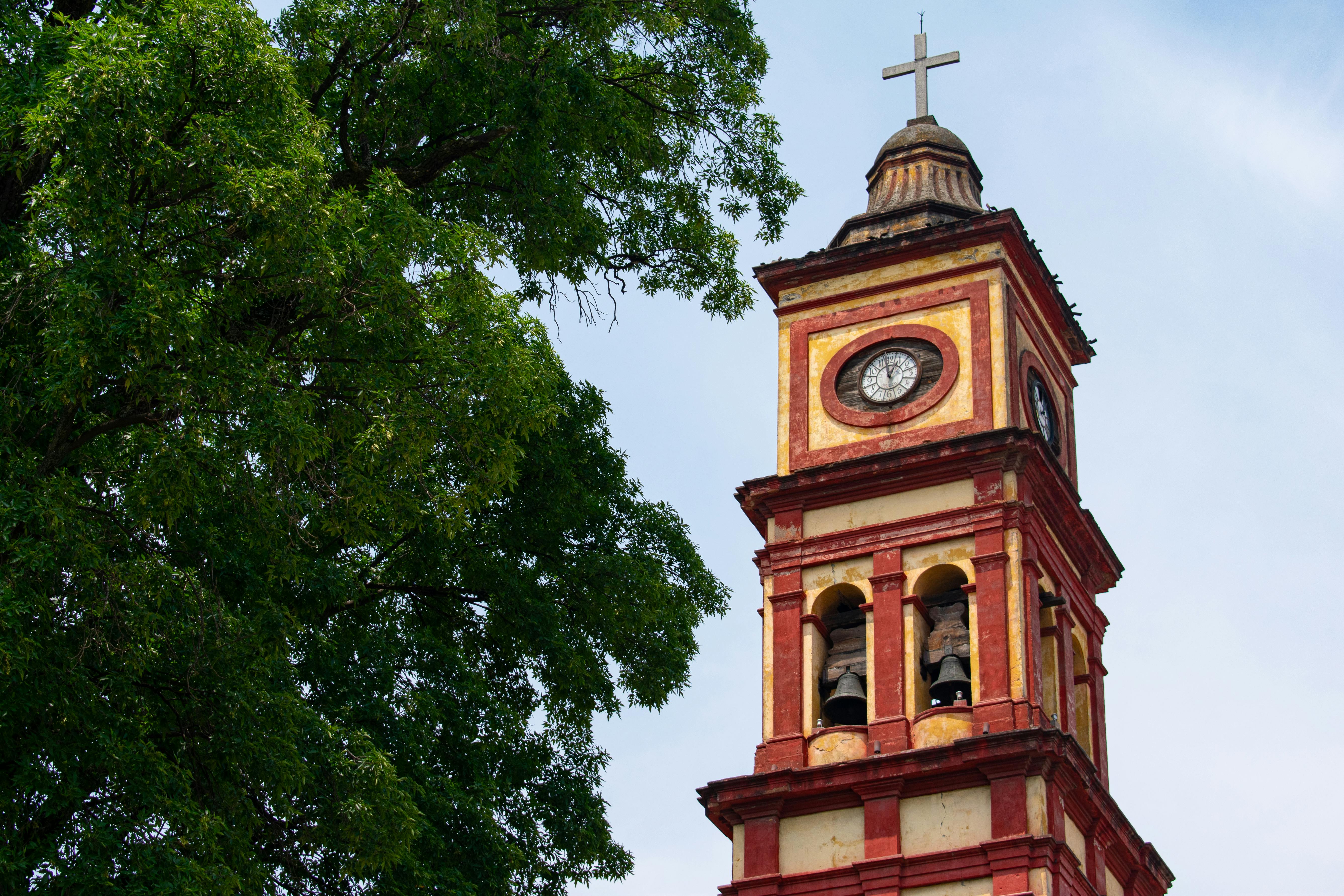
Straddling the hills of the Mixteca Poblana, Acatlán de Osorio blends Indigenous Mixtec heritage and colonial-era town planning into a quietly magnetic place. You’ll find life orbiting the zócalo, fragrant with roasted chiles and fresh tortillas, and mornings that begin with tlayoyos (bean-stuffed masa ovals perfumed with avocado leaf). The town’s pace is unhurried; the reward is time to taste, talk, and linger.
Historically part of the Mixteca Baja, Acatlán traces deep pre-Hispanic roots before its Spanish-era parish and portales took shape around the main square. Markets are the heartbeat here—Saturdays and Sundays swell with stalls selling barbacoa de chivo, seasonal pitayas (cactus fruit) in late spring, and palm-weave crafts from nearby villages. You won’t rush; you’ll graze, watch, and learn.
Practicalities: ATMs are available but many small vendors are cash-only. Days can be hot and dry; nights turn breezy—pack sun protection and a light layer. For most travelers, flying into Puebla (PBC), Mexico City (MEX), or Oaxaca (OAX) and continuing by bus or car is simplest. If you have extra time on either end, the city of Puebla makes a delicious add-on for Cholula pyramids and culinary tours.
Acatlán de Osorio
Welcome to a pocket of Puebla where flavor and craft still drive the day. Start at the zócalo, ringed by shady portales and the municipal buildings, and step into the parish church to admire its colonial altars. The town’s scale is walkable; you’ll drift from square to market to neighborhood without ever needing to check the time.
- Top sights and strolls: The main square and portales, the parish church of San Juan Bautista, and the municipal market—perfect for breakfast and people-watching.
- Don’t miss: A weekend barbacoa breakfast, a late-afternoon nieves de garrafa (old-fashioned churned ice creams), and a mezcal tasting from small-batch producers of the Mixteca.
- Local crafts: Palm-weave goods (hats, mats, baskets) from surrounding villages; ask at the Casa de Cultura or market cooperatives about visiting a workshop.
Where to stay (Acatlán de Osorio): Expect simple, family-run inns and a handful of small hotels. Compare guesthouses and apartments on VRBO and local hotels on Hotels.com. Look for stays near the zócalo for easy walks to cafés and the market.
How to get there: Fly into Puebla (PBC), Mexico City (MEX), or Oaxaca (OAX) and continue by bus or rental car.
- Flights: Search fares to PBC/MEX/OAX via Trip.com or Kiwi.com. From the U.S., expect $150–450 roundtrip to Mexico City most of the year; Puebla and Oaxaca can be similar or slightly higher.
- Bus from Puebla (CAPU) to Acatlán: 4–5 hours, ~MXN 350–500 (USD 20–30) on regional lines (commonly AU/ADO). From Mexico City, route via Puebla or Tehuacán; total 5–7 hours.
- Driving: Puebla to Acatlán ~4–4.5 hours; Mexico City ~6–7 hours; Oaxaca City ~4–5 hours. Avoid night driving in rural stretches.
Day 1: Zócalo strolls, market bites, and a Mixteca sunset
Morning: Travel day. If you’re routing through Puebla or Oaxaca, grab a light breakfast at the terminal café and a bottle of water; the ride into the Mixteca can be warm. Keep small bills handy for snacks en route.
Afternoon: Arrive in Acatlán and check in near the zócalo. Head straight to the Mercado Municipal for a late lunch: order tlayoyos (masa ovals stuffed with black beans and avocado leaf), memelas topped with asiento, and a cup of atole or café de olla. Wander the aisles—this is the best place to scout tomorrow’s barbacoa stalls and meet palm-weave vendors who may arrange a short workshop visit.
Evening: Circle the portales as the town cools. Pause for nieves de garrafa (mamey, mango, or leche quemada) from carts by the square. For dinner, choose a home-style cenaduría a block or two off the plaza—look for chalkboards listing mole poblano, pipián verde, enchiladas, and thin-grilled cecina with queso Oaxaca. Cap the night with a guided mezcal tasting at a local bar; ask your host or a market cooperative for a recommendation to sample espadín and wild agaves from nearby palenques.
Day 2: Barbacoa breakfast, craft encounters, and a golden-hour plaza
Morning: It’s barbacoa de chivo day. Arrive at the market early (8–10 a.m.) for a steaming bowl of consomé, then hand-carved tacos with a squeeze of lime and salsa borracha. Follow with a pan dulce run from a nearby bakery—hojaldras and conchas travel well if you’re bussing out later.
Afternoon: Dive into local crafts. If you’re up for a short excursion, take a colectivo (30–45 minutes) to a nearby palm-weaving village to see hats, petates, and baskets take shape; many families sell directly from their homes or small talleres. Back in town, visit the parish of San Juan Bautista and the municipal buildings around the square; ask about any temporary exhibits or murals that narrate Mixteca history and the famed Danza de los Tecuanes (often performed at festivals).
Evening: Close with one last food tour of your own: chalupas poblanas with crisped tortillas and salsa, pozole rojo if offered, and a plate of mole de fiesta if you spot a weekend-only fonda. Find a seat on a portal café for people-watching as the sky softens over the hills. Depart in the afternoon or early evening—buses to Puebla typically run through the day; allow a generous buffer for connections.
Coffee, breakfast, lunch, dinner—what to look for:
- Coffee/breakfast: Under the portales by the zócalo—cafés serving café de olla, fresh jugos, and eggs al gusto; in the market, try tlayoyos, memelas, and tamales de frijol.
- Lunch: Market fondas rotate daily specials: pipián verde with turkey or pork, adobo rojo, frijoles de la olla, and handmade tortillas.
- Dinner: Family-run cenadurías near the center with mole poblano, enchiladas suizas, cecina asada, quesadillas with flor de calabaza, and seasonal chiles en nogada (Aug–Sept).
- Sweets and sips: Nieves de garrafa at the square, local dulces (cocadas, jamoncillos), and small-batch mezcal—ask for joven, reposado, and wild agaves to compare.
Optional add-ons in Puebla City (great if you overnight before/after Acatlán):
- Delicious Culinary Tour in Puebla — Feast on mole poblano, tacos árabes, and more while exploring Puebla’s historic center (3–4 hours).

Delicious Culinary Tour in Puebla on Viator - Cholula tour from Puebla — Visit the Great Pyramid (Tlachihualtepetl) and churches layered over Indigenous history (half-day).

Cholula tour from Puebla on Viator - City walking tour in Puebla (private tour) — A historian-led dive into Puebla’s UNESCO-listed center (2–3 hours).

City walking tour in Puebla (private tour) on Viator
Good to know (2025): Credit cards are not universally accepted in small shops; carry pesos. Cell coverage can be patchy outside town. Markets and colectivos keep local hours—confirm same-day return times if you venture to nearby villages. Tap water isn’t potable; choose sealed bottles or purified jugs.
Where to book essentials
- Stays in Acatlán de Osorio: VRBO | Hotels.com
- Flights to Puebla, Mexico City, or Oaxaca: Trip.com | Kiwi.com
In two days, Acatlán de Osorio offers a flavorful slice of Puebla: markets alive with barbacoa, evenings under the portales, and crafts that carry centuries of Mixteca skill. Add a Puebla City or Cholula tour on either end and you’ve woven a rich, regional story—one you’ll taste long after you leave.