
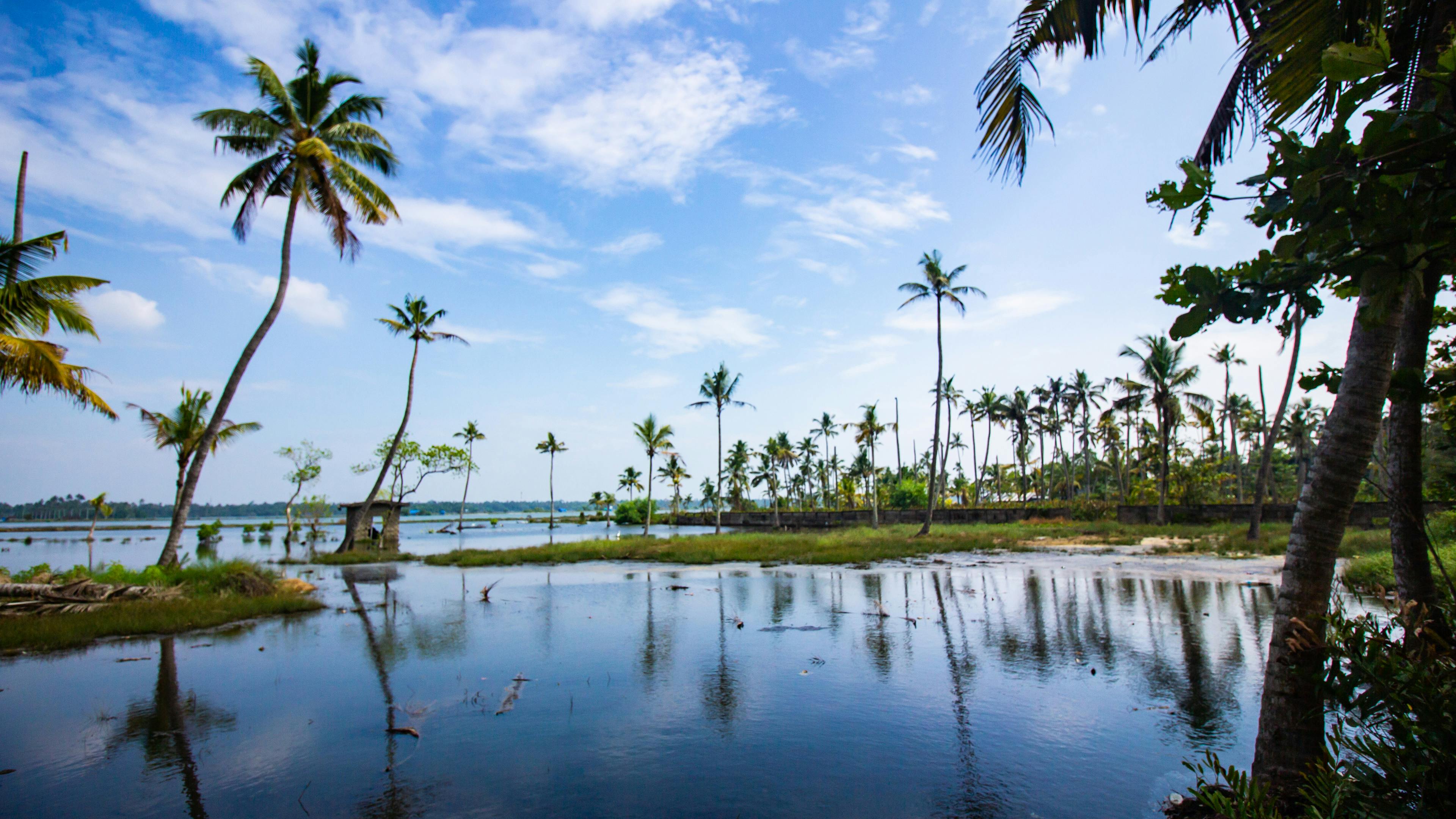
Kerala has long held a near-mythic place in the Indian imagination: a lush strip between the Arabian Sea and the Western Ghats, shaped by spice trade, seafaring merchants, matrilineal traditions, Ayurveda, and monsoon-fed abundance. Across centuries, Arab, Jewish, Portuguese, Dutch, and British influences left their marks here, which is why a Kerala itinerary can move so gracefully from synagogue to palace, tea estate to fishing village, temple town to backwater canal.
It is also one of India’s most rewarding regions for a relaxing trip. You will find slower rhythms in the backwaters, deeply rooted food traditions, excellent museums and heritage quarters in Kochi, and some of the country’s most beautiful hill scenery in Munnar. Kerala is famous for appam with stew, karimeen pollichathu, banana chips, Syrian Christian dishes, seafood roasts, and a coffee culture that appears in quiet courtyards as often as on busy streets.
Practically, Kerala is well suited to an 18-day journey because distances are manageable, though roads in the hills can be slow and winding. March is typically warm to hot on the coast and cooler in Munnar, so light clothing, sun protection, modest attire for sacred spaces, and comfortable footwear are essential. For your interests in sightseeing, museums, unique activities, living like a local, and an ashram visit, this route focuses on Kochi, Munnar, and Thiruvananthapuram, with easy day trips and a gentle pace that suits a mid-range budget.
Kochi
Kochi is Kerala’s grand old port city, and one of the most atmospheric places in South India to begin. In Fort Kochi and Mattancherry, history is not tucked behind glass: it hangs in Chinese fishing nets, synagogue lamps, Portuguese church walls, spice godowns, ferry docks, and fading colonial facades that now hold cafes, design stores, and small museums.
This is also your best base for local-life experiences and the backwaters. With your relaxing travel style, Kochi works beautifully as a soft landing: part heritage walk, part food city, part gateway to village life and Alleppey’s waterways.
Days 1-6: Fort Kochi, Mattancherry, museums and local neighborhoods
Arrive into Kochi and transfer to Fort Kochi. If you are flying internationally or via another Indian hub, compare flights on Trip.com or Kiwi.com. Kochi airport to Fort Kochi usually takes around 1 to 1.5 hours by prepaid taxi depending on traffic, often about $12-$22.
Spend your opening days exploring Fort Kochi slowly. The Chinese Fishing Nets are most evocative at sunrise or sunset, when the harbor light turns copper and the waterfront comes alive with fishermen, tea sellers, and locals out for an evening stroll. Nearby, St. Francis Church is tied to Vasco da Gama’s story, and Santa Cruz Basilica offers a striking contrast with its painted interiors and soaring proportions.
Set aside time for Mattancherry Palace, also called the Dutch Palace, where the murals are among the most fascinating historical artworks in Kerala. Then visit the Paradesi Synagogue area in Jew Town, where spice stores, antique shops, and old trading lanes preserve the memory of Kochi’s mercantile past. This is one of the best museum-and-sightseeing combinations in Kerala, especially for a traveler who likes history without wanting a rushed schedule.
For a vivid city introduction, book Best of kochi ! A private tour in kochi with a local guide !. It is a strong fit for the start of the trip because it connects the major heritage sights with local storytelling.

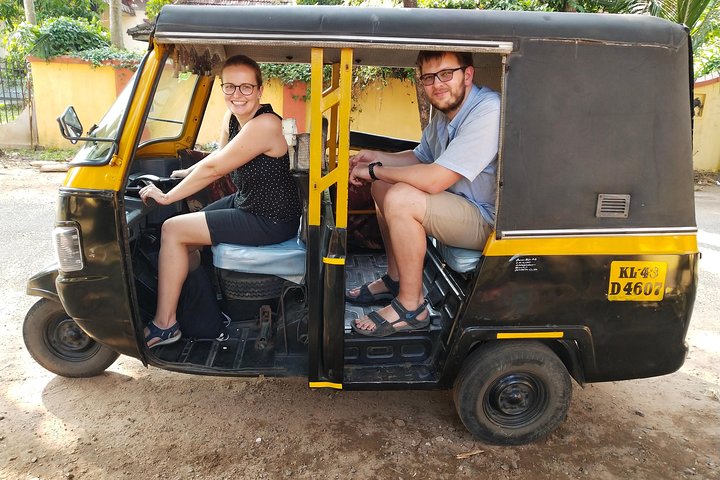
If you want something more playful and street-level, the Adventure Tuk Tuk Tour in kochi - A Private Guided Tour with Hotel Pick up is ideal. A tuk-tuk tour suits Fort Kochi especially well because many lanes are narrow, the pace is intimate, and you feel the city at eye level rather than through a car window.
For museums and arts beyond the major sites, include the Kerala Museum if you do not mind a drive out of the historic core, and keep an eye out for exhibitions around Fort Kochi’s art spaces. In the evening, a Kathakali performance in Fort Kochi is worth seeking out for its makeup ritual and stylized storytelling, even if only once; it adds cultural depth without demanding a full day.
Breakfast and coffee: Kashi Art Cafe remains one of Fort Kochi’s enduring favorites for good reason: leafy courtyard, strong coffee, fresh juices, eggs, baked goods, and a calm morning mood. Loafer’s Corner is excellent for people-watching and a lighter cafe stop, while Lila Art Cafe offers a quieter setting for coffee and breakfast with a bit more tucked-away character.
Lunch: For Kerala seafood and home-style flavors, Oceanos is consistently loved for grilled fish, prawns, and polished but unfussy service. Fusion Bay is another reliable choice for fish molee, crab, and regional curries. If you want a more traditional Kerala meal, ask for a thali or meals service where available; it gives you a broad sense of the local table in one sitting.
Dinner: For a memorable splurge within a mid-range trip, The Rice Boat is known for refined seafood and harbor views. For better value and local depth, try Karthiyayini in the city side for legendary Kerala-style seafood meals, especially if you are open to simple settings and serious food. In Fort Kochi itself, Old Harbour Hotel’s restaurant is a pleasant setting for a slower dinner, especially on your first or second night when you may prefer to stay close to your hotel.
Stay: Browse Fort Kochi stays on VRBO or compare hotels on Hotels.com. For your budget and vibe, prioritize heritage guesthouses, boutique homestays, or well-rated mid-range hotels in Fort Kochi rather than chain properties near the airport.
Days 7-8: Backwaters and village life from Kochi
No relaxing Kerala holiday feels complete without the backwaters. Rather than changing hotels immediately, use Kochi as your launch point for Alappuzha experiences. The classic choice is the Kochi Private Tour: Overnight Alleppey Backwaters Houseboat Cruise, which gives you the unhurried version of the experience: canals edged with coconut palms, village jetties, low bridges, paddy fields, and the soft soundtrack of water, birds, and distant temple music.

If you prefer not to sleep on the water, choose the Private Kerala Backwater Houseboat Day Cruise with Lunch from Cochin. It still delivers the scenery and local canal life, but lets you return to Kochi for the evening.

For more intimate, lower-impact village immersion, the Cochin: Backwater Village Eco Boat Cruise with Lunch is especially appealing. A non-mechanized or smaller-country-boat experience often feels closer to the Kerala you are hoping to see: quieter waterways, glimpses of coir-making, children commuting by boat, and meals rooted in the countryside rather than packaged tourism.
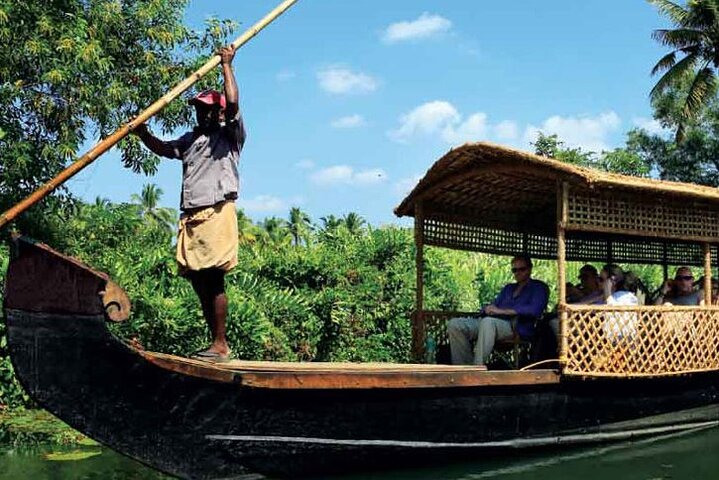
To deepen the “living like a local” angle, add the Kumbalangi Village Sightseeing Tour. Kumbalangi is Kerala village tourism at its most approachable: fishing culture, mangroves, coir craft, crab farming, and everyday domestic life rather than monuments.

If you enjoy food as cultural immersion, the Jasmin Villa Homestay Cookery Class is a smart addition on a free afternoon or evening. Even though cooking classes were not on your original list, this one aligns beautifully with local living and gives you a hands-on understanding of coconut, curry leaves, spice blends, and Kerala home cooking.

Munnar
Munnar is the mountain counterpoint to coastal Kerala: cool air, tea estates rolling like green corduroy, eucalyptus scent after rain, and roads that climb into viewpoints and shola forest. It is one of the best places in South India to slow down without becoming idle; you can do very little and still feel you have seen something extraordinary.
This leg suits your relaxing vibe perfectly. Instead of filling every day, the key is to pair a few signature experiences with long views, quiet mornings, and simple local meals.
Days 9-13: Tea country, soft adventure and scenic rest
Travel from Kochi to Munnar in the morning by private car. The drive usually takes about 4.5 to 5.5 hours depending on traffic and weather; expect roughly $45-$80 for a one-way private transfer arranged locally. For broader transport planning in India, use Trip.com for rail research where relevant and Kiwi.com or Trip.com for flights, though road transfer is the logical choice here.
On arrival, keep the first day light. Check into a hillside stay, have a slow lunch, and spend the afternoon with panoramic viewpoints around town or simply overlooking the plantations from your property. Munnar is most effective when treated as a place to exhale.
Your anchor activity here should be the Munnar Tea Trail Tour with Factory Experience ( By Munnar Info). It aligns perfectly with sightseeing and unique activities, and it explains the region’s colonial-era tea history while letting you walk through the estates and understand how leaf becomes cup.

If you want one more active day without pushing the pace too far, the Wild Elephant Anakulam & Waterfalls Tour(munnar valley Trekking) offers a memorable wildlife-and-landscape contrast. It is best approached as a nature day rather than a strenuous expedition, and it adds a wild edge to an otherwise restful hill stay.

Birders and quiet observers may also appreciate the Thattekad Bird Watching Tour, especially if you prefer low-noise nature experiences. Even for non-birders, Thattekad can be rewarding because Kerala’s birdlife is rich and the sanctuary atmosphere is gentle rather than theatrical.

Outside organized tours, plan for the Tea Museum, the Blossom Hydel Park area for easy walks, and selected viewpoints such as Pothamedu or Top Station if visibility is good. Eravikulam National Park is the biggest regional attraction, known for Nilgiri tahr and broad highland scenery, but do check current entry operations and timings when you are there as access patterns can shift seasonally.
Breakfast and coffee: Many of Munnar’s best mornings happen at the hotel terrace with mist lifting over tea fields, so choose accommodation with a view. In town, Saravana Bhavan is dependable for South Indian breakfast staples like idli, dosa, pongal, and filter coffee. For cafe pauses, look for plantation-view coffee shops or bakery-cafes near the main market; Munnar is more about setting than urban cafe culture.
Lunch: Rapsy Restaurant is a long-time favorite for hearty Kerala and South Indian meals, especially biryani and simple curries. Sri Nivas is useful for vegetarian South Indian comfort food. For a slower midday meal with a view, resort restaurants can be worthwhile here in a way they often are not in cities, because the landscape is part of the experience.
Dinner: Hotel Gurubhavan is known for satisfying local fare in a straightforward setting. KTDC Tea County and similar established properties often provide reliable dinner buffets or a la carte meals if you want convenience after a day in the hills. In Munnar, dinner is less about scene and more about warmth, quiet, and turning in early with cool night air outside.
Stay: Browse villas and apartments on VRBO or compare hotels on Hotels.com. For a budget around the midpoint, choose a plantation-view resort, cottage, or well-reviewed boutique stay slightly outside the busiest center for better peace and scenery.
Thiruvananthapuram
Thiruvananthapuram, Kerala’s capital, is often underestimated by visitors who race past it toward the beaches. That is a mistake. This is one of the state’s most rewarding cities for museums, palace architecture, temple-town atmosphere, and thoughtful cultural travel, and it works especially well for your requested ashram visit.
It also lets the trip end on a reflective note. After Kochi’s layered port history and Munnar’s cool hills, Thiruvananthapuram offers intellectual depth, a gentler urban rhythm, and access to spiritual and coastal excursions.
Days 14-18: Museums, palace heritage, ashram visit and a calm finale
Travel from Munnar to Thiruvananthapuram in the morning. A private road transfer typically takes around 7.5 to 9 hours depending on breaks and traffic, so many travelers prefer either a car to Kochi plus a short flight onward, or a full private drive if they want flexibility. Check flight options on Trip.com or Kiwi.com; if you go by air via Kochi, total door-to-door time is often 5.5 to 7 hours including transfers and airport time, with fares commonly around $35-$90 depending on the route and booking window.
Start with the city’s museum district. The Napier Museum is one of the most interesting museums in Kerala, both for its Indo-Saracenic building and the breadth of its collections. Nearby, the Sri Chitra Art Gallery is a major draw for anyone interested in Indian art history, with works linked to Raja Ravi Varma and other important painters. This pair alone makes Thiruvananthapuram worthwhile for museum lovers.
The Kuthira Malika, or Puthen Malika Palace Museum, is another essential stop. Built by Maharaja Swathi Thirunal, it offers carved wooden interiors, royal artifacts, and a more intimate feel than grand palace complexes elsewhere in India. If you appreciate history told through rooms and objects rather than only labels, this is the city’s strongest palace experience.
For your requested ashram visit, devote a day trip to the Amritapuri Ashram area if you are comfortable with a longer excursion, or alternatively seek a shorter yoga, meditation, or spiritual program arranged through your hotel in or near the capital region. Amritapuri, associated with Mata Amritanandamayi, is one of Kerala’s best-known ashram environments and offers a structured spiritual setting by the backwaters and coast. It is a longer day from Thiruvananthapuram, so many travelers either make it an early start with a car or treat it as a contemplative full-day outing rather than trying to combine it with too much else.
If you prefer a gentler local finale, spend one day in Kovalam or nearby coastal stretches for sea air and a long lunch. Kovalam is no secret, but in the late afternoon, after the day-tripper rush softens, it can still provide the decompression you want before departure.
Breakfast and coffee: Indian Coffee House is a classic Kerala institution and especially worth doing in the capital for atmosphere as much as coffee. For a more modern cafe stop, look for well-rated local coffee shops near the museum district or your hotel; the city’s cafe scene is quieter than Kochi’s but pleasant. Traditional breakfasts of dosa, puttu, appam, and stew remain the better choice here than chasing trendier spots.
Lunch: Mothers Veg Plaza is a strong option for a full Kerala sadya-style vegetarian meal served with variety and local credibility. Villa Maya is ideal if you want one elegant lunch or dinner in a historic setting, especially near the end of the trip when a polished meal feels earned. For seafood and Kerala staples, ask your hotel for the most current local favorite in your neighborhood, as good city options can shift faster than heritage attractions do.
Dinner: For a special final dinner, Villa Maya remains one of the city’s standout settings, combining heritage architecture with a menu that works well for both Indian and international palates. If you want something more rooted in everyday Kerala dining, seek a respected local restaurant serving fish curry meals, appam, and Malabar-style dishes rather than a generic multicuisine venue.
Stay: Compare city stays on VRBO or hotels on Hotels.com. For your travel style, choose either a central hotel near the museum district for easy sightseeing or a quieter beachside stay in Kovalam for the final nights, accepting a longer commute into the city.
Departure notes
Thiruvananthapuram International Airport is the easiest departure point for this route. Use Trip.com or Kiwi.com to compare onward flights. Arrive early for international departures, and remember that Kerala’s city traffic can be slower than maps suggest, particularly around peak commuting hours.
This 18-day Kerala itinerary is built for calm discovery rather than constant motion: Kochi for heritage, backwaters, and local culture; Munnar for tea-country rest and nature; Thiruvananthapuram for museums, palace history, and your ashram-focused finale. It is a route that gives you the famous Kerala highlights, but also the quieter pleasures that make people return: unhurried meals, conversations with locals, ferry wakes, temple bells, and the green hush between one destination and the next.