
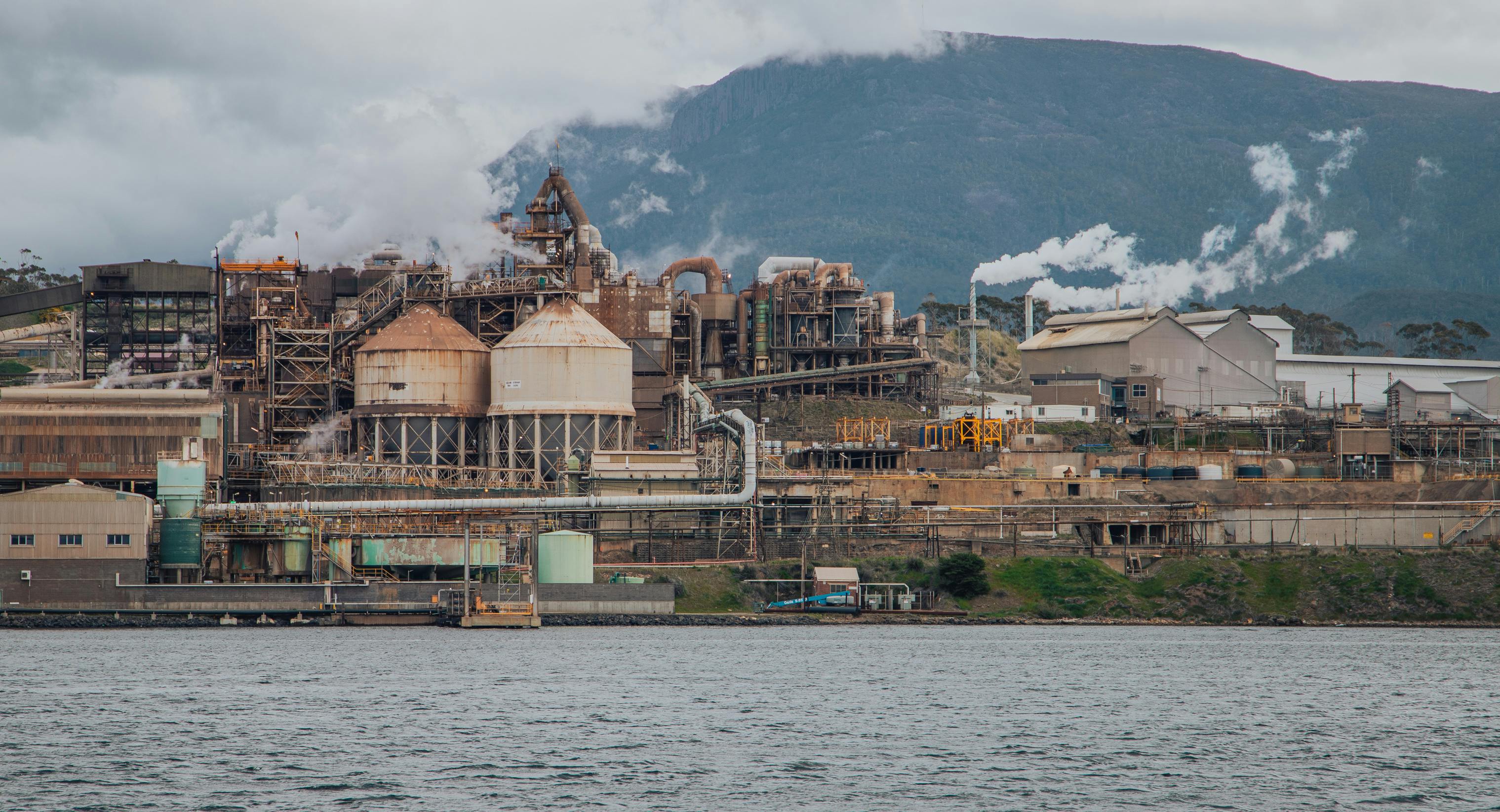
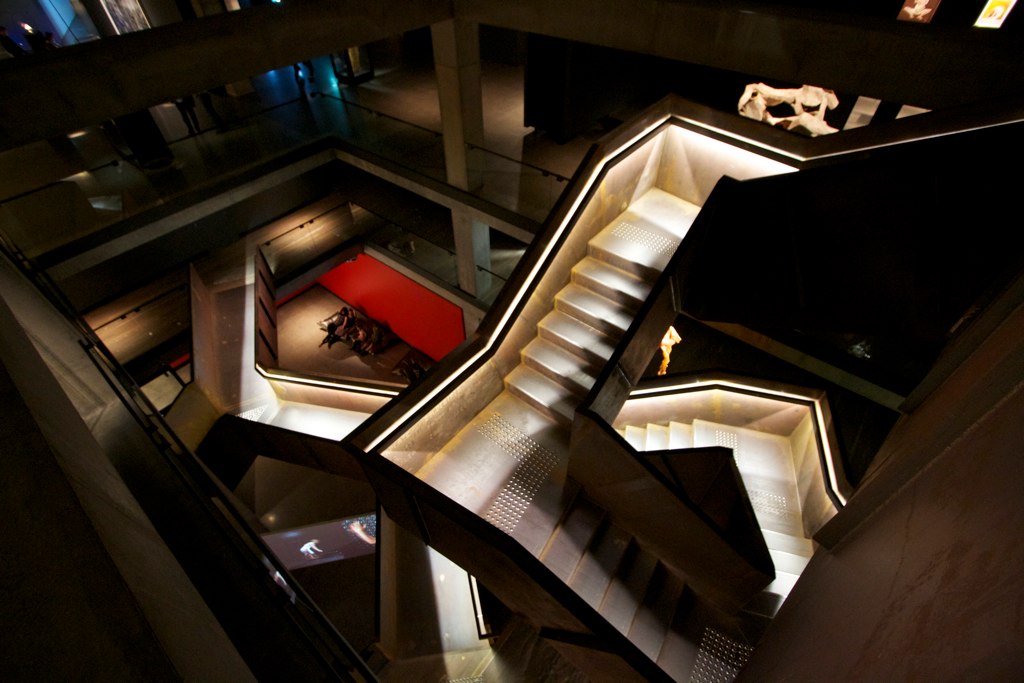
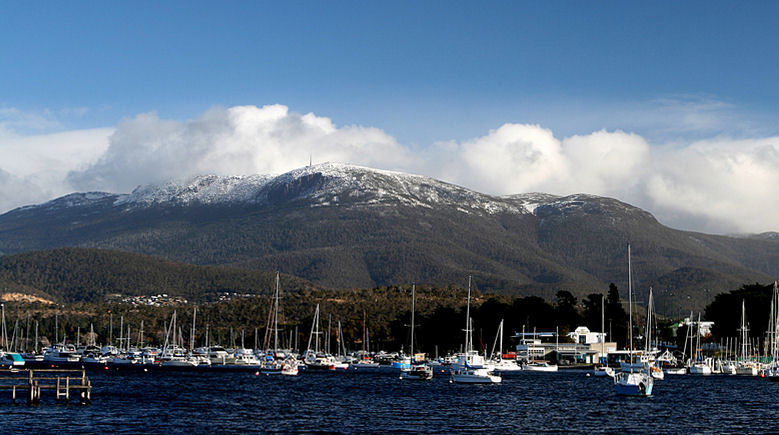
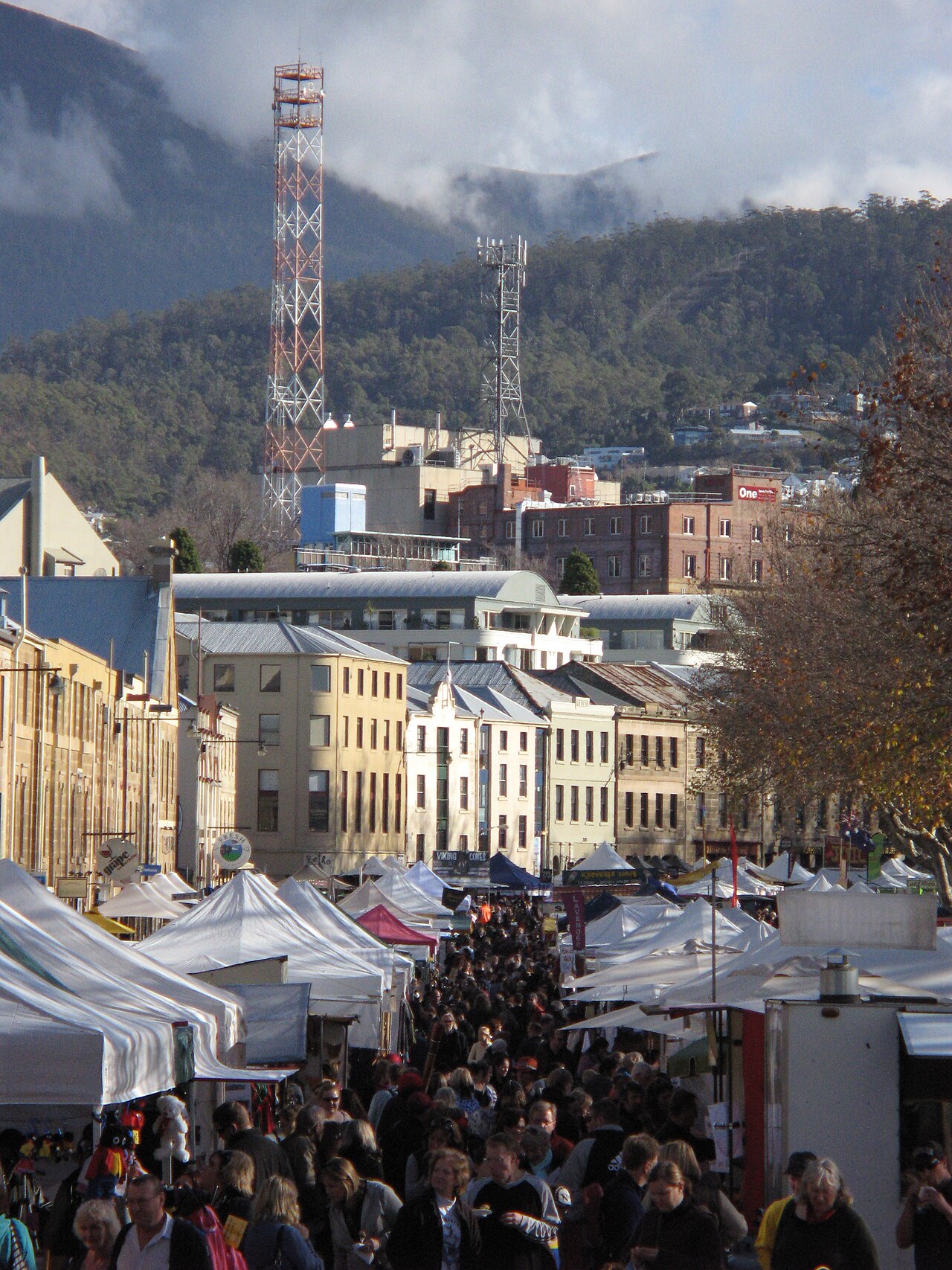
Hobart is Australia's second-oldest capital, founded as a British penal settlement in 1804 and still stitched together with sandstone warehouses, whaling-era wharves, and cottages that climb the hills above the Derwent River. It sits beneath kunanyi/Mount Wellington, a 1,271-metre massif that often wears snow in winter, and it has reinvented itself around one of the most talked-about art museums on earth, MONA.
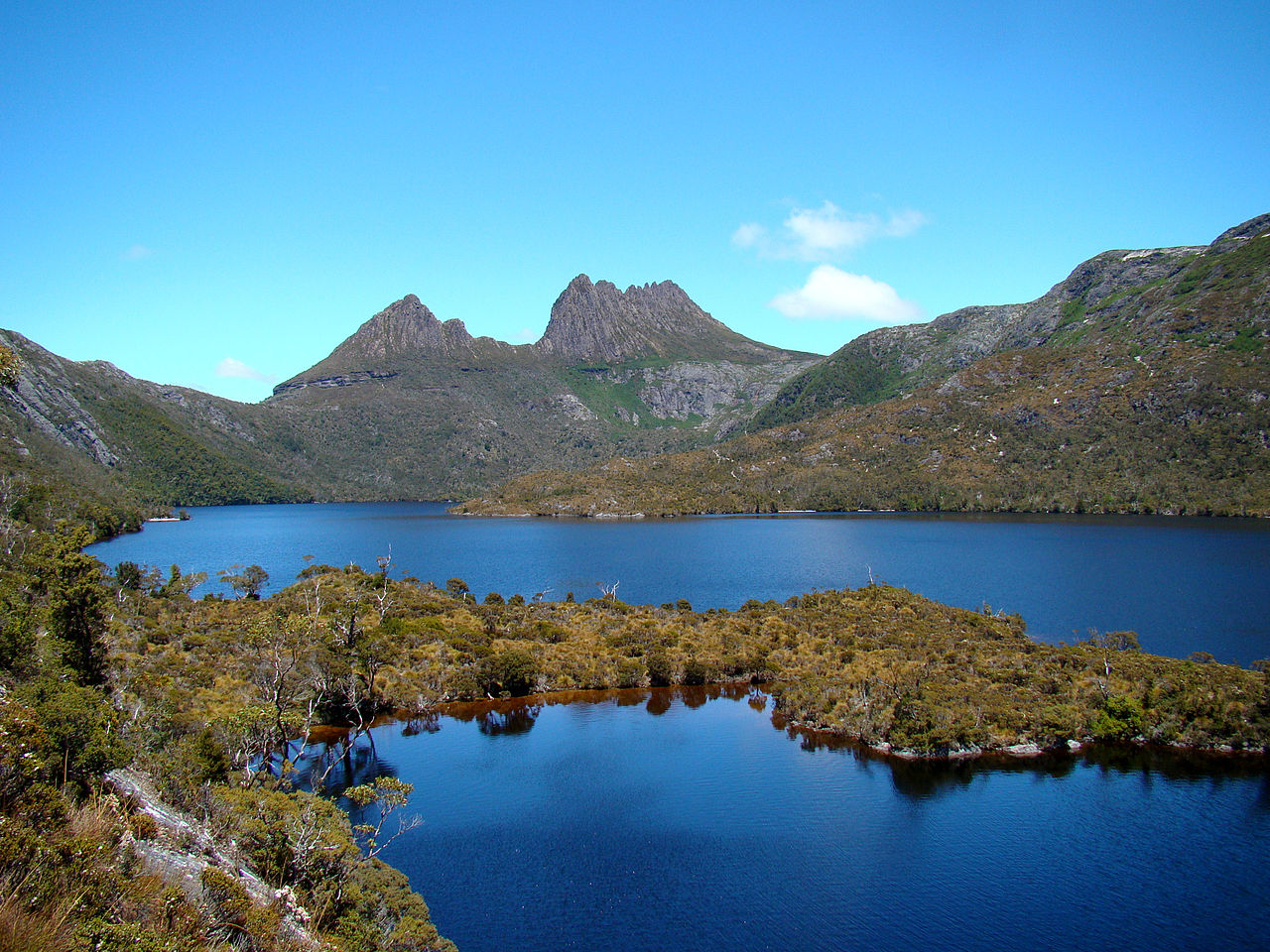
For a city of roughly 250,000, Hobart punches far above its weight on food and drink: cool-climate pinot and sparkling from the Coal River and Derwent valleys, oysters and abalone from surrounding channels, world-class whisky, and a Saturday market at Salamanca that has run since 1972. It is also the natural launchpad for Tasmania's south and east, with Port Arthur, Bruny Island, Freycinet, Mount Field, and even Cradle Mountain all reachable as day trips.
Getting around is easy: the compact centre is walkable, a ferry runs to MONA, and a hire car unlocks the rest of the island (drive on the left, watch for wildlife at dusk). July is deep winter here, so pack for cold, short days, and possible snow on the mountain, but expect crisp light, roaring fires, roaring seas on the cruises, and far smaller crowds than summer.
Base yourself in Hobart for the full 17 days and let the city's rhythm set the pace: harbour mornings, mountain afternoons, and long dinners built around Tasmanian produce. With more than two weeks you have the luxury of pairing headline day trips (Bruny, Port Arthur, Freycinet, Cradle Mountain) with slow, unhurried days wandering Battery Point, the galleries of North Hobart, and the cellar doors of the Coal River Valley.












Where to Stay
For a first visit, stay on or near the waterfront and Salamanca (walking distance to restaurants, the market, and the MONA ferry) or in the CBD around Elizabeth and Collins streets. Battery Point offers quiet, historic charm a few minutes' stroll from the action, while Sandy Bay (home to Wrest Point) trades central buzz for water views and easy parking, handy if you're running day trips by car.
The Alabama Hotel
midrange GoogleA well-loved boutique hotel on Liverpool Street in the heart of the CBD, with quirky, individually styled rooms and a genuinely central location minutes from Salamanca and the waterfront. Excellent value for a comfortable, characterful central base.
Wrest Point
family friendly GoogleTasmania's iconic tower hotel in Sandy Bay, with wide Derwent and mountain views, on-site dining, parking, and larger rooms that suit families or car-based travellers. About 10 minutes from the centre and handy for early day-trip departures.
Montacute Boutique Bunkhouse
budget GoogleA stylish, design-forward budget stay in Battery Point that mixes private rooms with shared spaces, a short walk from Salamanca. Ideal for value-minded travellers who still want charm and a great location.
MACq 01 Hotel
luxury GoogleHobart's marquee waterfront hotel, a 'storytelling' property right on Hunter Street where every room is themed around a real Tasmanian character. Steps from the wharves, cruises, and restaurants; the splurge pick if you want to be at the heart of the harbour.
Waterfront or Sandy Bay apartment rental (VRBO)
family friendly GoogleFor 16 nights, a self-contained apartment with a kitchen and laundry pays off, especially for families or groups cooking with market produce. Look around the waterfront, Battery Point, or Sandy Bay for water views and parking.
Seventeen days give Hobart the time it deserves: enough to know its cafes and cellar doors by name, to feel the city's convict-era bones under your feet, and to fan out across Tasmania's south and east, from Bruny and Port Arthur to Freycinet, Maria Island, and Cradle Mountain. Balance the big days on the road with slow mornings on the waterfront and you'll leave understanding why so many visitors quietly start plotting a move. Rug up, chase the winter light, and eat and drink your way through one of Australia's most surprising corners.