
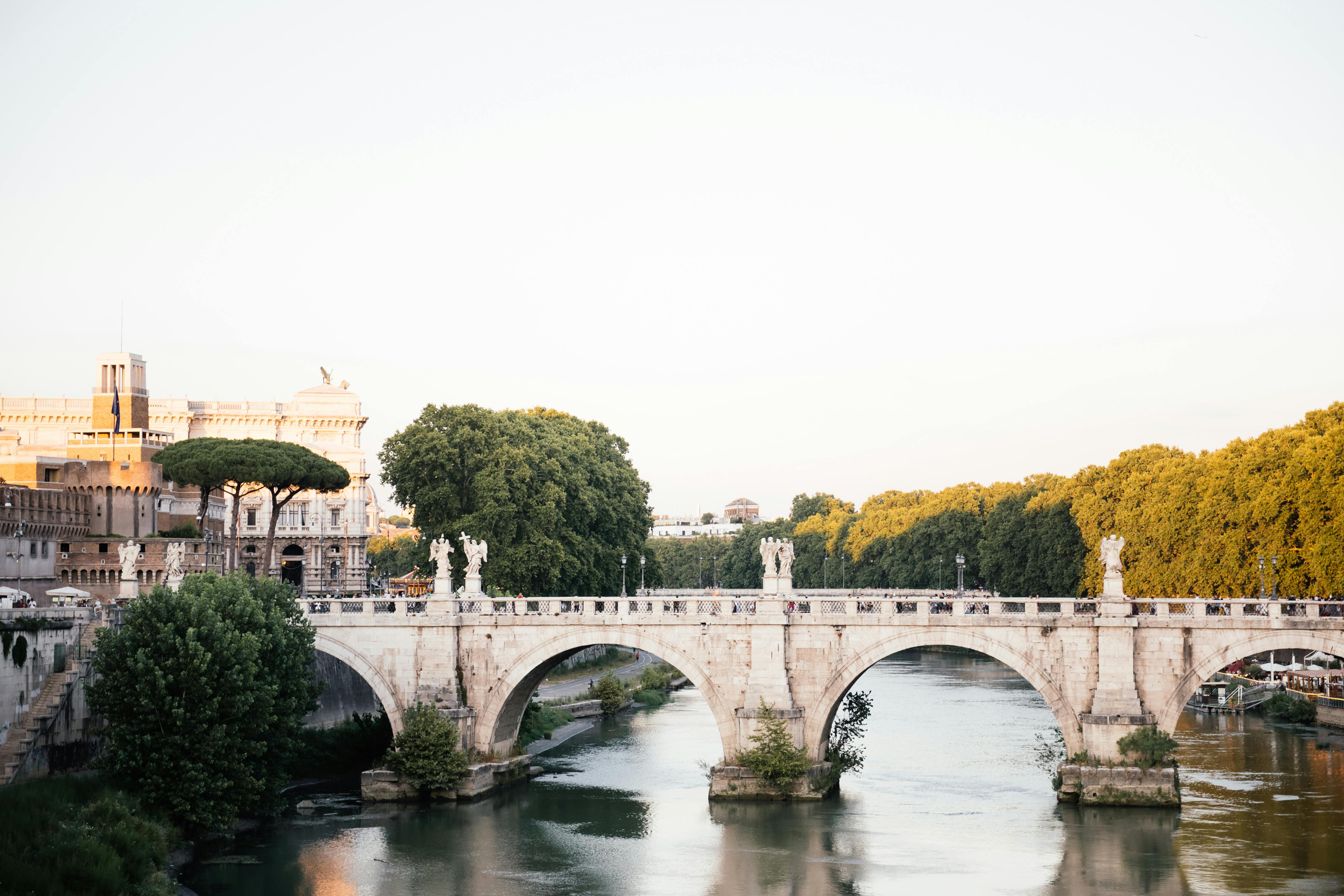
Italy rewards repeat travelers with new layers: the volcanic energy of Naples, the Riviera di Ulisse’s soft-sand coves, Abruzzo’s mountains and hermitages, Umbria’s Sagrantino vines, and Rome’s ever-brilliant palimpsest of past and present. This 16-day itinerary strings them into a logical, scenic loop that starts with 3 nights in Naples, sets aside 3 days just for the beach, gives you three distinct two-night town stays, adds a 2-night agriturismo, and finishes with 2 nights in Rome.
Historically, you’ll touch Roman villas in Sperlonga, medieval aqueducts in Sulmona, travertine piazzas in Ascoli Piceno, frescoes that shook Renaissance art in Orvieto, and the Vatican’s millennia of masterpieces in Rome. Food-wise, expect sfogliatelle, fried pizza, olive ascolane, mountain cheeses, Sagrantino wines, and Roman carbonara—as local as it gets.
Practicalities: You’ll land in Rome, train to Naples, then pick up your rental car when leaving Naples. You’ll drop it in Rome before your finale—no need to drive in the city’s ZTL zones. For rail and bus segments (or backup options), search schedules and fares on Omio (flights in Europe), Omio (trains), and Omio (buses). Distances here are manageable; we note drive times, tolls, and parking tips along the way.
Naples
Days 1–3: Welcome to Naples—Art, Archaeology, and Pizza
Naples is unapologetically alive: laundry fluttering over alleyways, baristas slinging inky espresso, and artisans shaping nativity figurines on Via San Gregorio Armeno. Use your first three nights to balance art and archaeology with deep-dive eating.
- Top highlights: National Archaeological Museum (home to the Farnese marbles and Pompeii mosaics), the Sansevero Chapel’s Veiled Christ, and a wander along Spaccanapoli. Dive beneath the city with Napoli Sotterranea or Galleria Borbonica to grasp its layered geology.
- Day trip options: Pompeii (1 hr drive; parking at Porta Marina), or train on Circumvesuviana (~40–50 min from Napoli Porta Nolana) and hike Vesuvius’ crater (reserve shuttle up to the trailhead). Capri and Procida ferries depart from Molo Beverello (seasonal frequency).
- Eat & drink like a local:
- Breakfast/coffee: Gran Caffè Gambrinus (Belle Époque room, great sfogliatelle), Caffè Mexico (fiery espresso served “bollente”), and Sfogliatella Mary by Galleria Umberto (crunchy riccia or soft frolla).
- Lunch: Sorbillo or Di Matteo on Via dei Tribunali for classic margherita; Concettina ai Tre Santi in the Rione Sanità for creative pies; Il Cuoppo for fried seafood cones.
- Dinner: Trattoria Da Nennella (Spanish Quarter, theatrical service, simple pastas), Osteria La Chitarra (handmade pasta), and seafood at Da Emilia along Borgo Marinari under Castel dell’Ovo.
- Sweets: Gay-Odin (historic chocolate) and Casa Infante for gelato.
- Where to stay: Search VRBO Naples or Hotels.com Naples. For first-timers, Centro Storico and Spanish Quarter offer walkability; Chiaia is stylish and quieter evenings.
- Getting in: From Rome FCO, take the Leonardo Express to Roma Termini (32 min, ~€14), then a Frecciarossa/Italo to Napoli Centrale (~1h10, €20–€50). Compare schedules/prices on Omio (trains). If flying within Europe, check Omio (flights).
- Car pickup: Collect your rental the morning you leave Naples (Day 4) at Napoli Centrale or the airport to avoid city driving and parking fees.
Sperlonga (Beach Break)
Days 4–6: Three Days of Sand, Sea, and Roman History
Sperlonga sits on the Riviera di Ulisse—whitewashed lanes spilling toward long, sandy crescents and teal water. It’s blissfully low-key compared to the Amalfi Coast, with excellent beach clubs and an evocative Roman villa and grotto once used by Emperor Tiberius.
- Getting there (with your rental): Naples to Sperlonga is ~1.5–2 hours via A1/SS7. Expect ~€8–€12 in tolls and easy paid parking outside the historic center. Without a car, train Napoli Centrale → Fondi–Sperlonga (~1h20, €7–€12), then local shuttle (15–20 min). See Omio (trains) and Omio (buses).
- What to do: Reserve loungers at Lido Aurora or Lido Gabbiano (calm water, family-friendly), visit the Archaeological Museum and Grotto of Tiberius, and stroll to Torre Truglia at sunset. Boat trips to Gaeta’s sea caves are a scenic half-day.
- Eat & drink:
- Breakfast/coffee: Bar Torre Truglia (sea views) and Bar Napoletano (proper espresso).
- Lunch: Gli Archi (seafood pastas) or Il Portico (grilled catch and salads) near the old town.
- Dinner: Altro Sperlonga (creative Mediterranean plates), Da Fausto (classic seafood), or Mudejar for crudo and cocktails.
- Sweets: Gelateria Tropical for fruit-forward sorbets after the beach.
- Where to stay: Browse VRBO Sperlonga and Hotels.com Sperlonga. Look for beachfront stays on Spiaggia di Levante or a whitewashed loft in the upper borgo.
Sulmona (Abruzzo)
Days 7–8: Mountain Air, Medieval Aqueducts, and Confetti
Your first two-night town stay lands in Sulmona, under the wild ridges of Majella National Park. The medieval aqueduct frames piazzas where vendors sell confetti—sugared almonds invented here and still artfully bundled for celebrations.
- Drive: Sperlonga → Sulmona ~2.5 hours via A24. Tolls ~€12–€18. Park in signed lots near the center; avoid ZTL gates around Corso Ovidio.
- Explore: Piazza Garibaldi and the aqueduct, the Annunziata complex, and nearby Pacentro (a photogenic stone village). Hike to the Eremo di San Bartolomeo or drive to Campo di Giove for views.
- Eat & drink:
- Breakfast: Bar Capograssi (espresso and cornetti); pick up artisanal confetti at Pelino Museum Shop.
- Lunch: Il Vecchio Muro (Abruzzese comfort dishes like arrosticini), La Cantina di Biffi for cured meats and cheeses.
- Dinner: La Locanda di Gino (tiny, seasonal; book ahead) or Ristorante Clemente (regional tasting menus).
- Gelato: Gelateria-Angolo di Ghiaccio for classic flavors.
- Where to stay: See VRBO Sulmona or Hotels.com Sulmona. Seek historic-center apartments with balcony views of the mountains.
Ascoli Piceno (Marche)
Days 9–10: Travertine Squares and Olive Ascolane
Two hours east lies Ascoli Piceno, a travertine jewel with one of Italy’s finest piazzas. Life orbits Piazza del Popolo and its arcades, where locals sip anisette beneath Art Nouveau chandeliers at storied cafés.
- Drive: Sulmona → Ascoli Piceno ~2 hours via SS17/A24. Tolls ~€8–€12. Good parking by Parcheggio Torricella (walk uphill or use the escalators).
- See & do: Piazza del Popolo, the Roman bridge of Solestà, and the Forte Malatesta. Don’t miss stuffed, fried olive ascolane—a city classic.
- Eat & drink:
- Caffè Meletti: Order Anisetta Meletti or a cappuccino on the terrace—pure Marche elegance.
- Snack: Migliori for olive ascolane and cremini (fried custard squares).
- Lunch: La Bottega del 123 (market-driven plates), Osteria Nonna Nina (handmade pastas).
- Dinner: Piccolo Teatro (intimate, seasonal tasting menus) or Ristorante Desco.
- Wine: Offida Pecorino and Rosso Piceno feature on most lists.
- Where to stay: Browse VRBO Ascoli Piceno and Hotels.com Ascoli Piceno. Aim for stays near Piazza del Popolo for atmosphere.
Montefalco & Bevagna (Umbria Agritourism)
Days 11–12: Two Nights on a Farm—Vines, Olive Groves, and Slow Living
Slide into Umbria for your agriturismo stay around Montefalco and Bevagna, home to Sagrantino wines, medieval stone towns, and cypress-dotted trails. This is your slow-living chapter—tastings, farm breakfasts, and golden-hour drives to hilltops.
- Drive: Ascoli Piceno → Montefalco/Bevagna ~2.5–2.75 hours via SS77 and SS3. Little to no tolls. Many agriturismi provide on-site parking.
- What to do: Book Sagrantino and Montefalco Rosso tastings at estates like Arnaldo Caprai or Scacciadiavoli (call ahead). Wander Bevagna’s Roman mosaics and Montefalco’s viewpoints; detour to flower-strewn Spello. Consider an olive oil mill visit if in season.
- Eat & drink:
- Breakfast: Pasticceria Vinti (Bevagna) for crostate and coffee; many agriturismi serve house-baked cakes.
- Lunch: Enoteca L’Alchimista (Montefalco) for local cheeses, truffles, and Sagrantino by the glass.
- Dinner: Locanda del Teatro (creative Umbrian plates) or Osteria del Podestà (Bevagna) for tagliatelle al tartufo.
- Where to stay: Search countryside stays on VRBO Montefalco, VRBO Bevagna, or check Hotels.com Montefalco / Hotels.com Bevagna. Look for pool, on-site restaurant, and vineyard views.
Orvieto
Days 13–14: Clifftop Cathedral, Underground Tunnels, and Umbrian Whites
Perched on volcanic tufa, Orvieto is dramatic at first glance and richer up close. The Duomo’s zebra-striped façade hides Luca Signorelli’s apocalyptic frescoes that influenced Michelangelo; below ground lies a honeycomb of Etruscan and medieval caves.
- Drive: Montefalco/Bevagna → Orvieto ~1.5 hours. Park at the Campo della Fiera lot or lower funicular parking; ride the funicular up to avoid ZTLs.
- Must-sees: Orvieto Duomo, the Pozzo di San Patrizio (spiral double-helix well), Torre del Moro for views, and a guided Orvieto Underground tour.
- Eat & drink:
- Breakfast: Bar Montanucci (historic pastry shop) for maritozzi and cappuccino.
- Lunch: Trattoria del Moro Aronne (umbrichelli pasta, wild boar ragù).
- Dinner: Trattoria La Palomba (signature pigeon and truffle dishes) or Il Malandrino (seasonal tasting menu).
- Wine: Orvieto Classico pairs beautifully with local cheeses.
- Where to stay: Explore VRBO Orvieto or Hotels.com Orvieto. Consider lower-town parking with easy funicular access.
- Optional rail onward: Trains Orvieto → Roma Termini ~1h15–1h30 (€9–€20). If you prefer not to drive into Rome, return the car in Orvieto and ride in—see Omio (trains).
Rome
Days 15–16: Grand Finale—Ancient Wonders, Neighborhood Flavor
Drive to Rome in the morning, return your car at a city-edge or Termini location, and spend two nights car-free. Pair headline sites with neighborhood eats—Trastevere, Monti, Testaccio—and a late gelato by the Tiber.
- Drive: Orvieto → Rome ~1.5–2 hours. Strongly consider dropping the car at Roma Termini or FCO before entering the center (avoid ZTL fines). Then walk/metro/taxi.
- Big hitters: Colosseum, Roman Forum, Palatine Hill, Trevi Fountain, Pantheon, and Vatican City. Book timed entries for Vatican and Colosseum.
- Curated Viator experiences (skip-the-lines and storytelling guides):
- Skip-the-Line Group Tour of the Vatican, Sistine Chapel & St. Peter's Basilica — prioritize masterpieces and save hours in queues.

Skip-the-Line Group Tour of the Vatican, Sistine Chapel & St. Peter's Basilica on Viator - Colosseum Arena Floor, Roman Forum and Palatine Hill Guided Tour — enter via the Gladiator’s Gate for a goosebump-inducing arena view.

Colosseum Arena Floor, Roman Forum and Palatine Hill Guided Tour on Viator - Winner 2025 Rome Twilight Trastevere Food Tour by Eating Europe — an evening of suppli, porchetta, Roman wines, and trattoria stops.

Winner 2025 Rome Twilight Trastevere Food Tour by Eating Europe on Viator - Rome by Night: Golf Cart Tour — cover more ground with sparkling-lit views and storytelling from a local guide.

Rome by Night: Golf Cart Tour on Viator
- Skip-the-Line Group Tour of the Vatican, Sistine Chapel & St. Peter's Basilica — prioritize masterpieces and save hours in queues.
- Eat & drink:
- Breakfast/coffee: Sant’Eustachio Il Caffè (legendary crema), Marigold in Ostiense (sourdough and eggs), Pasticceria Regoli (maritozzo with cream).
- Lunch: Roscioli Salumeria con Cucina (Roman pastas, cured meats), Trapizzino (filled pizza pockets; try coda alla vaccinara), Forno Campo de’ Fiori (pizza al taglio).
- Dinner: Da Enzo al 29 (Trastevere, classic carbonara and amatriciana), Armando al Pantheon (old-school trattoria), and Cesare al Casaletto (fried starters, great wine list).
- Gelato: Fatamorgana (inventive flavors), Gelateria del Teatro (seasonal fruit blends).
- Wine bars: Il Goccetto (by-the-glass gems) and Enoteca Ferrara (Trastevere). Arrive early to snag seats.
- Where to stay: Filter for Centro Storico, Monti, or Trastevere on VRBO Rome and Hotels.com Rome.
Logistics & Driving Notes (for the whole trip)
- Rental car: Pick up in Naples on Day 4; drop in Rome on Day 15. One-way fees within Italy are usually modest—confirm when booking.
- ZTLs: Historic centers across Italy use restricted traffic zones. Park in public lots and walk; your agriturismo and beach hotels can advise closest parking.
- Tolls & fuel: Expect €1.80–€2.00/L gasoline as a planning baseline; motorway tolls on A24/A1 segments run roughly €8–€18 per leg cited above.
- Public transport alternatives: For any leg you’d prefer to train or bus, compare options on Omio (trains) and Omio (buses).
- Timing between cities: We’ve built in morning departures; each drive is ~1.5–2.75 hours except one 2.5-hour segment—ample time for lunch stops and check-ins.
Accommodation Links (quick access)
- Naples: VRBO | Hotels.com
- Sperlonga: VRBO | Hotels.com
- Sulmona: VRBO | Hotels.com
- Ascoli Piceno: VRBO | Hotels.com
- Montefalco: VRBO | Hotels.com
- Bevagna: VRBO | Hotels.com
- Orvieto: VRBO | Hotels.com
- Rome: VRBO | Hotels.com
Suggested Multi-Day Flow (at a glance)
- Days 1–3: Naples (no car; train in)
- Days 4–6: Sperlonga beach (pick up car Day 4 in Naples)
- Days 7–8: Sulmona (Town Stay #1)
- Days 9–10: Ascoli Piceno (Town Stay #2)
- Days 11–12: Montefalco/Bevagna agriturismo (2 nights)
- Days 13–14: Orvieto (Town Stay #3)
- Days 15–16: Rome (drop car; 2 nights)
In sixteen days you’ll taste Naples’ swagger, float in Sperlonga’s calm waters, breathe Abruzzo’s mountain air, and swirl Umbrian Sagrantino before standing on the Colosseum’s stones. This route balances driving with downtime, headline sights with local life, and coastal swims with vineyard sunsets. Buon viaggio—this is Italy at a deeply enjoyable pace.