
15 Days in Spain: A Relaxed Madrid, Seville & Barcelona Itinerary for Food, Culture and Coast
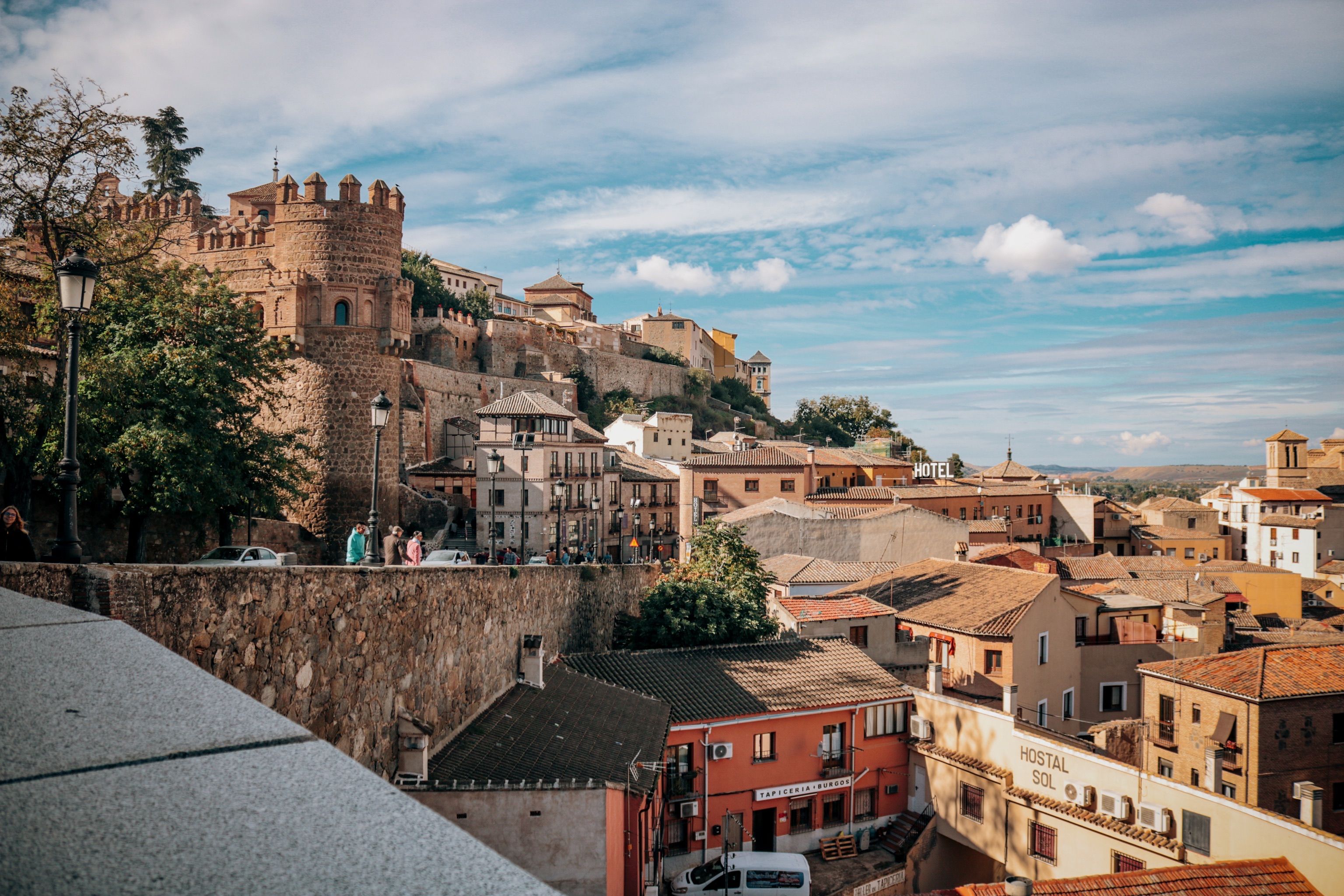
Spain is one of those rare countries that feels both monumental and intimate. Empires, kingdoms, and artistic revolutions have left their mark here, yet daily life still unfolds over coffee at the bar, long lunches, evening promenades, and late dinners beneath warm stone facades.
For a 15-day trip, the smartest rhythm is to focus on three cities with distinct personalities: Madrid, Sevilla, and Barcelona. Together they give you royal history, Moorish grandeur, world-class museums, tapas culture, neighborhood life, beaches, nightlife, and some of Europe’s finest high-speed rail connections.
March through early summer and September through November are especially pleasant for this route, though Spain remains busy around major holidays and weekends, so book headline sights in advance. Meals run later than in many countries, museum closures can vary by weekday, and in Barcelona and Sevilla especially, comfortable walking shoes will serve you better than any fashion statement.
Madrid
Days 1-5: Royal Madrid, museum treasures, tapas streets and local neighborhoods
Begin in Madrid, Spain’s stately and sociable capital. It is a city of grand plazas and serious art, but what makes it memorable is how livable it feels: elegant parks, old taverns, excellent coffee, and neighborhoods that reward unhurried wandering.
Spend your first days around the historic core: Puerta del Sol, Plaza Mayor, the Royal Palace, Plaza de la Villa, and the arcaded streets of old Madrid. The architectural sweep is impressive, but the real pleasure comes from pausing often, ducking into tiled bars, and letting the city reveal itself in small scenes rather than rushing monument to monument.
The museum triangle deserves proper time. The Prado is the essential stop for Velázquez, Goya, Rubens, and El Greco; the Reina Sofía adds modern gravitas with Picasso’s Guernica; and the Thyssen-Bornemisza fills in centuries of European painting with remarkable range. Even travelers who do not consider themselves museum people usually leave the Prado converted.
For a more relaxing Madrid afternoon, walk through El Retiro Park. Rent a rowboat on the lake if you like a gentle boating moment, then stroll toward the Crystal Palace and finish in the Salamanca district, where wide avenues, polished storefronts, and handsome cafés make shopping feel civilized rather than frantic.
To get your bearings without exhausting yourself, I’d consider Tour Welcome Madrid in Eco Tuk Tuk Private with Local Guide. It is a particularly good first- or second-day activity because it introduces major districts with minimal effort and helps you decide where you want to return on foot later.

For royal history, book Madrid: Royal Palace Guided Tour with Skip the Line Ticket. The palace is among Europe’s most opulent royal residences, and a guided visit brings context to the ceremonial rooms, Bourbon history, and the sheer theatrical scale of the interiors.

If art is a priority, Prado Museum Small Group Tour with Skip the Line Ticket is worth it. The Prado can overwhelm first-timers, and a strong guide turns it from a giant collection into a coherent story of Spain, power, religion, and portraiture.

Because you’re a foodie, reserve one social evening for Madrid Tapas & Wine Tasting Walking Tour – Small Group Local Bars. It suits the city beautifully: moving between neighborhood bars, tasting classics, and learning the small codes of Madrid dining culture.

For breakfast and coffee, start with HanSo Café in Malasaña for specialty coffee in one of Madrid’s most relaxed creative districts. Toma Café is another excellent choice, known for serious coffee and a local crowd rather than a tourist churn. If you want something more traditional, take churros and thick hot chocolate at Chocolatería San Ginés; yes, it is famous, but it remains a classic for good reason.
For lunch, try Casa Dani inside Mercado de la Paz for one of Madrid’s beloved tortillas, soft-centered and deeply satisfying without fuss. La Casa del Abuelo is ideal for gambas al ajillo and vermouth in a standing-room atmosphere that feels pleasingly old Madrid. Taberna El Sur is dependable for a long, easy tapas lunch if you want variety without ceremony.
For dinner, book Sala de Despiece if you want a modern, ingredient-driven meal with energy and style. For a more local tavern mood, Bodega de la Ardosa offers vermouth, tortilla, and classic small plates in a historic setting. If you want something celebratory but still grounded in Spanish cooking, Casa Lucio remains famous for huevos rotos and old-school Madrid dining theater.
For shopping, browse Salamanca’s Serrano and surrounding streets for polished fashion and Spanish brands. For a more independent, local feel, Malasaña and Chueca offer smaller boutiques, bookstores, record shops, and excellent people-watching between coffee stops.
Nightlife in Madrid begins late. For a relaxed evening, take rooftop drinks at Círculo de Bellas Artes for one of the best city panoramas, or settle into wine bars in La Latina. If you want something more distinctly Spanish, book Essential Flamenco: Pure Flamenco Show in the Heart of Madrid, an intimate way to experience an art form you will later encounter again in Andalusia.

If you would like one day beyond the capital, a guided excursion such as From Madrid: Segovia & Toledo with Alcazar and Cathedral adds medieval Spain without needing to change hotels. It is a long day, so I would do it only if you feel energetic; otherwise, Madrid easily fills five days at a slower, better pace.
Where to stay in Madrid: The Westin Palace, Madrid for a classic central address near the Prado; Novotel Madrid Center for strong mid-range value and easy transit; Hostal Persal for a simpler, well-located stay. You can also browse broader options on VRBO Madrid and Hotels.com Madrid.
Getting to Madrid: For flights into Spain or Europe connections, compare options on Omio flights. If you are already in Europe and considering rail options onward later, keep Omio trains handy.
Day 6: Morning train from Madrid to Sevilla
Take a morning high-speed AVE train from Madrid to Sevilla Santa Justa. Travel time is typically about 2 hours 40 minutes to 3 hours, and booking ahead often yields fares around $30-$80 depending on class and demand.
Use Omio trains to compare schedules and fares. This is one of Europe’s most comfortable city-to-city transfers, making Sevilla a far better choice by rail than by air for this route.
Sevilla
Days 6-10: Moorish palaces, orange-scented lanes, tapas bars and Andalusian evenings
Sevilla slows the pulse in the best possible way. It is a city of patios, tiled facades, jasmine in the evening air, and streets that seem designed for aimless wandering until you emerge into another beautiful square.
Base yourself near Santa Cruz, the former Jewish quarter, where narrow lanes, hidden courtyards, and whitewashed walls create the city’s most atmospheric walks. Sevilla’s core is compact, which suits a relaxing trip perfectly: you can reach major sights on foot and still leave ample time for long meals and lazy pauses.
The essential sights are superb. The Real Alcázar layers Islamic, Mudéjar, Gothic, and Renaissance influences into one of Spain’s great palace complexes, while the Cathedral and La Giralda tell the story of Christian Seville rising from an earlier mosque footprint. Nearby, the Archivo de Indias quietly anchors the city’s role in the age of empire.
Do not miss Plaza de España in María Luisa Park, especially in softer morning or late-afternoon light. Its sweeping semi-circular design, tiled provincial benches, and little canal boats give it a theatrical quality, and it is one of the rare monumental spaces that still feels playful.
Your must-book activity here is Alcazar and Cathedral of Seville Tour with Skip the Line Tickets. These two landmarks can be crowded, and combining them with a guide helps you understand how Muslim, Jewish, and Christian histories overlap in Sevilla more vividly than any plaque can explain.
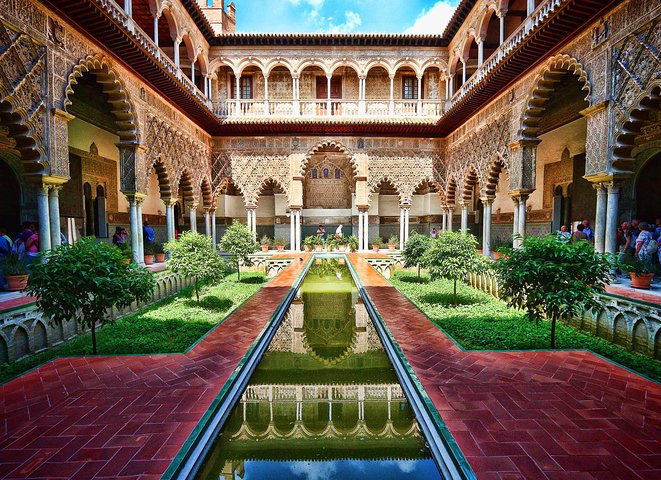
Sevilla is also a city to experience rather than merely tick off. Walk across to Triana, historically associated with ceramics, sailors, and flamenco, and spend an afternoon along Calle Betis or around the market. It feels more local, less polished, and all the more interesting for it.
For coffee and breakfast, try Virgin Coffee for a modern specialty-coffee pause near the center, or Parcería Café for excellent coffee and a more contemporary brunch feel. If you want something classic Andalusian, order tostada con tomate y aceite at a neighborhood café-bar and keep it simple; in Sevilla, simplicity is often the point.
For lunch, Mercado de Triana is a smart stop because you can graze rather than commit to one heavy meal. Las Golondrinas in Triana is a strong pick for montaditos and traditional tapas with local credibility. Bodeguita Romero is a favorite for pringá montaditos and a casual old-school atmosphere near the cathedral area.
For dinner, Eslava remains one of Sevilla’s most consistently satisfying restaurants, inventive enough to feel special but grounded in Andalusian flavors. Cañabota is excellent if seafood is your priority and you want a polished meal without stuffiness. For a more intimate and modern experience, La Azotea is reliably strong for seasonal plates and a stylish but relaxed room.
For evening drinks and nightlife, start gently on a rooftop such as those around central Sevilla, where church towers and dusky light do half the work for you. Later, drift toward Alameda de Hércules, a broad square lined with bars and a younger local crowd. It is one of the best areas for an unforced night out.
Although Sevilla is inland and not a beach city, it compensates with riverfront atmosphere. A stroll along the Guadalquivir, especially around sunset, gives you that same unhurried waterside pleasure. If you want a boating element, look for a light river cruise or simply enjoy the visual drama from the bridges and embankments; Sevilla is deeply photogenic from the waterline.
For shopping, browse local ceramics in Triana and seek out artisan shops selling fans, leather goods, and embroidered pieces rather than generic souvenirs. Sevilla rewards those who buy fewer things, but better ones.
Where to stay in Sevilla: Hotel América Sevilla for good central value; Meliá Sevilla for comfort near Plaza de España; La Banda Rooftop Hostel for a sociable, well-loved budget option; and Hotel Alfonso XIII, a Luxury Collection Hotel if you decide to splurge. You can also browse VRBO Sevilla and Hotels.com Sevilla.
Day 11: Morning train from Sevilla to Barcelona
Travel from Sevilla to Barcelona by morning high-speed train. Direct services usually take around 5 hours 30 minutes to 6 hours 15 minutes, and advance fares often fall in the $45-$120 range depending on departure time and seat class.
Use Omio trains to compare schedules. Flying can sometimes be faster gate-to-gate on paper, but for a relaxing itinerary the train is usually the more pleasant choice, with central station arrivals and far less airport friction.
Barcelona
Days 11-15: Gaudí masterpieces, tapas, neighborhood life, beach time and Mediterranean evenings
Barcelona closes the journey with a different kind of energy: sea air, modernist architecture, old stone lanes, and neighborhoods that feel both stylish and lived-in. It is one of Europe’s great city breaks, but over five days it becomes something richer and less hectic.
Gaudí is the headline act, of course. La Sagrada Família is not simply a landmark; it is one of the most astonishing interiors in Europe, particularly when stained-glass light washes the nave in late afternoon. Park Güell, Casa Batlló, and the modernist fabric of the Eixample show how radically Barcelona reimagined urban beauty at the turn of the 20th century.
Yet Barcelona is best when balanced. Pair your major sights with slower hours in El Born, the Gothic Quarter, Gràcia, and Barceloneta. Sit for coffee, wander local shops, linger over vermouth, and make time for the beach, because the city’s coastal setting is part of its magic.
Your top sightseeing booking here should be Park Guell and Sagrada Familia Tour with Skip the Line Tickets. It efficiently covers two signature sights and works well if you want structure without sacrificing the rest of the day.

If you prefer to give the basilica its own spotlight, Sagrada Familia: The Golden Hour with Skip the line Tickets is especially appealing. The timing matters here; late-day light transforms the interior into a colored forest and makes the visit feel almost theatrical.

For your foodie interests, Barcelona Paella Cooking Class with Market Visit, Tapas & Sangria is an easy recommendation. It folds together market culture, hands-on cooking, and a sociable meal, which suits a relaxed travel style far more than another queue-heavy attraction.

If you want one scenic half-day escape, Montserrat & Cogwheel Train, Gourmet Wine Tasting & Tapas/Lunch is an excellent fit. It combines dramatic Catalan landscapes with food and wine, making it more memorable than a simple out-and-back viewpoint trip.

For breakfast and coffee, start with Nomad Coffee Lab if you care seriously about coffee quality. Satan’s Coffee Corner is another standout, especially if you are exploring the Gothic Quarter and want something with character. In Gràcia, neighborhood cafés make lovely slow mornings before sightseeing.
For lunch, Bar Cañete is a fine choice for polished tapas near the center, energetic without feeling tourist-trapped. Cal Pep in El Born is famous for seafood-focused small plates and a lively counter experience. If you want a more local market-style stop, graze carefully in neighborhood food halls rather than defaulting to the busiest strips of La Rambla.
For dinner, Xemei is superb for Venetian-influenced seafood if you want a memorable night out beyond standard tapas. Besta offers a thoughtful Galician-Catalan seafood perspective and is especially good if you enjoy inventive cooking. For something classic and deeply Barcelona, Can Solé in Barceloneta is a strong place for rice dishes after a beach afternoon.
For tapas and drinks, El Born is a good evening district because it feels atmospheric without requiring a plan. You can also book Barcelona Tapas and Wine Experience Small-Group Walking Tour if you want a curated introduction to good bars rather than trial and error.

For beach time, Barceloneta is the obvious city option and perfect for a casual half-day, though it is busiest near the central stretch. If you want a calmer coastal mood, walk or taxi farther toward Bogatell, where the atmosphere is a little less chaotic. A seaside lunch here gives you the beach element without turning the trip into a resort stay.
If boating appeals, the waterfront around Port Vell and the marina is ideal for an evening harbor stroll, and Barcelona’s relationship with the Mediterranean is visible everywhere. Even without a formal cruise, the sea shapes the city’s mood, especially at dusk.
For shopping, Passeig de Gràcia combines architecture and designer storefronts, making it one of Europe’s most enjoyable shopping boulevards. For independent boutiques, ceramics, clothing, and small design shops, Gràcia and El Born are more rewarding and feel far more local.
For nightlife, Barcelona can be as gentle or as lively as you please. Begin with vermouth or wine in El Born, continue to cocktail bars in Eixample, and if you want a performance evening, Top Awarded Flamenco Show Tablao Cordobes with dinner option offers a strong, historic venue on La Rambla.

Where to stay in Barcelona: Hostal Grau Barcelona for central value and an easy-going atmosphere; H10 Marina Barcelona for a comfortable stay with good access to the waterfront; Novotel Barcelona City for reliable mid-range comfort; or Hotel Arts Barcelona if you want a celebratory finish near the sea. You can also browse VRBO Barcelona and Hotels.com Barcelona.
Getting around Barcelona and beyond: Use Omio trains for regional rail ideas and Omio flights if Barcelona is your departure city from Europe. For a broader Barcelona orientation day, City Sightseeing Barcelona Hop-On Hop-Off Bus Tour: 24 or 48-Hour can work well, especially if you want to conserve energy between neighborhoods.

This Spain itinerary is designed to feel full, not frantic. Madrid gives you art and urban life, Sevilla brings warmth and historical depth, and Barcelona adds the Mediterranean finish with beach time, great food, and unforgettable architecture.
Over 15 days, you will have room not only to see Spain, but to settle into its cadence: coffee first, a long lunch, an evening paseo, and nights that begin just when other cities are winding down. That is often when the best memories are made.