
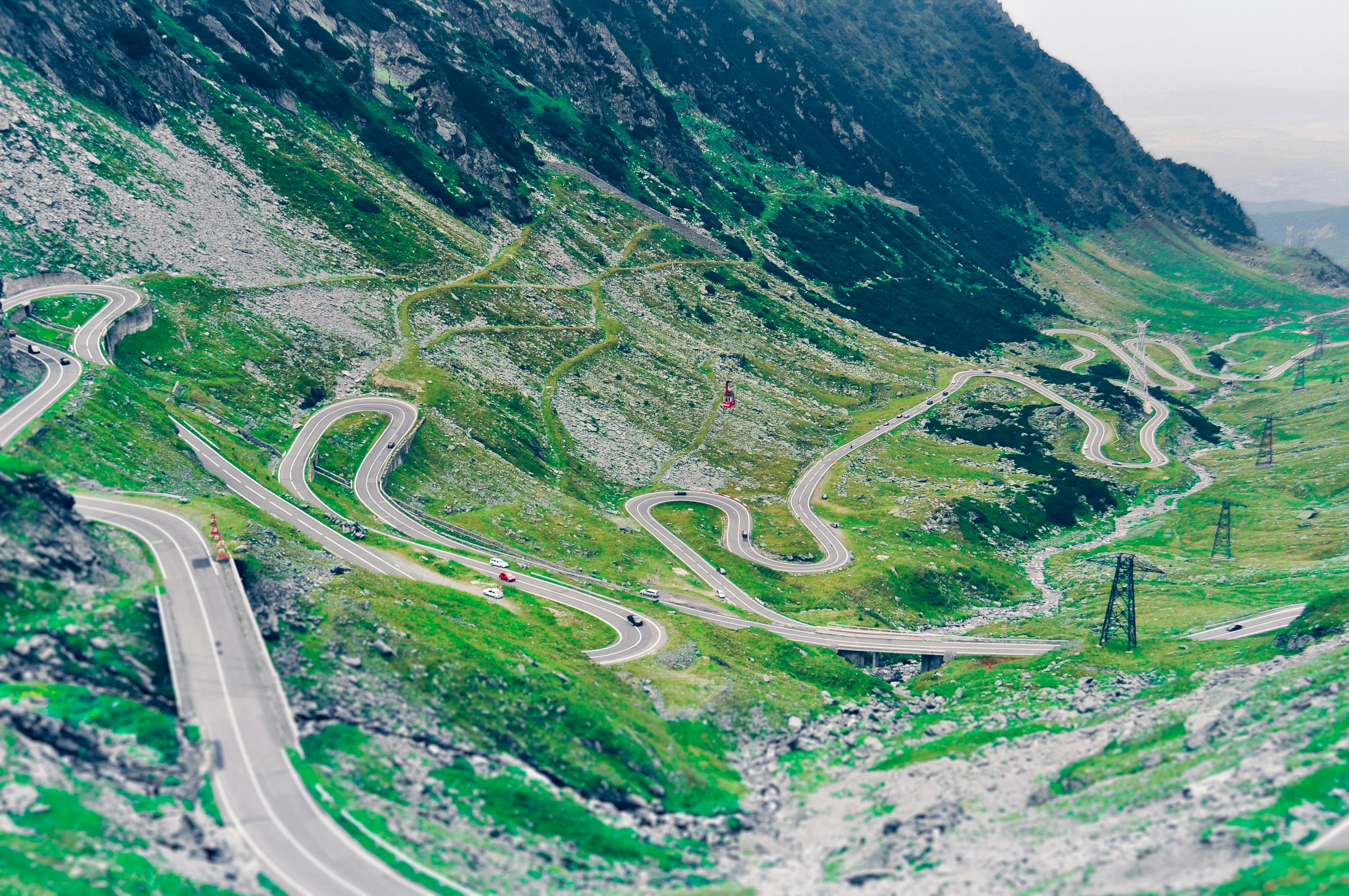
Romania rewards the curious. Medieval ramparts lean into bohemian plazas, Belle Époque façades hide Cold War stories, and forested mountains shelter villages where time moves at a human pace. From the grand boulevards of Bucharest to the Saxon squares of Brașov, this 15-day itinerary focuses on rich history, walkable old towns, and guided experiences that make the legends come alive.
Transylvania isn’t just Dracula—though you’ll meet him in Bran’s hilltop castle. It’s also fine-gabled guild houses, fortified churches, and royal palaces like Sinaia’s fairy-tale Peleș. Museums are excellent—and often intimate—while market halls and neighborhood cafés keep things delicious and affordable.
Practicalities: the currency is the leu (RON); cards and contactless payments are widely accepted. Romanian trains are comfortable if not high-speed, making slow travel ideal for your budget (50/100). Reserve castle entries (especially Peleș) outside of Mondays, and pack a light jacket—the Carpathians are cooler even in summer.
Bucharest
Bucharest is a city of layers: 19th-century “Little Paris” architecture, Communist-era boulevards, and a thriving third wave of coffee and culinary talent. Wander Old Town’s cobbles, admire the Romanian Athenaeum, and taste your way through markets and mahallas (old neighborhoods) with a local guide.
Getting in: fly into OTP (Henri Coandă). For intra-Europe fares, check Omio flights. For long-haul deals, compare Trip.com and Kiwi.com. The airport train to Gara de Nord takes ~20 minutes (~5–6 RON); rideshare to center is ~30–45 minutes depending on traffic.
Days 1–3: Old Town, museums, and the big landmarks
- Historic core: Stroll Lipscani (Old Town), the Stavropoleos Monastery, and the Macca–Vilacrosse Passage. Step inside the Romanian Athenaeum and the National Museum of Art of Romania (former Royal Palace) for a primer on Romanian culture.
- Village Museum (Muzeul Satului): A lakeside open-air museum of centuries-old wooden churches and farmsteads—great context before Transylvania.
- Palace of Parliament: Book a guide to understand the scale and politics behind the world’s heaviest building.
Coffee & breakfast: start at Origo (benchmark espresso), M60 (Nordic roasts, light plates), or Beans & Dots (airy, design-forward). Lunch ideas: La Mama for sarmale and soups, Caru’ cu Bere for old-school ambiance, or Hanu’ Berarilor for Romanian grills. Dinner: Kane (seasonal Romanian produce), Soro.Lume (modern Romanian), or Mahala (contemporary takes on classics). For budget bites, grab a hot covrig (pretzel) from any corner bakery.
Days 4–5: Live like a local—neighborhoods, markets, Therme, and optional day trips
- Local life: Browse Obor Market (butchers, cheeses, pickles, kurtos kalacs). Meander the leafy Cotroceni quarter and relax in Cişmigiu Gardens.
- Therme Bucharest: Spend an affordable spa afternoon amid palm trees, mineral pools, and saunas—great after a museum-heavy morning.
- Optional day trips: Go underground in the Slănic Prahova Salt Mine, or trace Roman and Ottoman footprints in Constanța on the Black Sea (summer is best).
Recommended Bucharest stays (mid-range friendly):
- The Marmorosch Bucharest, Autograph Collection (heritage setting, strong breakfast).
- Novotel Bucharest City Centre (excellent location and value).
- Browse more stays: Hotels.com – Bucharest or apartments on VRBO – Bucharest.
Book these guided experiences in Bucharest (great value and context):
- Palace of Parliament in Bucharest - fast-track tickets and guide
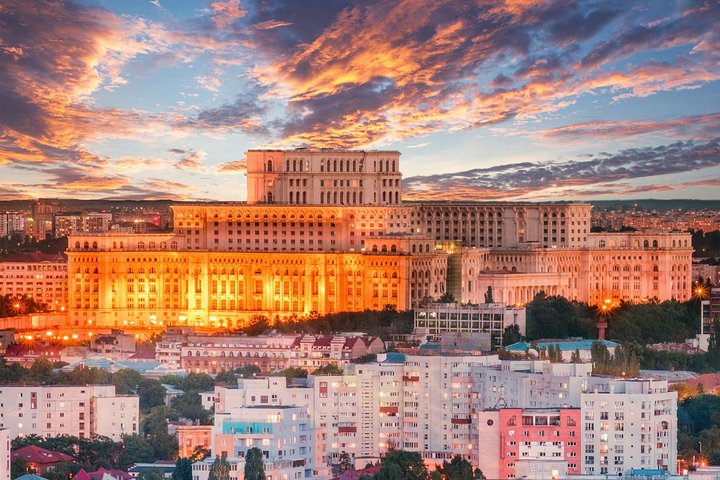
Palace of Parliament in Bucharest - fast-track tickets and guide on Viator - Tuk Tuk Bucharest Tour - Unique Experience in town!

Tuk Tuk Bucharest Tour - Unique Experience in town! on Viator - Taste Bucharest: A Food Lover's Tour of Markets & Neighbourhoods
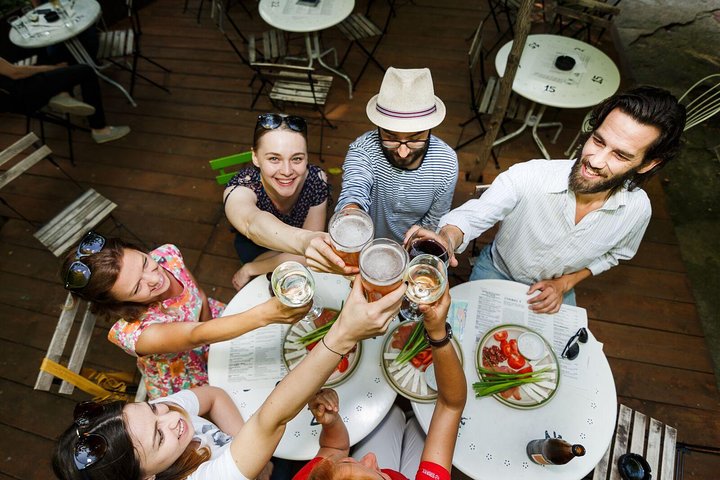
Taste Bucharest: A Food Lover's Tour of Markets & Neighbourhoods on Viator - Therme Bucharest Tickets and Water Theme Park

Therme Bucharest Tickets and Water Theme Park on Viator - Optional add-on day trips from Bucharest: Slănic Salt Mineand Black Sea and Constanța City - Private Tour

Slănic Salt Mine Day Trip from Bucharest on Viator 
Black Sea and Constanța City - Private Tour from Bucharest on Viator
Travel to Brașov (morning of Day 6)
Take the train from București Gara de Nord to Brașov: 2.5–3.5 hours, typically $12–25 depending on service; book and compare on Omio trains. Buses can be similar in time; check Omio buses. Sit on the left side for Carpathian views.
Brașov
Hemmed by the Carpathians, Brașov is an immaculate medieval town with pastel facades around Council Square, a Gothic Black Church, and a Hollywood-style sign atop Tâmpa. It’s the perfect base for castles—Bran and Râșnov—plus day trips to Saxon villages and Sinaia’s royal palace.
Fun fact: Rope Street (Strada Sforii) narrows to less than 4 feet, once a passage for firefighters darting between houses.
Days 6–8: Old Town essentials and mountain views
- Orientation walk: Council Square (Piața Sfatului), the Black Church (organ concerts in season), Catherine’s Gate, and the Schei Quarter with first Romanian school.
- Tâmpa Mountain: Take the cable car (or hike) for panoramic photos of the red-tile roofs and surrounding ridgelines.
- Local flavors: Try La Ceaun (hearty stews and polenta), Sergiana (Transylvanian specials; go for cabbage rolls and cracklings), and Bistro de l’Arte (seasonal plates, wine). Coffee: CH9 and TikTak. For dessert, cozonac slices at local bakeries.
Days 9–10: Castles and fortified hilltops
- Bran Castle + Râșnov Fortress: A compact day that hits the legend and the walls. If you prefer not to self-navigate, book a small-group tour from Brașov:
- Bran Castle and Rasnov Fortress Tour from Brasov (optional Peleș)

Bran Castle and Rasnov Fortress Tour from Brasov with Optional Peles Castle Visit on Viator
- Sinaia & Peleș Castle (DIY): Train Brașov–Sinaia is ~1.5–2 hours each way (check Omio trains). Walk or shuttle to the palace; interior tours pause Mondays—verify seasonal hours.
Days 11–15: Deep Transylvania—UNESCO churches, citadels, and villages
- Sighișoara day trip: 2–2.5 hours by train; explore the UNESCO citadel, Clock Tower Museum, Covered Stairway, and the Church on the Hill. Eat at Joseph T. (local wines, seasonal menus) or Casa Georgius Krauss (historic setting).
- Fortified churches: Visit Prejmer and Hărman (short bus or taxi from Brașov). These Saxon ring-forts hide granaries and chapels within thick walls.
- Zărnești & Piatra Craiului villages: Easy bus/taxi from Brașov for pastoral walks, cheese tastings, and dramatic limestone scenery. The Libearty Bear Sanctuary near Zărnești runs timed visits—reserve ahead.
- Evenings in Brașov: Try Prato (Italian with Transylvanian ingredients), Sub Tâmpa (forest-edge dining), or Dei Frati (handmade pasta). For a craft beer, check pubs around the square.
Recommended Brașov stays (good value and locations):
- Aro Palace Hotel (spa access and views, often well-priced in shoulder season).
- Casa Wagner (right on the square; atmospheric).
- Hotel Ambient (reliable mid-range with breakfast options).
- Hotel Coroana (budget-friendly classic).
- Browse more: Hotels.com – Brașov or VRBO – Brașov.
- Optional Bran overnight: Conacul Bratescu, Pension Ana, or Club Vila Bran (great for families and views).
Guided Transylvania from Bucharest (alternative for Day 4 or 5 if you prefer a single long excursion)
- Transylvania and Dracula Castle Full Day Tour (Bran + Peleș)

Transylvania and Dracula Castle Full Day Tour from Bucharest on Viator - Bucharest to Dracula Castle, Peles Castle and Brasov Guided Tour

Bucharest to Dracula Castle, Peles Castle and Brasov Guided Tour on Viator
How the 15 days break down
- Days 1–5: Bucharest – Old Town, museums, Parliament, food tour, Therme; optional Slănic Salt Mine or Black Sea day trip.
- Day 6: Travel to Brașov – Morning train via Omio, check-in, evening stroll.
- Days 6–8: Brașov – Old Town walks and Tâmpa views.
- Days 9–10: Castles – Bran, Râșnov; optional Sinaia & Peleș.
- Days 11–15: Transylvanian heritage – Sighișoara day trip, fortified churches, Zărnești villages and bear sanctuary; final day for shopping and café-hopping before departure.
Final notes for your budget: trains and guided small-group tours keep costs predictable; lunches under 50–70 RON are common; museum entries are typically 20–45 RON. Always carry a bit of cash for rural churches and village shops.
Summary: Two well-chosen bases—Bucharest and Brașov—give you Romania’s greatest hits without constant packing. You’ll pair museums and markets with castles and cobblestones, guided tours where insight matters, and free time to linger in cafés like a local. Expect vivid history, generous portions, and scenery that sneaks into your memories for years.