
15 Days in Portugal: Lisbon, Porto & the Algarve Itinerary
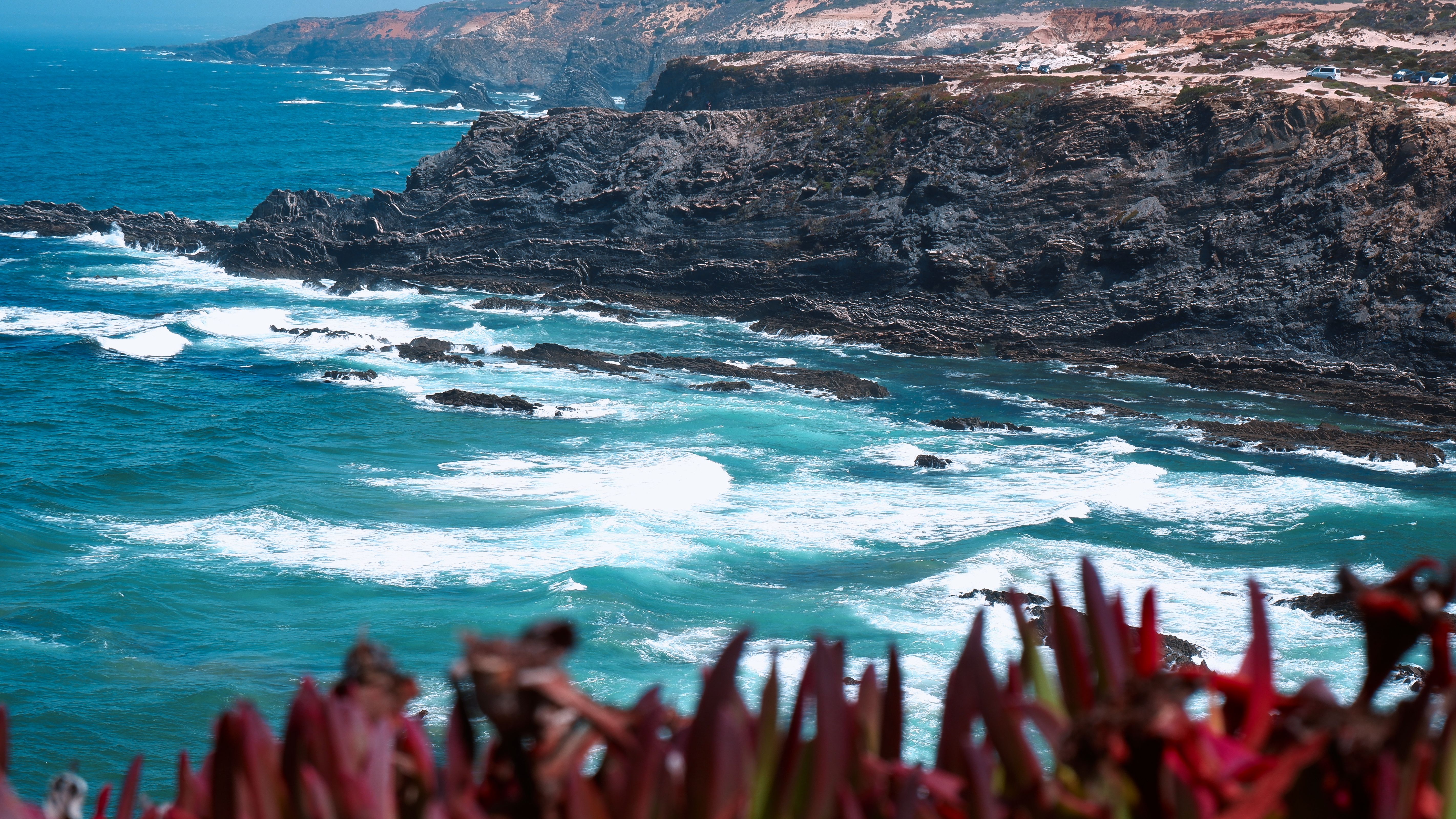
Portugal rewards slow travel. Once a global maritime power that helped map sea routes to Africa, Brazil, and Asia, it now offers travelers a compact country where medieval lanes, tiled façades, vineyard valleys, and dramatic beaches are all within easy reach.
There is also a playful side to the country: Lisbon is famous for its yellow trams and hilltop miradouros, Porto gave the world port wine, and the Algarve mixes Moorish echoes with some of Europe’s most striking limestone coastline. Portuguese cuisine goes far beyond pastel de nata, with bacalhau in dozens of forms, charcoal-grilled fish, bifanas, petiscos, and deeply regional wines.
For practical planning, Portugal is one of the easiest countries in Europe to navigate by rail, especially between Lisbon, Porto, and Faro. Book intercity transport through Omio trains, compare flights to Portugal via Omio flights, and keep comfortable walking shoes handy for steep cobbled streets in Lisbon and Porto. As of March 2025, the classic route below remains highly viable, with rail connections and major attractions operating reliably year-round.
Lisbon
Lisbon is a city of bright stone, faded grandeur, and sudden views. One minute you are in an alley where laundry flaps above fado bars; the next, you are staring over terracotta roofs toward the Tagus, where caravels once departed for the edge of the known world.
For arrival logistics, search flights into Lisbon through Omio. Once in the city, the metro, trams, and rideshares are easy, but many of the best hours are spent on foot, drifting between Baixa, Chiado, Alfama, Príncipe Real, and Belém.
Where to stay: For polished classic comfort, consider Four Seasons Hotel Ritz Lisbon or Olissippo Lapa Palace Hotel. For families or longer stays, Martinhal Lisbon Chiado Family Suites is well placed, while budget-conscious travelers should look at Lisbon Destination Hostel or browse broader options on VRBO Lisbon and Hotels.com Lisbon.
Days 1-5: Lisbon neighborhoods, monuments, food, and a Sintra-Cascais escape
Spend your first block getting the city into your bones. Begin in Baixa and Chiado, Lisbon’s elegant downtown rebuilt after the devastating 1755 earthquake, then ride or photograph Tram 28 as it climbs through Graça and Alfama, where the street plan still feels medieval.
Dedicate one morning to Belém, the district most tied to the Age of Discovery. Here you can admire the Manueline flourishes of Jerónimos Monastery, the crenellated Belém Tower, and the grand Monument to the Discoveries, then stop for the city’s most famous custard tart at Pastéis de Belém, whose recipe traces back to monastic traditions.
For viewpoints, prioritize Miradouro de Santa Luzia for postcard Alfama roofs, Miradouro da Senhora do Monte for a wider skyline panorama, and the terrace near São Jorge Castle if you want history with your sunset. Lisbon’s light is half the pleasure; allow time to simply sit with a coffee and watch the city shift from pale gold to rose.
Breakfast and coffee picks:
- Dear Breakfast in Chiado or Bica for polished brunch plates, excellent eggs, and specialty coffee in a stylish but unfussy setting.
- Hello, Kristof for serious coffee in a minimalist room that locals actually use, not just visitors chasing aesthetics.
- Fábrica Coffee Roasters if you want a dependable flat white and a central location before museum-hopping.
- Pastéis de Belém is essential not merely for the pastry itself, but for the ritual: warm tart, blistered top, cinnamon, powdered sugar, and a room buzzing with veteran regulars and first-timers.
Lunch recommendations:
- Zé da Mouraria for deeply traditional Portuguese cooking, especially if you want generous portions and a no-nonsense local dining room.
- Cervejaria Ramiro for shellfish; go for garlic butter shrimp, scarlet prawns, and prego bread at the end. It is famous for good reason, and best treated as a long lunch or early dinner strategy.
- Taberna Sal Grosso near Santa Apolónia for seasonal petiscos with more creativity than fuss, ideal if you want modern Lisbon flavor without a tasting-menu commitment.
Dinner recommendations:
- Prado for refined contemporary Portuguese cooking focused on produce, with a wine list that makes a strong case for staying local by the glass.
- Alma if you want a major culinary evening and are willing to reserve ahead; this is one of Lisbon’s flagship fine-dining experiences.
- A Cevicheria in Príncipe Real for a lively room, bright seafood, and one of the city’s most consistently enjoyable upscale-casual dinners.
- Clube de Fado if you want dinner with atmosphere in Alfama; the appeal is not just the meal, but hearing fado in a setting where saudade feels less like a concept and more like weather.
Viator activities worth building into Lisbon:
- True 4Hour Private Tuk Tuk Tour: Discover Lisbon with a Local! — an excellent first or second day choice because Lisbon’s hills are steep and a guided tuk-tuk route quickly helps you understand the city’s geography.

- Winner 2025 Undiscovered Lisbon Food & Wine Tour by Eating Europe — ideal for travelers who want context, neighborhood stories, and tastings beyond the obvious tourist circuit.

- Small-Group Lisbon to Sintra, Pena, Regaleira, Cabo Roca, Cascais — the smartest way to cover Portugal’s most famous day trip without the stress of timed tickets, parking, or palace queues.

- Lisbon Small-Group Portuguese Food and Wine Tour — a strong option if cuisine is central to your Portugal itinerary and you want a guided survey of classic dishes and local wine.

On your Sintra day, focus on Pena Palace for theatrical color and Romantic architecture, Quinta da Regaleira for symbolic gardens and tunnels, and Cabo da Roca for raw Atlantic scenery. If time allows, end in Cascais with a waterfront stroll and a seafood meal before returning to Lisbon.
Other local gems include LX Factory for design shops and casual dining in an old industrial complex, the Gulbenkian for one of Europe’s best under-the-radar museums, and Feira da Ladra if your dates align with the flea market. Lisbon is at its best when grand monuments and small discoveries share the same day.
Travel onward to Porto: Take a morning Alfa Pendular or Intercidades train from Lisbon to Porto via Omio trains. The journey is usually about 2 hours 50 minutes to 3 hours 15 minutes, with fares often around $20-$45 depending on class and booking window.
Porto
Porto feels sterner than Lisbon at first glance, then more intimate the longer you stay. Granite churches, azulejo-covered façades, steep lanes, iron bridges, and cellars across the river give the city a cinematic seriousness, but it is also full of taverns, market stalls, and a sly northern wit.
The city’s historic center is compact enough to explore on foot, though the hills will remind you that Portugal never gives away its views cheaply. Porto is also the ideal base for a Douro Valley day trip, one of the finest wine excursions in Europe.
Where to stay: For a top celebratory stay, The Yeatman is legendary for wine country views and service. Good mid-range options include HF Ipanema Park and Moov Hotel Porto Centro, while sociable travelers may like Gallery Hostel. You can also compare wider inventories on VRBO Porto and Hotels.com Porto.
Days 6-10: Ribeira, port lodges, markets, and the Douro Valley
Start in Ribeira, Porto’s riverfront quarter, where narrow houses seem to lean toward the Douro as if listening for ships. Cross the Dom Luís I Bridge on foot for one of the great urban views in Iberia, then explore Vila Nova de Gaia, where the famous port wine lodges matured barrels destined for British tables and global trade.
In the upper city, step into São Bento Station to see its vast azulejo panels, visit the Clérigos area, and browse Livraria Lello if its ornate staircase and literary fame appeal. Mercado do Bolhão is a better expression of the city’s pulse: produce, cheeses, cured meats, flowers, and the ordinary drama of daily shopping.
Porto’s churches and civic buildings tell the story of a wealthy mercantile city, but the food tells an even more persuasive one. This is the place for francesinha, roast meats, cod dishes, tripe traditions, and a serious commitment to pastry and coffee breaks.
Breakfast and coffee picks:
- Combi Coffee Roasters for excellent specialty coffee and a calm start before sightseeing.
- Fábrica Coffee Roasters Porto for dependable espresso drinks and central convenience.
- Manteigaria for a reliable pastel de nata stop when you want a quick sugar hit done properly.
- Do Norte Café for a more local-paced morning in the Cedofeita area.
Lunch recommendations:
- Casa Guedes for the iconic pork sandwich, especially the version with Serra cheese; simple, savory, and deservedly famous.
- Gazela for crisp cachorrinhos, Porto’s addictive small hot dogs, ideal as a snack-lunch between landmarks.
- Adega São Nicolau near Ribeira for traditional Portuguese dishes in a warm, old-school setting.
Dinner recommendations:
- Brasão Aliados for one of the city’s most praised francesinhas, a glorious and excessive sandwich layered with meats, covered in melted cheese, and bathed in a beer-based sauce.
- Taberna dos Mercadores for a smaller room and a more intimate meal focused on well-executed Portuguese classics.
- Cantinho do Avillez Porto if you want a more polished dinner without losing touch with Portuguese flavors.
- Enoteca 17.56 in Gaia if you want port and Douro wine in a more thoughtful, less rushed setting after cellar visits.
Viator activities worth adding in Porto:
- Porto Walking Tour, Lello Bookshop, River Cruise and Cable Car — a useful all-in-one orientation that works especially well early in your stay.

- Complete Douro Valley Wine Tour with Lunch, Wine Tastings and River Cruise — the classic full-day Douro experience, ideal if this is your one big wine-country outing.

- Premium Douro Valley Small-Group Tour, Wine Tasting, Lunch & Boat — a strong pick for travelers who prefer a smaller group and a more personal pace.

- Porto: Luxury Yacht Cruise – 6 Bridges with Wine Tasting & Snacks — best reserved for a late afternoon when you want Porto’s river and bridges in softer light.

Your Douro Valley day should be treated as one of the emotional peaks of the trip. Terraced vineyards rising above the river are beautiful in photographs, but in person they have the force of old labor made visible, a landscape carved by generations for wine and survival.
Back in Porto, consider sunset from Jardim do Morro, a stroll along Rua das Flores, and an evening of port tastings in Gaia. If you want one final local note, order a tawny port with dessert rather than merely sampling whatever is poured first; age and oxidation are part of its quiet magic.
Travel onward to the Algarve (Faro): Take a morning train from Porto to Faro via Omio trains, usually about 5 hours 45 minutes to 6 hours 30 minutes with one straightforward connection in Lisbon or along the main north-south line. Expect roughly $35-$70 depending on class and advance purchase; flying is possible through Omio flights, but rail is generally the more pleasant city-center to city-center option.
Faro & the Algarve
The Algarve changes the rhythm of the trip. After the hills and historic density of Lisbon and Porto, southern Portugal opens into lagoon landscapes, whitewashed towns, seafood restaurants, and beaches backed by honey-colored cliffs cut into arches, stacks, and hidden coves.
Using Faro as your anchor keeps the itinerary practical. The city itself has a compact old town and easy airport and rail access, while day trips to Olhão, Tavira, Lagos, or island beaches are simple enough to mix culture with sea time.
Where to stay: In Faro itself, Hotel Faro & Beach Club, Hotel Eva Senses, AP Eva Senses Hotel, Stay Hotel Faro Centro, and Hostellicious are strong options depending on budget. For a broader stay search, use VRBO Faro and Hotels.com Faro. If you prefer extra beach time, consider splitting nights with Lagos Avenida Hotel or Cascade Wellness & Lifestyle Resort in Lagos.
Days 11-15: Faro old town, Ria Formosa, island beaches, and a west Algarve finale
Give Faro at least one proper day. Walk the Cidade Velha through the Arco da Vila, linger in the cathedral square, and appreciate that this often-overlooked city is more than an airport gateway; it has Roman roots, a walled core, and a slower tempo than the Algarve’s better-known resort towns.
The essential local landscape is the Ria Formosa, a lagoon system of channels, marshes, sandbars, and islands that acts as one of Portugal’s most important natural parks. Boat time here is rewarding not just for scenery, but for birdlife, shellfish culture, and the sense that the Algarve is as much tidal as it is touristic.
Take a day trip east to Olhão for market halls and seafood, or onward to Tavira for one of the south’s prettiest historic centers. If you want classic beach drama, head west toward Lagos and Ponta da Piedade, where the coastline breaks into caves and rock formations that seem designed for late-afternoon light.
Breakfast and coffee picks:
- Chelsey Café in Faro for an easy breakfast before boats or trains.
- Pastelaria Padaria Centeio for a more local pastry-and-coffee rhythm.
- Á da Nazaré style cafés and small bakeries around central Faro are worth dipping into for simple toasts, galao, and fresh pastries rather than over-planning every morning.
Lunch recommendations:
- Vila Adentro in Faro’s old town for Portuguese dishes in a historic setting that feels anchored to place.
- À do Pinto in Olhão if you make the trip east; beloved for seafood and a strong sense of local appetite rather than tourist staging.
- Taberna Modesto for straightforward Algarve flavors, especially if you want grilled fish and regional staples.
Dinner recommendations:
- Faz Gostos in Faro for a more thoughtful contemporary meal rooted in Algarve products.
- A Venda for petiscos, wines, and a convivial atmosphere that suits a relaxed southern evening.
- Noélia e Jerónimo in Cabanas de Tavira if you are willing to travel for dinner; it is one of the Algarve’s most respected tables, particularly for seafood rice and cataplana-style flavors.
- Restaurante O Camilo near Lagos for seafood with coastal views, especially satisfying after time at Ponta da Piedade.
Suggested local gems for this final block:
- Ria Formosa boat excursion from Faro or Olhão to island beaches such as Ilha Deserta or Culatra for a quieter, more elemental Algarve experience.
- Tavira for tiled churches, a Roman bridge setting, and a gentler architectural beauty than the resort-heavy coast.
- Lagos old town and Ponta da Piedade for cliff walks, grotto views, and a livelier western Algarve atmosphere.
- Olhão Market for produce and fish halls that reveal the working life behind the region’s seafood reputation.
If you want a final indulgent beach day, travel to Lagos and pair cliffside viewpoints with a long seafood lunch. If you prefer something quieter, choose an island day from Faro and let the trip end with salt air, simple grilled fish, and very little urgency.
Departure logistics: Faro Airport is the easiest international exit for this route; compare onward European flights through Omio flights. If you return to Lisbon for departure, direct trains from Faro booked via Omio trains usually take around 3 hours to 3 hours 30 minutes and often cost about $15-$35.
Over 15 days, this Portugal itinerary gives you the country’s three great pleasures in balance: Lisbon’s history and food culture, Porto’s riverfront soul and Douro wine heritage, and the Algarve’s luminous coast. It is a trip with texture rather than hurry, and one you will likely remember in flashes of tile, salt, grilled fish, church bells, and late sunlight on stone.