
15 Days in Portugal: Lisbon, Porto & Faro for Food, Museums, Boat Trips and Golden-Hour Walks
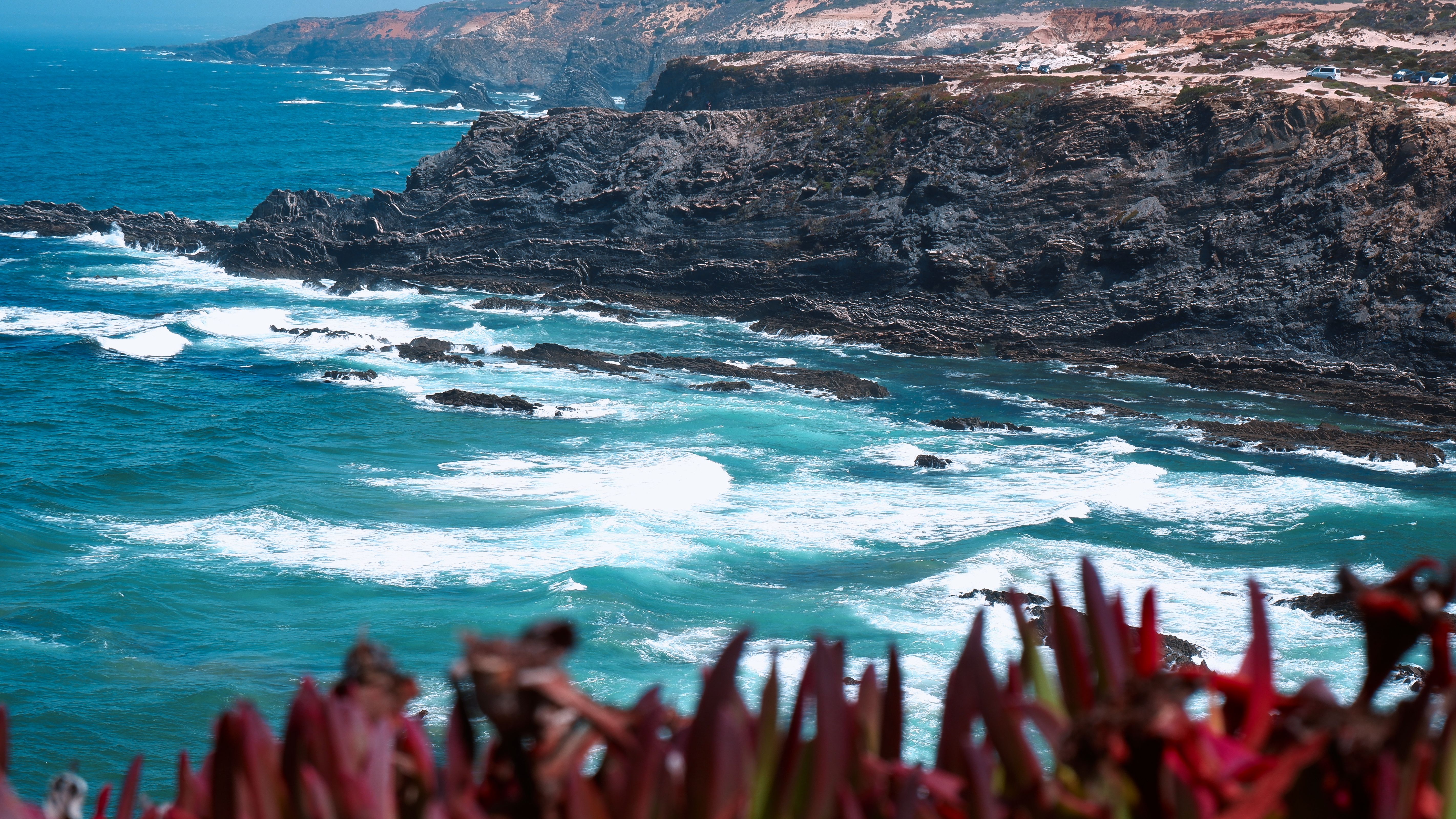
Portugal rewards slow travel. Once a maritime empire that helped redraw the world map, it now offers visitors a different kind of power: compact cities, layered history, superb food, and a sense that grand stories and ordinary daily life still share the same streets. In 15 days, you have time to do more than tick off monuments—you can actually settle into each place and notice the details.
Lisbon brings tiled facades, miradouros, fado-haunted lanes, and cream-filled pastéis de nata; Porto adds port wine lodges, baroque churches, and the dramatic Douro River; Faro, often rushed past, opens the door to the Algarve’s lagoon landscapes, seafood traditions, and boat excursions. This combination suits your interests especially well: plenty of walking, memorable meals, museums, photography spots, nightlife, and time on the water.
Practically speaking, Portugal is one of Europe’s easier countries to navigate by train, and your mid-range budget goes far if you mix well-located boutique stays, casual tascas, and a few standout splurges. As of March 2025, standard city awareness applies: keep an eye on pickpockets on trams and in crowded viewpoints, reserve major attractions in advance when possible, and expect later dinner hours than in much of North America. Come hungry, wear good walking shoes, and leave room in your schedule for long coffees and even longer sunsets.
Lisbon
Lisbon is a city of hills, light, and sudden views. One minute you are in a quiet Alfama alley under laundry lines; the next you are standing at a belvedere watching ferries cut across the Tagus while church domes and terracotta roofs glow in late afternoon.
For your interests, Lisbon is the ideal opening act. It is immensely walkable in spirit, if not always in elevation, and it combines excellent museums, inventive food, unusual urban experiences, and some of the country’s best evenings out.
Arrival and getting in: For flights to Portugal, compare schedules into Lisbon through Omio flights. If you are arriving from elsewhere in Europe, Lisbon is usually the simplest gateway, with easy onward rail connections and airport-to-center transit in about 20–30 minutes depending on your neighborhood.
Where to stay: For a broad search, browse VRBO Lisbon and Hotels.com Lisbon. Specific options worth considering include Lisbon Destination Hostel for value and a superb central location inside Rossio Station, Martinhal Lisbon Chiado Family Suites for apartment-style comfort in Chiado, and Olissippo Lapa Palace Hotel if you want one memorable upscale stay.
Days 1-5: Historic Lisbon, viewpoints, food culture and museums
Use your first block to orient yourself in Baixa, Chiado, Alfama, and Graça. Walk the grid rebuilt after the 1755 earthquake, then let the city become less orderly as you climb into medieval quarters where staircases, arches, and tiled walls make even short detours photogenic.
Begin mornings with coffee at Fábrica Coffee Roasters, where the espresso is consistently excellent and the minimalist style contrasts nicely with old Lisbon outside. Another strong start is Hello, Kristof in Príncipe Real, beloved for careful coffee, bright pastries, and a neighborhood feel that encourages lingering.
For breakfast, make time for Manteigaria for one of the city’s finest pastéis de nata—best eaten warm, with the shell still crackling. If you want a fuller breakfast or brunch, Dear Breakfast in Chiado or Bica is reliable for eggs, pancakes, and good coffee in a polished setting.
For museums, prioritize the Museu Nacional do Azulejo, one of Portugal’s most distinctive institutions. Housed in a former convent, it tells the story of the country’s tile tradition through centuries of color, geometry, devotion, and political change; for your photography interest, the cloisters and panels are especially rewarding.
Also worthwhile is the Museu Calouste Gulbenkian, whose collection ranges from ancient art to European masters in a serene garden setting. It is one of Lisbon’s great cultured pauses, a place where the city briefly goes quiet.
For lunch, book or queue smartly for Cervejaria Ramiro, still the benchmark for shellfish in Lisbon. Order scarlet shrimp, garlic clams, and buttery crab if available, then finish the traditional way with a prego steak sandwich; it is tourist-known, yes, but still deeply worth it.
If you want something more old-school and less splashy, Zé da Mouraria is a favorite for traditional Portuguese cooking with a homespun rhythm. Go for cod dishes, grilled fish, or the daily specials, and expect substance over ceremony.
For dinner, Taberna Sal Grosso is a strong first-night or second-night choice: small room, bold flavors, and modernized Portuguese plates without becoming precious. Prado is another excellent pick, especially if you want a more ingredient-driven meal that celebrates Portuguese produce in a contemporary style.
At night, head to Bairro Alto for bar-hopping, but do it selectively. Start with a cocktail at Pavilhão Chinês, a surreal cabinet-of-curiosities bar filled with vintage toys and artifacts, then move toward Park, a rooftop atop a parking garage with river views and a crowd that skews local-creative rather than purely clubby.
For a highly efficient introduction to the city’s steep quarters and hidden corners, this Viator experience is an excellent fit: True 4Hour Private Tuk Tuk Tour: Discover Lisbon with a Local!.

Because food is one of your key priorities, this is another standout option: Winner 2025 Undiscovered Lisbon Food & Wine Tour by Eating Europe. It is especially useful early in the stay, when learning local ingredients, neighborhoods, and snack culture helps the rest of the trip make more sense.

If you prefer a more tasting-heavy format, consider Lisbon Small-Group Portuguese Food and Wine Tour, with a generous lineup of Portuguese bites and wines.

Days 6-7: Belém, riverside Lisbon, Sintra and Cascais
Shift west for Belém, where Portugal’s Age of Discoveries is written in stone. The Jerónimos Monastery and Belém Tower are not just major sights; they are statements of imperial wealth, maritime ambition, and Manueline ornament at its most exuberant.
In Belém, stop at Pastéis de Belém, the historic home of the custard tart recipe that became world-famous. Go early or off-peak if possible; the pastry is the draw, but the tiled rooms and old-school service are part of the ritual.
For a lighter lunch nearby, the riverside area has options, but a better strategy is to return toward central Lisbon and dine at Time Out Market only if you want variety and convenience rather than intimacy. If you do go, target specific stalls instead of grazing randomly, then continue your evening elsewhere.
Dedicate one day to Sintra and Cascais. Sintra feels invented by a fever dream—forest-wrapped palaces, eccentric estates, mist, and bright facades—while Cascais offers a breezier Atlantic counterpoint of elegant streets, marina views, and seaside light that photographers love.
This day trip is the easiest way to handle logistics and maximize time: Sintra and Cascais Small-Group Day Trip from Lisbon.

If you want a fuller classic route including Cabo da Roca, consider Small Group Tour to Sintra, Pena Palace, Cabo Roca and Cascais.

Back in Lisbon, choose one final dinner with atmosphere. Ofício is a stylish option for modern Portuguese cooking, while Solar dos Presuntos remains a classic for seafood, roast dishes, and a slightly celebratory old-Lisbon mood. For a late drink, Topo Chiado gives you a handsome night view toward the illuminated Convent of Carmo ruins.
Travel to Porto: Take the train north using Omio trains. Lisbon to Porto is typically about 2h50 to 3h15 on Alfa Pendular or Intercidades services, with fares often around $20-$45 depending on timing and class; morning departures are ideal and leave you plenty of afternoon in Porto.
Porto
Porto is darker, moodier, and perhaps even more photogenic than Lisbon. Granite churches, steep streets, wrought-iron balconies, and the layered riverfront of Ribeira give it an old mercantile gravity, softened by excellent wine and a habit of feeding people very well.
For your preferences, Porto is particularly strong on food, museums, unusual workshops, river experiences, and night views. It is also compact enough that walking reveals the city properly, especially if you do not mind hills and staircases.
Where to stay: Search broadly via VRBO Porto and Hotels.com Porto. Strong options include Gallery Hostel for sociable design-led value, Moov Hotel Porto Centro for practical central comfort, and The Yeatman for a major splurge with legendary views over Porto from Vila Nova de Gaia.
Days 8-11: Ribeira, port lodges, bookstores, markets and Douro moods
Start in Ribeira and along the Douro, where Porto feels theatrical from every angle. Early morning is best for photography, before the riverfront fills and while the facades still hold a softer light.
Cross the Dom Luís I Bridge on foot, once at the lower deck and once at the upper if your legs permit. The upper crossing near sunset is one of the city’s essential experiences, with trams, church towers, and wine lodges spreading out below.
For breakfast and coffee, Combi Coffee Roasters is a local favorite with serious coffee credentials and a relaxed neighborhood atmosphere. SO Coffee Roasters is another smart choice for well-executed espresso and light breakfast fare before a day of walking.
For lunch, try Casa Guedes for the famous roast pork sandwich, ideally with Serra cheese. It is simple, salty, rich, and exactly the kind of focused specialty that tells you something real about local appetites.
Another excellent lunch is Mercado do Bolhão, restored and lively, where you can build a meal from different stalls while soaking up one of Porto’s great civic spaces. Go with a plan: seafood, cured meats, or a quick glass of wine, then continue on foot through nearby shopping streets.
For museums and interiors, visit São Bento Station not as a transit chore but as an art stop, thanks to its monumental azulejo panels. Pair it with the Soares dos Reis National Museum if you want a deeper cultural afternoon in a less frantic setting.
The much-photographed Livraria Lello is undeniably beautiful, especially the staircase and stained glass, though timing matters because crowds can be intense. Book a slot well in advance if it matters to you, and treat it as a brief architectural visit rather than a long browsing session.
For dinner, reserve Taberna dos Mercadores, a tiny and deeply loved spot in the old center known for polished traditional dishes and seafood. Cantinho do Avillez Porto is another dependable dinner option if you want a more contemporary approach without losing Portuguese identity.
For nightlife, begin with a port or cocktail in Gaia or central Porto, then drift toward Galerias de Paris, the city’s best-known nightlife corridor. Even if you do not stay out especially late, the street energy and spillover crowds are entertaining in their own right.
This well-rounded city experience suits your interests in walking, photography, and boat rides: Porto Walking Tour, Lello Bookshop, River Cruise and Cable Car.

For a more atmospheric river experience, especially good for late afternoon or early evening, consider Porto: Luxury Yacht Cruise – 6 Bridges with Wine Tasting & Snacks.

If you want one unusual creative activity beyond standard sightseeing, this is a strong match: Tile painting workshop - make your own Azulejo in one day. It ties directly into one of Portugal’s most iconic visual traditions and gives you something more personal than a souvenir-shop purchase.

Days 12-13: Douro Valley day trip and slow Porto evening
One of your best full-day investments from Porto is the Douro Valley. The region is not merely scenic; it is one of the world’s oldest demarcated wine regions, where terraced vineyards, river bends, and white quintas create a landscape that feels shaped by both geology and stubborn human patience.
Choose a tour that includes winery visits, lunch, and a river cruise so you can experience the Douro from both hillside and water. This is the best place on the trip to combine food, photography, and a boat element in one day.
A strong option is Complete Douro Valley Wine Tour with Lunch, Wine Tastings and River Cruise.

Another excellent alternative is Douro Valley Tour: 2 Vineyard Visits, River Cruise, Winery Lunch, which suits travelers who want a classic cellar-and-scenery day.

On your final Porto evening, keep things simple. Have dinner at Adega São Nicolau in Ribeira for deeply satisfying traditional plates, or at Brasão if you want to try a proper francesinha, Porto’s famously excessive sandwich of meat, melted cheese, and spicy beer-based sauce.
Travel to Faro: For the longest intercity hop of the itinerary, compare train and flight schedules via Omio trains and Omio flights. The train from Porto to Faro is typically around 5h45 to 7h with one change, often roughly $35-$70 booked ahead; if time matters more than scenery, a domestic flight can reduce total travel time, but for a balanced budget the train is usually the better fit.
Faro
Faro is one of the Algarve’s most underestimated bases. Many travelers treat it as an airport town and hurry onward, which is precisely why it can feel pleasantly unspoiled: a small walled old town, good local restaurants, and immediate access to the lagoon system of the Ria Formosa.
For you, Faro brings a softer final chapter. After Lisbon and Porto, it offers boat outings, seafood, golden-hour walks, less frantic museum time, and nights that can be lively without requiring a major production.
Where to stay: Search broadly with VRBO Faro and Hotels.com Faro. Good choices include Hotel Faro & Beach Club for marina convenience, Hotel Eva Senses for central waterfront views, and Hostellicious for a smart budget-conscious stay.
Days 14-15: Old town, Ria Formosa, seafood and Algarve light
Spend your final days slowly. Walk the Cidade Velha, Faro’s old town enclosed by ancient walls, where cobbled streets, churches, and shaded squares feel far removed from the Algarve’s resort stereotype.
Visit the Museu Municipal de Faro, housed in a former convent, for archaeological finds and sacred art. It is not a blockbuster museum, which is part of its appeal: quiet rooms, local context, and a gentler pace that suits the end of a long trip.
For breakfast or coffee, Chelsea Coffee & Brunch is popular for a reason, with reliable coffee and a broad menu that works well before a boat excursion. Pastelaria Coelho is a better choice when you want something more local and less brunch-centric—good pastries, efficient service, and everyday Faro energy.
Lunch should lean into the sea. Faz Gostos is one of Faro’s best-regarded restaurants for refined Algarve cooking using regional products, ideal if you want one polished meal without veering into formality. For something more relaxed, À do Pinto is loved for traditional Portuguese dishes and a distinctly local feel.
For dinner, consider Taberna Zé-Zé for petiscos and a convivial atmosphere, or Vila Adentro inside the old town for a romantic setting in a historic building. Seafood rice, grilled fish, octopus, and clams are the kinds of dishes to chase here rather than international fare.
If you want a final-night drink, the marina area is easy and sociable, but the greater pleasure is often simply an evening walk. Faro’s light softens beautifully at dusk, especially near the water and around the old walls, making this one of the trip’s most rewarding photography windows.
Boat time is essential here, even if just for half a day. Use local departures into the Ria Formosa Natural Park to see barrier islands, birdlife, salt flats, and the shifting lagoon channels that define this coast. It is a quieter boat experience than the Douro or Lisbon riverfront, and all the better for it.
If you want to add one more Algarve outing beyond Faro itself, nearby Olhão is an easy excursion for seafood markets, tiled facades, and ferry access to islands. It preserves a strong working-town identity and makes an excellent lunch detour.
Departure: Faro has good onward connections for Europe; compare routes on Omio flights. If returning to Lisbon by rail, use Omio trains; the journey is typically about 3 to 3.5 hours and often roughly $15-$35 if booked ahead.
This 15-day Portugal itinerary gives you three distinct versions of the country: Lisbon’s grand, hilly capital; Porto’s riverbound old soul; and Faro’s understated Algarve calm. It balances museums, food, unique activities, nightlife, photography, and boat experiences in a way that feels full but not frantic.
You will leave having seen Portugal’s icons, but also having tasted, walked, and lingered enough to understand why people return. That, more than any checklist, is the mark of a trip well planned.