
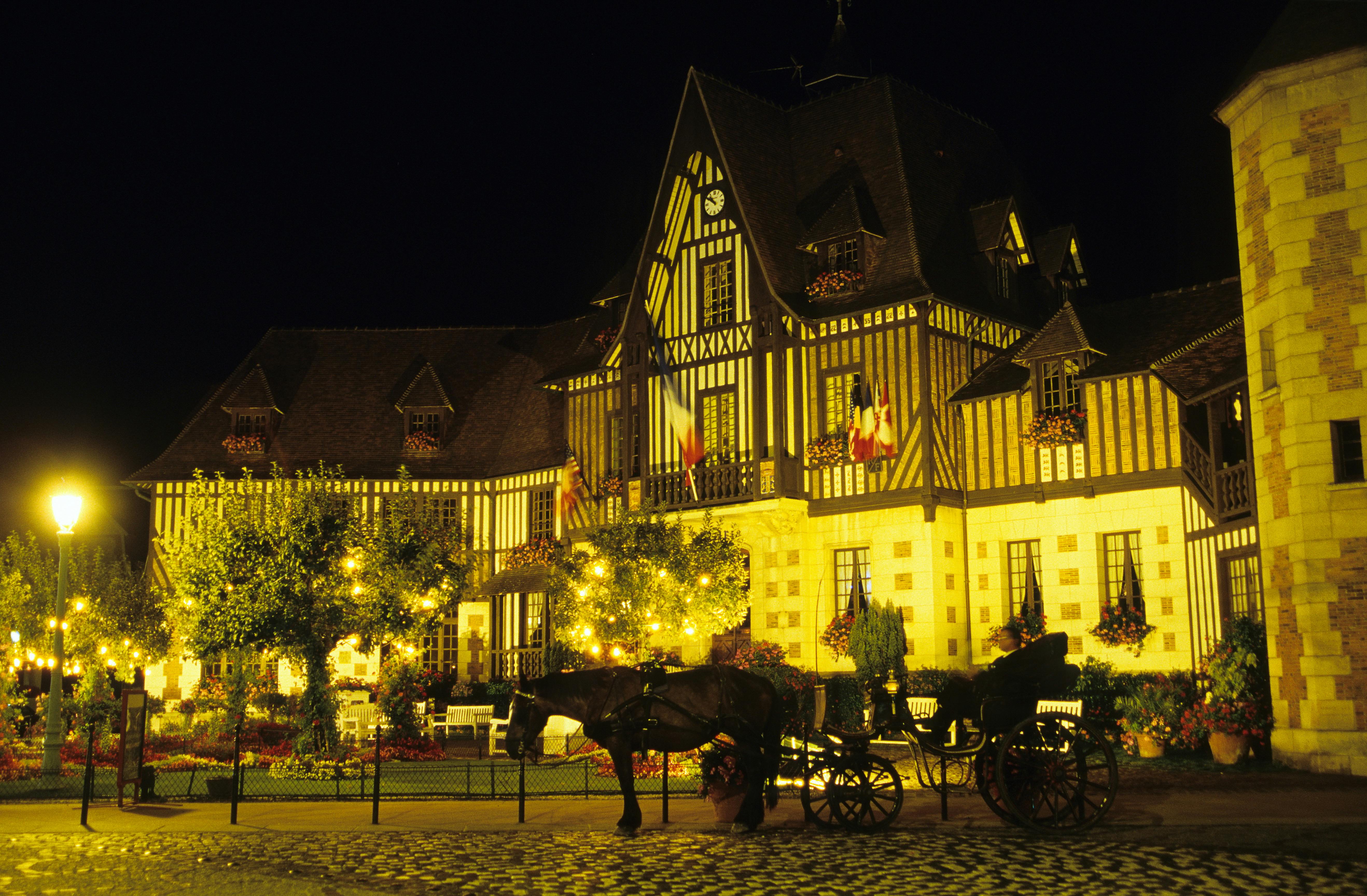
Normandy is where Viking settlers became French nobles, where William the Conqueror launched for England, where Impressionists learned to paint light, and where Allied forces changed the course of World War II. In a compact region, you’ll step from medieval lanes to modernist port cities, from chalk cliffs to mussel beds, and from cider orchards to cream-rich farmhouse kitchens.
Across 15 days, this itinerary weaves Rouen’s cathedral and Joan of Arc sites, the artists’ harbor of Honfleur with Deauville’s belle-époque beach culture and the cliffs of Étretat, and finally Bayeux for the Tapestry, Omaha Beach, Pointe du Hoc, and a full-day escape to Mont Saint-Michel. Expect great food: Camembert and Pont-l’Évêque cheeses, butter-laden sauces, apple tarts, oysters, and Calvados.
Practical notes: Museums in France often close on Monday or Tuesday—check hours. Normandy weather shifts quickly; pack layers. Trains and buses connect major towns easily, but a car helps for rural corners and small beaches. Mont Saint-Michel is tidal; plan with high/low tide times. Book key restaurants and D-Day tours in advance (spring–fall).
Rouen
Start in Rouen, “city of a hundred spires,” where Monet painted the cathedral at every hour and Joan of Arc met her fate in the Old Market. Its half-timbered streets brim with patisseries, bookshops, and brasseries, while the Seine cuts a graceful line through it all.
Why base here first? It’s the quickest hop from Paris, ideal for shaking off jet lag with walkable sights, superb museums, and easy day trips along the Seine valley.
Days 1–5: Gothic grandeur, Impressionist color, and market-to-table meals
- Rouen Cathedral and Old Town: Linger at Notre-Dame Cathedral’s lace-like façade, then wander Rue du Gros-Horloge to the medieval clock and Place du Vieux-Marché, site of Joan of Arc’s execution. In summer, a nighttime light show animates the cathedral’s façade.
- Musée des Beaux-Arts: One of France’s best regional museums, strong in Impressionists (Monet, Sisley, Pissarro), Caravaggio’s Flagellation, and 19th-century sculpture.
- Historial Jeanne d’Arc: A smart multimedia journey through trial records, myths, and memory—great context before exploring the city’s churches and squares.
- Day trip suggestion: Giverny (in season), to see Monet’s water garden and Japanese bridge; pair with Vernon’s riverside scenes and picnic supplies from the local market.
- Where to eat & drink:
- La Couronne: Often cited as France’s oldest inn; order duck à l’orange or a classic Norman veal with cream, mushrooms, and cider.
- L’Odas: Contemporary, produce-led tasting menus (reserve). A fine choice for your first celebratory dinner in Normandy.
- Gill Côté Bistro: Modern French comfort plates and excellent wines by the glass.
- Dame Cakes: Tea salon for ornate pastries and a cathedral-view pause.
- Citizen Coffee: Specialty coffee, light brunch plates, and airy vibes.
Getting to Rouen (Day 1 morning): Fly into Paris CDG or ORY, then train from Paris St-Lazare to Rouen Rive Droite. Trains run roughly hourly; 1h15–1h40, about €12–30. Book European flights and rail with Omio (flights) and Omio (trains). If you’re flying long-haul and comparing global options, see Kiwi.com or Trip.com (flights).
Where to stay in Rouen: For options across style and budget, compare stays on VRBO (Rouen) and Hotels.com (Rouen). Look near the Cathedral, Gros-Horloge, or Old Market for strollable evenings.
Honfleur (with Deauville & Étretat, plus Le Havre day trip)
Honfleur is a living painting: slate-front houses mirrored in the Vieux Bassin, artists at their easels, and boats creaking in the tide. Nearby Deauville brings grand beachfront boardwalks and racing stables; Étretat adds awe-inspiring arches carved from white cliffs. Le Havre, across the Pont de Normandie, showcases post-war modernism and a thriving art scene.
Base in Honfleur for the cafés and harbor ambience, then fan out to coastal highlights by bus or car.
Days 6–10: Harbor life, beach days, cliff walks, and cider
- Honfleur essentials: Stroll the Vieux Bassin at golden hour; visit the all-wood Église Sainte-Catherine; pop into the Eugène Boudin Museum to trace the roots of Impressionism; and the Naturospace butterfly house for a tropical interlude.
- Deauville & Trouville: Walk Les Planches boardwalk past belle-époque bathing cabins, then cross to Trouville’s seafood market for prawns and bulots with aioli. Consider an afternoon at a thalasso spa.
- Étretat cliffs: A half- or full-day for coastal paths over the Aiguille (needle) and Porte d’Aval arch. Go early for soft light and fewer crowds; bring wind layers.
- Le Havre taster: Discover Auguste Perret’s UNESCO-listed post-war grid and MuMa (André Malraux Museum of Modern Art), with notable Monet and Dufy works.
- Cider & cheese: Stop at a Pays d’Auge farm for Calvados and cider tastings; pair with Camembert, Livarot, and Pont-l’Évêque.
- Where to eat & drink (Honfleur/Deauville):
- Le Bréard (Honfleur): Inventive tasting menus in a cozy townhouse—great for a special night.
- L’Absinthe (Honfleur): Local seafood, excellent butter sauces; ask for the day’s catch.
- La Cidrerie (Honfleur): Buckwheat galettes, sweet crêpes, and bolées of cider—simple and satisfying.
- Le Drakkar (Deauville): Classic brasserie plates—steak-frites, oysters, and towering seafood platters.
- La Belle Époque (Deauville): Grand dining room swagger with Norman staples—reserve for a leisurely lunch.
- La Petite Chine (Honfleur): Tea room for pastries and a slow morning coffee by the harbor.
Rouen → Honfleur (Day 6 morning): Train Rouen → Le Havre (about 1h), then bus to Honfleur (~25–35 min); or direct intercity bus Rouen → Honfleur (~1h15–1h45). Expect €5–20 total. Check timetables and book with Omio (trains) and Omio (buses).
Add a unique ride from Le Havre: For a stylish spin along the Côte Fleurie with a tasting, consider this small-group sidecar experience:
Private 3.5-hour sidecar tour & cider tasting from Le Havre port

Where to stay (Honfleur/Deauville): In Honfleur, stay near the Vieux Bassin or Sainte-Catherine for walkability; in Deauville, near Les Planches for beachfront strolls. Compare areas and rates on VRBO (Honfleur) and Hotels.com (Honfleur). Family-friendly self-catering near Deauville: Pierre & Vacances Village Normandy Garden. If you favor a quick rail hub for an early train, consider Novotel Le Havre Centre Gare.
Bayeux (for D‑Day beaches, the Tapestry, and Mont Saint-Michel)
Bayeux is a rarity: a medieval town spared wartime destruction. Its cathedral anchors lanes of stone houses and cozy bistros, while museums and beaches nearby tell the D‑Day story in moving detail. It’s also the easiest Norman base for Mont Saint‑Michel day trips.
Plan on a mix of guided WWII exploration, quiet villages, and a full day for the abbey rising from the sands.
Days 11–15: D‑Day, the Bayeux Tapestry, and Mont Saint‑Michel
- Bayeux Tapestry Museum: The 70‑meter embroidery narrates the 1066 conquest like a medieval graphic novel—go early, then circle back for the detailed exhibits.
- D‑Day beaches with a guide: A dedicated guide brings context to Omaha Beach, Pointe du Hoc, the US cemetery at Colleville, and Arromanches’ Mulberry Harbor remains.
- Arromanches & 360 cinema: A sweeping hilltop film stitches archival footage into a powerful overview; pair with an amble on the sands below.
- Caen Memorial Museum: Broader WWII context with excellent exhibits; combine with Pegasus Bridge on the Orne.
- Mont Saint‑Michel day: Time your visit with the tide for mirror-like sands or dramatic encirclement; climb the abbey terraces for far-reaching views.
- Where to eat & drink (Bayeux/nearby):
- La Rapière: Intimate stone-walled dining—book early for local lamb, scallops in season, and an excellent Calvados list.
- Le Pommier: Classic Norman plates—chicken in cider cream, apple tart, and cheese boards with farm butter.
- L’Angle Saint‑Laurent: Seasonal bistro with smart wine pairings; try the fish of the day with beurre blanc.
- Le Volet qui Penche: Wine bar with charcuterie and market plates; perfect after a long touring day.
- Liberty Coffee Bayeux: Flat whites, house bakes, and light breakfast if you’re heading out early.
Honfleur → Bayeux (Day 11 morning): Bus to Caen (~1h15), then regional train Caen → Bayeux (~15–20 min). Total travel ~1h45–2h15, about €10–20. Check and book with Omio (buses) and Omio (trains). If you prefer fewer transfers, a taxi transfer Honfleur → Bayeux takes ~1h20.
Top Bayeux-based tours (highly recommended to prebook):
Normandy American D-Day Beaches Full Day Tour from Bayeux

Mont Saint-Michel Day Trip from Bayeux (Shared tour)

2- to 6-hour sidecar excursion on the D-Day Landing Beaches

Where to stay in/around Bayeux: Stay in the medieval core for walkable dinners, or near Port‑en‑Bessin if you want sea air and quick access to Omaha Golf and coastal paths. Browse VRBO (Bayeux) and Hotels.com (Bayeux), or consider these vetted picks:
- Château La Chenevière (near Port‑en‑Bessin): Country‑house elegance, parkland, and refined dining.
- Hotel Le Bayeux (Bayeux center): Friendly base steps from the cathedral and tapestry museum.
- Ibis Budget Bayeux: Clean, reliable, and great for early tour departures.
- Mercure Omaha Beach Hotel (Port‑en‑Bessin): Coastal greenery, pools, and easy access to D‑Day sites.
Departing Bayeux
Bayeux → Paris (last morning): Direct regional trains Bayeux ↔ Paris St‑Lazare take ~2h10–2h30, typically €25–45. Connect onward to CDG/ORY, or continue your France itinerary. Plan and book via Omio (trains) and Omio (flights in Europe). For global flight comparisons, see Kiwi.com or Trip.com.
Trip logistics and timing at a glance
- Season: May–September has longest days and most tours; April and October are quieter with changeable weather.
- Market days: Bayeux’s Saturday market is a regional favorite; Honfleur’s weekend stalls brim with apple products; Rouen’s Old Market area has daily vendors.
- Tides at Mont Saint‑Michel: Check tide tables; the causeway is always accessible, but high tide around full/new moons can encircle the mount—dramatic and photogenic.
- Driving vs public transport: Trains/buses work well for this plan; a car adds flexibility for cider farms and tiny coves. If driving, allow extra time for coastal parking in peak months.
In two easy weeks, you’ll have seen the best of Normandy: cathedrals gilded by evening light, harbors immortalized by painters, beaches that still whisper history, and an abbey that floats like a dream. Come hungry for oysters and apple tart—and leave with stories stitched as tightly as the Bayeux Tapestry.