
14 Perfect Days in Japan: Osaka, Hiroshima, Kyoto, and Tokyo by Train and Taste
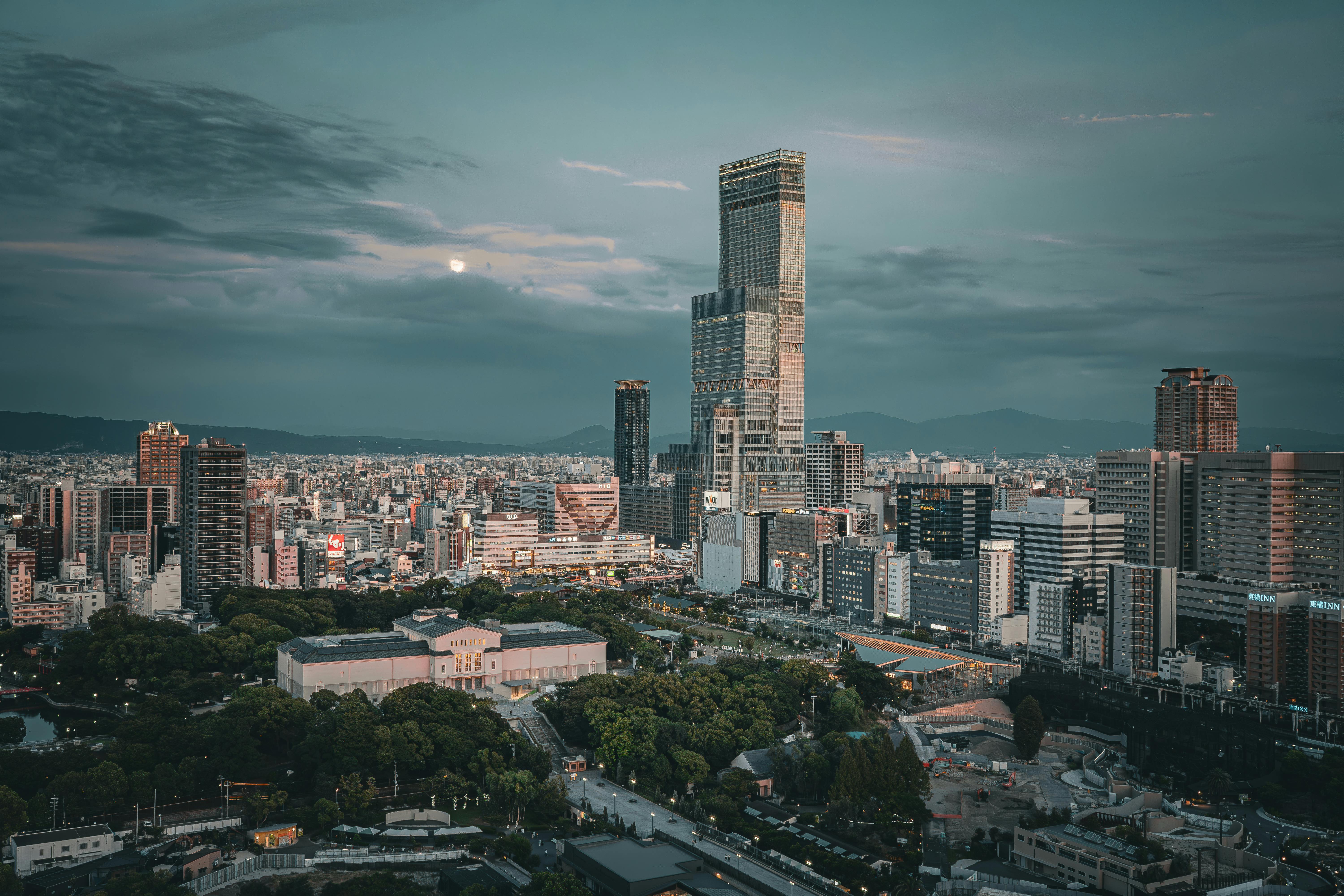
Welcome to Japan, where centuries-old rites live alongside cutting-edge design. Over 14 days you’ll glide on the shinkansen between Osaka, Hiroshima, Kyoto, and Tokyo—four cities that together tell Japan’s story: merchant bustle, postwar resilience, imperial tradition, and modern imagination.
Expect hearty street snacks in Osaka’s “Kitchen of Japan,” solemn reflection and island beauty in Hiroshima and Miyajima, lantern-lit lanes and Zen gardens in Kyoto, and Tokyo’s dizzying neighborhoods from Asakusa’s temple markets to Shibuya’s neon maze. Along the way you’ll sip matcha, meet bowing deer, and sample sushi, ramen, wagyu, and okonomiyaki.
Practical notes: Pick up a rechargeable IC card (ICOCA/Suica/PASMO) for trains and convenience-store purchases. Luggage forwarding (takkyubin) lightens travel between cities. The JR Pass now costs more and isn’t essential for this route; point-to-point shinkansen tickets are usually better value. Typhoon season runs late summer; pack a small umbrella and comfortable walking shoes year-round.
Osaka
Arrival and Getting Around (Days 1–3)
Fly into Kansai International Airport (KIX). Compare fares and times on Trip.com Flights or Kiwi.com. From KIX, the Nankai Airport Express or Limited Express Rapi:t reaches Namba in ~45 minutes. Grab an ICOCA card for metros and JR lines.
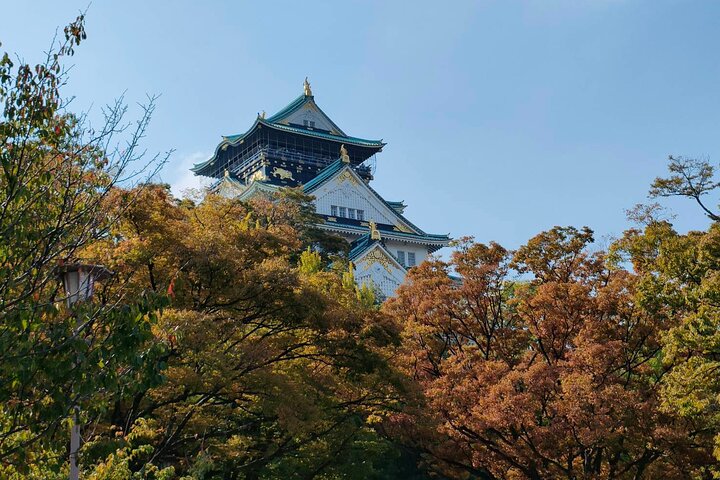
Osaka is friendly, frank, and famously hungry. Start with Dotonbori’s neon canal and street eats, wander retro Shinsekai beneath Tsutenkaku Tower, and circle the moat of Osaka Castle. If you love film and thrill rides, plan half a day at Universal Studios Japan.
- Top highlights: Osaka Castle Park, Dotonbori Glico sign, Shinsaibashi shopping arcade, Kuromon Ichiba Market tastings, Umeda Sky Building, Hozenji Yokocho’s stone lanes.
- Food you can’t miss: Takoyaki (octopus balls), okonomiyaki (savory pancake), kushikatsu (skewers), and market-fresh sushi.
Recommended Viator experiences:
Osaka Food Tour: 13 Dishes at 5 Local Eateries — eat your way through backstreets with a guide featured on Netflix; ideal on your first evening to decode Kansai flavors.

Ultimate Osaka Walking Tour: Castle, Dotonbori & Hidden Gems — connect the city’s history from samurai ramparts to Showa-era alleys with a local storyteller.
Osaka Sumo Experience with Live Show and Audience Challenge — learn rituals, see live bouts, and try a friendly challenge on the dohyo.

Where to Stay in Osaka
- Search everything: VRBO Osaka | Hotels.com Osaka
- Steps from Namba Station: Swissotel Nankai Osaka (direct airport train access; excellent for food lovers and day trips).
- Design-forward splurge: The St. Regis Osaka (butler service on Midosuji, easy to Umeda/Shinsaibashi).
- USJ-focused stays: Hotel Universal Port or family-sized Universal Bay Condominium.
- Value picks: Hotel Sunroute Osaka Namba (near Dotonbori) or ultra-budget Hotel Taiyo (Shinsekai).
Eat & Drink in Osaka
- Coffee & breakfast: LiLo Coffee Roasters (expert pour-overs near Americamura); Granknot Coffee (silky flat whites, pastries); Kuromon Ichiba Market for tamagoyaki sticks and crab legs-on-the-go.
- Lunch classics: Okonomiyaki Chitose (fluffy, cabbage-sweet pancakes in Shinsekai); Endo Sushi (market-fresh nigiri in the morning); Takoyaki Yamachan or Wanaka for gooey-centered balls with dashi-rich batter.
- Dinner ideas: Kushikatsu Daruma (old-school fried skewers—dip once!); Matsusakagyu Yakiniku M (marbled wagyu grilled at your table); an izakaya crawl in Hozenji Yokocho for charcoal yakitori and sake.
- Nightcaps: Tachinomi standing bars by Namba; Umeda’s craft-beer taps if you prefer hops.
Travel: Osaka to Hiroshima (Morning, Day 4)
Take the shinkansen from Shin-Osaka to Hiroshima: ~1 hr 30 min on Sakura/Nozomi, reserved seats recommended. Expect ~¥10,500–14,000 depending on train and seat class. Check times and book via Trip.com Trains.
Hiroshima
Meaning and Renewal (Days 4–5)
Hiroshima invites quiet reflection and gentle discovery. At Peace Memorial Park, the Atomic Bomb Dome and Children’s Peace Monument speak to loss and hope; nearby, trams rattle toward lively Hondori arcade where cafés and okonomiyaki grills sizzle.
Make time for Miyajima Island: Itsukushima Shrine’s “floating” torii gate glows at high tide, deer wander the lanes, and ropeways whisk you toward Mount Misen vistas. Oysters and maple-leaf cakes (momiji manju) are the island’s edible signatures.
Recommended Viator experiences:
Peaceful Hiroshima & Miyajima UNESCO 1 Day Bus Tour — efficient, guided access to the city’s key sites and ferry to Miyajima.

Hiroshima Peace & History Tour: Why the Atomic Bomb Was Dropped — a thoughtful, context-rich walk with a local historian.

Hiroshima in a Nutshell: Morning Bike Adventure — pedal riverside paths and castle grounds for a fresh perspective.

Where to Stay in Hiroshima
- Search everything: VRBO Hiroshima | Hotels.com Hiroshima
- By the station: Sheraton Grand Hiroshima Hotel (steps from shinkansen gates; easy for day trips).
- City views: RIHGA Royal Hotel Hiroshima (near the Peace Park and museum).
- Waterfront resort feel: Grand Prince Hotel Hiroshima (ferry access toward Miyajima).
- Budget hostel: Santiago Guesthouse Hiroshima (social vibe, good for solo travelers).
Eat & Drink in Hiroshima
- Coffee & snacks: Obscura Coffee Roasters (careful extractions); Andersen Hiroshima (Danish-Japanese bakery institution for sandwiches and sweets).
- Lunch: Nagataya (saucy Hiroshima-style okonomiyaki layered with yakisoba); Ekie Dining at the station for quick slurps of Hiroshima tsukemen.
- Dinner: Mitchan Sohonten (a local okonomiyaki legend); on Miyajima try grilled oysters and anago-meshi (sea eel rice) near Omotesando.
- Evening: Hondori’s izakaya lanes for small plates and local sake.
Travel: Hiroshima to Kyoto (Morning, Day 6)
Shinkansen from Hiroshima to Kyoto takes ~1 hr 40 min on Sakura/Nozomi. Budget ~¥11,500–14,500 depending on train and seat. Check schedules on Trip.com Trains.
Kyoto
Temples, Tea, and Timeless Streets (Days 6–9)
Kyoto was Japan’s imperial capital for over a millennium. Its wooden machiya townhouses, vermilion gates, and mossy gardens turn each walk into a meditation. Early starts reward you with near-empty shrines and sunlit bamboo.
Must-sees include Fushimi Inari’s 10,000 torii, Kiyomizu-dera’s hillside verandas, Kinkaku-ji’s golden pavilion, and Arashiyama’s bamboo grove and river vistas. At night, Gion and Pontocho glow with lantern light where you may glimpse a maiko on her way to an engagement.
Recommended Viator experiences:
PERFECT KYOTO 1-Day Bus Tour — see headline temples efficiently with expert commentary.

Kyoto Arashiyama Walking Tour: Bamboo, Monkeys, Gardens & Secrets — unlock quiet corners and garden paths beyond the famous grove.

Kyoto Gion Geisha District Walking Tour - The Stories of Geisha — a respectful evening walk that decodes etiquette and tradition.

Ramen Cooking Class at Ramen Factory in Kyoto — make your own noodles and broth, then eat the bowl you built.

Where to Stay in Kyoto
- Search everything: VRBO Kyoto | Hotels.com Kyoto
- Riverside refinement: The Ritz-Carlton, Kyoto (Kamo River views; walkable to Gion).
- Polished and peaceful: Kyoto Tokyu Hotel or Kyoto Brighton Hotel (serene stays near historic quarters).
- Central value: Hotel M's Est Shijo Karasuma or Hotel M's Plus Shijo Omiya.
- Budget/social: Piece Hostel Sanjo (stylish common areas, great for meeting travelers).
Eat & Drink in Kyoto
- Coffee & breakfast: % Arabica (rich espressos; riverside at Arashiyama), Weekenders Coffee (courtyard roastery), Vermillion (espresso near Fushimi Inari).
- Lunch: Honke Owariya (centuries-old soba—light, elegant); Omen (udon with seasonal veg sides near Yasaka); Katsukura (crisp tonkatsu with fragrant sesame).
- Dinner: Traditional kaiseki at venerable houses (reserve well ahead), Yudofu around Nanzen-ji for tofu hot pot, or yakitori along Pontocho Alley with river breezes in warmer months.
- Sweets & tea: Ippodo for matcha and sencha flights; wagashi (tea sweets) around Gion for an edible art lesson.
Travel: Kyoto to Tokyo (Morning, Day 10)
Nozomi shinkansen from Kyoto to Tokyo Station in ~2 hr 15 min. Reserved seat ~¥13,000–14,500. Bookable via Trip.com Trains. Prefer flying? ITM–HND is ~1 hr plus transfers—compare prices on Kiwi.com or Trip.com Flights.
Tokyo
Skylines, Subcultures, and Soba (Days 10–14)
Tokyo is a mosaic of villages, each with a distinct beat. Start in Asakusa at Senso-ji’s incense-swirled gates, then jump to Akihabara’s arcades, Omotesando’s architecture, and Shinjuku’s skyscraper canyons and cocktail dens.
Cross the famous Shibuya Scramble (a synchronized dance since the 1930s), stroll Meiji Shrine’s forest, and browse Tsukiji’s Outer Market for tamagoyaki and tuna skewers. Save a day for Mt. Fuji views around Hakone or Lake Kawaguchi.
Recommended Viator experiences:
1-Day Tokyo Bus Tour — hit Meiji Shrine, Asakusa, Tokyo Skytree area, and a bay cruise with a guide.

Mt Fuji and Hakone 1-Day Bus Tour Return by Bullet Train — classic Fuji vistas, lake cruise, ropeway, and a fast ride back to the city.

Tokyo: Shinjuku Food Tour (13 Dishes at 4 Local Eateries) — slip into alley counters and tiny grills that most visitors miss.

Tokyo Shinjuku Sumo Show & Experience with Photo — get close to rikishi, learn rules, and take memorable photos in the ring-side venue.

Where to Stay in Tokyo
- Search everything: VRBO Tokyo | Hotels.com Tokyo
- Prestige stays: The Ritz-Carlton, Tokyo (skyline over Midtown); The Peninsula Tokyo (by the Imperial Palace); Aman Tokyo (Zen minimalism above Otemachi).
- Midrange hits: Hotel Gracery Shinjuku (Godzilla head, steps to Golden Gai); Hotel Sunroute Plaza Shinjuku (transport hub convenience); Keio Plaza Hotel Tokyo (views and family rooms).
- For Disney: Hilton Tokyo Bay (resort-style on the monorail).
Eat & Drink in Tokyo
- Coffee & breakfast: Turret Coffee (rich espresso, nod to old Tsukiji turret trucks), Fuglen Shibuya (Scandi-Japanese coffee shop culture), Blue Bottle cafés across the city.
- Lunch: Sushi counters near Toyosu or in neighborhood chains for pristine nigiri; Afuri (yuzu-shio ramen, bright and citrusy); Maisen Aoyama (buttery tonkatsu in a former bathhouse).
- Dinner: Sometaro in Asakusa for DIY okonomiyaki on cast-iron griddles; yakiniku in Shibuya’s Han no Daidokoro for A5 wagyu; izakaya hopping through Omoide Yokocho and Golden Gai’s tiny bars.
- Sweet stops: Fluffy Japanese soufflé pancakes and seasonal parfaits in department-store depachika food halls.
Departure
Fly out of Haneda (HND) or Narita (NRT). Compare options on Trip.com Flights or Kiwi.com. Airport trains and limousine buses run frequently; allow extra time for duty-free and souvenirs.
At-a-Glance Multi‑Day Blocks
- Days 1–3: Osaka — Dotonbori, Osaka Castle, Shinsekai; food tour and sumo experience; optional USJ.
- Day 4 (AM): Travel to Hiroshima — ~1.5 hours by shinkansen.
- Days 4–5: Hiroshima & Miyajima — Peace Memorial Park and Museum, Hondori, Itsukushima Shrine, Mount Misen views.
- Day 6 (AM): Travel to Kyoto — ~1 hour 40 minutes by shinkansen.
- Days 6–9: Kyoto — Fushimi Inari, Kiyomizu-dera, Kinkaku-ji, Arashiyama, tea ceremony, Gion night walk.
- Day 10 (AM): Travel to Tokyo — ~2 hours 15 minutes by shinkansen.
- Days 10–14: Tokyo — Asakusa, Meiji Shrine, Shibuya, Shinjuku; food tour; day trip to Mt. Fuji/Hakone.
Note on costs: Point-to-point shinkansen fares for this route typically total ¥45,000–55,000 per adult with reserved seats. Booking early for popular time slots helps; see Trip.com Trains.
In two weeks you’ll taste Osaka’s bold street food, witness Hiroshima’s remembrance and recovery, walk Kyoto’s temple paths, and ride Tokyo’s energy from dawn to neon. The shinkansen ties it all together—fast, punctual, and scenic—while your palate and camera fill up in the best possible way.