
14 Days in Tokyo, Japan: A Relaxing Food, Sightseeing & Tokyo Bay Escape
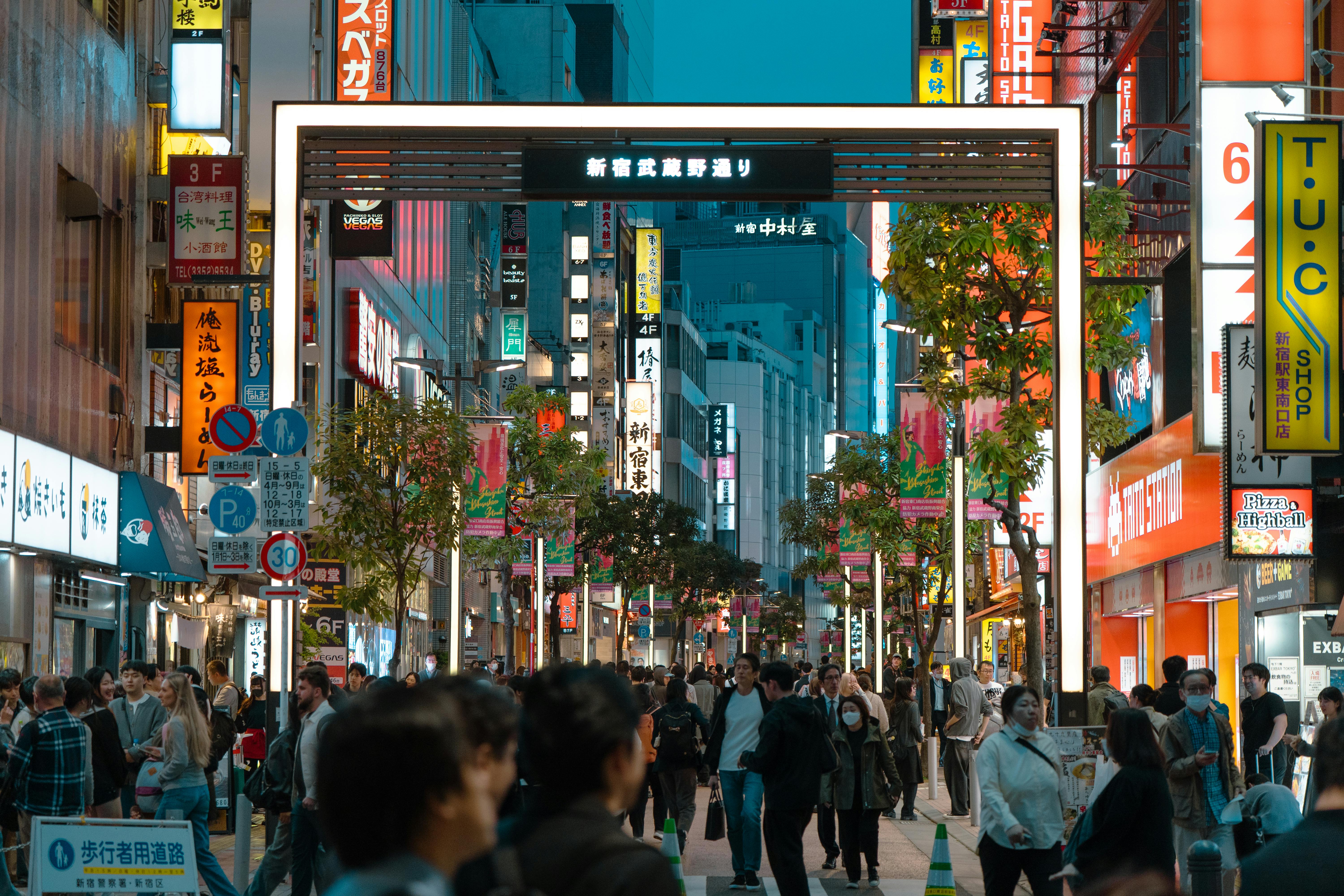
Tokyo began as Edo, the seat of the Tokugawa shogunate, and grew from a castle town into one of the world’s most fascinating capitals. What makes it so rewarding over 14 days is not only its famous skyline, but the way old temple districts, tiny alleys, seafood markets, department-store food halls, and bayfront promenades all coexist within the same city.
For a relaxing Tokyo trip, the secret is to avoid racing through landmarks and instead explore by neighborhood. One morning might mean incense at Senso-ji in Asakusa, another a slow coffee in Kiyosumi-Shirakawa, another a beach breeze at Odaiba or a day by the sea in Kamakura and Enoshima, all while eating exceptionally well on a modest budget.
As of March 2025, Tokyo remains very visitor-friendly, with excellent public transport, widespread cashless payment options, and remarkable safety by big-city standards. Do keep a transit card loaded, carry some cash for older eateries and shrine offerings, and remember that many good restaurants have small dining rooms and queues worth joining.
Tokyo
Tokyo is more than a single city experience; it is a collection of distinct worlds stitched together by trains that run with almost poetic precision. For this itinerary, the emphasis is on neighborhoods that suit a relaxing vibe: historic streets, scenic waterfronts, good-value food districts, calmer gardens, and shopping areas where browsing is half the pleasure.
With a budget around 21 out of 100, I would base yourself in a practical, transit-friendly area rather than a prestige address. Shinjuku, Ueno, and parts of Asakusa offer strong value, easy rail access, and plenty of affordable places to eat, while still making day trips simple.
Getting into Tokyo: Search flights on Trip.com or Kiwi.com. From Narita Airport to central Tokyo, expect roughly 60–90 minutes depending on train or bus choice; from Haneda, often 30–45 minutes. If you prefer a no-stress arrival after a long flight, this Tokyo Private Transfer from or to Narita Airport (NRT) is worth considering, especially if landing late.
Where to stay: For value and convenience, Hotel Gracery Shinjuku puts you in the heart of Shinjuku near transport, casual dining, and late-opening shops. Hotel Sunroute Plaza Shinjuku is another reliable, budget-friendlier base with excellent rail access, while Keio Plaza Hotel Tokyo offers more comfort without the city’s top-tier price bracket. If you want apartment-style flexibility, browse VRBO options in Tokyo or compare broader listings on Hotels.com Tokyo.
Days 1-4: Asakusa, Ueno, Akihabara & the gentle side of Old Tokyo
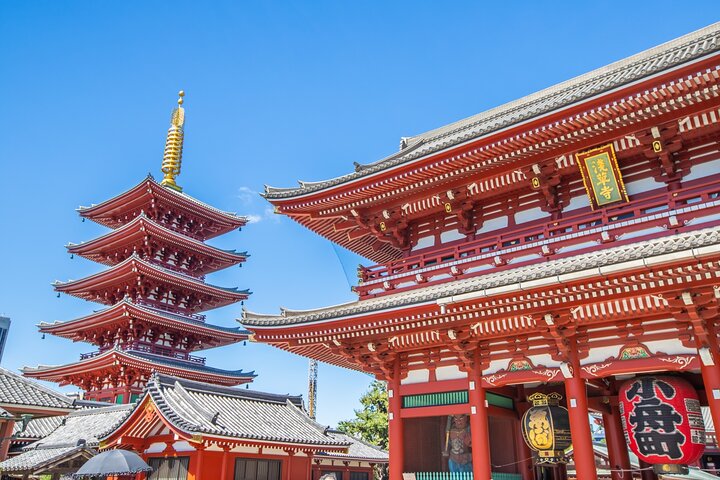
Begin in Asakusa, one of the best places to feel Tokyo’s older pulse. Senso-ji, founded in the 7th century, is Tokyo’s oldest temple, and arriving early lets you see the Kaminarimon gate and Nakamise shopping street before the biggest crowds build; it is quieter, more atmospheric, and far more conducive to the relaxing tone you want.
If you would like expert context on the district’s history, shopfront snacks, and temple customs, book the Asakusa Senso-ji Temple and Old Tokyo Walking Tour. It is a strong early-trip activity because it helps decode what you are seeing rather than treating Asakusa as just a photo stop.
For breakfast in Asakusa, try Pelican Café, linked to the famed bread bakery, for thick toast and a deeply satisfying Tokyo kissaten-style start. Another lovely option is Suke6 Diner, where the mood is easygoing and the coffee, pastries, and riverside proximity make it ideal before a morning walk.
At lunch, head to Daikokuya Tempura, a long-running classic known for its darkly lacquered tempura rice bowls; the sauce-forward style is old-school Tokyo and part of its charm. For something lighter and often gentler on the wallet, browse the side streets for soba or tendon shops around Asakusa Station, where many smaller counters offer dependable lunch sets.
One of your most fitting food activities here is the Sushi Making Tokyo Roll and Authentic Japanese Sushi Class. It aligns beautifully with a foodie-focused trip, and Asakusa is the right setting for it: traditional, approachable, and full of culinary context.

Spend an afternoon in Ueno Park, whose museums, broad walkways, and pondside views make it one of Tokyo’s easiest districts to enjoy at a slower pace. Ameya-Yokocho, the lively market street nearby, is excellent for budget shopping: sneakers, snacks, tea, dried seafood, cosmetics, and the sort of low-stakes browsing that often becomes a favorite travel memory.
For lunch or grazing in Ueno, Yamabe Okachimachi is beloved for affordable tonkatsu sets that feel far more polished than the price suggests. Nearby, Ueno no Mori Sakura Terrace gives you multiple dining choices in one compact area if you prefer flexibility over queueing for a single place.
Akihabara is worth visiting even if you are not an anime devotee, because its electronics stores, capsule toy shops, retro game floors, and themed retail create one of Tokyo’s most distinct urban spectacles. Go in late afternoon rather than midday; the lights come alive, and you can enjoy the energy without needing to rush through every building.
For dinner, keep things classic and manageable with an izakaya around Ueno or Asakusa. An izakaya is Japan’s answer to the neighborhood tavern: small shared dishes, grilled skewers, fried bites, beer, and sake, all designed for a relaxed evening rather than a formal multi-course meal.
Days 5-7: Shibuya, Harajuku, Meiji Jingu & Shinjuku food and nightlife
Shibuya is famous for motion, but you can experience it in a surprisingly measured way. Start at Meiji Jingu, the forested shrine near Harajuku, where gravel paths, towering torii gates, and filtered light create one of the calmest urban walks in Tokyo; from there, ease into the sharper contrasts of Omotesando, Harajuku, and Shibuya.
Omotesando is ideal for shopping without the sensory overload of some other districts. Even if you are watching costs, the architecture, side-street cafés, and design-forward storefronts are enjoyable to browse, and Harajuku’s backstreets still reward patient wandering more than checklist sightseeing.
For breakfast or coffee, Onibus Coffee and Fuglen Tokyo are two of the city’s most respected coffee stops, each with serious brewing credentials and a thoughtful, unhurried atmosphere. In Shibuya, About Life Coffee Brewers is another excellent pause point if you want specialty coffee without ceremony.
For lunch around Shibuya, Uobei Shibuya Dogenzaka is a fun, efficient, low-cost conveyor-belt-style sushi experience that suits your budget well. If you want something warming and deeply Tokyo, Hayashi for ramen in Shibuya is praised for its balanced broth and small-shop authenticity.
To understand this part of Tokyo beyond the big intersections, the Tokyo Private Tour: Temples, Culture & Modern City Highlights is an excellent way to tie together old and new districts without overplanning every transfer yourself. It is especially useful midway through a two-week stay, when you already have a feel for the city and can ask better questions.

Shibuya Crossing is not just a crossing; it is a symbol of Tokyo’s high-voltage confidence, rebuilt and reframed through decades of postwar growth. The pleasure is not only walking through it once, but watching the choreography from above, then ducking into a quieter side street to find dinner while the crowds continue their luminous tide.
Shinjuku gives you the best concentration of evening food options for a foodie trip on a budget. Omoide Yokocho, the old alley of tiny grill spots near Shinjuku Station, is atmospheric and tourist-known but still worth a pass for skewers and beer; for a more guided and rewarding introduction, book the Tokyo: Shinjuku Food Tour (13 Dishes at 4 Local Eateries) or the Best of Shinjuku: Izakaya Food Tour (4 Stops, 14+ Tastings).

I especially recommend an izakaya food tour for this itinerary because it suits both your foodie interest and a relaxing vibe: instead of researching unfamiliar menus and hopping around blindly, you get a curated introduction to yakitori, small plates, local drinking customs, and tucked-away venues that many visitors would never find alone.
For standalone dinners, look at Fuunji for famous tsukemen in Shinjuku if you do not mind a queue, or Tempura Shinjuku Tsunahachi Souhonten for a more traditional sit-down meal in a historic setting. If you want a lower-key evening with beer, seek out neighborhood craft-beer bars in Shinjuku-sanchome where rotating Japanese taps from Tokyo and beyond are increasingly common.
Days 8-10: Ginza, Tsukiji, Tokyo Station, Kiyosumi-Shirakawa & breweries
After the neon districts, shift into a more polished, slower central Tokyo rhythm. Ginza offers department stores, immaculate side streets, basement food halls that are practically edible museums, and some of the city’s best window-shopping, while nearby Marunouchi and Tokyo Station provide handsome brick architecture and surprisingly good dining for an area many travelers use only in transit.
Start one morning at Tsukiji Outer Market, where the wholesale market has moved but the outer lanes remain excellent for seafood bowls, tamagoyaki, grilled scallops, tea, and knives. Go early, eat lightly but often, and treat it as a progressive breakfast rather than a single seated meal.
For breakfast or coffee afterward, move to Kiyosumi-Shirakawa, Tokyo’s quietly influential coffee neighborhood. Blue Bottle Coffee Kiyosumi brought international attention to the area, but the broader appeal is the district itself: canals, warehouses, parks, and cafés that invite lingering rather than checklist tourism.
If you want a cultural experience that stays central and manageable, the Tokyo Ginza Sumo Experience: Performance vs Pure Practice gives you an accessible introduction to Japan’s national sport without needing to navigate tournament schedules. Sumo is full of ritual, hierarchy, and history, and seeing it with explanation makes it far more meaningful than a quick mention in a guidebook.

For lunch in Ginza, Ginza Kagari is celebrated for its rich chicken paitan ramen, a bowl that feels refined without becoming fussy. If you want something more old-school, seek out a tonkatsu or kissaten lunch nearby; Ginza is one of the best places to appreciate Tokyo’s quieter elegance between meals and shops.
In the evening, this is your ideal window for brewery and beer exploration. Tokyo’s craft-beer scene has matured significantly, and areas like Ginza, Nihonbashi, and nearby central wards often have compact taprooms serving Japanese IPAs, lagers, saisons, and experimental brews; these stops work best as an aperitif before dinner rather than a full bar crawl, keeping the trip aligned with your relaxed pace.
For dinner, department store depachika food halls in Ginza and Nihonbashi are a secret weapon for a lower-budget traveler who still wants quality. You can assemble an excellent meal of sushi, deli salads, grilled fish, croquettes, and sweets for much less than a formal restaurant dinner, then picnic back at your hotel or on a nearby bench if permitted.
Days 11-12: Tokyo Bay, Odaiba, Toyosu & a beach-flavored city break
Your beach interest is best interpreted around greater Tokyo as waterfront time rather than tropical resort days, and Odaiba fits beautifully. Built on reclaimed land in Tokyo Bay, it offers broad promenades, open skies, views back toward the skyline, and a welcome sense of horizontal space after so many dense neighborhoods.
Come in late morning, stroll the decks and seaside parks, and leave room for Toyosu, whose market area and bayfront setting can easily fill half a day. This part of Tokyo feels lighter and more spacious, and even simple activities like watching boats, crossing by rail, and seeing the Rainbow Bridge at dusk become memorable because the city suddenly breathes.
If you enjoy novelty and motion, the Flagship 2-Hours Official Street Go-Kart Tour - Tokyo Bay Shop is available here, though I would only recommend it if you are comfortable with the permit requirements and want a more energetic contrast to the trip’s otherwise easygoing flow. For this itinerary, the bay itself is already rewarding without adding adrenaline.

For lunch, prioritize seafood around Toyosu, where market-linked dining remains one of the strongest reasons to visit. A fresh kaisendon or sushi set here gives you a different seafood atmosphere from Tsukiji: newer, cleaner-lined, more infrastructural, but still deeply tied to Tokyo’s appetite.
If you want a special evening on the water, the Tokyo Cruise:Spring Yakatabune Cherry Blossom-Themed Show,Drinks is one of the most atmospheric ways to experience Tokyo Bay. Traditional yakatabune boats date back centuries, and dining on the water while the city glows around you offers exactly the kind of unhurried, memorable evening that makes a two-week Tokyo stay feel special rather than rushed.

Days 13-14: Easy scenic day trips — choose Kamakura & Enoshima or Mt. Fuji/Hakone
A 14-day Tokyo itinerary should leave room for one or two day trips, and your preferences point clearly toward either coastal scenery or a classic mountain-and-lake excursion. If you want the best beach-adjacent option, choose Kamakura and Enoshima; if you want iconic scenery and a fuller sightseeing day, choose Mt. Fuji and Hakone.
Kamakura and Enoshima are ideal for your relaxing vibe. Kamakura brings temple walks, bamboo groves, and the Great Buddha, while Enoshima adds sea air, island paths, coastal views, and the most convincing “beach day” feeling available as an easy escape from Tokyo; by train, plan roughly 60–90 minutes each way depending on your starting station and connections, and search routes on Trip.com Trains.
In Kamakura, breakfast can be simple and local near the station before heading to Hasedera or the Daibutsu. For lunch, seafood and shirasu dishes around Enoshima are a natural fit, and the coastal cafés make this one of the best places in the region to slow down with a drink and look at the water instead of another shopping street.
If you prefer a structured excursion with less planning, then pick one of the Mt. Fuji options. The Mount Fuji Full Day Sightseeing Tour from Tokyo or the Tokyo: Mt. Fuji Hakone tour, Cable car&Optional Lake Ashi Cruise are especially appealing because they combine scenery with easy logistics from Tokyo.

Hakone works well for a relaxing traveler because the pleasures are visual and atmospheric: mountain air, volcanic landscapes, ropeway views, and the surreal sight of Lake Ashi with Fuji beyond when the weather cooperates. Expect a full day of around 10–12 hours door to door if joining a bus tour, but the tradeoff is convenience and a memorable change of pace.
If you would rather keep the final days gentler still, skip Fuji and spend one last day in a favorite Tokyo neighborhood revisiting a café, market street, or riverside walk. Two weeks in Tokyo is a gift precisely because it allows return visits, and often the second visit to a place is when it begins to feel like yours.
Additional eating notes across the trip:
- Breakfast: Lean on cafés, bakeries, and kissaten such as Pelican Café, Suke6 Diner, Onibus Coffee, Fuglen Tokyo, and Blue Bottle Coffee Kiyosumi for calm starts and good coffee.
- Lunch: Mix market eating at Tsukiji or Toyosu with affordable set lunches like tonkatsu, ramen, soba, and sushi counters. Tokyo’s midday deals are one of the easiest ways to eat well on a lower budget.
- Dinner: Rotate between izakaya meals in Shinjuku, tempura or ramen classics, seafood near market districts, and occasional depachika picnic dinners to control spending without sacrificing quality.
- Shopping: Best value shopping for this itinerary includes Ameyoko in Ueno, discount chains in major hubs, and food hall browsing in Ginza and Tokyo Station rather than focusing only on luxury retail.
- Breweries & beer: Use central Tokyo taprooms and craft-beer bars for one-drink or two-drink evenings, especially in Ginza, Shinjuku, and nearby neighborhoods, rather than building whole nights around bar-hopping.
Tokyo rewards patience. Over these 14 days, you will not merely “see Tokyo”; you will taste its street food and sushi, wander temple quarters, browse market lanes, find calm in shrine woods and bay views, and understand why the city feels inexhaustible even when experienced slowly.
With a practical hotel, a few guided highlights, and a neighborhood-by-neighborhood rhythm, this relaxing Tokyo itinerary keeps costs sensible while still delivering major sights, memorable meals, and time by the water. It is a trip built not on rush, but on repetition, appetite, and the quiet thrill of learning a great city one district at a time.