
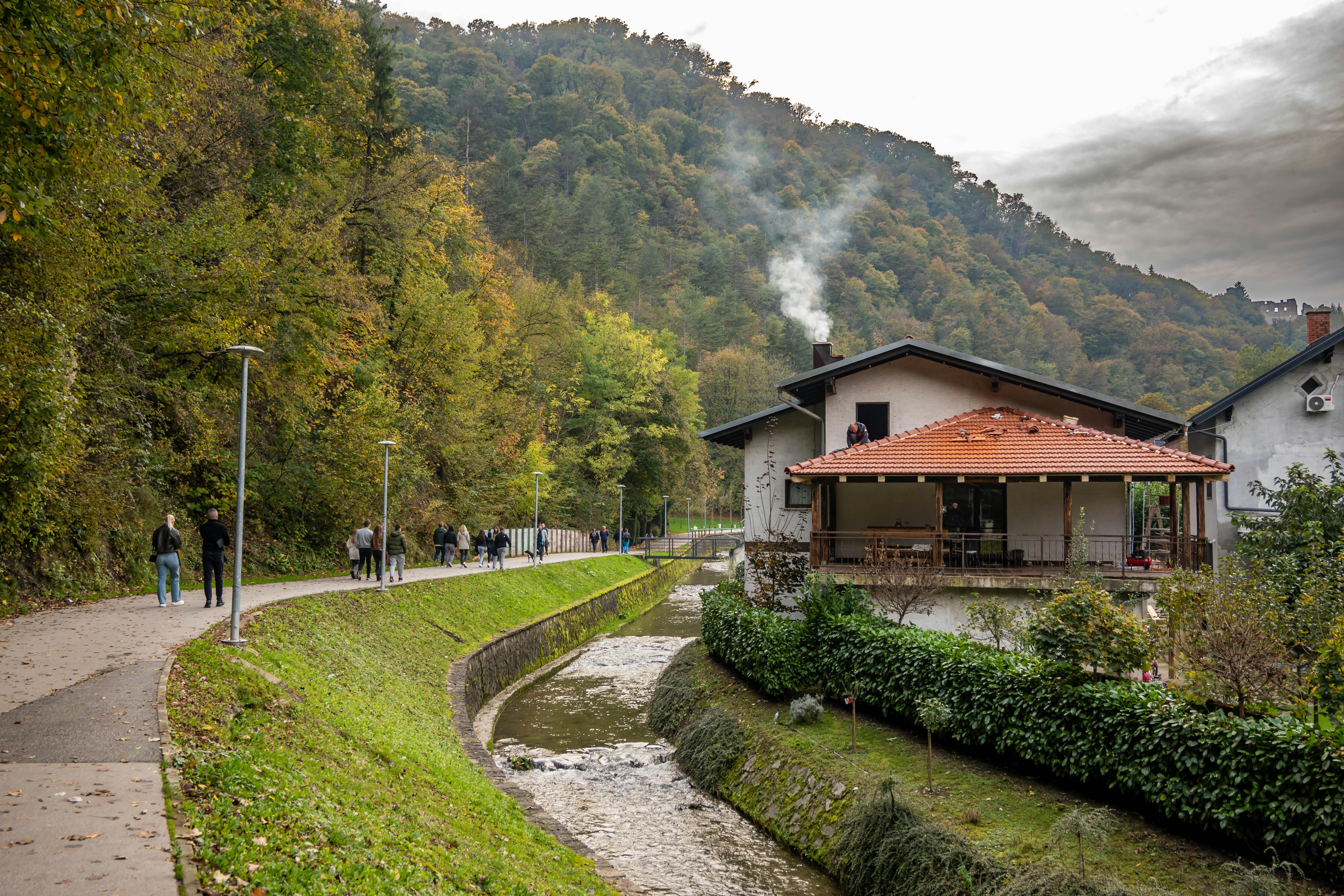
Slovenia and Croatia reward travelers who love culture, nature, and cuisine in equal measure. Slovenia’s capital, Ljubljana, is a leafy, walkable city framed by alpine peaks and a fairy-tale castle; Croatia’s Dalmatian Coast strings together Roman relics, Venetian stone towns, and translucent waters worthy of a painter’s palette.
Historically, these lands sat at the crossroads of empires—Roman, Venetian, Habsburg, and Ottoman—leaving behind walled cities, medieval bridges, and some of Europe’s best-preserved antiquities. Today, UNESCO sites dot the map: Diocletian’s Palace in Split and the Old Town of Dubrovnik headline, but don’t sleep on Slovenia’s graceful bridges by architect Jože Plečnik or the alpine glow of Lake Bled.
Practical notes: both countries use the euro and are in the Schengen Area. Tap water is excellent, cards are widely accepted, and casual tips of 5–10% are appreciated. For a sweet spot of good weather and fewer crowds, consider May–June or September–October. Pack comfortable shoes for cobbles, a light layer for breezy ferries, and appetite for market-fresh Mediterranean cooking.
Ljubljana
Ljubljana feels like a pocket-sized European classic: willow-draped riverbanks, open-air markets, and café tables angled perfectly for people-watching. The dragon is the city’s mascot; a stroll over Dragon Bridge to the Old Town ties together Baroque façades and Plečnik’s modernist touches.
Food lovers find as much to savor as sightseers—Slovenian cuisine borrows from Alpine, Mediterranean, and Balkan traditions. Between artisanal coffee, wine bars pouring rebula and pinela, and convivial beer halls, it’s easy to “live like a local.”
Days 1–4: Old Town, Castle, Markets, and Alpine Day Trip
- Old Town and Ljubljana Castle: Ride the funicular up for citywide views, then ramble the ramparts and museum rooms. Back down, wander the riverside past the Triple Bridge and Central Market, both designed by Jože Plečnik.
- Café culture and craft coffee: Start at Črno Zrno Specialty Coffee (micro-roasts and a Colombian-Slovenian vibe) or STOW Coffee Roasters (elegant espresso at the City Museum). Breakfast at EK Bistro—house-made bread, shakshuka, and a view over the Ljubljanica.
- Living like a local: Browse seasonal produce and cured meats at the Central Market; if it’s a Friday from spring to fall, the Odprta kuhna (Open Kitchen) street-food festival serves everything from Carniolan sausage to modern Slovenian plates.
- Wine & beer: Taste boutique Slovenian wines at Šuklje Wine Bar (try Vipava Valley whites and Brda orangish macerations) or sample by-the-glass at Movia. For beer, head to Lajbah Craft Beer Bar on the river or tour the Union Experience for a fun brewery museum and tasting.
- Tivoli Park & Metelkova: Picnic or stroll in Ljubljana’s “back garden,” then peek into Metelkova, the city’s colorful autonomous art district, best enjoyed in early evening when the murals glow and music starts.
- Day trip to the Alps: Take a self-guided bus or train trip to Lake Bled (1–1.5 hours) for a lakeside loop, a row to the island church, and a slice of kremšnita. If you have extra time, continue to Bohinj for a quieter, glacier-carved lake backed by the Julian Alps.
Where to Eat & Drink: For lunch, grab a sausage-in-a-roll at Klobasarna or seafood crni rizot at Gostilna Sokol. For dinner, book Strelec (modern Slovenian inside the castle’s Archer’s Tower), TaBar (Basque-style small plates with local ingredients), or Druga Violina (comforting Slovenian fare run as a social enterprise).
Stay: Search well-located apartments in the Old Town or near Tivoli on VRBO Ljubljana or compare hotels on Hotels.com Ljubljana. For a mid-range budget, look just beyond the pedestrian zone for value and quiet.
Getting to Ljubljana: Fly into Ljubljana (LJU) or nearby hubs (Venice, Vienna, Zagreb) and connect by train or bus. Check options on Omio flights, Omio trains, and Omio buses. Typical one-way prices in Europe range €40–€150; Venice or Zagreb transfers to Ljubljana are ~2–3.5 hours.
Travel Day: Ljubljana → Split (Morning Departure)
- Bus (most direct): 7–8 hours, ~€30–€50. Bookable via Omio buses. Scenery includes karst hills and the Adriatic approach.
- Train + Train (via Zagreb): ~8–9 hours total, ~€40–€60, using Omio trains. A comfortable, scenic ride if you prefer rail.
- Flight (via Zagreb): Door-to-door ~3.5–5 hours including transfer times, typically €120–€250. See schedules on Omio flights.
Split
Split blends ancient Rome with Adriatic relaxation. Half the Old Town is literally Diocletian’s Palace, a 4th-century retirement complex where cafés sit under colonnades and locals chat in the Peristyle as if it were their living room.
By day, climb a bell tower for sea views or swim at a pebbly cove; by night, wander polished marble lanes toward konobas serving grilled fish, olive oil, and Plavac Mali reds. Islands like Hvar, Vis, and Brač tempt with coves and slow lunches.
Days 5–9: Palace Lanes, Markets, Beaches, and Islands
- Diocletian’s Palace: Explore the Peristyle, cathedral, and underground cellars; climb the St. Domnius bell tower for a terracotta-roof panorama.
- Markets: Visit the Pazar Green Market for figs, cheeses, and cured meats, and the Peškarija Fish Market in the morning when fishermen haul in the day’s catch.
- Beaches & viewpoints: Swim at Bačvice (watch locals play picigin) or Kašjuni beneath Marjan Hill. Hike or cycle to Marjan Viewpoint for sunset over the islands.
Food & Drink in Split: Start with espresso at D16 Coffee (roastery-fresh) or Kava2 (specialty pours). For casual bites, Barba does excellent seafood street food (try the octopus burger). For sit-down Dalmatian fare, book Konoba Fetivi (grilled fish, blitva, and local wines), Villa Spiza (chalkboard seasonal dishes), or Bokeria Kitchen & Wine (modern Mediterranean). Craft beer? Sample Croatian microbrews at Leopold’s Delicatessen Bar or catch a game at HOPS Pub Split.
Recommended Activities (Viator):
- Blue Cave and Hvar Tour - 5 Islands Tour from Split and Trogir — A full-day speedboat adventure to the glowing Blue Cave, Vis coves, Stiniva Bay, and Hvar Town; snorkel stops included.

Blue Cave and Hvar Tour - 5 Islands Tour from Split and Trogir on Viator - Split Food Tour: Discover Split One Bite At A Time — Taste prosciutto, local cheeses, olive oil, and classic Dalmatian plates while learning palace history from a foodie guide.

Split Food Tour: Discover Split One Bite At A Time on Viator - From Split: Plitvice Lakes National Park Guided Tour — Swap sea blues for lake greens on a UNESCO-listed wonder of terraced lakes and waterfalls; full-day with guided routes.

From Split: Plitvice Lakes National Park Guided Tour on Viator
Stay: Look inside or just outside the palace walls to balance atmosphere and quiet. Browse VRBO Split or compare hotels on Hotels.com Split.
Travel Day: Split → Dubrovnik (Morning Departure)
- Fast catamaran: 4–4.5 hours along the islands, ~€40–€55; scenic and smooth. Check Omio ferries.
- Bus: 4–4.5 hours via the new Pelješac Bridge, ~€25–€35. See schedules on Omio buses.
- Drive: ~3 hours without stops; consider a lunch pause in Ston for oysters and the saltworks walls.
Dubrovnik
Dubrovnik’s honey-colored walls rise straight from the Adriatic, a fortified stage for centuries of maritime drama—and, recently, cinematic fantasy. Within the gates, marble lanes lead to baroque squares, tiny churches, and cafés where the espresso is as strong as the views.
Beyond the Old Town, you’ll find vineyards on Pelješac, cliffside bars, and island escapes to the Elaphites. Cap your trip with a day across the border to Mostar or Montenegro’s Bay of Kotor—each a short hop yet a world apart.
Days 10–14: Walls, Views, Islands, and Cross-Border Day Trips
- Walk the City Walls: Go early for light and fewer crowds; the orange roofs and cobalt sea are unforgettable. Pair with a cable-car ascent of Mt. Srđ for a grand panorama.
- Lokrum Island: A 15-minute boat from the Old Port; swim off rocks, wander botanical gardens, and picnic beneath pines.
- Gruž & local life: Visit the morning market; then tour/taste at Dubrovnik Beer Company—a local craft brewery taproom in the port district.
Recommended Activities (Viator):
- E-Tuk Tuk Tour in Dubrovnik — Quiet, open-air vehicles zip you to the best viewpoints beyond the crowds; ideal on arrival to get your bearings.

E-Tuk Tuk Tour in Dubrovnik on Viator - Dubrovnik Cable Car Ride, Old Town Walking Tour plus City Walls — Two essentials for first-timers rolled into one: history, views, and the legendary ramparts.

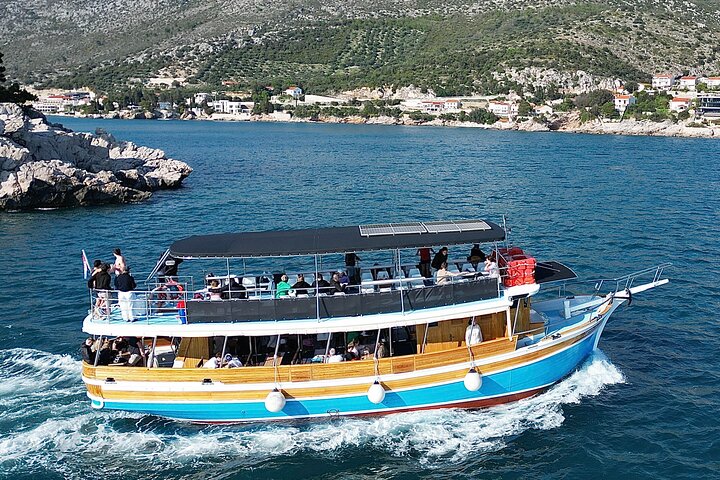
Dubrovnik Cable Car Ride, Old Town Walking Tour plus City Walls on Viator - Full-Day Dubrovnik Elaphite Islands Cruise with Lunch and Drinks — Classic island-hopping with sandy Šunj Beach, village strolls, and a hearty onboard lunch; great value for a relaxed day.
Full-Day Dubrovnik Elaphite Islands Cruise with Lunch and Drinks on Viator - Kravice Waterfalls, Mostar and Pocitelj Day Tour from Dubrovnik — A compelling look at Bosnia and Herzegovina: Ottoman bridges, old bazaars, and a swim-friendly cascade amid emerald pools.

Kravice Waterfalls, Mostar and Pocitelj Day Tour from Dubrovnik on Viator
Where to Eat & Drink: Espresso at Cogito Coffee (specialty roaster) or a seaside cappuccino at Gradska Kavana. For dinner, try Pantarul (seasonal bistro with excellent value), Taj Mahal (Bosnian dishes like burek and klepe), and Azur Dubrovnik (Asian-Med fusion in backstreets). Reserve Konoba Dubrava up on Bosanka for traditional peka (slow-cooked under an iron bell). For a memorable sundowner, sip at Buza Bar on the cliffs above the sea or do a flight at D’Vino Wine Bar.
Stay: Inside the walls for storybook ambiance, or in Gruž/Lapad for space and better prices. Browse VRBO Dubrovnik or compare hotels on Hotels.com Dubrovnik.
Budget & Timing Notes
- Budget (50/100): Plan €80–€150 per day per person excluding accommodation, depending on tours and island trips. Mix konobas with market picnics to keep costs steady.
- Reservations: Book key dinners (Pantarul, TaBar, Strelec) and popular boat trips in advance, especially June–September.
- Transport: For all regional trains, buses, and ferries, compare and book on Omio trains, Omio buses, and Omio ferries.
Wrap-Up
Across two weeks, you’ll taste Slovenian wines by a candlelit river, wander a living Roman palace, and sail the island-dotted Adriatic before tracing medieval walls at golden hour. The route balances headline sights with local markets, breweries, and small pleasures that make the Balkans unforgettable.
Leave room in your plans for serendipity—a street musician under Split’s colonnades, a last-minute swim at Kašjuni, or one more espresso on Stradun. That’s where the magic sticks.