
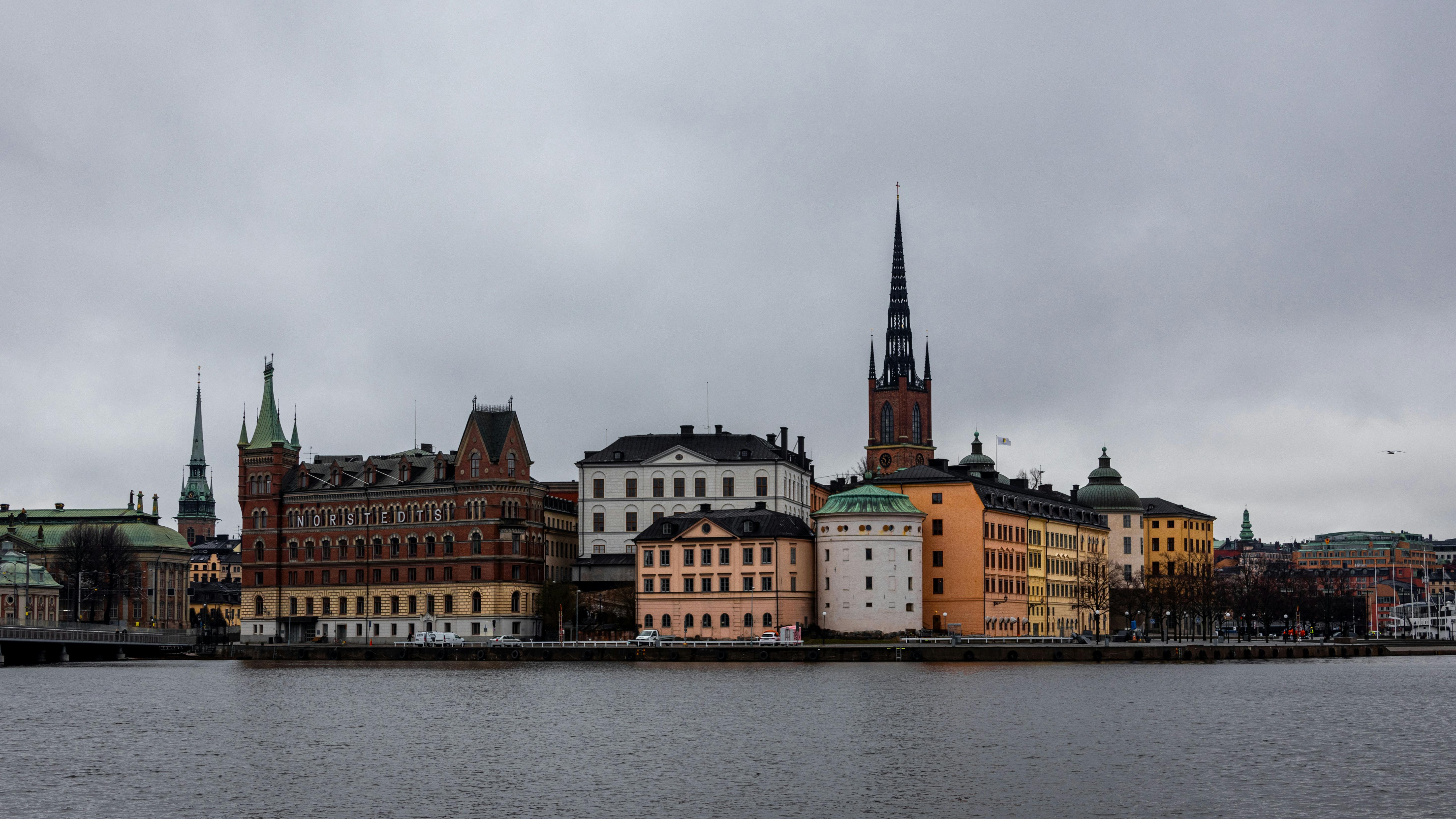
Scandinavia rewards travelers who like their cities intelligent, their landscapes dramatic, and their meals taken seriously. Over 14 days, this itinerary threads together four of the region’s most compelling capitals and cultural hubs: Stockholm, Bergen, Helsinki, and Copenhagen, balancing history, outdoor adventure, museum time, and a steady parade of bakeries, seafood counters, breweries, and neighborhood cafés.
There is deep history under the clean design and calm public squares. Stockholm grew from a medieval trading settlement into the heart of the Swedish Empire; Bergen was once a major Hanseatic port; Helsinki reflects both Swedish and Russian influence while feeling unmistakably Finnish; and Copenhagen remains one of Europe’s great royal and maritime cities, where bicycles and excellent restaurants rule the day.
Practically speaking, March 2025 is a fine time for this route if you pack for cold, wet, and changeable weather. Expect excellent public transport, card-friendly cities, high food costs by European standards, and superb coffee culture; for a mid-range budget around 50/100, mixing central but sensible hotels with a few paid tours and plenty of self-guided wandering keeps the trip comfortable and realistic.
Stockholm
Days 1-4: Old Town lanes, island views, museums, Nordic flavors
Begin in Stockholm, a city spread across islands where water is never far away and the skyline shifts between copper spires, royal facades, and sleek modern neighborhoods. It is one of Europe’s most visually satisfying capitals, and for an adventurous traveler, it offers the rare mix of serious history, walkable districts, ferry-hopping freedom, and easy access to nature.
On your first block of days, focus on Gamla Stan, Djurgården, Södermalm, and Norrmalm. Gamla Stan’s narrow medieval streets are touristy for a reason, but they are also atmospheric early in the morning; Djurgården gathers many of the city’s best museums in a leafy island setting; Södermalm brings creative energy, independent coffee shops, and viewpoints; Norrmalm gives you shopping, transit convenience, and the more modern face of the capital.
Arrival and getting in: Fly into Stockholm and compare routes via Omio flights. From the airport, public transport into the city is straightforward; budget roughly $15-$35 depending on airport and transfer method, with travel times often around 20-45 minutes.
Where to stay: For a classic splurge, Grand Hôtel Stockholm places you near the waterfront and old-city sights. For better value and a social atmosphere, Generator Stockholm works well, while Scandic Skärholmen is a more budget-conscious option. You can also browse broader options on VRBO Stockholm and Hotels.com Stockholm.
- Must-see sights: The Vasa Museum is the essential museum stop, built around a nearly intact 17th-century warship that sank on its maiden voyage and was salvaged centuries later; it is one of the most astonishing historical displays in Europe. Pair it with a walk through Skansen’s open-air heritage grounds if you want folk culture and broad city views.
- For your adventurous side: Walk Monteliusvägen at sunset for one of the best panoramic views in Stockholm, then continue through Södermalm’s hilly streets. If weather allows, take ferries between islands instead of the metro whenever practical; the city reads best from the water.
- Museum pick beyond Vasa: Fotografiska is consistently one of the city’s strongest contemporary museum experiences, especially if you enjoy bold photography exhibitions and a stylish café scene.
- Unique activity: The Stockholm archipelago is not just a postcard backdrop. A short cruise introduces the geography that defines the city and makes Stockholm feel half-capital, half-maritime wilderness.
Coffee and breakfast: Start with Vete-Katten, a historic pastry institution with old-world interiors, excellent cardamom buns, and the kind of display counter that makes restraint nearly impossible. For a more modern café mood, drop into Drop Coffee in Södermalm, known for serious sourcing and beautifully prepared filter coffee and espresso.
Lunch ideas: Östermalms Saluhall is ideal for a first proper Stockholm lunch, especially if you want to sample several Nordic specialties under one roof. Look for seafood, cured fish, meatballs, and open-faced sandwiches; it gives you a concise lesson in Swedish ingredients without forcing a formal meal.
Dinner recommendations: Tradition is a reliable choice for classic Swedish comfort food such as meatballs, herring, and Janssons frestelse in a central setting that does not feel stuffy. For something more produce-driven and contemporary, Pelikan in Södermalm remains a beloved beer hall-style institution where the portions are hearty, the room has character, and the menu offers a proper sense of Swedish dining rather than generic international fare.
Drinks: Stockholm is not the easiest city for bargain drinking, so choose quality over quantity. Seek out a craft beer stop in Södermalm, or settle into a wine bar for a single thoughtful glass before dinner; the city’s drinking culture leans measured rather than rowdy.
Recommended Viator activities:
- Best of Stockholm: Small Group Walking Tour (Max 10, 3 Hours) — a strong first-day orientation through the city’s major districts and stories.
- Vasa Museum Guided Tour, Including Ticket & Guide — ideal if you want the ship’s political and military context rather than just admiring its scale.
- The Nordic Food Walk Stockholm — especially well matched to your foodie interest, with tastings that explain how Swedish cuisine evolved from preservation culture to modern Nordic cooking.
- Stockholm Archipelago Cruise with Guide — an easy, scenic way to grasp the city’s geography and maritime identity.


Day 5 travel: Stockholm to Bergen
Depart in the morning from Stockholm for Bergen by air, generally the most logical route. Search schedules on Omio flights; typical total journey time is around 4-6 hours including airport procedures and any connection, with fares often in the $90-$220 range when booked in advance.
Bergen
Days 5-8: Fjords, funicular views, seafood, brewery stops, mountain air
Bergen feels immediately different from Stockholm. It is tighter, wetter, more dramatic, and pressed close against mountains and sea, with colorful Bryggen warehouses reminding you that this was once one of northern Europe’s key trading ports.
This is the Norwegian segment built for your adventurous vibe. While Bergen itself has museums and urban pleasures, the real magic lies in combining city wandering with fjord outings, steep viewpoints, and at least one day of serious landscape immersion.
Where to stay: Hotel Norge by Scandic is polished and central, while Citybox Bergen is one of the best value-forward picks in town. Scandic Ørnen and Thon Hotel Rosenkrantz Bergen are also strong mid-range options. For apartments and broader searches, use VRBO Bergen and Hotels.com Bergen.
- Core sights: Walk Bryggen early, before tour groups gather; the leaning timber buildings and narrow wooden passages are most evocative when quiet. Continue to the Fish Market area, then ride the Fløibanen funicular for views over the city, harbor, and surrounding peaks.
- Hiking option: If conditions are safe, use Mount Fløyen as your easy-access hiking gateway. There are gentle trails as well as longer paths that quickly make the city feel far away.
- Museum note: The Hanseatic Museum context matters here even when exhibits shift or nearby heritage sites share the interpretive load; Bergen is best understood as a trading city shaped by German merchants, cod, weather, and the sea.
- Foodie angle: Seafood is the obvious draw, but Bergen also has an increasingly good casual dining scene, including bakeries, beer bars, and cafes that make rainy afternoons quite pleasant.
Coffee and breakfast: Bergen Kaffebrenneri is a dependable specialty coffee stop with a local feel and a serious approach to beans. Godt Brød works well for bakery breakfasts, especially if you want something quick before a fjord excursion; their breads and pastries are consistently satisfying.
Lunch ideas: At the Fish Market, focus on fresh shellfish, fish soup, or an open-faced seafood plate rather than the most theatrical tourist platters. For a more local-feeling lunch, try Colonialen’s casual formats if available, where ingredients and execution tend to be sharper than average.
Dinner and drinks: Bryggeloftet & Stuene is a classic Bergen standby for traditional Norwegian dishes in historic rooms, and it is a good place to try reindeer, stockfish, or local seafood without fuss. For craft beer, Henrik Øl- og Vinstove is one of the city’s best-known beer bars, with a broad selection and a more enthusiast-friendly atmosphere than a standard pub.
Recommended Viator activities:
- Walking Tour in Bergen of the Past and Present — excellent for grounding the city in its history and understanding how Bergen developed beyond the postcard waterfront.
- Bergen Mostraumen Fjord Cruise with Local Guide — a fine short fjord option if you want dramatic scenery without giving up a full day.
- A Taste of Bergen Food Tour with Floibanen Funicular — a smart match for your foodie interest, combining tastings with one of the city’s signature viewpoints.
- Flam Railway, Nærøyfjorden Cruise and Stegastein Viewpoint — the standout big-adventure day, packing Norway’s classic mountain-and-fjord drama into one unforgettable excursion.


Day 9 travel: Bergen to Helsinki
Fly from Bergen to Helsinki in the morning, usually with a connection. Compare options via Omio flights; expect total travel times around 4.5-7.5 hours and fares commonly between $120-$260 depending on timing and baggage.
Helsinki
Days 9-11: Design districts, sauna culture, coastal walks, market halls, forest escape
Helsinki is understated at first glance, then unexpectedly addictive. Its pleasures are less theatrical than Stockholm’s or Bergen’s, but they accumulate beautifully: granite architecture, Baltic light, thoughtful design, excellent cafés, market halls, and a culture that treats both sauna and silence with respect.
This is the city to slow down in, though not too much. You can pair urban wandering with an outdoorsy day in Nuuksio National Park, making Helsinki one of the best cities in Europe for combining museum time and forest air without difficult logistics.
Where to stay: Hotel Kämp is the classic high-end option, while Omena Hotel Helsinki City Centre offers simple budget practicality. Scandic Park Helsinki lands comfortably in the middle. You can also search VRBO Helsinki and Hotels.com Helsinki.
- City highlights: Senate Square, Helsinki Cathedral, the harbor, the Design District, and the waterfront all make a strong introductory loop. Temppeliaukio Church, carved into rock, remains one of the city’s most distinctive architectural experiences.
- Museum and culture: Amos Rex is a strong pick for contemporary art and striking design. If you prefer history and atmosphere over big institutions, spend time in the Old Market Hall and around Katajanokka.
- Unique activity: Sauna is not optional if you want to understand Finland. Choose a public sauna experience by the sea if your schedule allows; it is one of the few activities that is equally cultural, restorative, and memorable.
- Hiking escape: Nuuksio National Park is the best day-trip choice for your adventurous preference. It offers forest trails, lakes, rocky outcrops, and the satisfying feeling of being far from the city while still being logistically easy.
Coffee and breakfast: Café Regatta is tiny, famous, and worth it for the setting alone, especially if you can pair coffee with a waterfront stroll. For a more central specialty option, Kaffa Roastery in the Design District is one of Helsinki’s most respected coffee names and a good base before a morning of gallery and boutique browsing.
Lunch ideas: Old Market Hall is the right move for a flexible lunch, especially if you want salmon soup, smoked fish, reindeer products, or Finnish pastries in one compact place. It also suits a mid-range budget better than many formal restaurants.
Dinner recommendations: Savotta, near Senate Square, is a very good choice for traditional Finnish flavors in a setting that nods to rustic heritage without becoming gimmicky. For something more contemporary, try a bistro-style dinner built around seasonal Nordic ingredients and natural wines; Helsinki’s food scene is precise rather than flashy, and that is part of its appeal.
Recommended Viator activities:
- A Finntastic Walking Tour in Helsinki — ideal for understanding Finnish culture, humor, daily life, and the city’s quieter personality.
- Helsinki Authentic Walking Food Tour with 8 Local Tastings — a strong foodie fit, especially if you want context for Finnish ingredients and neighborhood life.
- Helsinki: Nuuksio National park hiking with campfire lunch — the best outdoors match in this city, adding forest trails and a campfire element to an otherwise urban stop.
- Helsinki and Suomenlinna Day Tour with Ferry Ride — a worthwhile option if you prefer history, island scenery, and UNESCO-listed fortifications over a hiking day.


Day 12 travel: Helsinki to Copenhagen
Fly from Helsinki to Copenhagen in the morning. Search routes through Omio flights; nonstop flights are common, with total travel times usually around 3-4.5 hours including airport transfer and fares often in the $70-$180 range booked ahead.
Copenhagen
Days 12-14: Bike culture, canals, castles, bakeries, beer, and inventive urban energy
Copenhagen is the best city in the Nordic region for ending on a high note. It is stylish but not brittle, historic but playful, and unusually easy to enjoy even when you have seen a lot already; after two weeks, its bike lanes, harbor views, bakery culture, and excellent casual dining feel like a reward.
What sets Copenhagen apart is how many different trip styles it satisfies at once. You can do royal history, canals, museums, food markets, beer walks, architecture, and offbeat outdoor art in the same day without exhausting yourself.
Where to stay: Hotel d'Angleterre is iconic if you want one grand final stop. Better-value options include Urban House Copenhagen by MEININGER, Tivoli Hotel & Congress Center, and Wakeup Copenhagen - Borgergade. For wider searches, use VRBO Copenhagen and Hotels.com Copenhagen.
- Classic sights: Nyhavn is busy but still worth seeing for its colorful facades and harbor energy. Amalienborg, Christiansborg, and Rosenborg give you royal Copenhagen in distinct forms, while the Little Mermaid is best treated as a brief stop rather than a major destination.
- Best way to move: Rent a bike for at least half a day if you are comfortable cycling in cities. Copenhagen’s bicycle infrastructure is world-famous because it is practical, not merely symbolic, and riding here gives you a local rhythm that walking cannot quite match.
- Museum option: Louisiana Museum of Modern Art is outside the center and excellent if you have extra time, but within the city proper you can happily prioritize neighborhood wandering, markets, and canals over heavy museum scheduling.
- Unique activity: The Six Forgotten Giants in the outskirts of Copenhagen are a wonderfully strange art-and-nature experience, blending sculpture hunt and countryside excursion in a way that fits your interest in unique activities.
Coffee and breakfast: Hart Bageri is one of the city’s heavyweight bakery names, and its laminated pastries justify the reputation. For coffee, Prolog in the Meatpacking District remains a serious favorite among people who care about espresso and roasting, and the surrounding neighborhood is good for later drinks as well.
Lunch ideas: Torvehallerne is the ideal flexible lunch stop, especially if you want to sample smørrebrød, seafood, cheese, pastries, and coffee in one lively place. It also lets you keep spending under control by mixing snack-style grazing with one proper dish.
Dinner and drinks: Restaurant Schønnemann is a classic choice for excellent smørrebrød, where the open-faced sandwiches are treated as real cuisine rather than a quick snack; order herring if you want tradition, roast beef if you want something more familiar, and pair either with aquavit. For beer, Mikkeller bars or a guided Vesterbro beer walk give you a direct line into Copenhagen’s influential craft brewing scene.
Recommended Viator activities:
- Copenhagen Highlights 3 Hour Bike Tour with local Guide — arguably the best all-around introduction to the city because cycling is part of the place, not just transport.
- Copenhagen Culinary Food Tour with 6+ Tastings of Danish Classics — a natural fit for your foodie focus, with Danish specialties and neighborhood context.
- Politically Incorrect Beer Walk — best for your brewery interest and for seeing Vesterbro beyond postcard Copenhagen.
- The Six Forgotten Giants Trolls Hunt with Minibus — an excellent unusual outing combining light nature time with Danish public art.


This 14-day Scandinavia itinerary gives you four distinctive Nordic cities without turning the trip into a blur of airports and hotel lobbies. You will leave with Viking history, fjord drama, Baltic design, excellent museum memories, strong coffee habits, and a much clearer sense of how different Sweden, Norway, Finland, and Denmark truly are.
If you want the smartest version of this journey, book the intercity flights early, reserve one or two marquee tours in advance, and leave space in each city for unplanned café stops and neighborhood wandering. The Nordic countries reward structure, but they reward curiosity even more.