
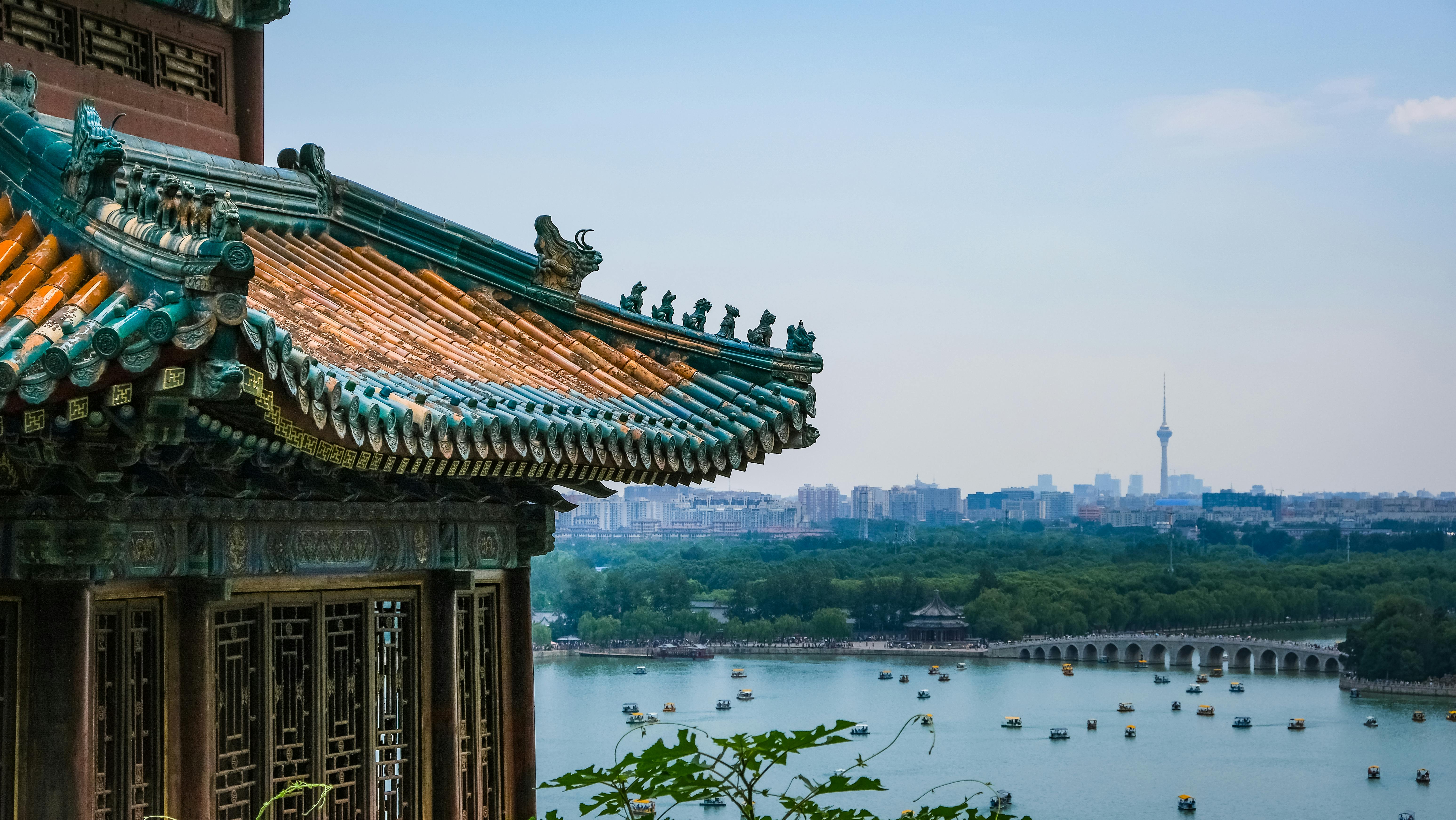
Beijing—known as Pechino in Italian—has been China’s political and cultural heart for centuries. Capital to the Ming and Qing emperors and modern China alike, it holds six UNESCO World Heritage Sites, from the Forbidden City to the Great Wall. Expect imperial architecture, serene temples, and a dynamic city that keeps reinventing itself.
History is everywhere, but so is innovation: glassy business districts rise over ancient hutongs, indie galleries flourish in repurposed factories, and craft breweries hum beside tea houses. The city hosted the 2008 Summer and 2022 Winter Olympics, leaving striking venues and sprawling parks you can still visit.
Practical notes: the Palace Museum (Forbidden City) requires real-name advance ticketing and is usually closed on Mondays; carry your passport for ticket checks. Subways are clean and affordable (typically ¥3–7 per ride). Cuisine ranges from imperial banquet dishes to jianbing street crêpes—come hungry and curious.
Beijing
Beijing rewards a slow traveler. In two weeks, weave through courtyards and lakes, taste time-honored recipes, and take two different Great Wall experiences—one leisurely, one wild. Add a quick bullet-train hop to Tianjin to taste another Northern city’s rhythm.
Where to stay: Hutong courtyard homes put you amid history; Shichahai/Houhai is great for lakeside strolls; Wangfujing offers central sights; Sanlitun is lively and modern; CBD/Guomao is business-convenient. Browse stays on VRBO or Hotels.com.
Getting there: Fly into PEK (Capital) or PKX (Daxing). Compare fares and routes on Trip.com Flights or Kiwi.com. From PEK, the Airport Express to the city runs about ¥25; from PKX, the Daxing Airport Express is about ¥35 (connect to the subway).
Days 1–3: Historic Core and Hutongs
Start at Tiananmen Square and the Forbidden City (Palace Museum). Reserve tickets in advance (usually ¥40–60 seasonally); plan 3–4 hours to see the main halls and a few side galleries. Exit north to Jingshan Park for a hilltop panorama—the classic golden-roof skyline at sunset is worth the climb.
Stroll west to Beihai Park (lakes, pavilions, and the White Dagoba), then navigate the hutongs around Nanluoguxiang and the Drum & Bell Towers. This is Beijing’s intimate side: gray-brick lanes, hidden courtyards, and neighborhood life.
- Breakfast/Coffee: Café Zarah (Gulou) for strong espresso and a reliable brunch; Metal Hands (hutong micro-roastery) for serious pour-overs.
- Lunch: Yaoji Chaogan near the Drum Tower for zhajiangmian and offal stews—a Beijing institution; or Noodle Loft for hand-pulled noodle theater.
- Dinner: Siji Minfu (multiple branches) for expertly rendered Peking duck—crispy skin, roll it with scallion, cucumber, and sweet bean paste; Bianyifang (since 1416) for old-school roast duck baked in a closed oven, a different flavor profile from the open-fire style.
- Evening: Jing-A Taproom (Xingfucun) or Great Leap Brewing #45 for Beijing craft beer; walk Wangfujing Snack Street to sample hawthorn skewers and sesame treats.
Days 4–5: Temples, Gardens, and Imperial Grandeur
Visit the Temple of Heaven early to watch locals practice tai chi and dance in the cypresses, then tour the prayer halls (combo tickets usually ¥34–45). In the afternoon, ride Line 4 to the Summer Palace—a world of lakes, causeways, and the Long Corridor; rent a boat in warm months and wander Suzhou Street.
Pair the Lama Temple (Yonghe Gong) with the nearby Confucius Temple and Imperial College. Between them, Wudaoying Hutong is lined with boutiques and cafés.
- Breakfast/Coffee: Voyage Coffee (multiple spots) for single-origin beans; try a sesame shaobing and warm doujiang at a local breakfast stall en route to the Temple of Heaven.
- Lunch: Dong Lai Shun (Wangfujing) for traditional mutton hotpot with sesame sauce; or Xibei Youmian for Northwest specialties like youmian noodles and cumin lamb.
- Dinner: King’s Joy (near Lama Temple), a refined, plant-based fine-dining experience known for seasonal tasting menus; or TRB Hutong for polished service and contemporary European plates in a historic courtyard.
- Tea break: Step into a Lao She–style teahouse for jasmine or pu’er and watch a short crosstalk or Peking opera excerpt in the late afternoon.
Days 6–7: Contemporary Art, Design, and Markets
Dedicate a day to the 798 Art District, a former factory complex turned galleries, design shops, and street art. Pop into UCCA (if on) and independent spaces; cafés and street-side bao keep you fueled. For a quieter counterpoint, consider the sculptural gardens at the Red Brick Art Museum (longer taxi ride, but photogenic).
Spend the next morning at the Panjiayuan Antique Market (best on weekends) for porcelain, calligraphy, and curio browsing, then head to Qianmen and the Dashilar lanes for heritage storefronts and snacks.
- Breakfast/Coffee: Moka Bros (Sanlitun) for healthy bowls and good coffee before 798; Seesaw Coffee inside newer malls for reliable brews.
- Lunch: Jing Zun for duck in a more laid-back setting near the embassy area; Mr. Shi’s Dumplings (Baijiazhuang) for pan-fried jiaozi with creative fillings.
- Dinner: Hu Da on Ghost Street (Gui Jie) for spicy crayfish and Sichuan classics; or explore a hutong food crawl: mung-bean jelly, baodu (flash-boiled tripe), and sugar-coated haw.
- Night: Blue Note Beijing (Qianmen) for live jazz; or skyline cocktails at Atmosphere Bar atop China World Summit Wing.
Days 8–9: Great Wall Immersion (Mutianyu + Jinshanling or Simatai)
Mutianyu is your relaxed Wall day: restored but less crowded than Badaling, with lush views. It’s ~1.5–2 hours by car/taxi from central Beijing; private cars typically ¥600–800 round-trip, shared tours often ¥300–500 including transport. On-site shuttle (¥15), cable car or chairlift up/toboggan down (¥100–120 each way). Allow 4–5 hours on the Wall.
For a wilder hike, choose Jinshanling (spectacular ridgelines, partly unrestored) or an afternoon-evening at Simatai via Gubei Water Town (night illumination; cable car available). Both are ~2–2.5 hours by car; seasonal tourist buses run from Wangjing West to Jinshanling. Bring water, sun protection, and grippy shoes.
- Lunch: Farmhouse fare near Mutianyu—try The Schoolhouse-style restaurants in the area for trout, stir-fried greens, and mapo tofu; simple, fresh, and hearty.
- Dinner back in town: Da Dong (Tuanjiehu) for creative duck carving and delicate starters; or northern comfort food at Baoyuan Dumplings (rainbow-colored wrappers, classic fillings).
Day 10: Tianjin Day Trip by High-Speed Rail
Zip to Tianjin from Beijing South Station on a G-train in ~30–35 minutes (second class from ~¥54–74 each way). Book seats on Trip.com Trains. Start with the Wudadao concessions-era villas, stroll the Italian Style Town, and ride the Tianjin Eye Ferris wheel at dusk.
- Lunch: Taste iconic Goubuli baozi (plump meat buns) and pick up Erduoyan mahua (twisted fried dough) as souvenirs.
- Evening: Return to Beijing for a late bowl of lamb spine hotpot or a craft pint near Sanlitun.
Day 11: Universal Beijing Resort (Family-Friendly Fun)
Spend a full day at Universal Beijing (opened 2021). Dynamic pricing means tickets vary widely (~¥418–748+); arrive early, use single-rider lines, and prioritize The Wizarding World of Harry Potter, Transformers, and Jurassic World rides. It’s about 45–60 minutes by subway/bus or 30–50 minutes by taxi depending on where you start.
- Food: Park dining skews themed; for dinner back in the city hit Q Mex (Sanlitun) for crowd-pleasing tacos and margaritas or Hulu by TRB (if operating) for bistro plates; otherwise, try Nuoyan Rice Wine Bistro near Shichahai for Chinese small plates and house-fermented mijiu.
Days 12–13: Modern Landmarks, Olympic Legacy, and Shopping
Walk the Olympic Green to see the Bird’s Nest and Water Cube, then head to the repurposed Shougang Park where the Big Air jump looms over cooling towers—a striking photo stop. If traveling with kids, Chaoyang Park offers playgrounds and lakeside paths.
Shop for tea and silk: browse Maliandao Tea Street for tastings (ask for a casual pu’er or oolong flight), or visit Sanyuanli Market for snacks and fruit. In the evening, consider an acrobatic show at Chaoyang Theatre or a short Peking opera sampler—colorful costumes, stylized movement, and piercing jinghu strings.
- Breakfast/Coffee: Metal Hands or Voyage Coffee for a second round; try a jianbing with extra cilantro and chili.
- Lunch: Jing Yaa Tang (The Opposite House) for refined duck and dim sum; or Lanzhou Lamian shop for hand-pulled beef noodles under ¥40.
- Dinner: Haidilao for theatrical, ultra-service hotpot (hand-pulled noodle show, custom dipping sauces); or Xin Rong Ji (if you want a seafood splurge).
Day 14: Museums, Souvenirs, and Departure
Choose a capstone museum: the National Museum of China (ancient bronzes to modern history) or the Capital Museum (Beijing-focused culture). Amble through Qianmen for last-minute gifts—tea, paper fans, and White Rabbit candy—then decompress at a quiet tea house.
Heading out: check flight options and timings on Trip.com Flights or Kiwi.com. If you’re rail-hopping onward in China, check Trip.com Trains for times and seat classes.
Where to Sleep (Neighborhood picks)
- Hutong Courtyards (Shichahai/Gulou): Atmospheric stays in historic lanes—great for walkers and photographers. Browse on VRBO or compare hotels on Hotels.com.
- Wangfujing/Tiananmen: Walkable to the Forbidden City, good transit links.
- Sanlitun/Chaoyang: Dining, nightlife, and modern malls; convenient for 798 and the embassy area.
- CBD/Guomao: Business-friendly high-rises with quick subway access across town.
Local Logistics & Tips
- Transit: The subway is the fastest way to cut through traffic; use stored-value cards. Taxis and ride-hailing (Didi) are plentiful; always have your destination in Chinese characters.
- Tickets: Major sights may require ID-based online booking; the Palace Museum sells out in peak periods—reserve early.
- Costs: Hutong cafés ~¥30–55 for coffee; casual lunches ¥30–80; duck dinners ¥150–350 per person depending on venue; Great Wall transport ¥300–800 depending on method; high-speed rail to Tianjin from ~¥54 each way.
Two weeks in Beijing lets you unspool its layers—imperial avenues, incense-scented halls, street snacks, and cutting-edge art—at a thoughtful pace. With two distinct Great Wall visits and a quick hop to Tianjin, you’ll see Northern China’s breadth without rushed checklists. Keep your camera ready at Jingshan’s sunset and your appetite set for one more slice of lacquered duck.