
14 Days in Paris: A Grand Paris Itinerary with Art, Cafés, Versailles, and Day Trips
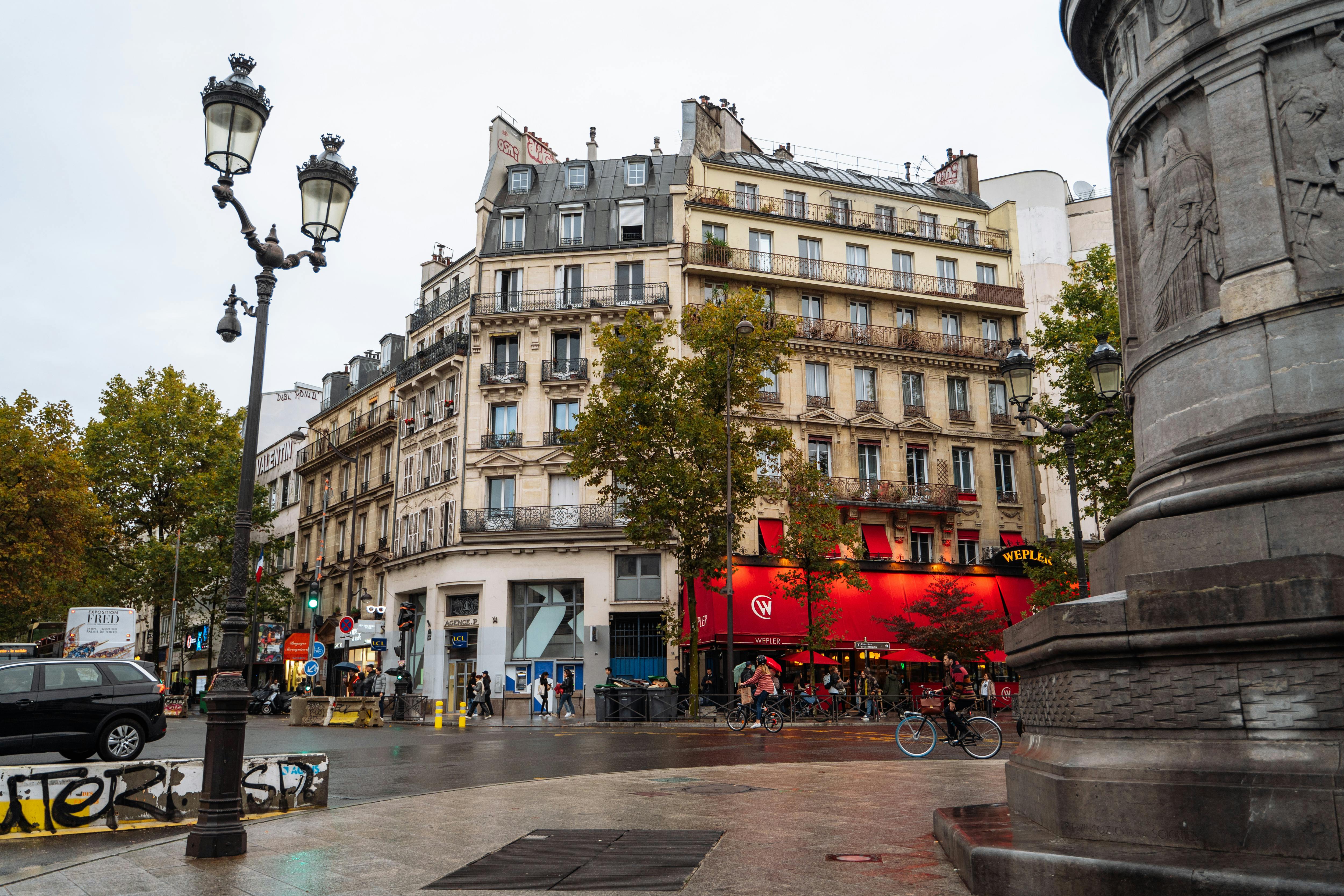
Paris did not earn its reputation in a season. From its origins as the Roman settlement of Lutetia to its flowering under kings, revolutionaries, and 19th-century planners, the French capital has been endlessly rewritten while somehow remaining unmistakably itself. You feel that long history in the stones of Notre-Dame, in the formal geometry of the Tuileries, and in the café culture that turns ordinary corners into tiny theaters of city life.
It is also a city of delicious contradictions. Paris can be imperial and intimate, polished and bohemian, scholarly and wildly sensual, often within the same arrondissement. One morning might begin with a butter-rich croissant and end beneath the iron lattice of the Eiffel Tower, while the next takes you into Monet’s gardens or the royal spectacle of Versailles.
For practical planning, Paris is best enjoyed at a measured pace, especially over 14 days. The Métro and RER make movement easy, museums often require timed-entry reservations, and many top restaurants reward advance booking. March 2025 is a fine time to visit, though layers, comfortable walking shoes, and attention to museum closure days will make this Paris travel guide far more useful on the ground.
Paris
With 14 days in Paris, the smartest approach is not to rush between distant bases, but to treat the city as a deep well. Paris changes mood from district to district: the grand boulevards of the Right Bank, the old scholarly lanes of the Latin Quarter, the village feel of Montmartre, the polished avenues near the Champs-Élysées, and the quieter canal neighborhoods in the northeast. Staying in one city also lets you add exceptional day trips without losing time to hotel changes.
Arrival is easiest via Paris airports or rail hubs, then onward by taxi, RER, or Métro into the center. For flight searches into Europe, use Omio flights. If you are arriving by train from elsewhere in Europe, compare routes and fares on Omio trains. Typical transfers from Charles de Gaulle into central Paris take 45-75 minutes depending on traffic or rail, and budget travelers can often keep airport transfer costs around €12-€20 by train, while taxis generally run higher.
For accommodations, Paris offers everything from palace hotels to smart boutique stays and social hostels. Browse citywide options on VRBO Paris or Hotels.com Paris.
- Classic splurge: The Ritz Paris for historic grandeur on Place Vendôme.
- Refined Left Bank stay: Hotel du College de France, well placed for the Latin Quarter, bookstores, and early walks to Notre-Dame.
- Well-connected modern option: Novotel Paris Centre Gare Montparnasse, practical for transport and a wider range of room types.
- Best for Montmartre atmosphere: Hôtel des Arts Montmartre, ideal if you want dawn or late-evening access to the hill before crowds.
- Stylish boutique pick: Hôtel des Grands Boulevards, excellent for dining and nightlife around the 2nd and 9th arrondissements.
- Budget-friendly social base: Generator Paris, near Canal Saint-Martin and good for younger travelers.
Days 1-3: The Historic Heart of Paris — Île de la Cité, the Louvre, and the Seine
Begin where Paris began: the islands and riverbanks that shaped the city’s earliest story. Spend your first block around Île de la Cité, the Latin Quarter, and the Louvre, letting monumental Paris reveal itself slowly rather than all at once. This is the ideal moment for first views, river walks, and a proper introduction to French museum culture.
For breakfast, start with a serious Parisian bakery routine. Seek out buttery viennoiseries, a tartine with jam, and strong coffee rather than an oversized hotel buffet. In the Latin Quarter, a classic café morning works beautifully before a cathedral or museum visit, especially if you want to watch students, professors, and neighborhood regulars flow through the day.
A fine anchor experience here is the Early Access Paris Notre Dame Cathedral Walking Tour, which adds historical structure to one of the city’s most symbolically charged quarters. Notre-Dame is never just a church visit; it is a lesson in Gothic ambition, monarchy, revolution, restoration, and resilience.

Pair that with one Louvre visit done properly, not hurriedly. The Louvre Museum Masterpieces Guided Tour with Access is ideal for a first encounter, helping you cut through the scale of the museum and understand why the Mona Lisa, Winged Victory, and Venus de Milo still draw such crowds. A guided route saves your feet and your patience.

For lunch in this area, choose places that reward lingering. A polished brasserie near the Palais-Royal or a Left Bank bistro serving onion soup, poached eggs with mushrooms, or steak-frites will give you the feeling of having arrived in Paris properly. If you want something lighter, a café lunch of quiche, green salad, and a glass of Sancerre is a wise middle-of-the-day choice before more walking.
In the afternoon, stroll through the Tuileries Garden to Place de la Concorde, then along the Seine bookstalls if weather permits. The bouquinistes, those green riverside book boxes, are part of the city’s literary image and still one of the best visual reminders that Paris has always sold ideas as elegantly as it sells perfume and pastries.
One evening in this opening block should be reserved for the river itself. The Paris Seine River Sightseeing Cruise with Commentary by Bateaux Parisiens offers a graceful first orientation, especially around dusk, when bridges, domes, and embankments begin to glow.

- Coffee and breakfast: In the Latin Quarter, choose a traditional café for café crème and a fresh croissant, or seek out a specialty coffee bar near Saint-Germain for a more modern roast profile.
- Lunch ideas: A classic brasserie around Palais-Royal, or a small Left Bank café serving croque-monsieur, quiche Lorraine, and seasonal soup.
- Dinner: Book a bistro in Saint-Germain-des-Prés or near Odéon where the menu leans traditional: duck confit, escargots, beef tartare, or roast chicken with gratin dauphinois. These neighborhoods are atmospheric after dark without requiring much transit.
- Local gem: Sainte-Chapelle, if timed well, remains one of Paris’s most astonishing interiors, especially when daylight ignites the stained glass.
Days 4-6: Eiffel Tower, Musée d'Orsay, Champs-Élysées, and the Great Paris Icons
This block is devoted to the Paris of postcards and world fairs, but it need not feel obvious. The Eiffel Tower, Invalides, Pont Alexandre III, and the grand avenues can be read not merely as famous landmarks, but as statements of French engineering, imperial confidence, and urban theater. Give yourself time to see them by day and by night; they become almost different places.
Book the Eiffel Tower Dedicated Reserved Access Top or 2nd floor by lift early in this section. Reserved access matters here because spontaneous queues can consume a large share of the day. Seeing Paris spread beneath you is more than a scenic reward; it helps the city’s geography make sense, from the Seine’s curves to the disciplined vistas of Haussmann’s boulevards.

Nearby, the Champ de Mars and Trocadéro offer the expected views, but do not neglect the quiet pleasure of crossing bridges on foot. Pont d’Iéna and Pont Alexandre III are especially rewarding, the latter all gilded exuberance and Belle Époque confidence. Continue toward Les Invalides if military history or Napoleon’s tomb interests you, then make your way to Musée d'Orsay for a rich immersion in Impressionism and 19th-century France.
For breakfast on one of these mornings, choose a neighborhood bakery and eat simply: pain au chocolat, a crusty baguette sandwich saved for later, and fresh juice. For coffee, western Paris has no shortage of polished cafés, but some of the best mornings are the least ceremonial: a tiny standing counter, porcelain cup in hand, watching commuters begin the day.
Lunch is best taken around the 7th arrondissement or near the museum district. Look for market-driven French cooking rather than tourist-heavy terraces right beside monuments. Menus featuring leek vinaigrette, seasonal fish, roast poultry, lentils, and a proper dessert trolley often deliver more pleasure than overdesigned tasting menus when you are sightseeing.
One evening, lean into spectacle with the Bateaux Parisiens Seine River Gourmet Dinner & Sightseeing Cruise. It is unabashedly romantic, yes, but also a superb way to experience illuminated Paris while resting your feet. The city was made to be admired from the water, where its façades line up like a carefully staged historical panorama.

- Coffee and breakfast: Pick a bakery near Rue Cler or the Gros-Caillou area for a neighborhood feel and strong morning pastry game.
- Lunch ideas: A bistro around the Musée d'Orsay or Invalides area, where classic French plates remain the focus.
- Dinner: On a non-cruise night, reserve dinner in the 8th or 16th arrondissement if you want polished service and refined French cooking, or return to the Left Bank for something more intimate.
- Local gem: Rue Cler market street is excellent for picnic supplies if weather allows a relaxed lunch outdoors.
Days 7-8: Versailles and the Royal Imagination
No 14-day Paris itinerary is complete without Versailles. The palace is not simply opulent; it is political architecture on a monumental scale, built to turn royal power into choreography. Mirrors, gardens, axial paths, and ceremonial rooms were all part of a system meant to awe courtiers and visitors alike.
For the easiest outing, book the Versailles Palace and Gardens Tour from Paris or the From Paris: Versailles Palace Live Tour with Gardens Access. Independent travel is possible by RER, but a guided option reduces logistical friction and gives context to what can otherwise feel like a dazzling blur of gold leaf and chandeliers.

On your Versailles day, depart in the morning. If traveling independently, compare train routes on Omio trains; typical one-way travel from central Paris to Versailles is about 45-60 minutes, with costs often in the €5-€10 range depending on routing. Morning departure is best to beat crowds and to leave enough time for the gardens, which deserve far more than a hurried glance.
Back in Paris, keep the evening quiet. Choose dinner in the Montparnasse or Saint-Germain area, perhaps at a classic brasserie where seafood platters, sole meunière, or roast meats suit a post-excursion appetite. A simple tarte Tatin or île flottante makes an excellent ending after a day of royal abundance.
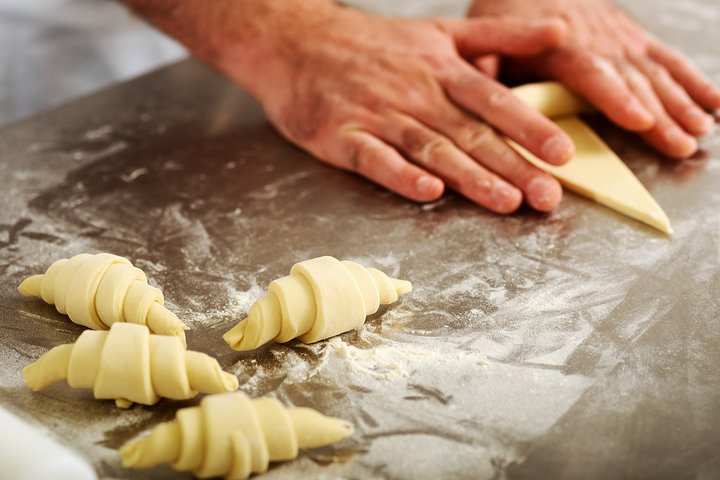
The following day can be slower and more local. Wander the covered passages of the 2nd arrondissement, browse food shops, or settle into a long lunch. This is also a fine moment for a culinary activity such as the Paris Croissant Small-Group Baking Class with a Chef, which gives you a tactile memory to carry home, not just photographs.
- Breakfast: Before Versailles, keep it efficient: espresso, croissant, and perhaps a fruit tart from a quality boulangerie.
- Lunch: At Versailles, prioritize a light lunch or café stop so you do not sacrifice garden time to a long midday meal.
- Dinner: A classic Montparnasse brasserie is ideal after the excursion, especially if you enjoy old-school Paris dining rooms.
- Local gem: The covered passages near Grands Boulevards offer an older, more secretive Paris of arcades, bookshops, and tea rooms.
Days 9-10: Montmartre, Pigalle, Canal Saint-Martin, and Neighborhood Paris
After the monuments and palaces, give Paris back its irregular edges. Montmartre remains one of the city’s most mythologized quarters, but it still rewards early morning exploration before day-trippers thicken the lanes. Beneath the postcard image is a hill with a genuine village feel, a history of artists and cabarets, and a skyline that reminds you how physically dramatic Paris can be.
Stay near or visit from Hôtel des Arts Montmartre if this district especially appeals. The advantage is atmospheric timing: sunrise around Sacré-Cœur, late dinners nearby, and the chance to walk streets such as Rue Lepic and Rue des Abbesses when they still feel like a neighborhood rather than a set piece.
Breakfast in Montmartre should be bakery-led and unhurried. Seek out flaky pastries, still-warm baguette, and a proper café crème. Then wander to Place du Tertre only if you are curious; the more memorable moments are often nearby staircases, hidden vineyard views, and old façades that recall the quarter’s artistic past.
For lunch, Pigalle and South Pigalle now offer some of the city’s most interesting casual dining. This is a good area for contemporary bistros, inventive small plates, and strong wine lists without the stiffness of more formal neighborhoods. In the evening, continue toward the 9th for cocktails, or eastward to Canal Saint-Martin for a younger, looser energy.
Canal Saint-Martin is ideal for the version of Paris that residents often prize most: waterside walks, independent shops, wine bars, and excellent casual food. Plan one dinner here featuring natural wine, roast chicken, seasonal vegetable dishes, or a modern French menu that changes with the market. The area feels lived-in rather than staged, and that is precisely its appeal.
- Coffee and breakfast: Montmartre bakery crawl, followed by coffee at a neighborhood café around Abbesses.
- Lunch ideas: South Pigalle bistros and wine bars are among the strongest lunch choices in this part of the city.
- Dinner: Canal Saint-Martin for contemporary small plates, good bread, sharp cheeses, and a list heavy on French bottles.
- Local gem: Musée de la Vie Romantique area and the quieter streets below Montmartre reward slow wandering.
Days 11-12: Art Beyond the City — Giverny or a Deeper Museum Day, Plus a Grand Excursion
By this point, you have earned the right to choose your flavor of depth. If gardens, painting, and the softer side of French cultural history appeal, take the Giverny Monet’s Home and Gardens Half Day Tour from Paris. Monet’s water garden is one of those rare places where a painter’s visual language becomes physically legible before your eyes.

If instead you want a more dramatic full-day historical outing, choose one major excursion. The Normandy D-Day Sites & Cemetery Day Trip from Paris with Lunch is powerful, sobering, and deeply worthwhile for travelers interested in 20th-century history. It changes the emotional register of the trip in a meaningful way.

Alternatively, if you crave something almost mythic, consider the Mont Saint Michel Day Trip from Paris with English Speaking Guide. It is a long day, but the tidal island’s silhouette is unforgettable, a place that seems designed by medieval imagination rather than geology and stone.

On the non-excursion day, return to one major museum at a slower pace. The Musée Rodin, Musée de l'Orangerie, or a second Louvre session focused on a single wing can be more satisfying than trying to conquer yet another vast institution. Paris rewards repeat attention; the city becomes more generous as your eye becomes better trained.
- Breakfast: Keep excursion mornings simple and early; station snacks and hotel breakfasts are perfectly acceptable when departure is before rush hour.
- Lunch: For guided day trips, lunch is often built into timing. For city museum days, choose a museum café only if convenience matters more than culinary distinction; otherwise step a few streets away.
- Dinner: After a long excursion, dine near your hotel. This is the night for comfort food: roast chicken, gratin, onion soup, or a neighborhood pasta or wine bar if you need a break from formal French dining.
Days 13-14: Markets, Shopping, Farewell Meals, and Your Final Paris
The final stretch should not be overloaded with famous sites. Instead, use these days to revisit your favorite quarter, shop intelligently, and experience the softer rituals that often become the strongest memories: market mornings, apéritif hour, a final museum garden, or a long lunch that drifts into late afternoon.
If you still want one structured experience, the Paris in A Day: Louvre, Eiffel Tower, Notre Dame & Seine Cruise is best viewed here not as a first introduction, but as a concentrated refresher if you are traveling with someone who wants a final sweep of major highlights. Otherwise, spend this time on neighborhoods and meals.

For breakfast, visit a street market or neighborhood boulangerie one last time and build a picnic: cheeses, fruit, cured meats, baguette, and a pastry you have not yet tried. If weather cooperates, a final picnic in the Luxembourg Gardens, Parc Monceau, or along the Seine is a lovely counterpoint to the city’s more ceremonial side.
Lunch can be your grand Parisian meal. Choose a classic bistro or a more polished dining room depending on mood, but order with intention: oysters if in season, pâté en croûte, sole meunière, duck, an excellent cheese course, and dessert that does not apologize for cream and butter. Paris is not a city for restraint at the table.
For your last dinner, pick a place with atmosphere rather than hype. A corner bistro with mirrored walls, soft light, and a blackboard menu can feel more unforgettable than a room chasing fashion. Raise a final glass of Burgundy or Champagne and remember that the true genius of Paris is not one monument, but the way beauty keeps appearing between monuments.
- Coffee and breakfast: Neighborhood boulangerie plus market fruit and cheese for a self-curated Paris breakfast.
- Lunch ideas: A traditional bistro for seafood, terrines, and classic sauces, or a contemporary neo-bistro if you want a more seasonal final meal.
- Dinner: Reserve a farewell dinner in Saint-Germain, the Marais, or around the Grands Boulevards depending on where you have felt most at home.
- Local gem: Department stores and specialty food shops are excellent for edible souvenirs: butter biscuits, caramels, tea, mustard, and chocolate travel better than fragile trinkets.
This 14-day Paris itinerary gives you the city in layers: royal, revolutionary, artistic, gastronomic, and gloriously local. By staying based in Paris and using selective day trips, you gain not just coverage of major attractions, but the rarer pleasure of familiarity. Paris, after all, is best when it begins to feel slightly like your own.