
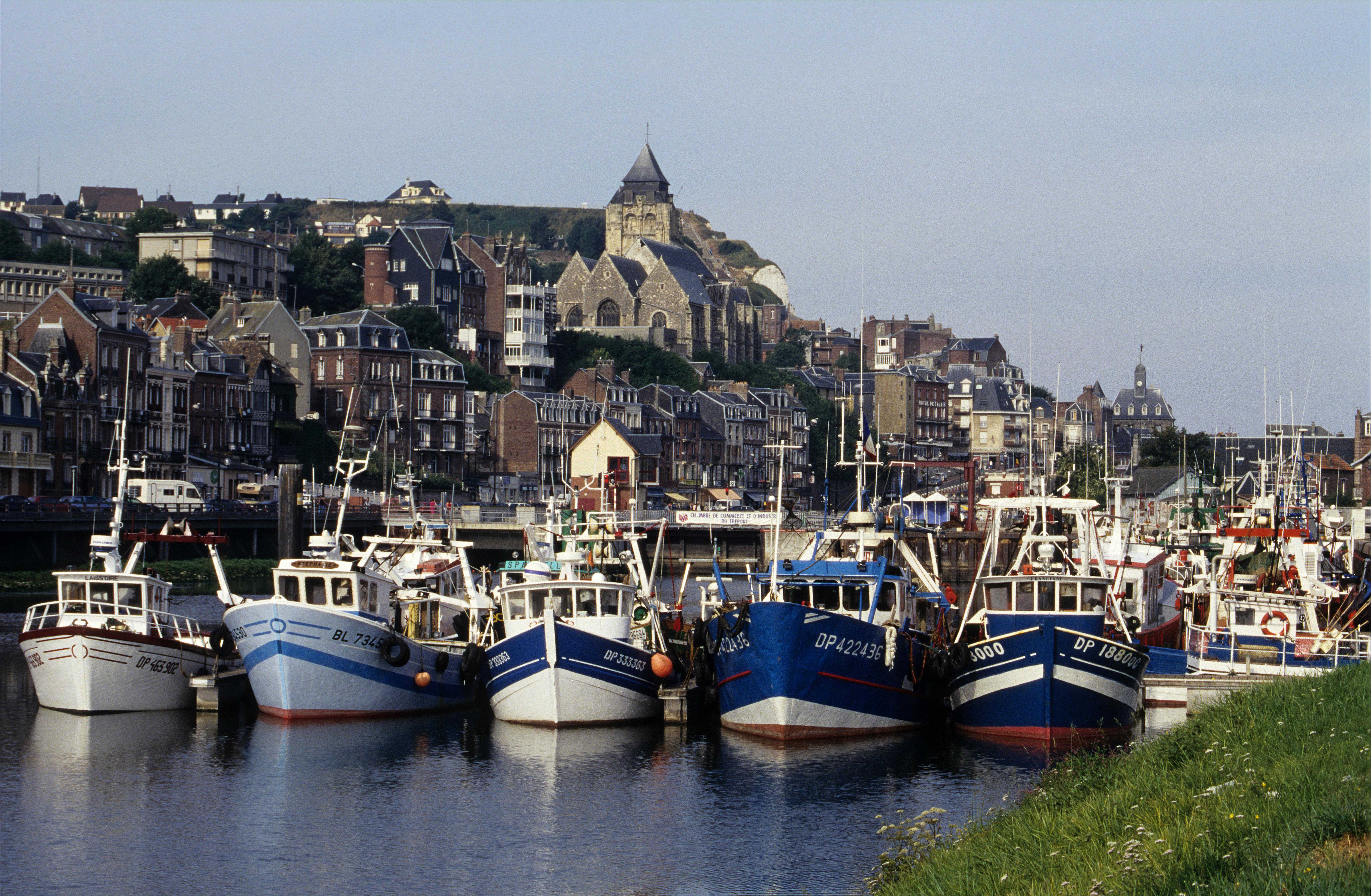
Normandy is one of those rare regions that feels vast in memory and intimate in scale. Vikings, dukes, abbeys, Impressionists, apple orchards, and the events of June 1944 all left their mark here, and the result is a landscape where nearly every hilltop, harbor, and church carries a story.
Rouen, the historic capital of Normandy, gives this trip its first pulse: timber-framed streets, one of France’s great Gothic cathedrals, and the memory of Joan of Arc. From there, western Normandy opens into Bayeux, the D-Day beaches, and the tidal wonder of Mont-Saint-Michel, creating a journey that shifts beautifully between city wandering, solemn history, and sea air.
Practically, Normandy is easy to travel at a measured pace, especially for a 14-day itinerary. With a mid-range budget, it makes sense to base yourself in two main hubs—Rouen and Bayeux—using regional trains, local transport, and a few guided excursions to reach sites that are richer with context than they would be on your own; pack layers, comfortable walking shoes, and expect excellent butter, cider, cheese, and seafood all along the way.
Rouen
Rouen is a city of spires, bells, half-timbered façades, and stone that seems to hold the color of rain. Monet painted its cathedral over and over for a reason: light changes everything here, and even a short walk between the Gros-Horloge and Place du Vieux-Marché can feel theatrical.
It is also one of France’s most rewarding cities for coffee, shopping, and aimless sightseeing. Medieval lanes hide pastry shops, independent boutiques, old churches, and excellent bistros, making Rouen an ideal first base for easing into Normandy without rushing.
Days 1-5: Settle into Rouen, explore the old city, and enjoy art, cafés, and local history
Getting there: For arrival into Normandy from elsewhere in Europe, compare rail and flight options on Omio flights and Omio trains. Paris to Rouen by train is the most common route, usually about 1.5 to 2 hours and often roughly $15-$40 depending on timing and class.
Where to stay: For a polished central stay, Hotel de Bourgtheroulde, Autograph Collection puts you in a historic setting near the old center. For good-value comfort, Ibis Rouen Centre Rive Droite and Novotel Suites Rouen Normandie are smart mid-range choices; you can also browse wider options via VRBO Rouen or Hotels.com Rouen.
Begin with the cathedral quarter, where Rouen Cathedral rises in elaborate Gothic layers and the surrounding streets seem made for slow wandering. Continue to the Gros-Horloge, the city’s famous astronomical clock, then on to the Palais de Justice and Place du Vieux-Marché, where Joan of Arc was executed in 1431 and where the city today feels lively rather than solemn, full of terraces and market energy.
For shopping, focus on the pedestrian center around Rue du Gros-Horloge and adjoining lanes. You will find French fashion chains, independent homeware shops, gourmet food stores, and old-fashioned chocolate and biscuit specialists, making this one of the easiest places in Normandy to mix sightseeing with unhurried browsing.
Rouen also suits your coffee-shop preference especially well. Try a long breakfast stop with pastries and espresso near the old center, then return later in the day for a second café pause; the city’s rhythm favors that kind of lingering, and its compact core makes it easy to dip in and out of museums, churches, and shops between cups.
- Coffee & breakfast: La Tarte Tatin is a reliable stop for pastries and coffee in the center, ideal for a first morning when you want something distinctly French without fuss. DAME Cakes has a more contemporary café feel and is excellent when you want coffee with beautiful cakes rather than a purely traditional boulangerie stop.
- Lunch: For a classic Norman lunch, seek out a bistro around the old town serving cider, Camembert, cream-based sauces, and seasonal fish. Les Maraîchers is often recommended for market-driven cuisine and gives a more local, less formulaic midday meal than tourist-set menus.
- Dinner: La Couronne is one of Rouen’s historic dining rooms and famously connected to Julia Child; it is worth booking for a traditional French meal in a setting full of old-world character. For something more casual but still rooted in regional food culture, look for a good crêperie or modern brasserie in the old center where Norman cider and galettes feature prominently.
If you enjoy walking, take an extended riverside stroll along the Seine and cross between viewpoints for a different sense of the city. For a greener outing, the paths and gardens on the hill of Sainte-Catherine reward a gentle hike with broad views over Rouen’s rooftops and church towers.
For sports, Rouen is more a city of local fixtures than headline events, but that can be part of the pleasure. Depending on the calendar, check for FC Rouen football, Rouen Normandie Rugby, or hockey at Île Lacroix; even a modest local match offers an authentic evening with regional supporters rather than a polished tourist production.
Viator activities in Rouen:
For a strong first overview, book the Rouen Must-see Attractions Walking Tour With A Guide. It covers the cathedral, Gros-Horloge, Saint-Maclou, and other essentials with context that makes the city’s layers easier to grasp on day one.

If you prefer something more tailored, the Private Custom Walking Guided Tour in Rouen is excellent for shaping the route around architecture, shopping streets, hidden alleys, and café culture rather than a fixed checklist.

For something more theatrical, the Unique Joan of Arc immersive tour in Rouen - 1.5 hours brings the city’s most famous story into the streets where it unfolded. It is a memorable choice if you enjoy history presented with a human voice rather than museum labels alone.

If hidden narratives appeal to you, the Small Group Guided Tour of the Secret History of Rouen is a smart addition. It goes beyond the postcard sights and suits travelers who want anecdotes, odd details, and a stronger sense of the city’s lesser-known corners.

Days 6-7: Day trips from Rouen for coast, gardens, or deeper Normandy history
Use these days flexibly according to mood. If you want a lighter, more scenic contrast to Rouen’s stone and medieval streets, head toward the coast for harbor views and seaside atmosphere; if you want more history, choose a wartime excursion; if gardens and art interest you, Giverny makes a graceful detour.
For a coastal outing, Honfleur and Deauville make an attractive pair. Honfleur’s old harbor, slate-roofed houses, and artist associations are ideal for strolling and photography, while Deauville brings boardwalk elegance, beach air, and boutique shopping.
Viator day trip options from Rouen:
The Deauville & Honfleur from Rouen | Private Tour | Guide Optional is a fine fit for your sightseeing and shopping interests. It offers a softer side of Normandy after several days of churches and old streets, with time for harbor walks, café stops, and seaside browsing.

If wartime history is a priority and you would rather start from Rouen before relocating, the Private Tour: D-Day Beaches from Rouen gives you a long but meaningful day with expert context. It is especially worthwhile if you prefer door-to-door convenience over coordinating train-and-tour logistics.

For a major scenic excursion, the Mont Saint Michel from Rouen | Private Tour | Guide Optional is an excellent splurge-with-purpose option. The drive is longer, but the reward is one of France’s most iconic silhouettes rising from the tidal flats like a vision from a medieval manuscript.

Bayeux and Western Normandy
Bayeux is small, handsome, and unusually strategic for a Normandy itinerary. It places you close to the D-Day beaches, within reach of Mont-Saint-Michel, and inside a town that is genuinely pleasant to return to in the evening, with walkable lanes, good restaurants, and a calmer pace than larger cities.
It also gives western Normandy a human scale. Rather than treating the region as a broad checklist of battlefields and monuments, Bayeux lets you absorb it slowly: one museum, one coastal hike, one long lunch, one deeply moving day trip at a time.
Days 8-14: Transfer to Bayeux, explore the D-Day coast, hike cliffs and beaches, and visit Mont-Saint-Michel
Travel from Rouen to Bayeux: Depart in the morning and compare rail options via Omio trains. Depending on schedules, expect roughly 2.5 to 4 hours with a change, often around $20-$45; if you prefer bus alternatives, check Omio buses.
Where to stay: Bayeux is ideal for this final week. Good-value and well-located choices include Ibis Budget Bayeux and Hotel Le Bayeux; for a more special countryside stay, consider Château La Chenevière. You can also compare regional stays through VRBO Normandy or Hotels.com Normandy.
Spend your first Bayeux block on the town itself. The Bayeux Tapestry is one of Europe’s great narrative artifacts, telling the story of the Norman Conquest in a format that feels surprisingly vivid, while the cathedral and old streets make the town enjoyable even when you are doing very little beyond walking and stopping for coffee.
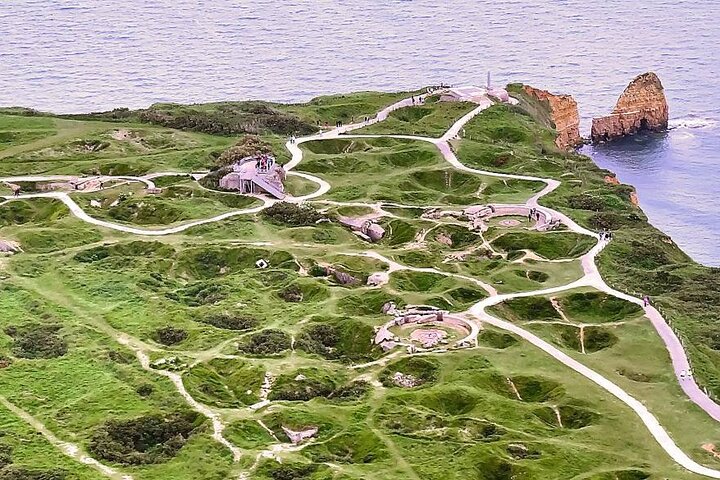
Then turn to the D-Day coast. Omaha Beach, Pointe du Hoc, Arromanches, and the American Cemetery are sites where a guide makes an enormous difference; the landscape can appear deceptively serene until someone explains what happened on those sands, cliffs, and bluffs in June 1944.
To balance the emotional intensity of the battlefields, add a scenic day on the coast. The cliffs and harbor towns around Honfleur, Étretat, or the Côte Fleurie offer sea breezes, easy hikes, seafood lunches, and a different face of Normandy—less martial, more painterly.
Mont-Saint-Michel should take one full day. However often it appears in photographs, the first sight of the abbey above the bay still feels improbable, and the experience is best when you allow time not only for the monument itself but also for shifting tides, ramparts, and the long historical arc from pilgrimage site to fortified island.
- Coffee & breakfast in Bayeux: Start with a bakery-and-café morning near the cathedral, where you can combine a buttery croissant with a slower second coffee before sightseeing. Bayeux is compact, so you can choose atmosphere over efficiency and still never be far from your hotel.
- Lunch: Around Bayeux, a good lunch means Norman staples done well: galettes, seafood, cider, and produce from the surrounding countryside. Le Moulin de la Galette is a dependable option for savory crêpes and an easy midday meal between museums and walking.
- Dinner: La Rapière is frequently a strong choice for a more refined evening near the cathedral, especially if you want a meal that feels rooted in place rather than generic French fine dining. For a warm and less formal dinner, seek out a traditional restaurant serving local cheeses, fish, cream sauces, and Calvados-based desserts.
- Coastal dining: In Honfleur or along the coast, prioritize moules-frites, sole meunière, oysters when available, and Norman cider. A harbor-front seafood lunch is not merely scenic here; it is one of the clearest expressions of the region’s identity.
For hiking, the most rewarding easy walks are coastal rather than alpine. Consider cliff paths near Étretat if you include that area, gentler trails around Omaha Beach and Pointe du Hoc, and broad bay viewpoints around Mont-Saint-Michel where the scale of sky and tide becomes part of the experience.
Shopping in western Normandy is quieter than in Rouen, but that is part of its appeal. Look for food shops selling cider, Calvados, caramels, sablés, and local cheeses, plus small boutiques offering linen goods, ceramics, and historically themed books around Bayeux and the museum district.
Viator activities in Bayeux and Normandy:
The Normandy American D-Day Beaches Full Day Tour from Bayeux is one of the strongest core experiences for this trip. It is the right choice if you want a comprehensive, emotionally grounded introduction to Omaha Beach, Pointe du Hoc, and the American Cemetery without handling logistics yourself.

If you are especially interested in military history and personal stories, the Omaha and Band Of Brothers Full Day Tour adds another layer. This is an excellent pick for travelers who know the series or want a more narrative, soldier-centered lens on the wider battlefield history.
For a more unusual and memorable outing, the 2- to 6-hour sidecar excursion on the D-Day Landing Beaches blends sightseeing with open-air adventure. It suits your interest in sightseeing and a slightly different pace, especially if you want to break up museum-heavy days with something tactile and fun.

For Mont-Saint-Michel, the Mont Saint-Michel Day Trip from Bayeux (Shared tour) is the most sensible fit. It spares you the transport puzzle and lets you focus on the abbey, village lanes, and immense tidal setting rather than the mechanics of getting there.

If you decide to devote one day to the elegant coast instead, the route through Honfleur and nearby seaside towns is a lovely counterpoint to the battlefields. Harbor reflections, seafood platters, and long waterfront walks bring out Normandy’s gentler register and keep the 14-day itinerary varied.
Should you want one final special excursion before departure, consider a last scenic or historic day based on your energy: more time on the beaches, a museum revisit in Bayeux, or a quieter afternoon with coffee, shopping, and a farewell dinner. That flexibility matters on a two-week trip, because Normandy is best when not every hour is over-programmed.
Across 14 days, this Normandy itinerary gives you the region’s essential contrasts: Rouen’s medieval grandeur, Bayeux’s measured grace, the solemnity of the D-Day beaches, and the open horizons of the coast. It is a trip built for thoughtful sightseeing, easy walking, good café culture, and the kind of history that stays with you long after you return home.