
14 Days in Japan for Foodies, Shoppers, and Culture Lovers: Tokyo, Kyoto, and Osaka Itinerary
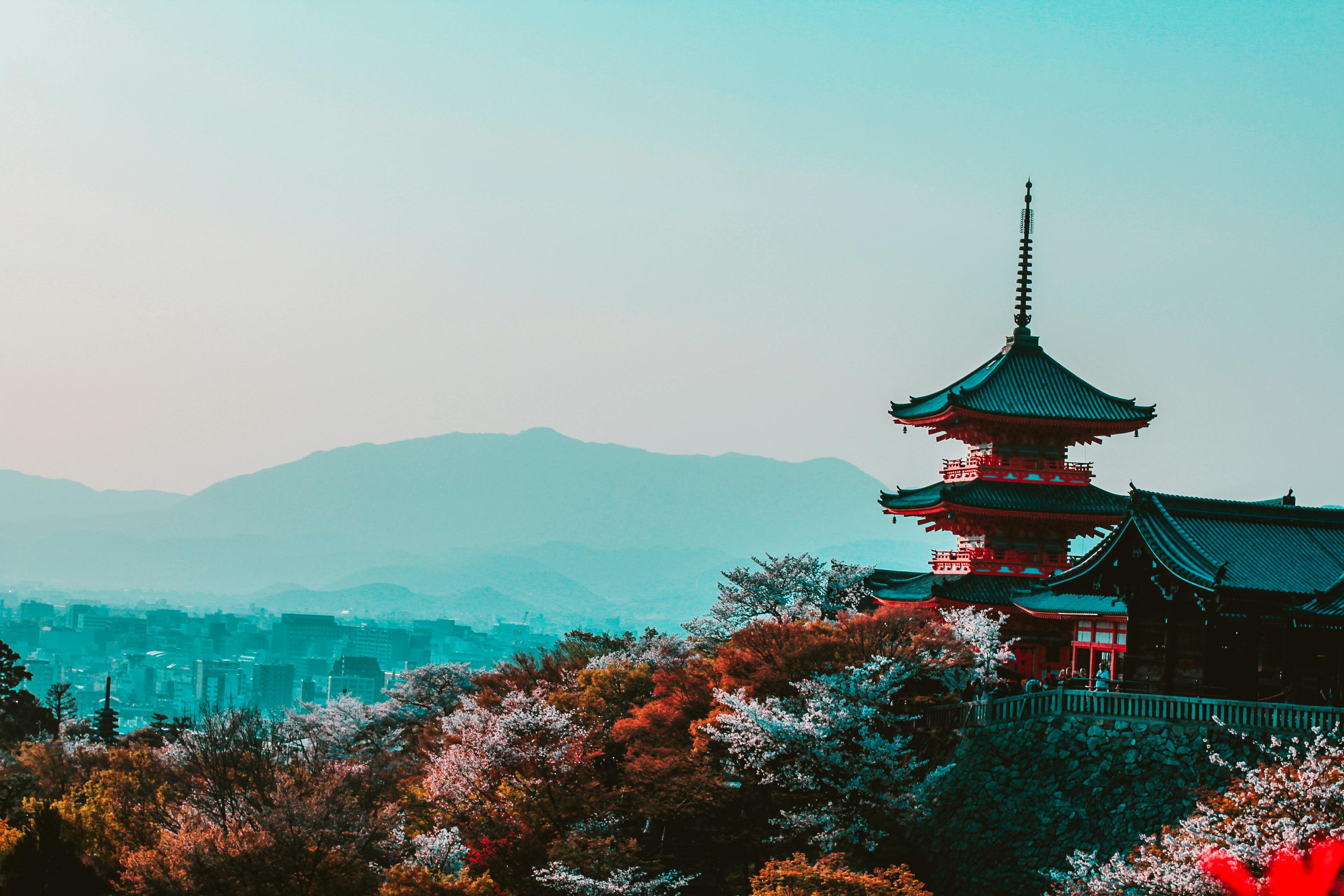
Japan balances centuries-old tradition with life-on-fast-forward. Samurai castles and Zen gardens sit just a train ride from pop culture arcades, while markets steam with ramen and yakitori from dawn to late night. You’ll move easily thanks to world-class trains and compact city centers.
Across 14 days, this itinerary focuses on three icons—Tokyo, Kyoto, and Osaka—with smart day trips. It’s built for a mid-range budget, prioritizing can’t-miss eats, great-value shopping, and a few unique, only-in-Japan experiences.
Practical notes: pick up a Suica/PASMO IC card (or load to your phone) for transit and convenience stores. Cash is still handy in markets and small shrines. Etiquette is simple—queue neatly, speak softly, and tap out at ticket gates. Spring and autumn are peak seasons; book trains and hotels early.
Tokyo
Tokyo is a mosaic of villages: shrine-filled Asakusa, glossy Ginza, youth-fueled Harajuku, and after-hours Shinjuku. It’s a paradise for shopping—from heritage knives to streetwear drops—and a playground for serious eaters, whether that’s sushi at a standing bar or a tea-led dessert ritual.
Fun fact: the scramble at Shibuya has existed in various forms since the 1930s, evolving into today’s neon choreography of pedestrians and LEDs. Ride up to a skyline lookout and watch the crossings pulse like a heartbeat.
- Where to stay (mid-range first, splurge and budget options):
- Hotel Gracery Shinjuku — Godzilla-topped, steps from late-night eats and shopping.
- Keio Plaza Hotel Tokyo — Shinjuku high-rise classic with easy rail connections.
- Hotel Sunroute Plaza Shinjuku — Value, comfort, and unbeatable location for trains.
- The Peninsula Tokyo — Splurge near the Imperial Palace and Ginza.
- Aman Tokyo — Minimalist sanctuary with a sublime onsen-like spa.
- Browse more stays: Hotels.com: Tokyo | VRBO: Tokyo
- Getting to Tokyo: Fly into HND (closer) or NRT. Compare fares on Trip.com Flights or Kiwi.com. From HND, the monorail or Keikyu train takes ~20–30 minutes to central Tokyo; from NRT, plan ~50–70 minutes by train.
Days 1–6: Tokyo — Markets, neighborhoods, and unique experiences
- Classic Tokyo loop: Start in Asakusa’s Senso-ji and Nakamise shopping street for old-school snacks like ningyo-yaki (filled sponge cakes). Stroll to Kappabashi for kitchenware and artisan knives. Cross to Akihabara for electronics megastores and retro game shops; try a gachapon hall for capsule-toy treasure.
- Shibuya + Harajuku fashion hunt: Explore Shibuya Center-gai, then Omotesando’s architecture-lined avenue. For vintage and upcycled finds, try Ragtag and 2nd Street in Harajuku; for Japanese denim and minimalist staples, browse Daikanyama’s Tsutaya T-Site area and boutiques along Log Road.
- Tsukiji Outer Market breakfast: Go early for tamagoyaki skewers at Marutake, tuna bowls at Tsukiji Donburi Ichiba, yakitori at Toritoh, and fresh oyster stalls. Finish with matcha soft serve or a pour-over nearby.
- teamLab Planets (Toyosu): An immersive digital art museum where you wade through water and walk on flowers. Time slots sell out—go early or late for fewer crowds.
- Views at dusk: Consider Shibuya Sky or Tokyo City View in Roppongi for sweeping 360s. Watch the scramble glow as the city lights up.
- Unique + foodie tours (aligning with your interests):
- Tokyo: Shinjuku Food Tour (13 Dishes at 4 Local Eateries)
Expect yakitori, oden, regional skewers, and izakaya favorites in lantern-lit alleys the guide knows by heart.

Tokyo: Shinjuku Food Tour (13 Dishes at 4 Local Eateries) on Viator - Tokyo Shinjuku Sumo Show & Experience with Photo
Learn etiquette, see live bouts, and snap a commemorative photo—an intimate intro to Japan’s national sport.

Tokyo Shinjuku Sumo Show & Experience with Photo on Viator - Official Street Go-Kart in Shibuya
Drive past landmarks in costume; an International Driving Permit is typically required—confirm requirements when booking.

Official Street Go-Kart in Shibuya on Viator - Mt Fuji and Hakone 1-Day Bus Tour Return by Bullet Train
A full-day escape with Fuji 5th Station, Lake Ashi views, and a Shinkansen return—big views, little logistics.

Mt Fuji and Hakone 1-Day Bus Tour Return by Bullet Train on Viator
- Tokyo: Shinjuku Food Tour (13 Dishes at 4 Local Eateries)
- Where to eat and drink:
- Breakfast/Coffee: Glitch Coffee Kanda for light-roast pour-overs; Onibus Coffee Nakameguro for espresso and a quiet deck; Shiro-Hige’s Cream Puff Factory in Setagaya for Totoro-shaped choux.
- Lunch: Katsu Midori (Shibuya Mark City) for high-value sushi; Afuri Harajuku for yuzu-shio ramen; Tonkatsu Maisen Aoyama for ultra-juicy pork cutlets.
- Dinner: Han no Daidokoro (Shibuya) for wagyu yakiniku you grill at the table; Ichiran (multiple branches) for solo ramen slurps; Kanesaka-style standing sushi bars around Ginza for quick, pristine bites.
- Sweet stops: Asakusa Kagetsudo for melonpan; HIGASHIYA Ginza for wagashi and tea flights.
- Shopping highlights: Isetan Shinjuku depachika (basement food hall), Ginza’s Uniqlo flagship and premium select shops, Harajuku’s Takeshita-dori for youthful trends, Daikanyama for design-forward boutiques, and Kappabashi for chef-grade tools.
- Tokyo → Kyoto (Day 7 morning): Take the Tokaido Shinkansen Nozomi to Kyoto Station (about 2 hr 15 min; ~13,500–15,000 JPY). Book seats on Trip.com Trains. Aim for an early departure to maximize day-one Kyoto time.
Kyoto
Ancient capital and keeper of tradition, Kyoto is where lantern-lined lanes, vermilion gates, and moss gardens reveal a quieter Japan. Tea masters, textile dyers, and tofu artisans continue crafts perfected over centuries.
Visit by neighborhood to avoid backtracking: western Arashiyama for bamboo and temples, central Kyoto for markets and castle, eastern Higashiyama for shrines and sunset alleys.
- Where to stay:
- Hotel M's Est Shijo Karasuma — Excellent value near subway lines and the food-filled Shijo area.
- Kyoto Tokyu Hotel — Calm base with shuttle access, good for temple days.
- Piece Hostel Sanjo — Stylish budget favorite with social spaces and private rooms.
- The Ritz-Carlton, Kyoto — Riverside elegance for a special-occasion splurge.
- Browse more stays: Hotels.com: Kyoto | VRBO: Kyoto
Days 7–10: Kyoto — Temples, tea, and market grazing
- Arashiyama morning: Arrive early at the Bamboo Grove, then Tenryu-ji’s Zen gardens and Sogenchi pond. Try yudofu (simmered tofu) near the temple for a delicate, local lunch. Cross Togetsukyo Bridge and browse small sweets shops.
- Nishiki Market + downtown: Kyoto’s “Kitchen” offers grilled eel skewers, soy doughnuts, freshly fried croquettes, pickled vegetables, and matcha confections. Detour to Aritsugu for artisan knives and to Teramachi/Shinkyogoku arcades for covered-street shopping.
- Higashiyama heritage walk: From Kiyomizu-dera, wind down Sannen-zaka and Ninen-zaka lanes past pottery studios and tea houses. Sunset at Yasaka Pagoda is picture-perfect; continue to Gion for the old teahouse facades.
- Fushimi Inari at dawn or evening: Climb through thousands of torii gates. Early or late avoids crowds and heat, with fox guardians peeking from mossy corners.
- Guided experiences (maximize time and depth):
- 10 Must-see Spots in Kyoto One Day Private Tour (up to 7 people)
Efficiently covers highlights with local context—ideal if you prefer one curated day over multiple DIY trips.
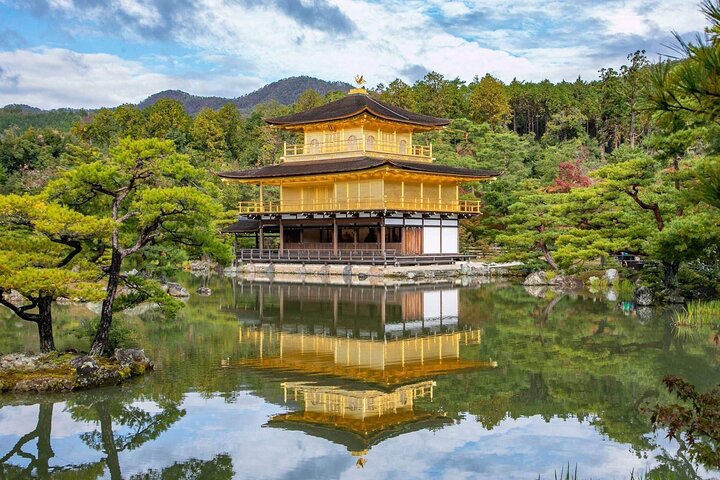
10 Must-see Spots in Kyoto One Day Private Tour (up to 7 people) on Viator - From Kyoto / Osaka: Kyoto Must-see Spots & Nara Park One Day Tour
Fold in Nara’s bowing deer and the colossal Buddha at Todai-ji; a great one-day combo.

From Kyoto / Osaka: Kyoto Must-see Spots & Nara Park One Day Tour on Viator
- 10 Must-see Spots in Kyoto One Day Private Tour (up to 7 people)
- Kyoto eats and sips:
- Breakfast/Coffee: % Arabica (Higashiyama) for espresso with a pagoda view; Weekenders Coffee near the market for single-origin brews in a hidden courtyard; Iyemon Salon for a refined tea-based breakfast.
- Lunch: Katsukura (Sanjo) for tender tonkatsu and sesame-grinding ritual; Honke Owariya (since 1465) for classic soba; Musashi Sushi for a casual kaiten-sushi fix.
- Dinner: Pontocho Alley izakaya crawl—try Kappa Zushi (local, no-frills) and Mizukawa for Kyoto-style udon; Gion Tanto for homestyle obanzai small plates.
- Sweets: Kyo Baum cakes at Kyoto Tower Sando; Tsujiri for matcha parfaits; Demachi Futaba for sought-after mochi (go early).
- Shopping: Nishiki Market food souvenirs (yuzu kosho, furikake), Kyo-Yuzen dyed textiles, incense from Shoyeido, hand fans in Gion, and artisan pottery in Gojo-zaka.
- Kyoto → Osaka (Day 11 morning): JR Special Rapid to Osaka Station (~28 min; ~570 JPY) or Shinkansen to Shin-Osaka (~15 min; ~1,500 JPY). Reserve on Trip.com Trains.
Osaka
Osaka wears its appetite on neon sleeves. “Kuidaore” means “eat till you drop,” and Dotonbori’s canal of signs and sizzling griddles makes that mission easy. Between bites, you’ll find castle views, retro arcades, and indie boutiques.
Neighborhoods each bring a mood: Namba’s energy, Amerikamura’s youth fashion, Shinsekai’s 20th-century nostalgia, and Umeda’s sky-high malls.
- Where to stay:
- Swissotel Nankai Osaka — Above Nankai Namba Station; unbeatable for airport express trains and food streets.
- Hotel Sunroute Osaka Namba — Wallet-friendly base steps from Shinsaibashi-suji arcade.
- Hotel Taiyo — Budget go-to near Shinsekai; simple but convenient.
- The St. Regis Osaka — Splurge along Midosuji with butler service and refined rooms.
- Browse more stays: Hotels.com: Osaka | VRBO: Osaka
Days 11–14: Osaka — Street food, hidden alleys, and last-minute shopping
- Dotonbori + Namba: Follow the glow of Kani Doraku’s giant crab sign to charcoal-grilled crab legs. Try Mizuno for fluffy okonomiyaki, Daruma for kushikatsu (golden skewers; dip only once!), and Kinryu for late-night ramen under a dragon.
- Kuromon Market graze: Snack on seared wagyu cubes, grilled scallops with butter, uni-topped bites, and fresh fruit skewers. Pair with a cup of warm amazake if in season.
- Shinsekai nostalgia: Ride up Tsutenkaku Tower for city views. Wander Jan-Jan Yokocho’s arcades and tachinomi (standing bars); try local sake and croquette sandwiches.
- Shopping sprint: Shinsaibashi-suji’s endless arcade, Amerikamura’s streetwear and vintage (look for local designers), Umeda’s LUCUA and Grand Front for last-day gifts.
- Guided flavor + culture:
- Osaka Food Tour: 13 Dishes at 5 Local Eateries
Navigate alley gems you’d miss alone—okonomiyaki off-menu styles, kushikatsu house sauces, and regional specialties.
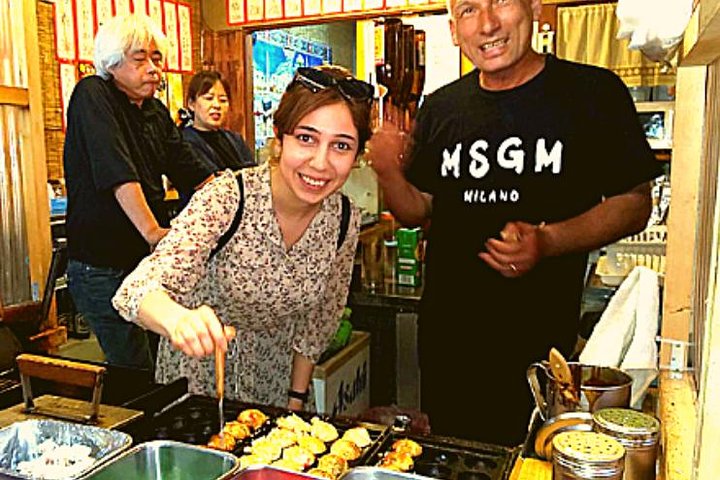
Osaka Food Tour: 13 Dishes at 5 Local Eateries on Viator - Osaka Kickstart: Hotspots & Hidden Gems Tour
Mixes icons with secret haunts; great on your first afternoon to map out the rest of your stay.
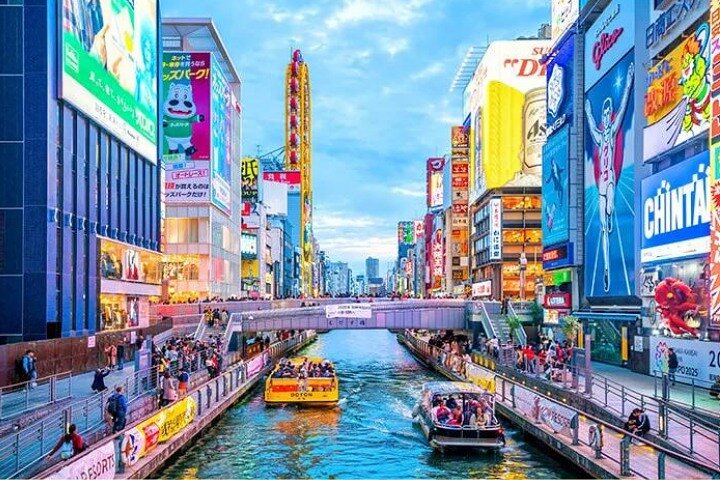
Osaka Kickstart: Hotspots & Hidden Gems Tour on Viator
- Osaka Food Tour: 13 Dishes at 5 Local Eateries
- Osaka eats and sips:
- Breakfast/Coffee: Lilo Coffee Roasters (Amerikamura) for single-origin tastings; Takagi Coffee for thick-cut toast “morning sets.”
- Lunch: Tsurutontan (Udon Namba) for giant bowls with seasonal toppings; Endo Sushi (Osaka Central Market) for classic set plates.
- Dinner: Ajinoya for okonomiyaki with pork and squid; Hozenji Yokocho’s tiny izakaya lanes for grilled skewers and sake; Harukoma Sushi (Tenma) for long lines, big portions, low prices.
- Sweet bites: Rikuro Ojisan’s jiggly cheesecakes near Namba; Gram’s souffle pancakes if you crave clouds.
- Departing Japan: From Osaka, Kansai International (KIX) is ~40–45 minutes by Nankai or JR train from Namba/Umeda. Compare flights on Trip.com Flights or Kiwi.com.
Suggested 14-Day Flow (Blocks, not rigid days)
- Days 1–2: Arrive Tokyo, Asakusa/Akihabara, Tsukiji breakfast, Shibuya Sky evening.
- Days 3–4: Harajuku/Omotesando shopping, foodie alleys in Shinjuku, sumo show or Shinjuku food tour.
- Day 5: teamLab Planets + Ginza depachika grazing; optional go-kart experience.
- Day 6: Mt. Fuji & Hakone day trip with Shinkansen return.
- Day 7: Shinkansen to Kyoto; afternoon Nishiki Market and Teramachi arcades.
- Day 8: Arashiyama morning, Tenryu-ji, riverside stroll; tea break.
- Day 9: Higashiyama and Gion; Kiyomizu-dera at golden hour.
- Day 10: Fushimi Inari early; optional Nijo Castle and craft shopping; or Kyoto + Nara tour.
- Day 11: Train to Osaka; Dotonbori night feast.
- Day 12: Kuromon Market, Shinsekai nostalgia, Osaka Kickstart tour.
- Day 13: Amerikamura and Shinsaibashi shopping; Osaka Food Tour dinner crawl.
- Day 14: Last-minute gifts in Umeda; depart KIX.
Costs & Tips for a Budget ~50/100
- Transit: IC cards for subways/buses; individual Shinkansen tickets booked via Trip.com Trains. Expect ~¥13,500–15,000 Tokyo→Kyoto and ~¥570–1,500 Kyoto→Osaka.
- Food: Breakfast coffees ¥500–900; ramen/udon lunches ¥900–1,400; izakaya dinners with drinks ¥2,500–4,500. Markets can be as affordable or indulgent as you choose.
- Shopping: For value, check Uniqlo U, GU, Muji flagship floors, 2nd Street and Ragtag for vintage, depachika for gift-ready sweets and teas.
Two weeks in Japan will sharpen your appetite and your eye—glossy cityscapes, quiet temple paths, and a thousand umami-laden bites. With this plan, you’ll shop smart, eat deeply, and come home with memories that taste like broth, smoke, and matcha.