
14 Days in Iceland: Reykjavík, Vík & Akureyri Road Trip Itinerary
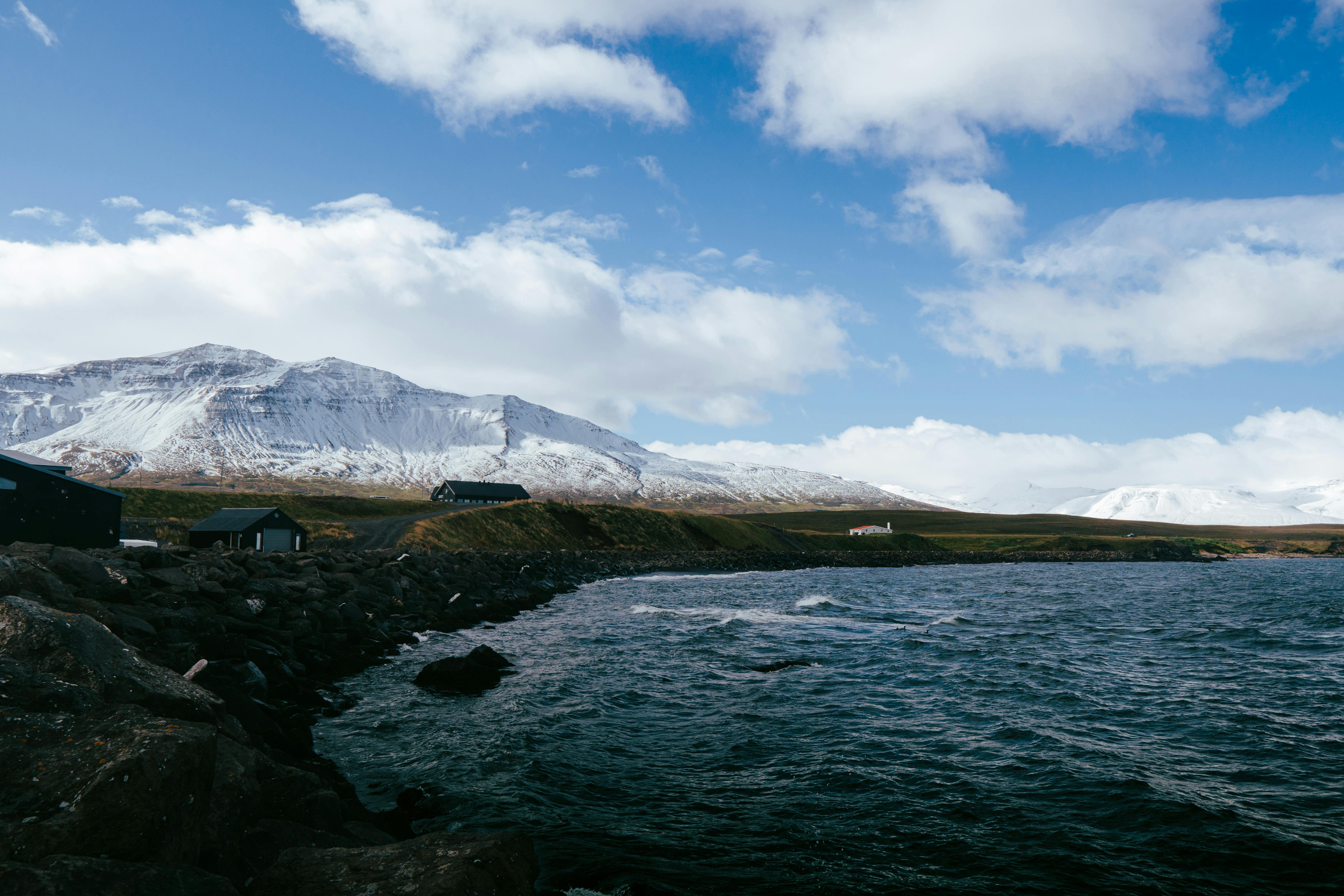
Iceland feels at once ancient and unfinished, a land still being written by lava, glaciers, and the North Atlantic wind. Settled by Norse seafarers in the 9th century and shaped by sagas, fishing culture, and a stubborn intimacy with harsh weather, it offers one of Europe’s most singular travel experiences.
What makes an Iceland trip so addictive is the contrast: one morning you can stand between tectonic plates, by afternoon watch a geyser erupt, and by evening soak in geothermal water under a pale midnight sky or the northern lights. The cuisine has also evolved far beyond survival food; today, travelers can pair pristine seafood, excellent lamb, rye bread, and inventive pastries with a serious coffee culture in even the smallest towns.
For practical planning, Iceland is very safe and easy to navigate, but weather changes fast and road conditions matter, especially outside summer. Pack waterproof layers, sturdy shoes, and a flexible mindset; reserve popular lagoon entries and tours ahead of time, and if you are driving between regions, plan morning departures and frequent photo stops because the scenery will slow you down in the best possible way.
Reykjavík
Reykjavík is one of the world’s smallest capitals, but it punches far above its size. Colorful corrugated houses, sharp Nordic design, sea air, and a quietly irreverent culture give the city a personality that is equal parts literary salon, fishing port, and launchpad to the lunar-looking countryside.
This is the best place to begin your Iceland itinerary because it eases you into the country’s rhythm. You can spend part of the day in museums and coffeehouses, then be in a lava field, on a whale-watching boat, or neck-deep in geothermal water before dinner.
Days 1-5: City Culture, Geothermal Bathing & the Golden Circle
Arrival and getting in: Fly into Keflavík and use Omio to compare flights to Iceland from Europe. For broader flight research, you can also check Trip.com flights. Keflavík to central Reykjavík is typically about 45-50 minutes by airport transfer or rental car; budget roughly $25-$40 per person for transfers, or more if using a private taxi.
Where to stay: For a splurge, The Retreat at Blue Lagoon Iceland turns your first nights into a full geothermal experience. For a social, design-forward budget stay, Kex Hostel remains a favorite, while Icelandair Hotel Reykjavik Natura is a smart mid-range base with easy access to both downtown and the airport road. You can also browse broader options on VRBO Reykjavík and Hotels.com Reykjavík.
What to see in the city: Start with Hallgrímskirkja, whose basalt-inspired design deliberately echoes Iceland’s volcanic columns, then stroll Laugavegur and Skólavörðustígur for independent boutiques, knitwear, design shops, and some of the city’s best people-watching. Harpa Concert Hall is worth visiting even if you do not attend a performance; its glass façade catches the shifting light like fish scales and sea ice.
Do not skip the old harbor and waterfront: the Sun Voyager sculpture is especially striking in early morning or late evening, with Mount Esja across the bay. Nearby, the Settlement Exhibition gives useful historical grounding, showing how Reykjavík grew from a Viking homestead into a modern capital powered by geothermal energy and cultural stubbornness.
Coffee and breakfast: Brauð & Co is the city’s canonical bakery, known for outstanding cinnamon buns and sourdough loaves behind a graffiti-covered exterior that has become nearly as famous as the pastries. Reykjavík Roasters is the place for travelers who care about serious coffee; the atmosphere is unfussy, the beans are carefully sourced, and it is an ideal slow start before a day trip.
Lunch ideas: Seabaron by the harbor is beloved for simple seafood soup and skewers, a reminder that Iceland’s best meals are often straightforward rather than fussy. For something more contemporary, Messinn serves reliably excellent fish in hot cast-iron pans, often with butter, potatoes, and seasonal vegetables, in a way that feels both hearty and refined.
Dinner recommendations: For a memorable Icelandic tasting, ÓX is the ambitious choice if you want a reservation-worthy evening centered on local ingredients and inventive technique. For something easier to fit into a sightseeing day, Grillmarkaðurinn (The Grill Market) is a strong introduction to Icelandic lamb, seafood, and wild ingredients presented with flair but not stiffness.
Lagoon time: If you want your geothermal soak close to town and visually dramatic, book Sky Lagoon Entrance Ticket Including 7-Step Ritual. The oceanfront infinity edge, turf-house-inspired ritual, and steam rooms make it feel more cinematic than many spas, and it is a fine antidote to jet lag.

Classic day trip: Dedicate one full day to the Golden Circle, Iceland’s most famous sightseeing loop. Golden Circle Classic Day Tour from Reykjavik is a dependable option covering Þingvellir National Park, Geysir, and Gullfoss, three sites that together explain Iceland’s geology, political history, and raw scenic power.

If you prefer a more indulgent combination: Golden Circle, Volcano Crater and Blue Lagoon Small-Group Tour pairs headline sights with restorative geothermal bathing. It is particularly useful for travelers who want to see a lot without driving on the first leg of the trip.

Food and storytelling: Early in your stay, the Reykjavik Food Walk - Local Foodie Adventure in Iceland is a clever way to learn the city through its kitchens. It introduces classic flavors and neighborhood history while helping first-time visitors understand what to order later on their own.

Optional evening addition: If your trip falls in aurora season, the Northern Lights Bus Tour from Reykjavik with Hot Chocolate gives you a practical, low-stress way to hunt the lights away from city glare. Outside aurora months, consider the Lava Show Reykjavik Admission Ticket - Optional Premium Upgrade, which is unexpectedly fascinating and a rare chance to watch real molten lava in controlled conditions.
Days 6-7: South Coast Excursions Before Leaving the Capital
Before transferring to Vík, use Reykjavík as a convenient base for one deep South Coast day. The route introduces you to some of Iceland’s most iconic scenery: Seljalandsfoss, where you can walk behind the water in suitable conditions; Skógafoss, a broad thunderous cascade; Sólheimajökull glacier; and Reynisfjara, the famous black sand beach with basalt sea stacks and a notoriously dangerous surf.
A good choice is Iceland South Coast Full Day Small-Group Tour from Reykjavik. Doing this as a guided excursion first gives useful context, and it helps you decide where you may want to linger once you relocate to Vík.
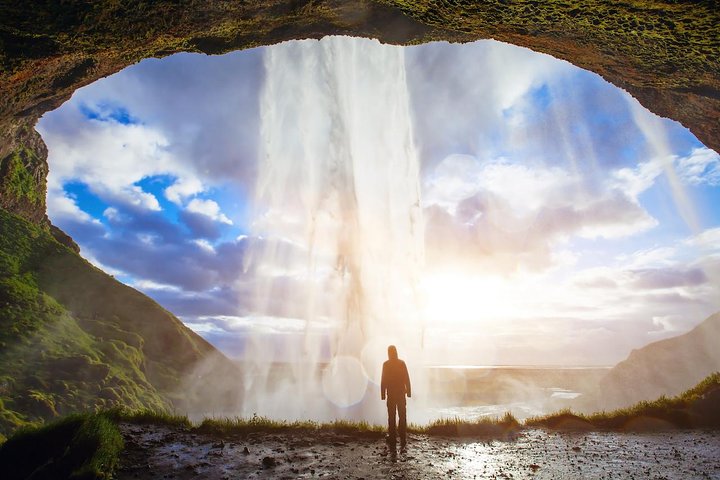
Travel to Vík: Depart Reykjavík in the morning. The drive to Vík is about 2.5 to 3 hours without major sightseeing stops, though most travelers turn it into a 5- to 7-hour scenic transfer by pausing at waterfalls, Dyrhólaey, and viewpoints. Public transport options are limited, so self-drive is most practical; for route planning across Europe-linked transport tools, Omio buses can be useful for checking available intercity options. If hiring a private excursion or transfer, expect costs to be significantly higher than a rental car.
Vík
Vík is tiny, wind-brushed, and spectacularly placed, a village that seems to exist mainly to prove that scale means nothing in Iceland. It sits amid black beaches, bird cliffs, glacier country, and lava plains, making it one of the best bases for travelers who want drama outside the window from breakfast to bedtime.
There is also a certain atmospheric pleasure to staying here rather than just passing through. In shifting weather, the church on the hill, the sea stacks offshore, and the long volcanic beaches can feel almost theatrical, as though the landscape has been staged for some northern epic.
Days 8-10: Black Sand Beaches, Glacier Country & Katla Ice Cave
Where to stay: Hotel Kría is one of the strongest options in the area, with modern rooms and easy access to the ring road. Puffin Hostel Vik is a good lower-cost base, while Hotel Katla by Keahotels and Icelandair Hotel Vik provide comfortable alternatives. You can also scan wider listings on VRBO Vík and Hotels.com Vík.
What to do locally: Reynisfjara is the obvious star, but it deserves the fame. The basalt columns look carved rather than formed, the sea stacks of Reynisdrangar come with folklore about trolls turned to stone, and the beach’s scale is unforgettable; just take warning signs seriously because the sneaker waves here are dangerous in all seasons.
Dyrhólaey is another essential stop, with sweeping coastal views, a giant rock arch, and seasonal puffin sightings. If visibility is clear, the perspective over black beaches, glacier-topped horizons, and foam-lined surf gives you one of the finest panoramas on the South Coast.
Signature adventure: Book the Ice Cave by Katla Volcano Super Jeep Tour from Vik. This is one of the rare experiences available from Vík year-round in varying conditions, and the appeal is exactly what Iceland promises: ash-darkened ice, glacial textures, and the improbable meeting of volcanic and frozen worlds.

Breakfast and coffee: Skool Beans, housed in a converted school bus, is the sort of place travelers remember years later. The coffee is excellent, the setting is playful without feeling gimmicky, and it captures Vík’s knack for making the remote feel warm and convivial.
Lunch recommendations: Black Crust Pizzeria is famous for its squid-ink dough, but it is not merely a novelty; the pies are genuinely satisfying after a windswept morning on the coast. For soup, fish, or a straightforward local meal, Sudur Vik remains a dependable option and is especially welcome on cold, rainy afternoons.
Dinner ideas: Smidjan Brugghus serves some of the best burgers on the South Coast alongside craft beer in a lively brewpub setting that feels almost miraculous in such a small village. For a more polished dinner, Berg Restaurant at Hotel Kría offers well-prepared Icelandic ingredients and broad windows that keep the landscape in the conversation.
Local gems nearby: Consider detouring to Fjaðrárgljúfur canyon if road and timing allow; its serpentine green walls and narrow river channel make it one of the prettiest geological forms in southern Iceland. If you want a quieter black beach than Reynisfjara, the stretch near Vík itself can be moody and beautiful with far fewer people.
Travel to Akureyri: Leave in the morning and treat this as a long scenic transfer across the interior ring road via North Iceland. Driving time is generally around 7.5 to 9 hours without extended detours, and closer to a full day with food and photo stops. There is no practical train network in Iceland; self-drive is by far the most logical option. For flights back through Reykjavík or onward route planning in Europe-connected systems, use Omio flights. If you choose to split the overland route with an extra stop on your own, that can make the pace easier, but a direct transfer is still feasible with an early departure.
Akureyri
Akureyri, often called the capital of the north, sits at the end of Eyjafjörður in a setting that feels both sheltered and grand. It is more relaxed than Reykjavík, more compact than many travelers expect, and beautifully positioned for whale watching, volcanic lake country, and some of Iceland’s most interesting northern landscapes.
The town also has a cultural confidence of its own. Botanical gardens near the Arctic Circle, a handsome church, strong cafes, and easy access to waterfalls and geothermal sites make Akureyri an ideal final chapter for a two-week Iceland road trip.
Days 11-14: North Iceland, Whales, Waterfalls & Slow Evenings by the Fjord
Where to stay: Hotel Kea by Keahotels is the classic central choice, facing the church and within walking distance of restaurants and the harbor. Budget travelers can look at Akureyri Backpackers, while Icelandair Hotel Akureyri, Hotel Kjarnalundur, and Hotel Nordurland by Keahotels provide good alternatives depending on style and budget. Broader searches are available on VRBO Akureyri and Hotels.com Akureyri.
In town: Visit Akureyrarkirkja, a striking church by Guðjón Samúelsson, the same state architect behind Hallgrímskirkja. Then wander the Akureyri Botanical Garden, whose improbable success near the Arctic Circle says much about Icelandic determination and the long summer light.
Day trips and nearby sights: Goðafoss, the “Waterfall of the Gods,” is close enough for an easy excursion and handsome in any weather. The Diamond Circle region is also within reach if you are energetic, bringing together volcanic formations, waterfalls, lake country, and birdlife in a region that receives fewer international visitors than the south.
Whale watching: If you missed a marine excursion in Reykjavík or simply want another chance, North Iceland is one of the country’s best areas for cetacean sightings, particularly around Eyjafjörður and Húsavík. Even without a booked Viator product listed for Akureyri, this is a very worthwhile local outing to arrange once in town.
Breakfast and coffee: Kaffi Ilmur is beloved for its cozy, almost grandmotherly atmosphere, with cakes, waffles, and hearty plates that suit a cool northern morning. Berlin Akureyri is a good stop for coffee and lighter breakfast fare, especially if you prefer a more contemporary café feel.
Lunch ideas: Akureyri Fish & Chips is pleasantly unfussy and lets the seafood speak for itself, ideal after a fjord walk or museum visit. For soup, sandwiches, and café-style plates, Kristjánsbakarí is a dependable bakery stop with local rhythm rather than tourist theatrics.
Dinner recommendations: Rub23 is among the town’s standout restaurants, known for excellent fish, sushi, and thoughtful use of local ingredients. Strikið, perched above the street, offers rooftop views in season and a menu that balances Icelandic produce with international technique, making it a satisfying final celebratory dinner.
How to use these last days well: Keep one day mostly in town to enjoy the pace rather than constantly driving. Akureyri rewards unhurried wandering, a proper coffee break, a fjord-side evening, and one good dinner where you toast the fact that in two weeks you have seen black beaches, geothermal lagoons, waterfalls, volcanic craters, glacier country, and a very different face of Iceland in the north.
Departure logistics: If you are returning south overland, leave early and plan a full day back to Reykjavík or Keflavík. If you are booking onward flights, compare options through Omio or Trip.com flights; domestic flight schedules and international connections can save substantial time compared with a same-day long drive.
This 14-day Iceland itinerary gives you a well-paced introduction to the country’s greatest contrasts: urban culture in Reykjavík, elemental South Coast scenery around Vík, and the fjord-framed calm of Akureyri. It is a route that balances famous highlights with enough slower moments to let Iceland work its peculiar spell, which is often the part travelers remember most clearly.