
13 Days in Kerala, India: Kochi, Munnar & Kozhikode Backwaters, Tea Hills and Malabar Heritage
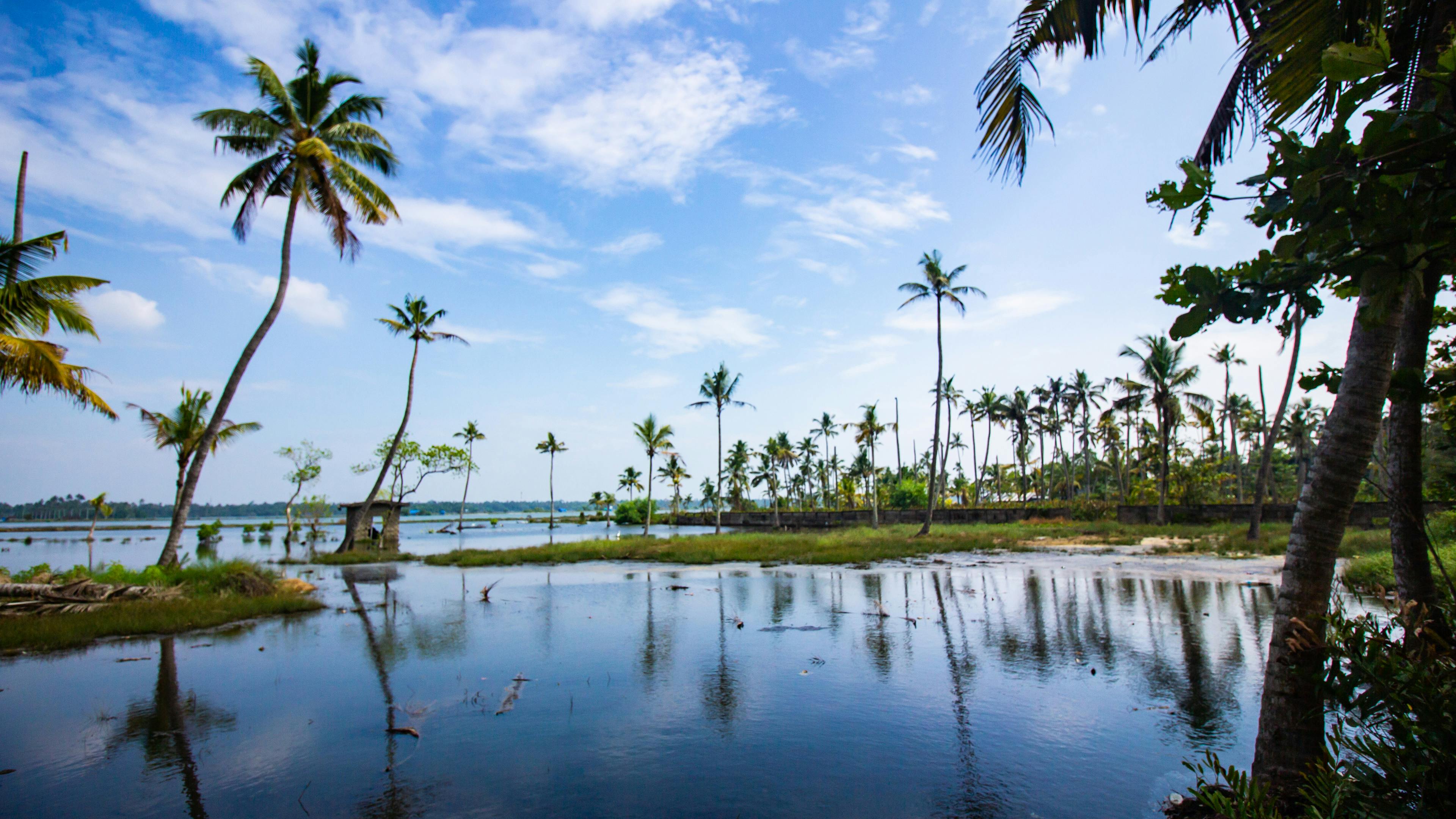
Kerala has long been one of India’s most distinctive cultural landscapes: a narrow green strip between the Arabian Sea and the Western Ghats where merchants from Arabia, China, Portugal, the Netherlands, and Britain traded pepper, cardamom, tea, and ideas. That long exchange still shows in synagogue lamps, church facades, mosque quarters, Dutch-era streets, and spice-scented markets—few regions in India wear history so vividly in everyday life.
It is also a place of striking contrasts packed into manageable distances. In less than two weeks you can move from the Chinese fishing nets and art cafés of Kochi to Munnar’s tea estates and cool mountain air, then onward to Kozhikode, the old “City of Spices,” where the Malabar coast still rewards hungry travelers with legendary biryani, seafood, and halwa.
For practical planning, March is warm and increasingly humid on the coast, while Munnar remains cooler in the evenings, so light cottons plus one layer for the hills work well. Roads in Kerala are scenic but often slow; for a 13-day Kerala trip, the smartest flow is Kochi first, then Munnar by road, and finally Kozhikode by road and train or private car, with morning departures to preserve sightseeing time and avoid the thickest afternoon traffic.
Kochi
Kochi is Kerala’s great opening act: a port city shaped by traders, missionaries, seafarers, and spice merchants, yet still intimate enough to enjoy on foot in Fort Kochi and Mattancherry. The best hours here are early morning, when fishing nets rise against the sea light, and late evening, when old bungalows, cafés, and tucked-away bars begin to glow.
Plan your arrival into Kochi by flight, then use Trip.com flights or Kiwi.com flights to compare fares into Cochin International Airport. From the airport to Fort Kochi, allow roughly 1.5 to 2 hours depending on traffic; prepaid taxi costs commonly run about $12-$22 USD equivalent.
For stays, browse holiday homes on VRBO Kochi or hotels on Hotels.com Kochi. Fort Kochi is ideal if you want heritage lanes, cafés, galleries, and sunset walks; Ernakulam is more practical for business-style hotels and easier onward transport, but less atmospheric.
Days 1-5: Fort Kochi heritage, Mattancherry, backwaters and waterfall day trips
Begin with Fort Kochi’s essentials: the Chinese fishing nets at the waterfront, St. Francis Church—closely tied to the story of Vasco da Gama—and the old colonial lanes around Princess Street and Burgher Street. Mattancherry adds the Paradesi Synagogue area, antique shops, spice godowns, and the Dutch Palace quarter, where Kerala murals and royal history give context to the city’s cosmopolitan past.
A strong way to orient yourself is the Best of kochi ! A private tour in kochi with a local guide !, which is especially useful on your first full day because it connects the headline sights with neighborhood stories you would otherwise miss.

If you prefer something more playful and street-level, the Kochi Tuk-Tuk Sightseeing Tour with Cruise Ship Pickup is a lively option. A tuk-tuk is perfect in old Kochi: nimble, breezy, and ideal for slipping between churches, fishing-net viewpoints, and market lanes without spending the day in a closed car.

One day should be reserved for Kerala’s backwaters, because they are not merely scenic; they explain the geography and rhythm of life across much of the state. The Private Kerala Backwaters Houseboat Cruise with Lunch from Kochi is an excellent fit if you want a relaxed day without changing hotels.

If you would rather go deeper into village life than simply float past it, the Full Day Backwater Village Punting Boat Cruise is particularly appealing. Smaller craft and quieter channels give you a better sense of toddy shops, coir-making, narrow embankments, and the domestic texture of the waterways.

For one more contrast, take a day trip inland to the great curtain of Athirappilly Falls via the Athirappilly & Vazhachal Waterfalls Private Day Tour from Kochi. It is a rewarding counterpoint to the coast: forest roads, spray-filled viewpoints, and one of South India’s most dramatic waterfall landscapes.

- Breakfast & coffee: Kashi Art Café is still one of Fort Kochi’s most dependable starts, with good coffee, airy interiors, and a cultured crowd. Loafer’s Corner remains a traveler favorite for relaxed breakfasts and people-watching, while French Toast in Mattancherry is a smart pick for eggs, coffee, and a quieter morning before sightseeing.
- Lunch: For classic Kerala meals, seek out a traditional sadya or fish curry lunch at local restaurants in Fort Kochi and Mattancherry; seafood is the great local strength here. Restaurant options such as Oceanos are widely loved for fresh catch and straightforward preparation, while Kayees Rahmathulla Café is worth the short hop for its famous biryani and old-school reputation.
- Dinner: Fort House Restaurant is memorable for its waterfront setting and polished Kerala seafood dishes. For a more local, hearty evening, try dal, fish fry, appam, and stew at a trusted Kerala restaurant nearby rather than defaulting to generic multicuisine menus.
- Extra local gems: Look for evening Kathakali performances in Fort Kochi, where pre-show makeup rituals are part of the fascination; browse contemporary galleries around Pepper House and nearby art spaces; and take a sunset promenade along the seafront even if you have already seen the nets by day—the mood changes entirely.
Munnar
Munnar feels like Kerala changing register completely. The sea air gives way to eucalyptus, the heat softens, and the roads coil into tea country where hills appear brushed with green velvet and mornings often arrive under a veil of mist.
Travel from Kochi to Munnar by private car or taxi, a journey of about 4.5 to 5.5 hours depending on stops and road conditions; expect roughly $45-$80 USD equivalent for a private transfer. For broader transport planning, compare options through Trip.com trains for partial rail connections where useful and Kiwi.com or Trip.com flights for any onward India travel, though for this leg road travel is the sensible choice.
Browse stays on VRBO Munnar or Hotels.com Munnar. A hillside property just outside the busiest town center is usually the best compromise: better views, quieter nights, and easier sunrise starts.
Days 6-9: Tea estates, viewpoints, trekking and cool-climate recovery days
Munnar’s appeal is not only in checking off viewpoints; it lies in understanding how tea shaped the landscape. Plantation roads, workers’ settlements, tea factories, and rolling slopes create one of India’s most photogenic cultural terrains, and time here is best spent mixing scenic drives with a proper walk among the estates.
The most on-theme experience is the Munnar Tea Trail Tour with Factory Experience ( By Munnar Info). It gives welcome context to what you are seeing—the picking, processing, and flavors of tea—rather than leaving Munnar as just a series of pretty overlooks.

For travelers who want wildlife and a stronger sense of the surrounding valleys, the Wild Elephant Anakulam & Waterfalls Tour(munnar valley Trekking) is a memorable choice. It adds suspense and texture to the hill-station stay, especially if you are eager to see a less manicured side of the region.

If you want a broader guided sweep, the Green Magic Day Tour to Munnar is useful inspiration even for structuring your own independent sightseeing, with the classic arc of waterfalls, tea gardens, viewpoints, and hill roads.

- What to see: Prioritize the tea estates around town, Top Station or similar high viewpoints if visibility is good, and the Tea Museum/factory experience if you enjoy industrial history. Eravikulam National Park has long been a major draw for high-altitude scenery and the Nilgiri tahr, though access patterns can vary seasonally, so confirm local conditions through your hotel after arrival.
- Breakfast & coffee: Munnar mornings call for South Indian staples—idli, dosa, puttu, eggs, and strong tea rather than chasing third-wave coffee at all costs. Small hotel breakfasts with a valley view can be more satisfying here than a town café, especially before early departures.
- Lunch: Choose a plantation-view restaurant or a well-regarded local spot for Kerala meals with rice, vegetable thoran, fish curry, or chicken roast. In Munnar, the joy is often in eating simply while looking out over the slopes.
- Dinner: Evenings are cool enough to appreciate peppery soups, grilled fish, appam with stew, or a Tamil-Kerala crossover meal reflecting the region’s borderland influences. If your hotel has a good in-house restaurant, this is one city where dining in can be the smartest move after a long excursion day.
- Fun fact: The modern identity of Munnar is deeply tied to plantation development under the British, and many of the most beautiful roads today follow economic history as much as geography.
Kozhikode
Kozhikode, still fondly known as Calicut, brings the journey back to the coast but with a different flavor from Kochi. This is a city of Malabar memory—spice trade, maritime legend, Moplah culinary influence, sweet shops stacked with halwa, and beach evenings that belong more to locals than to postcard culture.
Travel from Munnar to Kozhikode by private car in about 7 to 8.5 hours, or break the route with a transfer to a rail hub and continue by train. For rail planning across India, Trip.com trains is the relevant search tool; if you choose an all-road transfer, budget roughly $90-$150 USD equivalent depending on vehicle type and stops.
For accommodations, compare apartments and villas on VRBO Kozhikode and hotels on Hotels.com Kozhikode. Staying near the beach road or central city gives the best access to food institutions and easy evening walks.
Days 10-13: Malabar history, food trails, beaches and the old spice coast
Kozhikode rewards curiosity more than checklist tourism. Its pleasures are cumulative: a heritage square in the afternoon heat, an old market lane with spice and banana chips, the sea at sunset, then a dinner that reminds you why Malabar cuisine deserves a journey of its own.
The clearest introduction is the Kozhikode Heritage Tour Spice Markets and Vasco da Gama Landing. This is exactly the sort of tour that turns a city from “pleasant” into unforgettable, because the old trade routes, Zamorin history, and maritime lore suddenly line up in a coherent story.

Spend time around Mananchira Square and the older quarters, then head to Kozhikode Beach in the evening when families gather, snacks fry in hot oil, and the city seems to exhale. This is also the place to indulge in one of Kerala’s best urban food scenes without over-planning every hour.
- Breakfast & coffee: Look for classic Kerala and Malabar breakfasts—pathiri, puttu, appam, egg roast, and strong tea. A simple local restaurant with fast turnover is often the best barometer of quality here.
- Lunch: Malabar biryani is essential, especially the Kozhikode style, known for fragrant short-grain rice and refined spicing rather than brute force heat. Seafood meals are equally compelling, especially pomfret, prawns, or seer fish fried with a fiery masala crust.
- Dinner: Seek out long-established biryani houses and seafood specialists rather than anonymous hotel buffets. The city’s culinary depth is one of the main reasons it deserves a place in a 13-day Kerala itinerary.
- Sweets & snacks: Sample Kozhikodan halwa from a reputable sweet shop; its jewel-toned slabs are part confection, part edible trade history. Banana chips, unnakkaya, and kallummakkaya dishes are worth trying as distinctly Malabar bites.
- Extra local gems: Beypore is worth an excursion for its maritime associations and traditional wooden boat-building culture; if time permits, it adds a fitting coda to a Kerala trip shaped by water, trade, and craftsmanship.
Because this final block is less transfer-heavy once you arrive, it is the right place to leave breathing room. Use your last day for a slower rhythm—one more market wander, one serious lunch, a sunset promenade, and a final round of shopping for spices, tea, and packaged local sweets.
This Kerala itinerary works so well because each stop reveals a different face of the state: Kochi for history and backwaters, Munnar for highland scenery and tea culture, and Kozhikode for Malabar heritage and unforgettable food. Over 13 days, you will not only see Kerala’s highlights—you will begin to understand how trade, landscape, faith, and cuisine made it one of India’s richest regions to explore.