
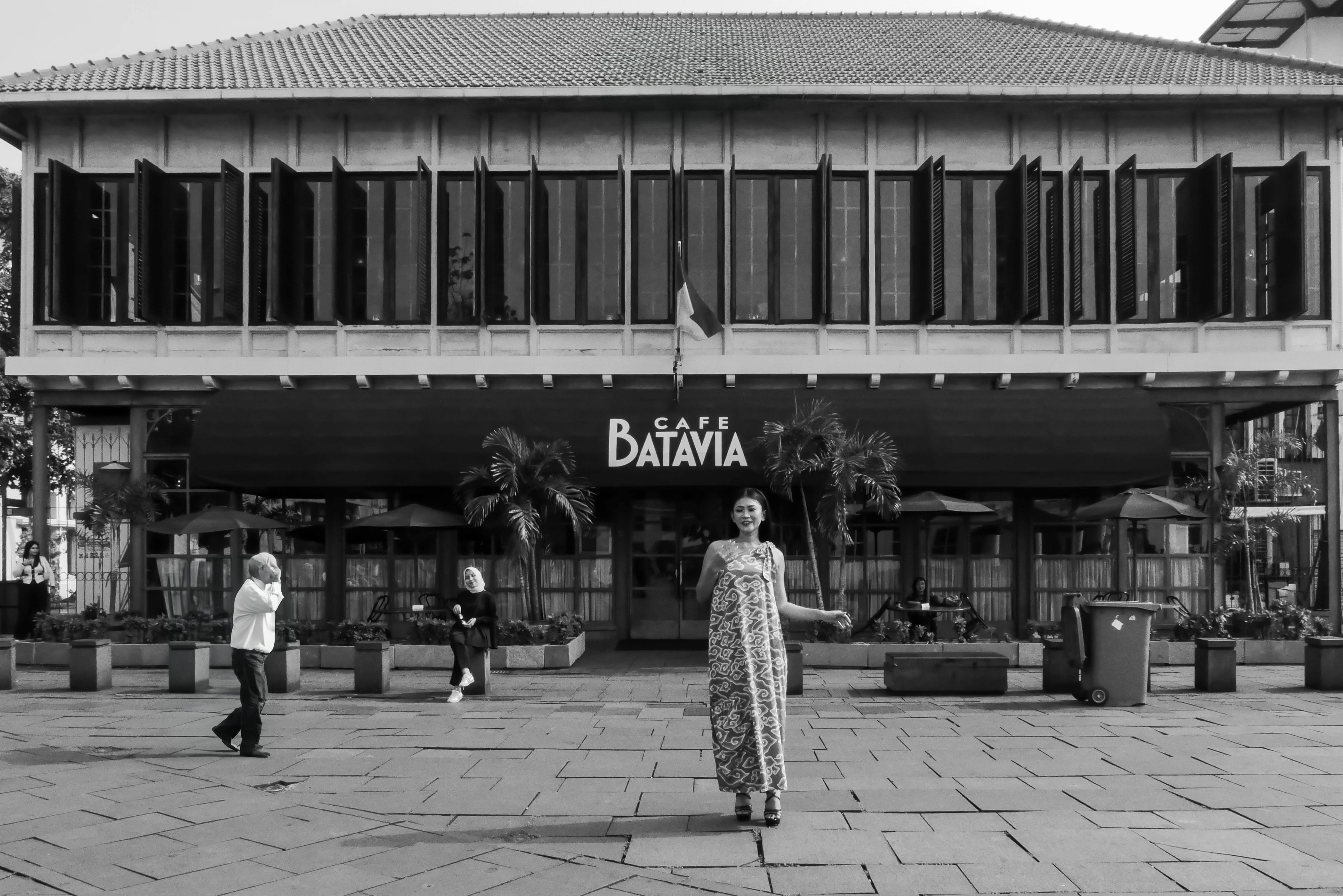
Singapore began as a strategic trading port and became, in a remarkably short span, one of Asia’s most efficient and intriguing city-states. What makes it so compelling for first-time visitors is the contrast: gleaming towers rise beside shophouses, temple incense drifts not far from luxury boutiques, and some of the finest meals in town still come on plastic trays at hawker stalls.
Then comes Bali, an island whose reputation for beauty is deserved but incomplete. Beyond the beach photos lies a layered Hindu culture, intricate daily offerings, dance traditions, volcanic landscapes, and a dining scene that ranges from family-run warungs to polished destination restaurants. Splitting your Bali stay between Ubud and Seminyak gives you the most satisfying balance of inland culture and coastal leisure.
For practical planning, July is an excellent month for both destinations: Singapore will be warm and humid with the possibility of brief showers, while Bali is typically in its drier season with sunny days and cooler evenings inland. Book major attractions and intercity flights early, wear light clothing, keep a refillable water bottle handy, and budget a little extra time for airport formalities and peak-hour traffic in Bali.
Singapore
Singapore is ideal for the first leg of this trip because it delivers variety without long internal travel times. You can spend the morning in a botanical garden, the afternoon in a museum or a rooftop district, and the evening eating chili crab or Hainanese chicken rice under neon signs and ceiling fans.
Stay central so you can move easily between Marina Bay, Chinatown, Kampong Glam, and Orchard. Good accommodation search options include VRBO Singapore and Hotels.com Singapore.
Days 1-3: Marina Bay, Gardens, Civic District and Classic Singapore
Arrive into Singapore and use your first block to settle into the city’s most iconic sights. From the airport to central districts such as Marina Bay, Bugis, or Orchard, a taxi or ride-hail usually takes around 20-30 minutes depending on traffic; for onward flight planning into Singapore or later to Bali, use Trip.com flights or Kiwi.com flights.
Begin at Marina Bay, where modern Singapore presents itself at full scale. Walk the waterfront promenade, visit Merlion Park for the obligatory skyline view, and time a visit to Gardens by the Bay for late afternoon, when the cooled conservatories and the Supertree Grove are especially pleasant before the evening light show.
The Flower Dome and Cloud Forest are worth more than a quick photo stop. The Cloud Forest, in particular, feels theatrical in the best way, with mist, elevated walkways, and a mountain-like interior that offers both relief from the heat and a memorable introduction to Singapore’s flair for engineered spectacle.
Spend part of one day in the Civic District. The National Gallery Singapore is a strong choice even for travelers who do not usually build trips around museums; the building itself is magnificent, and the Southeast Asian art collection gives useful regional context before you continue on to Indonesia.
- Breakfast & coffee: Ya Kun Kaya Toast is a classic start for kaya toast, soft eggs, and kopi. For specialty coffee, Common Man Coffee Roasters is a reliable favorite with polished espresso drinks and a stronger brunch menu than most hotel cafés.
- Lunch: Maxwell Food Centre is the right kind of initiation into Singapore hawker culture. Look for Tian Tian-style Hainanese chicken rice, popiah, and sugarcane juice; the pleasure here is not only the food, but the democracy of it.
- Dinner: Jumbo Seafood remains a dependable introduction to Singapore chili crab, while Palm Beach Seafood has a prime Marina Bay setting if you want your first seafood dinner with a view. If crab feels too formal on arrival days, Lau Pa Sat offers satay and local staples in a more casual late-evening atmosphere.
Days 4-6: Chinatown, Kampong Glam, Sentosa and Neighborhood Flavor
Use the second Singapore block to move beyond the postcard scenes. Chinatown offers temples, old clan-house streets, and some of the city’s most satisfying meals, while Kampong Glam brings a different texture with Malay-Arab heritage, mural-covered lanes, boutiques, and the stately Sultan Mosque.
In Chinatown, visit the Buddha Tooth Relic Temple and then wander the side streets rather than sticking only to the main drag. Nearby, the contrast between restored shophouses and new bars says a great deal about Singapore’s constant reinvention without requiring a long lecture to explain it.
Kampong Glam is best experienced slowly. Haji Lane can feel crowded, but early or late in the day it retains real appeal, especially if you pair it with Arab Street and a stop for textiles, perfume, or simply the pleasure of sitting under fans with a cold drink while the district changes pace around you.
If you want one easy leisure day, head to Sentosa. It is unapologetically built for entertainment, but that is part of the appeal: beaches, attractions, and resort-style pauses all in one place, useful near the end of your Singapore stay when you may want a lower-effort afternoon before flying onward.
- Breakfast & coffee: In Chinatown, try Nanyang Old Coffee for a traditional local breakfast. In Kampong Glam, Tolido’s Espresso Nook is a dependable stop for coffee and substantial breakfast plates.
- Lunch: In Chinatown Complex or nearby hawker spots, focus on roast meats, dumplings, and noodle dishes from long-running specialist stalls. The joy is in choosing one signature dish per stall rather than over-ordering at one place.
- Dinner: Candlenut is an excellent option if you want a more refined Peranakan meal with historical depth behind the cuisine. For something atmospheric but more relaxed, The Coconut Club is beloved for nasi lemak done with uncommon care, from fragrant rice to impeccably fried accompaniments.
Travel to Bali: On the morning of Day 7, fly from Singapore to Bali (Denpasar). Nonstop flights usually take about 2 hours 40 minutes to 2 hours 55 minutes, with economy fares often starting around $90-$220 depending on carrier and booking window; compare options on Trip.com flights and Kiwi.com flights. From Denpasar Airport to Ubud, allow roughly 1.5-2 hours by car depending on traffic.
Ubud
Ubud is Bali’s cultural heart, though calling it merely a “cultural center” undersells it. What lingers here is the rhythm: temple offerings on sidewalks, humid mornings over rice fields, gamelan sounds in the evening, and cafés where smoothie bowls coexist happily with old ceremonial calendars.
This is the best base for your first Bali segment because it gives easy access to temples, waterfalls, artisan villages, and the island’s greener interior. For stays, browse VRBO Ubud and Hotels.com Ubud.
Days 7-9: Rice Terraces, Temples, Crafts and Slow Evenings
Start with central Ubud on foot. The Ubud Palace and Saraswati Temple area are easy to combine, and the town center is best appreciated in fragments: a carved doorway here, a courtyard shrine there, a sudden lane full of paintings, silver jewelry, or batik.
Tegallalang Rice Terrace is the classic excursion, and although it is no secret, it remains beautiful when visited early. The reason to go is not merely the photograph but to understand Bali’s subak irrigation heritage, a communal agricultural system that shaped both the landscape and local religious life.
Dedicate one half-day to the Sacred Monkey Forest Sanctuary, but go with realistic expectations: it is equal parts spiritual site, ecological pocket, and monkey-dominated theater. Secure your belongings and take your time; the mossy statues and old banyan-lined paths are the real reward.
If you want a fuller sightseeing day, combine Tegenungan Waterfall or Tibumana Waterfall with Tirta Empul Temple, where purification rituals continue as living practice rather than staged performance. Dress respectfully and remember that temples are active religious spaces first, attractions second.
- Breakfast & coffee: Seniman Coffee Studio is still one of the smartest coffee stops in Ubud, excellent for serious beans and a thoughtful breakfast. Suka Espresso Ubud is another good option when you want stronger coffee and a modern menu before heading out early.
- Lunch: Warung Babi Guling Ibu Oka remains the famous choice for Bali’s roast suckling pig, crisp-skinned and intensely seasoned. For a lighter lunch with local depth, try a warung serving nasi campur, where small portions of vegetables, sambal, meats, tofu, and tempeh give you a compact lesson in Balinese everyday eating.
- Dinner: Hujan Locale is a superb dinner pick for Indonesian cooking presented with clarity and intelligence rather than fuss. Locavore NXT is for travelers who want a true destination meal and should be reserved far ahead; it is less about conventional comfort and more about a deep, creative reading of Indonesian ingredients.
For a restorative pause, build in a spa afternoon. Ubud does this particularly well: flower baths, Balinese massage, and open-air treatment rooms are not merely indulgent additions but part of the town’s whole proposition of slowing the body to sharpen the senses.
Seminyak
Seminyak offers a different Bali: surf-town roots refined into a polished beach district of restaurants, boutiques, cocktail bars, and villas hidden behind walls of tropical planting. It is a strong finale because it lets you trade inland excursions for sea air, sunset dinners, and easier last-day logistics for the airport.
Travel from Ubud to Seminyak by private car in roughly 1.5-2 hours depending on traffic, ideally leaving in the morning. Search your stay via VRBO Seminyak and Hotels.com Seminyak.
Days 10-12: Beach Clubs, Temple Sunsets, Shopping and Farewell Feasts
Seminyak’s appeal lies in how easy it is to shape the day according to mood. You can begin with a proper café breakfast, spend midday poolside, browse independent boutiques in the afternoon, and finish at the beach as the sky turns copper and purple over the Indian Ocean.
Seminyak Beach and neighboring Petitenget Beach are at their best in the late afternoon. This is not the coast for solitary discovery so much as sociable lingering: beanbags on the sand, waves rolling in, children running between tables, and that daily sense that everyone has agreed to pause at the same hour.
Make time for Petitenget Temple, a compact but historically important sea temple that reminds visitors Bali’s coast is not only about leisure. If you want a bigger temple outing, Tanah Lot is farther and more crowded, but the sea-swept rock setting at sunset remains one of the island’s signature scenes for a reason.
- Breakfast & coffee: Revolver Espresso is a Seminyak institution with a moody interior and very good coffee, ideal if you want a more urban start to the day. Kynd Community is brighter and popular for plant-based breakfasts, smoothie bowls, and photogenic plates that actually taste good.
- Lunch: Warung Nia is a favorite for Indonesian fare and satay, and it is especially useful if you want something grounded and flavorful between trendier venues. For seafood with a beachside feeling, look toward the Jimbaran area for grilled fish dinners if you are willing to do a short transfer one evening.
- Dinner: Merah Putih remains one of Seminyak’s standout Indonesian restaurants, dramatic in design yet serious about the food. Sarong is another excellent choice for a polished final-night dinner, with pan-Asian flavors and a room that feels celebratory without becoming stiff.
Seminyak is also the place for your final shopping circuit. Focus on resort wear, artisan home goods, ceramics, and contemporary Balinese design, but buy selectively; the best finds tend to come from smaller design-led boutiques rather than the most obvious streetfront displays.
Departure: From Seminyak to Denpasar Airport, allow around 30-60 minutes, though traffic can push it longer at busy times. For your onward journey, compare fares on Trip.com flights and Kiwi.com flights.
This 12-day Singapore and Bali itinerary works because it moves in a pleasing arc: first a city of precision, flavor, and architectural ambition, then an island of ceremony, landscape, and sea. You will leave with memories that are wonderfully different in texture yet perfectly matched in pace, from hawker stalls and skyline gardens to rice terraces, temple courtyards, and sunset dinners by the surf.