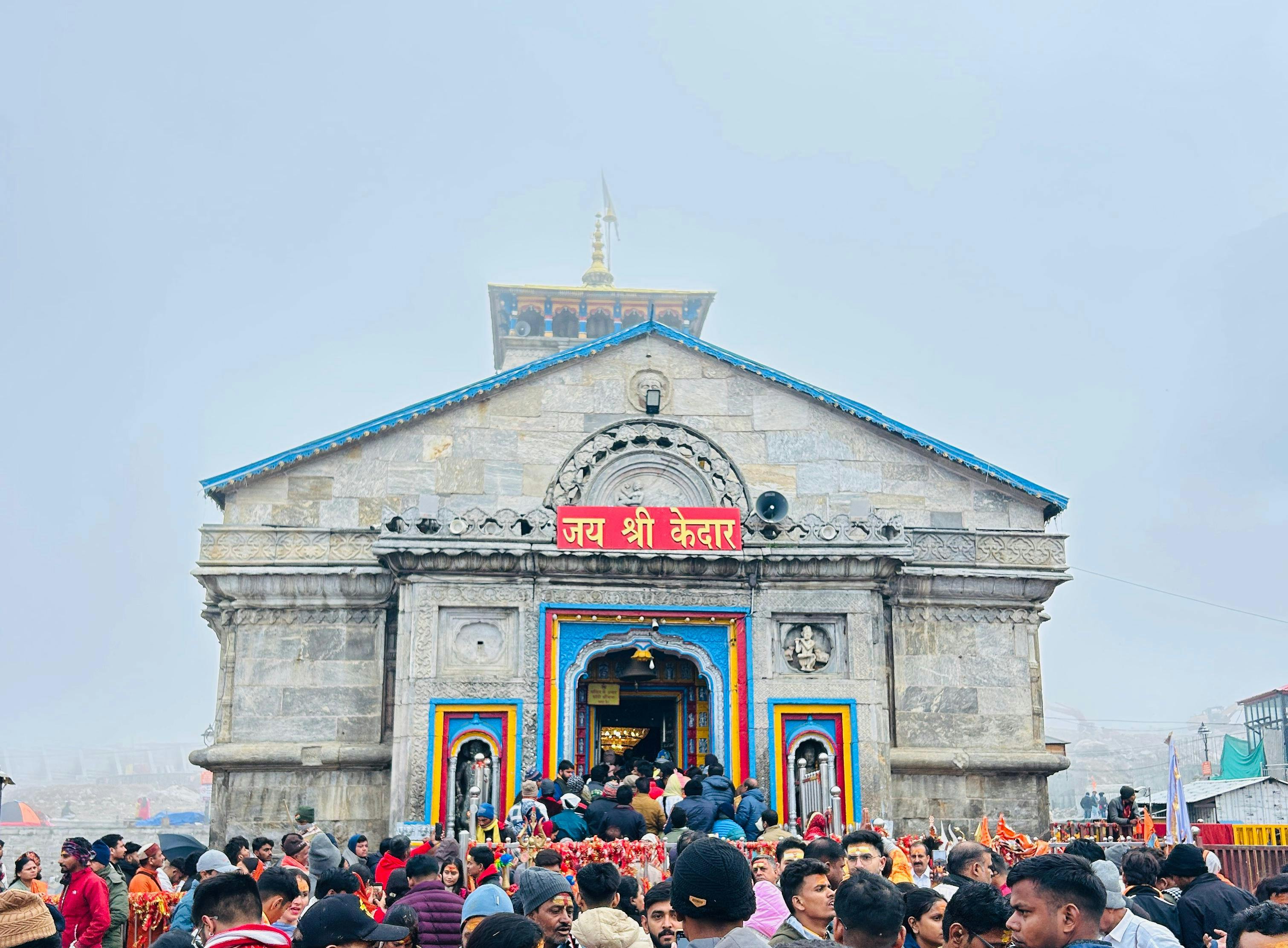
12 Jyotirlinga Yatra from Delhi: A 12-Month Pilgrimage Plan
A realistic month-by-month roadmap to complete all twelve Jyotirlingas from Delhi, one sacred Shiva shrine at a time, ordered for season and distance.
30 days in Kedarnath + 11 more
The twelve Jyotirlingas are the most revered shrines of Lord Shiva, each marking a place where he is believed to have appeared as a column of light. They are scattered across India, from the Himalayan heights of Kedarnath to the southern tip at Rameshwaram, which is why pilgrims have traditionally completed them over months or years rather than in one rushed circuit.
Doing one Jyotirlinga per month from Delhi is a smart, sustainable way to finish all twelve without burning out. Each visit becomes a long weekend or short trip of two to four days, and spreading them across a year lets you respect the seasons: tackle Himalayan Kedarnath in summer when it is open, save the deep south for the cooler months, and keep monsoon-flooded routes for sights that handle rain well.
This plan begins with the shrine closest to Delhi and most time-sensitive (Kedarnath, open only roughly late April to early November), then works outward in a loop that minimizes backtracking. Most legs combine a short flight or overnight train with a local taxi. Carry an ID for temple e-passes, expect long darshan queues on weekends and festival days, book special aartis well ahead, and remember that food near these temples is almost entirely pure vegetarian (often onion- and garlic-free).
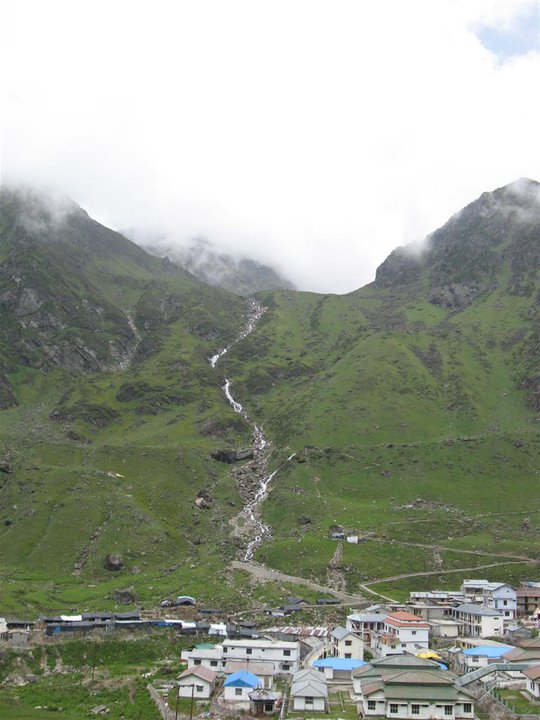
Kedarnath Jyotirlinga: The Himalayan Start
Kedarnath · Samadolfo / CC BY-SA 3.0Begin the ascent early. The 16-18 km trail from Gaurikund climbs through forest and waterfalls; ponies, palki, and porters are available at the base if you can't walk the full distance.
A 16-18 km uphill walk gaining over 1,500 m, typically 6-8 hours. Start by 5-6 am to reach before dark; carry rain gear, a walking pole, and warm layers as weather turns fast above 3,000 m.
Helicopter shuttles from Phata, Sersi, or Guptkashi cut the trek to roughly 10 minutes each way (often around Rs 7,000-9,000 round trip). They sell out fast and fly only in clear weather, so build in a buffer day.
Reach the temple complex, rest, and acclimatize. Spend time at the shrine of Adi Shankaracharya's samadhi just behind the temple, rebuilt after the 2013 floods.
The conical Shiva lingam here is worshipped as one of the Panch Kedar. Darshan generally runs from early morning to early afternoon and again in the evening; special abhishek pujas can be booked at the temple counter.
Stay overnight near the temple to catch the evening aarti and a peaceful dawn darshan before descending the next day.
The evening aarti in the thin mountain air, with the Kedarnath massif glowing at dusk, is the emotional high point of the trip. Bundle up; temperatures drop sharply after sunset even in summer.

Kashi Vishwanath & the Ghats of Varanasi
Kashi Vishwanath Temple · Architkumar1234 / CC BY-SA 4.0Start before sunrise with a boat ride on the Ganga as the ghats come alive, then breakfast in the old city.
A rowboat at dawn past the bathing and cremation ghats is the classic Varanasi experience (around Rs 150-500 per person depending on boat and length). Quiet, golden, and unforgettable.
Dive into the lane near Vishwanath Gali for piping hot kachori-sabzi and jalebi, the city's beloved morning ritual. Cheap, fast, and authentically Banarasi.
Head to the temple via the Vishwanath Corridor. Choose a darshan option that suits your patience and budget.
The Jyotirlinga sits under a golden spire. Free darshan queues can be long; the paid Sugam Darshan pass (around Rs 300) speeds entry, and a Mangala Aarti ticket lets you attend the pre-dawn ritual. Phones and bags are not allowed inside, so use the cloakroom.
Explore Sarnath, where Buddha gave his first sermon, an easy half-day trip 10 km away, or wander the old city's silk and sweet shops.
The Dhamek Stupa, ruins, and excellent archaeological museum (home to the Ashokan lion capital) make a serene counterpoint to the city. Entry to the site is around Rs 25 for Indian visitors.
Witness the Ganga Aarti, the choreographed fire ceremony performed nightly on the riverbank.
Priests swing tiered lamps in unison to bells and chanting around dusk daily. Arrive 45-60 minutes early for a step seat, or watch from a hired boat on the water.
Finish with Banaras classics, from chaat to the famous cooling lassi.
A tiny, decades-old hole-in-the-wall near Manikarnika serving thick clay-pot lassi in dozens of flavors. A Varanasi institution worth the squeeze.
Legendary for tamatar chaat and palak chaat near Godowlia, this is the spot locals send you to for the city's best street snacks.

Baba Baidyanath Dham, Deoghar
Baidyanath Temple · Pinakpani / CC BY 4.0Begin with an early darshan before the heat and crowds build, especially intense during the monsoon Shravan month.
Devotees offer Ganga jal and bilva leaves to the lingam. A shughar/VIP darshan pass is available to skip the longest lines; mornings are calmer outside the Shravan rush. The complex holds 21 additional shrines.
Eat a simple thali in the bazaar near the temple, where pure-veg eateries serve quick pilgrim meals.
The Tower Chowk area is lined with clean vegetarian restaurants serving thalis, chana, and local sweets like peda, Deoghar's signature treat.
Visit the nearby Naulakha Mandir and Trikut hills to round out the day.
A striking white temple modeled on Kolkata's Belur Math, about 2 km from Baidyanath, named for the Rs 9 lakh it cost to build.
About 16 km out, the Trikutachal hills offer a vertical ropeway ride and views, a pleasant nature break from temple crowds.

Mahakaleshwar & the Bhasma Aarti
Mahakaleshwar Jyotirlinga · Ashverse / CC BY-SA 4.0If you secured a Bhasma Aarti pass, you'll be at the temple around 4 am; otherwise start with darshan after sunrise and breakfast in Freeganj.
The signature pre-dawn ritual (around 4 am) where the lingam is bathed in sacred ash, performed nowhere else like this. Passes are limited and booked in advance via the official temple portal; a traditional dress code applies.
Walk the Mahakal Lok corridor, the grand sandstone promenade lined with murals and statues that frames the temple approach.
A roughly 900 m walkway of sculpted columns and Shiva-legend panels opened in 2022, beautiful in the soft morning light and free to stroll.
See Ujjain's other sacred sites along the Shipra, including Kal Bhairav and the ancient Sandipani Ashram.
Famous for the unusual offering of liquor to the deity, a fascinating Tantric tradition unique among temples. About 8 km from Mahakaleshwar.
The principal bathing ghat and the focal point of the Simhastha Kumbh, lovely for an evening aarti by the river.

Omkareshwar: The Om-Shaped Island
Omkareshwar Temple · Deveshc92 / CC BY 4.0Cross to Mandhata Island by the footbridge or boat for early darshan at the main Jyotirlinga.
The hilltop shrine on the island is the principal Jyotirlinga. Reach it via the pedestrian bridge or a short boat ride; mornings are cool and uncrowded.
Visit the second shrine and consider the island parikrama, a gentle circular walk with river and ghat views.
The companion shrine on the south bank, considered part of the same Jyotirlinga tradition, with fine old stone carving and fewer crowds.
A roughly 7 km circumambulation of the island passing ancient temples and ghats, best done in the cooler late afternoon.
Watch the evening aarti on the Narmada, with diyas floating downstream as the temples light up.
The riverside aarti at dusk is serene and far less crowded than its big-city counterparts, a quiet highlight of the yatra.

Somnath: The First Jyotirlinga by the Sea
Somnath Temple · B. SurajPatro1997 / CC BY-SA 4.0Begin with darshan at the seaside temple, ideally for the morning aarti when the sanctum is most alive.
Three aartis are held daily (around 7 am, noon, and 7 pm). Mobiles and bags aren't allowed inside; lockers are available at the gate. Admission is free.
Explore nearby pilgrimage sites associated with Krishna and the temple's long history.
Bhalka Tirth marks where Krishna is said to have left his mortal body, and the nearby Triveni Sangam is where three rivers meet the sea. A short, meaningful loop near the temple.
After the evening aarti, stay for the sound-and-light show projected against the temple.
An evening show (ticketed, roughly Rs 100-150) dramatizes the temple's repeated destruction and rebuilding with the floodlit shrine as backdrop. Check timing as it can be cancelled in poor weather.
Nageshwar Jyotirlinga & Dwarka
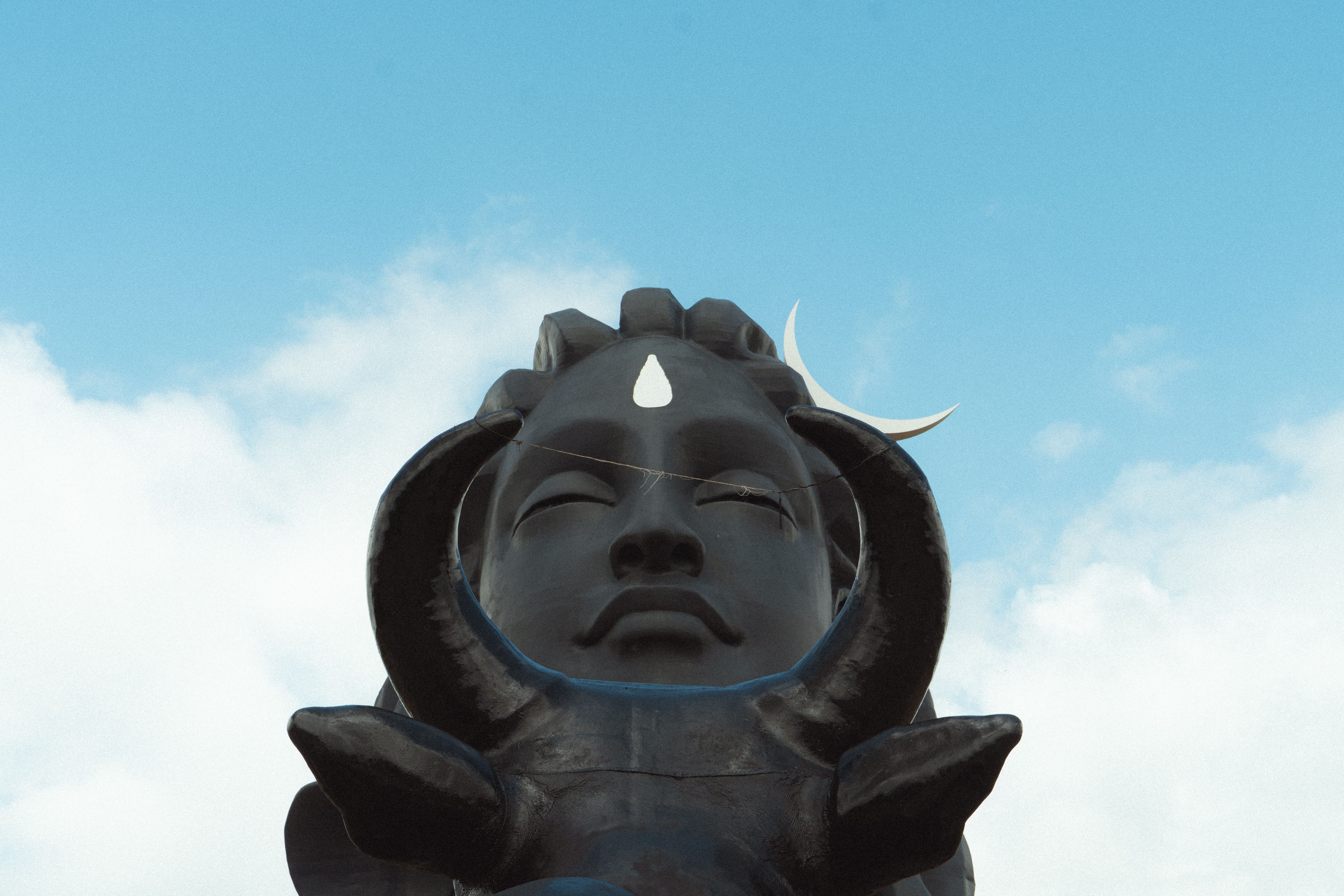
A striking view of the Adiyogi Shiva statue against a bright blue sky in Bengaluru, India. · Photo by Suhas Hanjar on PexelsStart at Dwarkadhish for the morning aarti, then drive out to Nageshwar.
The five-storey Krishna temple with its 78 m flagged spire is one of the Char Dham. The Mangla aarti at dawn is special; phones and bags must be left outside.
Visit the Nageshwar Jyotirlinga, where a colossal Shiva statue presides over the shrine.
Set 16 km from Dwarka, the temple is fronted by a vast seated Shiva sculpture and a calm sanctum. Darshan is unhurried compared to bigger sites; entry is free.
A short boat ride takes you to Bet Dwarka island, associated with Krishna; combine with the nearby Rukmini Devi temple if time allows.
Return to Dwarka for sunset at the seafront and the evening aarti.
Walk the Sudama Setu footbridge over the Gomti creek and watch the sun drop into the Arabian Sea, a peaceful end to the day.

Trimbakeshwar & the Source of the Godavari
Trimbakeshwar Temple · Abhideo21 / CC BY-SA 4.0Reach the temple early for darshan of the unique three-faced lingam.
The richly carved black-stone temple sits below Brahmagiri hill. General darshan is free; a paid fast-track pass (around Rs 200) is available, and special pujas like Narayan Nagbali and Kaal Sarp are performed here.
Visit the sacred Kushavarta kund, the symbolic source of the Godavari, and if you're fit, hike toward Brahmagiri.
The stepped holy tank where pilgrims bathe, considered the origin of the Godavari and a focal point of the Nashik Kumbh.
A stone-stepped climb to the actual river source with sweeping views, a good half-day for those wanting more than darshan.
Head back toward Nashik for the Godavari aarti or a relaxed dinner.
Nashik's old riverside quarter, linked to the Ramayana, with ghats, the Kalaram temple, and the Sita Gufa caves nearby.
Grishneshwar & the Caves of Ellora
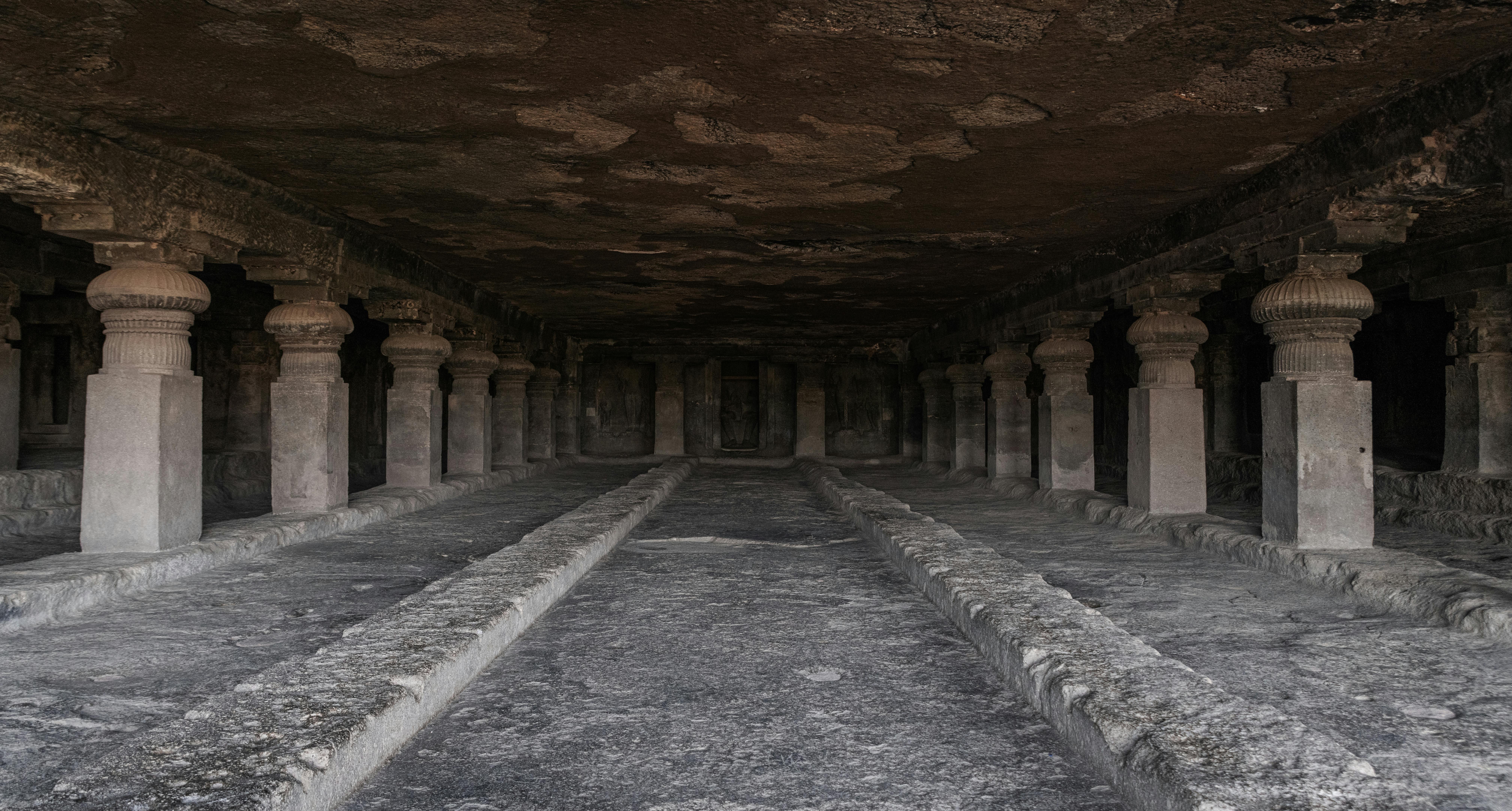
Explore the historic rock-cut caves of Ellora, Maharashtra, showcasing ancient architectural marvels. · Photo by Roman Saienko on PexelsVisit Grishneshwar early, then step next door into the wonder of Ellora.
The 18th-century red basalt temple, restored by Ahilyabai Holkar, has intricate carvings. Men may be asked to remove shirts before entering the sanctum; darshan is generally quick and free.
Explore the Ellora caves, especially the astonishing Kailasa temple carved from a single rock.
A UNESCO World Heritage site of 34 Hindu, Buddhist, and Jain rock-cut monuments; Cave 16, the monolithic Kailasa, is among India's greatest achievements. Closed Tuesdays; entry around Rs 40 for Indian visitors.
On the way back, take in the dramatic hill-fort of Daulatabad or Aurangabad's Bibi ka Maqbara.
A formidable medieval hilltop fortress with a steep climb and panoramic views, great in the cool of late afternoon.
Nicknamed the 'mini Taj,' this Mughal mausoleum glows at sunset and makes a graceful close to the day.
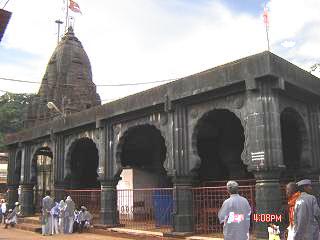
Bhimashankar in the Western Ghats
Bhimashankar Temple · SaurabhJain at English Wikipedia / Public domainSet off early from Pune for the scenic ghat drive, reaching the temple before the midday rush.
The Nagara-style shrine sits at the foot of a forested valley; you descend a flight of steps to reach it. Weekdays are far quieter than weekends. Darshan is free.
Enjoy the sanctuary's nature: short forest walks, viewpoints, and a chance to spot the giant squirrel.
Marked trails near the temple wind through dense Sahyadri forest. The Gupt Bhimashankar spring and Hanuman Lake make pleasant short detours.
A short hike rewards you with dramatic Konkan-facing cliff views, especially atmospheric when clouds roll in.
Back in Pune, treat yourself to the city's celebrated food scene.
Unlimited traditional Maharashtrian thalis with bhakri, varan, and puran poli, a hearty, authentic end to a long temple day.
A beloved Pune institution for South Indian dosas and filter coffee, perfect for a lighter, lively dinner.

Mallikarjuna at Srisailam
Mallikarjuna Temple, Srisailam · Chintohere / Public domainReach the temple complex early for darshan of both the Jyotirlinga and the Shakti Peetha within the same fortified walls.
Free darshan can be slow; the temple sells Sheeghra (fast-track) darshan tickets and special abhishekam slots online and at the counter. Don't miss the carved stone outer walls and the adjacent Bhramaramba Devi shrine.
Take in the river and dam scenery around the temple plateau.
The huge dam on the Krishna and the Patala Ganga ghat (reached by ropeway/steps) where pilgrims bathe are scenic stops a short drive from the temple.
A traditional stop where Ganesha is said to bear witness to your pilgrimage, a few km from the main temple in the forest.

Ramanathaswamy, Rameshwaram: The Grand Finale
Ramanathaswamy Temple · Ssriram mt / CC BY-SA 4.0Begin with the traditional sea bath at Agni Theertham, then the ritual baths in the temple's 22 wells before darshan.
Pilgrims take a dip in the calm sea right behind the temple at dawn before entering. Carry a change of clothes; the beach is a short walk from the east gate.
Do the 22 theertham baths inside the temple, then darshan of the Jyotirlinga along the famous pillared corridors.
Temple staff douse you with water from each of the 22 sacred wells (a small fee/ticket applies for the theertham bath). The corridors, the longest of any Hindu temple, are spectacular. Wet clothes are required for the wells, so plan accordingly.
Drive out to the haunting tip of the island at Dhanushkodi, the ghost town at land's end.
The ruins of a town washed away in 1964 and the very tip of India pointing toward Sri Lanka, where the Bay of Bengal meets the Indian Ocean. Reach it by jeep/bus on the sand spit.
The iconic rail bridge over the sea and the memorial to the former president and Rameshwaram's most famous son make a fitting last stop.
Conclude your year-long yatra with the evening rituals and a quiet meal of Tamil pilgrim fare.
The final aarti of your twelfth Jyotirlinga is a profound moment to mark completing the circuit. Sit in the corridor and take it in.
Pick your base
For the trek, base one night in Guptkashi or Sonprayag/Sitapur (road-head with hotels and parking), then stay a night at Kedarnath itself (GMVN huts and basic lodges) if you want an unhurried dawn darshan. Phata is the hub for helicopter services.
Government-run huts and dorms steps from the temple, ideal if you want to be there for the 4 am Maha Abhishek. Basic but unbeatable for location at altitude; book through GMVN well ahead.
Clean valley-floor hotels and tented camps near Sonprayag and Sitapur, a sensible base the night before the trek with hot water and parking.
Guptkashi has the widest range of comfortable hotels with valley views and is the launch point for most helicopter packages, good for families splitting the journey.
A restored riverfront palace reached by boat, with Ganga-facing rooms and a rooftop overlooking the ghats. The one splurge worth it in Varanasi for its setting steps from the action.
A reliable, well-located mid-range hotel near Godowlia and the temple, a short walk to Dashashwamedh Ghat for the evening aarti.
Assi Ghat has a string of clean, friendly budget guesthouses with rooftop cafes, popular with pilgrims and backpackers and walkable to the morning Subah-e-Banaras.
A comfortable mid-range option in Deoghar with clean rooms and easy temple access, a solid base for darshan.
One of the better-equipped hotels in town with family rooms and a restaurant, good for those wanting extra comfort after travel.
Numerous dharamshalas and budget lodges ring the temple for pilgrims wanting cheap, no-frills rooms within walking distance of darshan.
A well-run mid-range hotel with a pool and restaurant, a comfortable base a short ride from the temple.
Spacious family-friendly rooms in Freeganj with good food options nearby, handy for those traveling with parents or children.
Plenty of budget lodges and dharamshalas cluster around the temple and Mahakal Lok, ideal for catching the 4 am Bhasma Aarti on foot.
State-tourism-run riverside accommodation with reliable rooms and a restaurant, the most comfortable choice in town.
Simple, clean guesthouses near the Narmada ghats and bridge, walkable to both temples for early darshan.
Indore offers a wide range of family-friendly hotels and India's best street food, a comfortable hub if you prefer day-tripping to Omkareshwar.
A comfortable mid-range hotel a short distance from the temple with good service and a restaurant, the dependable choice in town.
Family-friendly hotels close to the temple complex with sea proximity and parking, good for multi-generation pilgrim groups.
The Somnath Trust runs clean, affordable guesthouses right by the temple, the most convenient budget option for early darshan.
A reliable mid-range hotel near Dwarkadhish temple with clean rooms and easy access to both shrines.
Larger family-friendly hotels with restaurants and parking, comfortable for groups visiting both Dwarka and Nageshwar.
Affordable lodges and dharamshalas crowd the lanes near the Dwarkadhish temple, handy for the early-morning Mangla aarti.
Comfortable mid-range to upper-mid hotels in Nashik with restaurants and pools, a good base for day trips to Trimbakeshwar and wine country.
Budget lodges and dharamshalas in Trimbak town let you walk to the temple for the morning queue and puja.
Nashik is India's wine capital; vineyard resorts like Sula's offer a relaxing, scenic add-on for travelers who want a non-temple night.
Well-reviewed mid-range to upper-mid hotels in the city with pools and restaurants, the most comfortable base for the caves and temple.
A cottage-style hotel directly opposite the Ellora caves, the closest comfortable stay to Grishneshwar for an early, crowd-free temple and cave visit.
Plenty of clean, inexpensive hotels in the city center make a thrifty base with good food and transport links.
Pune offers abundant well-reviewed mid-range hotels with good food and connectivity, the most comfortable base for the day trip.
State-tourism and forest-edge lodges near the temple let you wake up to mist and birdsong and beat the day-tripper crowds.
Basic guesthouses and dharamshalas in the temple village suit pilgrims who just want a simple, cheap night before darshan.
The state-tourism hotel is the most dependable mid-range stay in town, a short distance from the temple with a restaurant.
The Srisailam Devasthanam runs numerous cottages and choultries near the temple at very low rates, the most convenient budget option for darshan.
A night in Hyderabad on either side of the drive gives families comfortable hotels, biryani, and the chance to see Charminar and Golconda.
The most comfortable mid-range hotels in town, with reliable rooms and restaurants a short ride from the temple.
Family-friendly hotels near Agni Theertham beach with sea-facing rooms, handy for the morning bath ritual before darshan.
Numerous budget lodges and dharamshalas ring the temple, perfect for pilgrims wanting to walk to the 22 theerthams at dawn.
Good to know
In what order should I visit the 12 Jyotirlingas starting from Delhi?
A practical order from Delhi is Kedarnath first (it is closest and open only in summer), then Kashi Vishwanath (Varanasi), Baidyanath (Deoghar), Mahakaleshwar (Ujjain), Omkareshwar, Somnath, Nageshwar (Dwarka), Trimbakeshwar (Nashik), Grishneshwar (Ellora), Bhimashankar, Mallikarjuna (Srisailam), and Rameshwaram last. This sequence respects seasons (Himalayas in summer, the deep south in cooler months) and minimizes backtracking.
Can I really complete all 12 Jyotirlingas in one trip per month?
Yes. Each Jyotirlinga can be done as a focused trip of two to four days using a short flight or overnight train from Delhi plus a local taxi. Visiting one per month over a year is comfortable, lets you book special aartis in advance, and avoids the exhaustion of a single non-stop circuit.
Which Jyotirlinga is hardest to reach and when is it open?
Kedarnath in Uttarakhand is the most challenging, requiring a 16-18 km Himalayan trek (or a helicopter from Phata/Guptkashi) and reaching 3,583 m. It is open only from roughly late April to early November, so it should be scheduled in the summer or early autumn months.
Do I need to book darshan or aarti tickets in advance for the Jyotirlingas?
For the most popular rituals, yes. The Mahakaleshwar Bhasma Aarti in Ujjain, Kashi Vishwanath's Mangala Aarti, and Kedarnath helicopter slots all have limited capacity and should be booked through their official portals weeks ahead. Most temples also offer paid fast-track (sheeghra/sugam) darshan passes to skip long free-entry queues.
Can any Jyotirlingas be combined into a single trip to save time?
Several pair naturally by geography: Mahakaleshwar (Ujjain) with Omkareshwar in Madhya Pradesh, Somnath with Nageshwar (Dwarka) along the Gujarat coast, and Trimbakeshwar, Grishneshwar, and Bhimashankar within Maharashtra. If you have more time some months, you can cover two at once and finish faster than 12 separate trips.
What should I keep in mind about food and dress at Jyotirlinga temples?
Food near these temples is almost entirely pure vegetarian, often without onion or garlic, so plan for simple thalis, dosas, and local sweets. Dress modestly, expect to remove footwear and leave phones and bags in cloakrooms at major shrines, and note that some sanctums (like the Bhasma Aarti at Mahakaleshwar) enforce a traditional dress code.
Completing the twelve Jyotirlingas one month at a time turns an impossibly long journey into a year of meaningful weekends, beginning in the Himalayan heights of Kedarnath and ending at the ocean's edge in Rameshwaram. Each shrine has its own season, story, and rhythm, and spacing them out lets you arrive rested, book the special aartis, and absorb each place rather than rushing through. Start near home, follow the seasons, and let the year carry you, temple by temple, to the completion of the full Dwadasha Jyotirlinga yatra.