
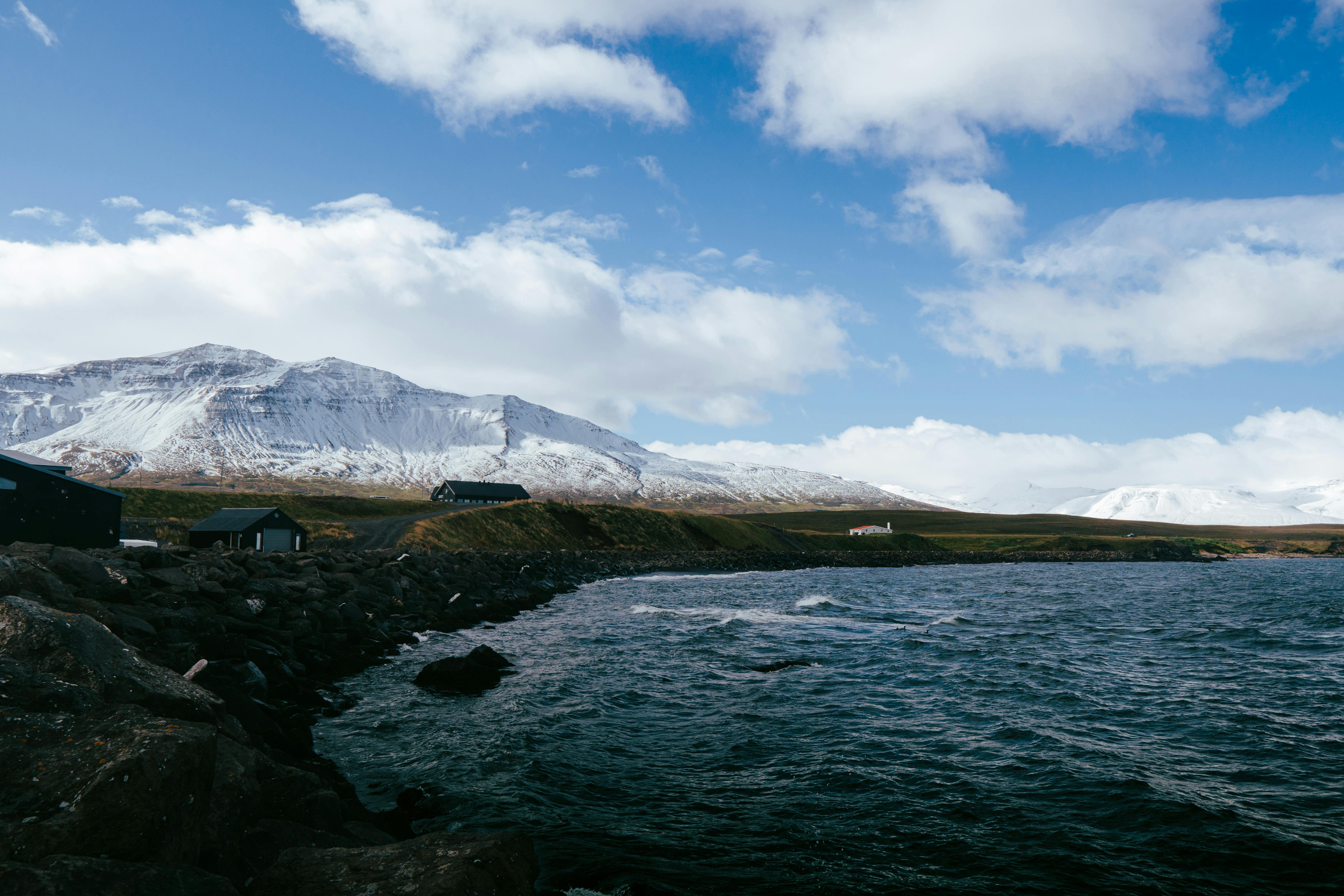
Few regions reward curiosity quite like the North Atlantic and Scandinavia. Iceland’s saga-soaked lava fields, Denmark’s royal capital, and Norway’s fjord country each tell a different chapter of northern Europe’s story, from Viking settlement and medieval trade to modern design, sustainability, and some of the world’s most striking natural scenery.
This itinerary uses three cities for a logical 12-day flow: Reykjavik for Iceland, Copenhagen for Denmark and an easy taste of Sweden, and Bergen for Norway’s fjords. That structure keeps travel realistic while still honoring all four requested destinations, since Copenhagen makes Sweden wonderfully accessible via the Øresund connection.
Practically, March through early autumn is best for long sightseeing days and outdoor activities, while winter brings aurora potential and a more dramatic Arctic mood. Nordic countries are safe and easy to navigate, but costs can add up quickly, so this plan leans toward a thoughtful mid-range style: excellent public transport, a few standout guided tours, smart hotel picks, and meals that mix celebrated addresses with casual local favorites.
Reykjavik
Days 1-4: Volcanic Iceland, geothermal bathing, food culture, and the South Coast
Reykjavik is one of the world’s smallest capitals, yet it feels improbably large in character. Colorful corrugated houses, sea air, sharp modern architecture, and a deep literary tradition give the city a frontier-meets-culture energy that suits an adventurous trip beautifully.
Use Reykjavik as your launch point for Iceland’s biggest natural spectacles. The city itself is compact and walkable: start around Hallgrímskirkja, whose basalt-inspired silhouette echoes Iceland’s lava formations, then continue to Harpa Concert Hall, where the glass façade catches the shifting northern light in a way that feels almost geological.
For a first taste of the city, browse Laugavegur for shopping and people-watching. You will find thoughtful Nordic design shops, outdoor gear stores, wool goods, and small cafés rather than flashy retail; it is a pleasant street to dip in and out of between museums, bakeries, and lunch stops.
Where to stay: For a splurge, The Retreat at Blue Lagoon Iceland is one of the most distinctive stays in the country, though it stretches a mid-range budget. Better-value Reykjavik bases include Kex Hostel for a social, design-conscious stay in a former biscuit factory, and Icelandair Hotel Reykjavik Natura for comfortable rooms and easier pricing; you can also compare broader options on VRBO Reykjavik and Hotels.com Reykjavik.
Arrival and onward transport: Fly into Iceland and use Omio flights to compare Europe routes into Keflavík. Later, for Reykjavik to Copenhagen, nonstop flights usually take about 3 hours 15 minutes, and fares commonly start around $120-$250 booked in advance.
- Breakfast & coffee: Brauð & Co is a local favorite for excellent cinnamon buns and sourdough pastries, with a line that moves quickly and a neighborhood feel. Reykjavik Roasters is the stop for serious coffee drinkers; expect carefully sourced beans, minimalist interiors, and baristas who treat espresso with proper reverence.
- Lunch: Try Bæjarins Beztu Pylsur for Iceland’s famously beloved hot dog, a humble institution that says more about local food culture than many white-tablecloth rooms. For something heartier, Messinn is a strong pick for pan-fried fish served in skillets, especially if you want fresh Arctic char or cod in a relaxed setting.
- Dinner: Matarkjallarinn (Food Cellar) is atmospheric without being stuffy, with Icelandic ingredients presented in a warm, candlelit basement. For a memorable seafood dinner, Sjávargrillið is a smart choice for tasting menus and refined takes on local catch, while Grillmarkaðurinn leans theatrical and ingredient-driven, with lamb and seafood often starring.
Museums and local culture: The National Museum of Iceland is worth a focused visit for context before you head into the countryside; it makes the saga age, Christianity, and independence era feel connected rather than abstract. If you prefer something more contemporary, the Reykjavik Art Museum’s branches add a modern counterpoint to all the lava and waterfalls.
Hiking and unique activities: If conditions are favorable, shorter coastal and lava-field walks near the capital can give you a taste of Icelandic terrain without committing to a major expedition. For a singular indoor experience, the live lava demonstration is exactly the sort of unusual activity that travelers remember years later.
Recommended Viator activities:
- Golden Circle, Volcano Crater and Blue Lagoon Small-Group Tour — an efficient way to combine Iceland’s greatest hits in one day, ideal for a 12-day multi-country trip where time matters.
- Iceland South Coast Full Day Small-Group Tour from Reykjavik — black sand beaches, waterfalls, glacier scenery, and some of the country’s most cinematic landscapes.
- Reykjavik Food Walk - Local Foodie Adventure in Iceland — especially well matched to your foodie interest, since it folds local history into tastings and helps decode Icelandic cuisine beyond the stereotypes.
- Lava Show Reykjavik Admission Ticket - Optional Premium Upgrade — one of the most unusual urban attractions in Europe, and a fine rainy-day counterpoint to the big outdoor days.

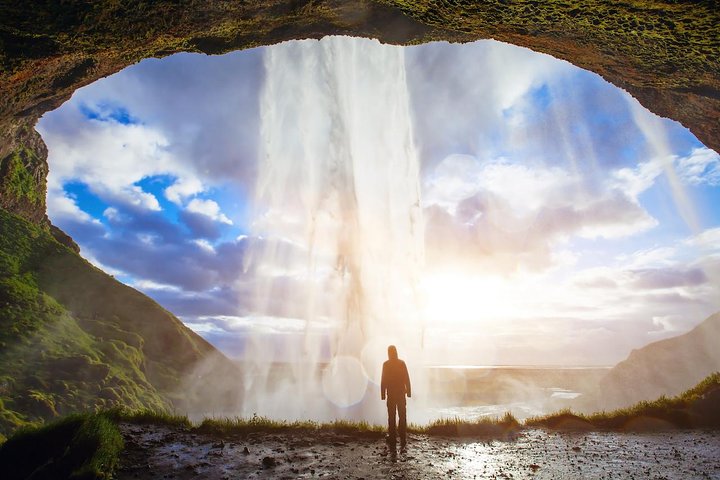

Suggested pacing for this block: Keep one day for central Reykjavik and museums, one day for the Golden Circle and geothermal bathing, one day for the South Coast, and one evening for either the Lava Show or a lagoon session. That gives you adventure without turning Iceland into a blur of windshield scenery.
Copenhagen
Days 5-8: Danish design, canals, culinary discoveries, and an easy Sweden crossing
After Iceland’s elemental landscapes, Copenhagen feels polished, playful, and deeply civilized. This is a city of bicycles, royal history, inventive dining, colorful harbor fronts, and a daily urban rhythm that makes even simple acts like getting coffee or taking a canal boat feel well designed.
Copenhagen is also the clever hinge of this itinerary because it gives you Denmark in full while opening the door to Sweden. From the Danish capital, you can reach Malmö by train across the Øresund Bridge in roughly 40 minutes, making Sweden part of the journey without the inefficiency of a fourth hotel base.
Begin in Nyhavn, where the 17th-century waterfront houses look almost too storybook to be real. Yes, it is one of the city’s busiest corners, but it remains worth seeing early in the day before the crowds thicken, especially when the harbor light is soft and the boats are still.
Travel from Reykjavik to Copenhagen: Use Omio flights to compare nonstop and one-stop options. Most nonstop flights take about 3 hours 15 minutes; budget around $120-$250 if booked sensibly, higher in peak periods.
Where to stay: For excellent mid-range value, Wakeup Copenhagen - Borgergade is hard to beat for location and efficiency. Urban House Copenhagen by MEININGER is good for a lively, budget-conscious stay, while Tivoli Hotel & Congress Center offers more full-service comfort; you can also browse VRBO Copenhagen and Hotels.com Copenhagen.
- Breakfast & coffee: Andersen & Maillard is one of the city’s most satisfying starts, pairing excellent coffee with laminated pastries that justify every crumb. Prolog Coffee Bar in the Meatpacking District is a favorite among locals who care about beans, roasting, and a more stripped-back coffee culture.
- Lunch: For classic smørrebrød, Restaurant Schønnemann is an old-school institution where open-faced rye sandwiches become high craft; the herring options alone can convert skeptics. Torvehallerne market is better for variety: try a gourmet hot dog from DØP, fresh fish, Danish cheeses, and small sweets while browsing stalls.
- Dinner: Vesterbro and the Meatpacking District are ideal for energetic evenings. Warpigs is great if you want bold barbecue and craft beer in a communal hall, while Høst delivers elegant New Nordic cooking in a room that feels unmistakably Scandinavian without drifting into formality.
Sightseeing and museums: Christiansborg Palace gives you royal rooms, political history, and tower views in one address, while the National Museum of Denmark provides a rich survey from prehistory through modern statehood. If you want art and sculpture in a greener setting, Ny Carlsberg Glyptotek is especially rewarding, with its palm court and thoughtful collection.
Shopping: Strøget remains the classic shopping spine, but do not stop there. Explore side streets in the Latin Quarter and Nørrebro for Danish homewares, fashion, ceramics, and small specialty shops that feel more local than global-chain polished.
Easy Sweden add-on: Dedicate one of these days to crossing into Malmö by train. The journey takes around 35-40 minutes from Copenhagen Central to Malmö Central, often costing about $15-$25 each way depending on fare type; check schedules on Omio trains. In Malmö, stroll Lilla Torg, see the contrast between the medieval center and modern waterfront, and have fika before returning to Copenhagen for dinner.
Recommended Viator activities:
- Copenhagen Culinary Food Tour with 6+ Tastings of Danish Classics — a strong match for your foodie interest and an excellent way to understand Danish flavors beyond pastry stereotypes.
- Walk & Canal Tour: Copenhagen Highlights + Changing of the Guards — a smart orientation early in the stay, combining urban history with harbor perspectives.
- Copenhagen Highlights 3 Hour Bike Tour with local Guide — perhaps the most natural way to experience the city, given Copenhagen’s cycling culture.
- Malmö & Lund Tour, Crossing the Øresund Bridge to Sweden — a convenient way to fold Sweden into the trip if you prefer guided logistics over independent train travel.


Suggested pacing for this block: One day for central Copenhagen and canal-side sights, one day for food, museums, and shopping, one day for a bike or walking tour plus Tivoli if in season, and one day for Malmö or Malmö-Lund. It is an urban block, but there is enough movement and variety to keep the adventurous tone alive.
Bergen
Days 9-12: Fjord landscapes, mountain views, seafood, and Norway at its most dramatic
Bergen arrives like a shift in tempo. Hemmed in by mountains and water, old Hanseatic timber buildings and fish-market energy, it feels more weathered and maritime than Copenhagen, with the sort of scenery that seems designed to tempt you onto boats, funiculars, and hiking trails.
This is the best Norwegian base for a 12-day trip because it gives you immediate access to fjord country. You can admire Bryggen’s UNESCO-listed merchant houses in the morning and be gliding through steep-sided waters or climbing above the city by afternoon.
Travel from Copenhagen to Bergen: Morning flights are the most practical; compare options on Omio flights. Nonstop flights generally take about 1 hour 20 minutes, and typical fares run around $90-$220 depending on season and baggage.
Where to stay: Citybox Bergen is one of the best-value picks for a traveler keeping an eye on budget without sacrificing location. Scandic Ørnen is reliable and comfortable, while Thon Hotel Rosenkrantz Bergen and Hotel Norge by Scandic add extra polish; you can also search VRBO Bergen and Hotels.com Bergen.
- Breakfast & coffee: Bergen Kaffebrenneri is a dependable stop for quality coffee and a slow start before the weather makes up its mind. Godt Brød is handy for organic baked goods, sandwiches, and a lighter breakfast before a long excursion.
- Lunch: The Fish Market is the obvious classic, but choose carefully and look for fresh seafood plates rather than tourist-trap shortcuts. For a better sit-down seafood lunch, Enhjørningen near Bryggen is a longtime favorite with strong fish soups and traditional preparations.
- Dinner: Bryggeloftet & Stuene is a wonderful traditional choice, known for reindeer, fish dishes, and old wooden interiors that feel rooted in the city’s trading past. For something more contemporary, Colonialen or Lysverket are excellent if you want ingredient-driven Norwegian cooking in a more modern frame.
Hiking and views: Ride the Fløibanen funicular up Mount Fløyen, then walk down if the weather is clear; it is one of the easiest high-reward hikes in Scandinavia. If you want a more strenuous outing, Mount Ulriken offers broader drama and a proper sense of effort, especially if you hike one direction and use the cable car for the other.
Museums and history: The Hanseatic Museum area and Bryggen contextualize Bergen’s centuries as a trading power linked to the wider Baltic world. KODE’s art museums and composer homes add another dimension, especially if you want a cultural day in case the fjords disappear into rain.
Recommended Viator activities:
- Guided tour - Viking Village, Nærøyfjord Cruise and Flåm Railway — one of the best all-in-one Norway days available, combining fjord scenery, rail engineering, and Viking context.
- Bergen Mostraumen Fjord Cruise with Local Guide — a shorter fjord outing if you want spectacular scenery without sacrificing a full day.
- A Taste of Bergen Food Tour with Floibanen Funicular — ideal for your foodie and sightseeing preferences, with the added bonus of mountain views.
- Walking Tour in Bergen of the Past and Present — a strong introductory tour that helps decode the city before you dive into fjord country.


Optional overnight extension logic: If you would rather deepen Norway even further, you could swap one Bergen hotel night for Flåm. Search stays via Fretheim Hotel or Flåmsbrygga Hotel, though for a 12-day multi-country trip I would still keep Bergen as the main base to avoid overcomplicating the route.
Suggested pacing for this block: Spend one day on Bergen city sights and Mount Fløyen, one full day on a fjord cruise and Flåm-style excursion, one half-day on food and museums, and reserve your final day for shopping, a last scenic walk, and departure. That leaves Norway feeling grand rather than rushed.
Departure planning: Bergen is well connected for onward European flights via Omio flights. If you intend to continue overland within Europe, train and bus combinations can also be checked on Omio trains and Omio buses, though flying is usually far more efficient from western Norway.
This 12-day Nordic itinerary gives you three highly contrasting bases: Reykjavik for raw geology and geothermal drama, Copenhagen for design, dining, and a simple Sweden crossover, and Bergen for Norway’s fjords and mountain air. It is adventurous without being exhausting, rich in museums and food, and paced well for a mid-range traveler who wants to remember places rather than merely collect them.
If you follow this route, you will come home having soaked in a lagoon, crossed an international bridge, tasted your way through Nordic capitals, and sailed among fjords that seem almost mythic. That is a very fine way to spend 12 days.