
12 Days in Seoul: The Complete Palaces, Food & Day-Trip Itinerary
A slow, deep dive into Korea's capital, from Joseon-era palaces and the DMZ to Hongdae nightlife, Gwangjang street food, and easy escapes to Nami Island.
12 days in Seoul
Seoul is a city of layered time. Six centuries ago it became the capital of the Joseon dynasty, and its five grand palaces still anchor the old core beneath the Bukhansan ridgeline. Around them the modern capital exploded upward after the Korean War, so a five-minute walk can carry you from a wooden royal throne hall to a glass tower and back to a market alley smelling of sesame oil and grilling pork.
The draws are almost endless for a 12-day stay: palace-hopping in hanbok, the sobering DMZ on the North Korean border, temple courtyards, mountain-view towers, and some of the best casual eating on the planet, from Gwangjang's mung-bean pancakes to late-night Korean barbecue and 24-hour spice-and-broth soups. Between the sights, Seoul's cafe culture, spas (jjimjilbang), and shopping districts reward slow days as much as busy ones.
Getting around is genuinely easy: the subway is clean, cheap, extensive, and signposted in English, and a rechargeable T-money card works on trains and buses. Seoul is very safe, tap water is drinkable, and English is common in tourist zones though a translation app helps in markets. The best seasons are spring (April cherry blossoms) and autumn (October foliage); summer is hot, humid, and rainy in the July monsoon, while winter is cold but dry and atmospheric.

Arrival, Myeongdong & First Night in Seoul
Namsan Seoul Tower · EasyKL / CC-BY-SA-3.0Ease in after the long flight. Drop your bags, grab a T-money card at any convenience store or subway machine, and take a gentle first walk through Myeongdong, Seoul's neon shopping heart, where cosmetics shops and street-food carts crowd the lanes.
Seoul's most famous retail district is the softest possible landing: pedestrian lanes packed with skincare shops, fashion, and evening food carts selling tornado potatoes, egg bread, and grilled cheese lobster. Wander with no agenda and snack as you go. Central and walkable from most downtown hotels.
If you have energy, the Namsan cable car (around 14,000 won round trip) climbs toward N Seoul Tower for a first orientation over the city. Nearby Namsangol Hanok Village is a free, quiet cluster of restored traditional houses, a gentle intro to Korean architecture.
Climb Namsan for the classic first-night panorama, when the city lights spread out below the observation deck of N Seoul Tower.
Perched atop Namsan, the tower offers a 360-degree view of the sprawling city and its river. Observatory tickets run about 21,000 won; go near sunset to catch both daylight and the glittering night skyline. Reach it by the Namsan cable car or a short uphill walk from Myeongdong.
Your first meal should be Korean barbecue, cooked over coals at the table. Keep it close to Myeongdong so jet lag doesn't win.
A reliable, English-friendly Korean barbecue spot in Myeongdong known for well-marbled hanwoo beef and generous banchan side dishes. Staff help with grilling if you're new to it. Expect roughly 25,000-45,000 won per person.
If barbecue feels like too much on night one, this beloved institution serves just a few things perfectly: hand-cut kalguksu noodle soup and plump mandu dumplings, with fiendishly garlicky kimchi. A quick, cheap, satisfying bowl for around 11,000 won.

Royal Seoul: Gyeongbokgung, Bukchon & Insadong
Gyeongbokgung · 서울관광 아카이브 / KOGL Type 1Start in the old town near the palaces, where restored hanok alleys hide some of Seoul's prettiest cafes.
A wildly popular bakery-cafe set inside a restored hanok courtyard near Anguk Station, famous for its pandoro sugar-dusted pastry and flaky croissants. Come early to beat the queue and eat in the courtyard. Around 5,000-8,000 won for coffee and a pastry.
The narrow hanok alleys of Ikseon-dong are packed with characterful independent cafes serving hand-drip coffee and Korean sweets. A lovely spot to caffeinate before the palace crowds arrive.
Spend the morning at Gyeongbokgung, the largest and grandest of Seoul's royal palaces, timing your arrival for the changing of the royal guard.
The main Joseon dynasty palace, founded in 1395, with the striking Geunjeongjeon throne hall and the Gyeonghoeru pavilion floating on a lotus pond. Admission is about 3,000 won (free if you wear hanbok, rented nearby for around 15,000-25,000 won). Closed Tuesdays; the guard-changing ceremony runs at the main gate around 10am and 2pm.
Break for lunch in Insadong, the traditional arts-and-crafts district a short walk south of the palace.
A long-running vegetarian and vegan Korean restaurant in Insadong serving mock-meat bibimbap, sweet-and-sour 'pork,' and hearty stews in a calm setting. A refreshing lighter lunch after a big morning; mains around 12,000-18,000 won.
Known for Jeonju-style bibimbap served in a hot stone bowl with a proper spread of banchan. A dependable, tourist-friendly spot to try one of Korea's signature dishes. Around 13,000-16,000 won.
Wander uphill into Bukchon Hanok Village, a living neighborhood of traditional tiled houses on lanes with sweeping views back to the palace rooftops. Then browse Insadong's galleries and craft shops.
A hillside grid of preserved hanok homes between Gyeongbokgung and Changdeokgung, prized for its photogenic sloping alleys. Note that people still live here, so keep noise down (there are quiet-hour rules). Free to stroll; the classic photo lane is Bukchon-ro 11-gil.
Insadong's main street and the spiraling Ssamziegil complex are full of ceramics, tea shops, calligraphy brushes, and handmade souvenirs, plus street snacks like ggul-tarae dragon-beard candy. A good place to shop for gifts.
Wind down at a traditional Korean teahouse before dinner, a distinctly Insadong pleasure.
A hidden, plant-filled teahouse in Insadong where sparrows fly around the wooden interior and you sip omija (five-flavor berry) or citron tea. Atmospheric and calm; teas around 8,000-10,000 won.
For dinner, try Korean comfort food in the atmospheric hanok lanes of Ikseon-dong.
This restored hanok quarter east of Insadong is packed with buzzy small restaurants and bars serving everything from tteokbokki and modern Korean plates to natural wine. Wander and pick whatever has a line; expect 15,000-30,000 won a head.
A 15-minute walk or short subway hop away, this century-old market comes alive at night with mung-bean bindaetteok pancakes, mayak gimbap, and live-octopus stalls. Sit at a counter, point, and eat cheap and well.
The DMZ: Korea's Divided Border
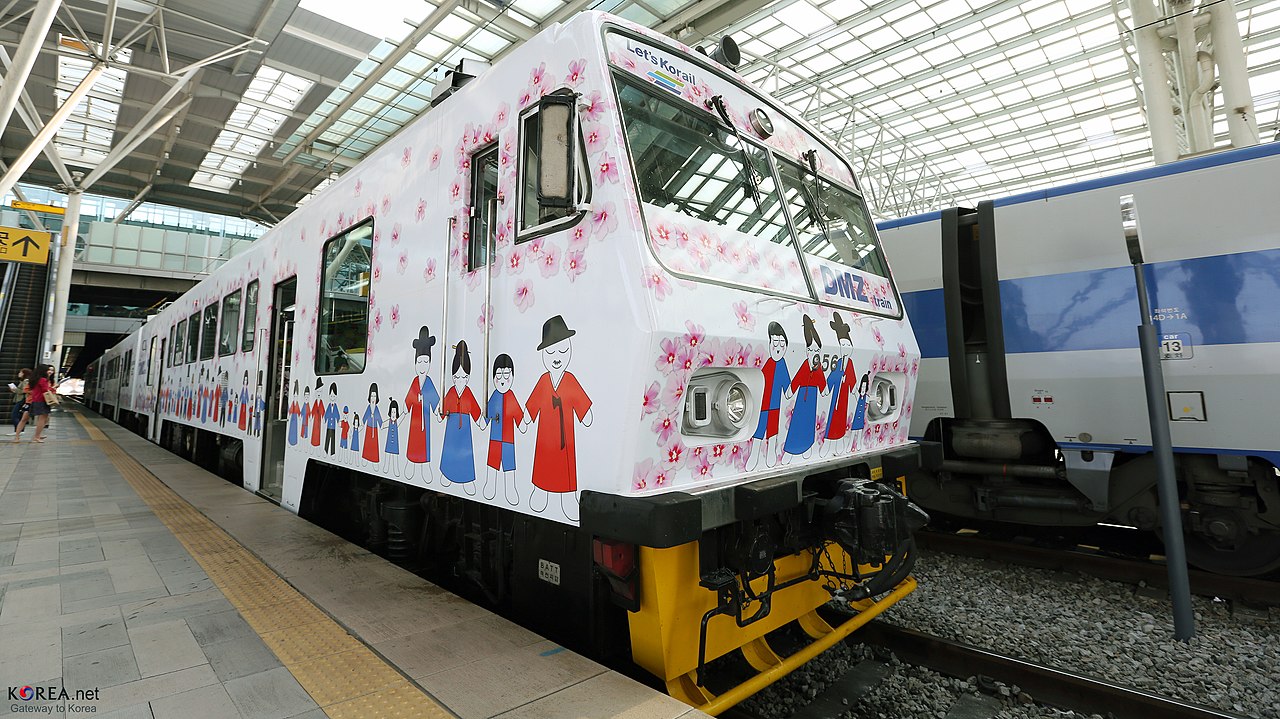
DMZ Train · Korea.net / Korean Culture and Information Service (Jeon Han) / CC BY-SA 2.0Devote today to the Demilitarized Zone, the tense 4-km-wide buffer between North and South Korea and one of the most extraordinary places you can visit near Seoul. Tours run about half a day to a full day and must be booked in advance, as you cannot visit independently. Most include the 3rd Infiltration Tunnel, Dora Observatory looking into the North, and Imjingak Peace Park.
One of the highest-rated DMZ experiences, adding a face-to-face talk with a North Korean defector to the standard stops at the 3rd Tunnel, Dora Observatory, and a suspension bridge. Includes hotel-area pickup and an English guide; brings the geopolitics vividly to life. From about $50.
A well-priced, award-winning half-day tour hitting Imjingak Peace Park, the Freedom Bridge, Dora Observatory, and the 3rd Tunnel, with a knowledgeable guide. Efficient if you want the highlights and a free afternoon back in the city. From about $45.
A hugely popular, no-shopping tour combining the 3rd Tunnel and Dora Observatory with a suspension bridge and JSA Museum, run by a long-established operator. Great for a comprehensive first DMZ visit. From about $50.
You'll return to the city in the afternoon or early evening; keep dinner simple and warming near your hotel.
Seoul's most famous ginseng chicken soup house, near Gyeongbokgung, serving a whole young chicken stuffed with sticky rice, ginseng, and jujube in a milky broth. Restorative after a long day out; around 20,000 won. Expect a short queue.
Given the day's Korean War history, army-base stew (budae-jjigae), a spicy hot pot born from post-war rations with sausage, spam, ramen, and kimchi, feels fitting. Any neighborhood joint does it well for around 10,000-13,000 won per person.
Changdeokgung, the Secret Garden & Naksan Views
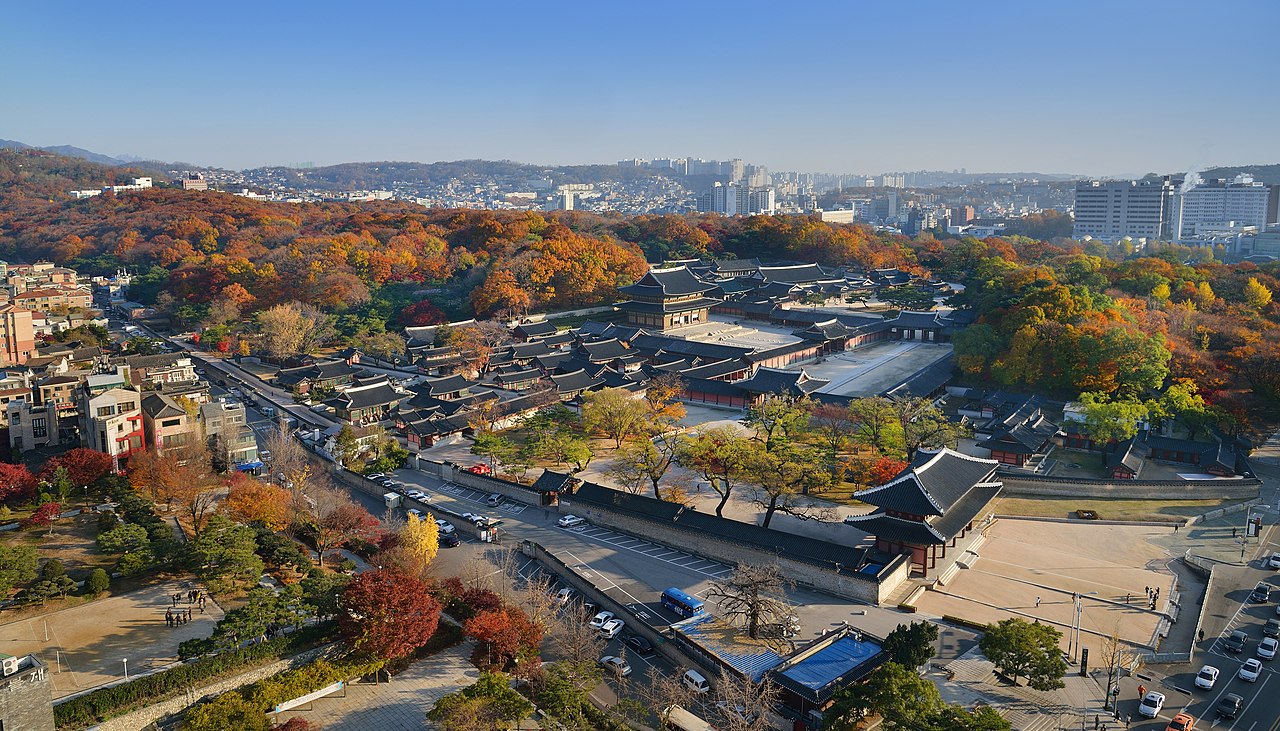
Changdeokgung · 문화재청 / KOGL Type 1Fuel up near Changdeokgung before your timed garden entry.
Fritz Coffee Company is one of Seoul's most respected roasters, with a retro-charming branch and excellent espresso and pastries. A great morning stop before the palace; around 5,000-7,000 won.
Visit Changdeokgung, the most beautifully sited of the palaces, whose Huwon 'Secret Garden' can only be seen on a timed guided tour that sells out.
A UNESCO World Heritage palace laid out in harmony with its wooded hillside. Palace admission is about 3,000 won; the separate Secret Garden tour is roughly 5,000 won more and runs a limited number of English slots daily. Closed Mondays. The garden's lotus ponds and pavilions are the highlight.
Eat near the palace or in the university-town lanes toward Daehangno.
A refined Buddhist temple-cuisine restaurant near Jogyesa Temple, serving multi-course vegetarian set menus that are meat-, garlic-, and onion-free yet deeply flavorful. Reserve ahead; lunch courses from around 35,000 won. A memorable, meditative meal.
For something quick and cheap, the lanes around Anguk and Insadong have plenty of noodle-soup and bibimbap houses in the 9,000-14,000 won range. Good if you're saving your appetite for the afternoon.
Head to the Naksan area for the Ihwa Mural Village and a walk along the restored Seoul City Wall, with wide views over the rooftops.
A hillside neighborhood revived with murals, sculptures, and painted staircases, topped by Naksan Park where a stretch of the old Seoul Fortress Wall offers some of the city's best free views. A gentle 1-2 hour uphill wander; residents live here, so keep quiet.
At the foot of the hill, Daehangno is Seoul's theater district, centered on leafy Marronnier Park. A relaxed spot for people-watching and street performances among students.
Dinner tonight is grilled meat done the local way, or a hearty stew in the student district.
The backstreets of Jongno 3-ga are lined with smoky grill joints serving pork belly, gopchang (grilled intestines), and cheap beer to office crowds. Loud, lively, and authentic; around 15,000-25,000 won a head.
The university area is full of value-driven spots for spicy stir-fried chicken (dakgalbi) and bubbling stews aimed at students. Filling and fun for around 12,000-18,000 won.

Hongdae: Indie Cafes, Street Art & Nightlife
Hongdae (area) · U0894629 / CC BY-SA 4.0Cross to the west side of the city for a slower, creative day in the university districts around Hongik.
A landmark specialty roaster set in a converted shoe factory, with industrial style and serious hand-drip coffee. A destination cafe for the caffeine-obsessed; around 6,000-9,000 won.
The leafy Yeonnam-dong lanes beside Gyeongui Line Forest Park are full of stylish brunch spots doing everything from Korean-style toast to full Western plates. Perfect for a lazy start.
Stroll the Gyeongui Line Forest Park, a converted railway greenway locals call 'Yeontral Park,' then browse the boutiques and art shops of Hongdae.
A narrow linear park built on a former rail line, lined with cafes, small galleries, and picnicking students. A pleasant, low-key morning walk into the heart of Seoul's indie neighborhood.
The area around Hongik University teems with fashion boutiques, record shops, and (on weekends) an artists' free market with handmade goods. Street musicians perform in the main plaza most afternoons.
Grab a casual Hongdae lunch amid the student energy.
Hongdae is full of quick, cheap eats. Look for a charcoal galbi house or a knife-cut noodle shop; expect big portions for 10,000-16,000 won. Tteokbokki and gimbap stalls make an even cheaper grab-and-go.
Spend the afternoon browsing design shops or unwind at a traditional Korean bathhouse, a quintessential Seoul experience.
Object is a beloved multi-floor lifestyle and stationery store showcasing independent Korean designers, one of many creative shops in the area. Great for unique souvenirs.
A Korean sauna and bathhouse is a cultural must. Soak in hot and cold pools, sweat in themed kiln rooms, and try a body scrub. Entry to a neighborhood jjimjilbang runs about 10,000-15,000 won; bring an open mind (bathing areas are gender-separated and nude).
Hongdae is one of the best places in Seoul to eat and drink into the night.
'Chimaek' (chicken plus maekju beer) is a Hongdae institution. Order a half-half of soy-garlic and spicy yangnyeom from a spot like a Kyochon or a local joint, pair with cold beer, and settle in. Around 20,000-28,000 won for two.
For a calmer, more grown-up evening, Yeonnam-dong's wine bars and modern Korean bistros do inventive small plates. Wander until something catches your eye; around 30,000-45,000 won a head with drinks.
If you're up for it, dive into Hongdae's famous nightlife.
From craft-beer pubs and live indie venues to late-night clubs, Hongdae runs until dawn on weekends. Cover charges vary; many bars are free to enter. Pace yourself with the notoriously cheap soju.
Gangnam, Bongeunsa & Lotte World Tower
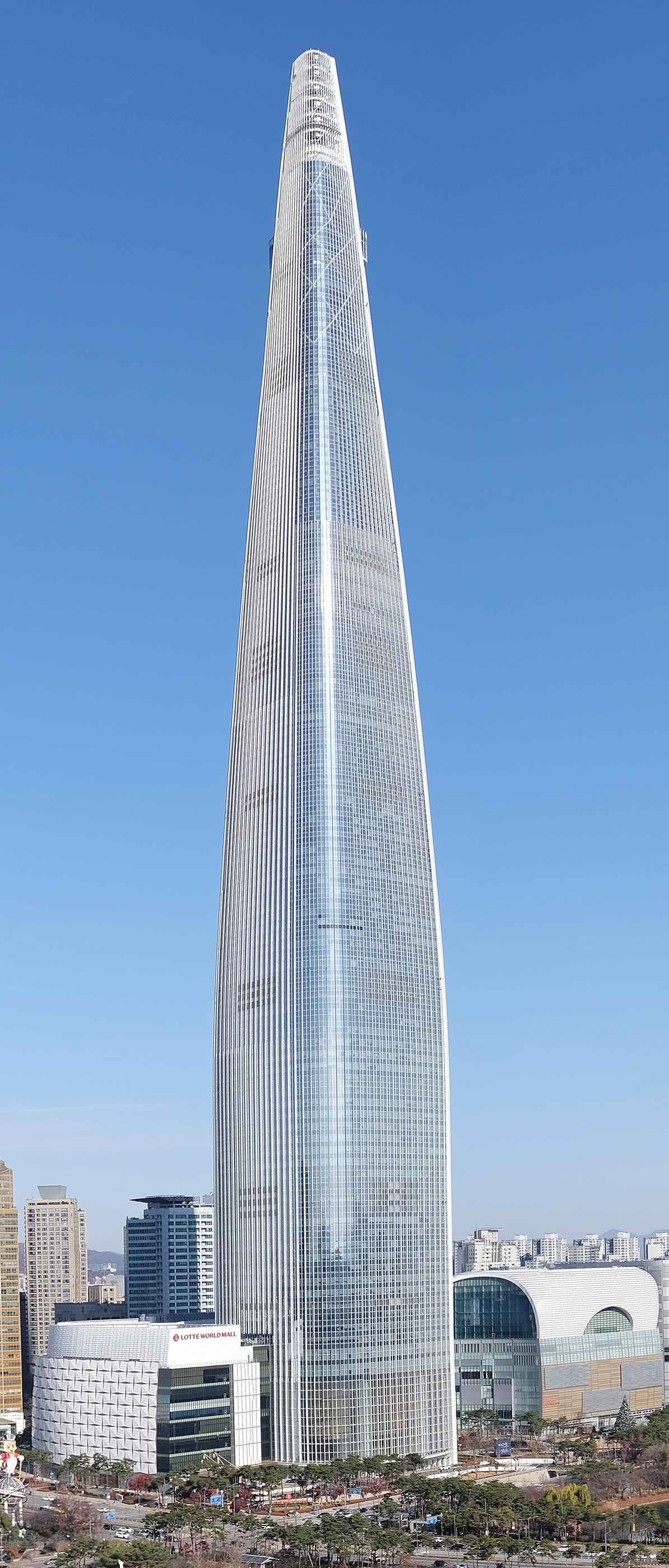
Lotte World Tower · kallerna / CC-BY-SA-4.0Cross the river to Gangnam, Seoul's glossy south-side district of skyscrapers, luxury boutiques, and K-pop agencies.
The tree-lined Garosu-gil in Sinsa is Gangnam's most walkable shopping street, packed with flagship stores and design-forward cafes. Grab a coffee and pastry and watch the fashionable crowd; around 6,000-9,000 won.
Find calm at Bongeunsa, a working Buddhist temple that sits improbably across from the COEX mall, its wooden halls dwarfed by glass towers.
A 1,200-year-old temple complex with a giant standing Maitreya Buddha statue and incense-scented halls, offering a striking contrast against Gangnam's skyline. Free to enter; templestay and tea programs available. A serene start to the day.
Inside the vast COEX Mall, this soaring open-air library with two-story bookshelves is one of Seoul's most photographed public spaces. Free to visit and a good rainy-hour backup.
Eat inside or around COEX, or head toward the Lotte World Tower complex.
The mall's food courts and restaurants cover Korean, Japanese, and Western options at a range of prices, handy and air-conditioned. Expect 10,000-20,000 won for a solid meal.
Head to Jamsil for Lotte World Tower, one of the tallest buildings on earth, and its Seoul Sky observatory.
At 555 meters, this is Korea's tallest tower; the Seoul Sky observatory on floors 117-123 has glass floors and sweeping views over the Han River and the whole metropolis. Tickets around 29,000 won; go on a clear day and consider late afternoon for sunset.
Families or thrill-seekers can spend the afternoon at Lotte World, the huge indoor-outdoor amusement park at the tower's base, with rides, an ice rink, and a folk museum. Day passes around 62,000 won.
Dinner in Gangnam ranges from upscale to lively. Choose your vibe.
Around Seokchon Lake near the tower are relaxed restaurants and cafes; a Korean barbecue or naengmyeon (cold noodles) spot makes an easy, satisfying dinner for 18,000-30,000 won.
For a splurge, Gangnam and Cheongdam host some of Seoul's best fine dining and modern Korean tasting menus. Book ahead for the higher-end rooms; budget 80,000 won and up per person.
Day Trip: Nami Island & the Garden of Morning Calm
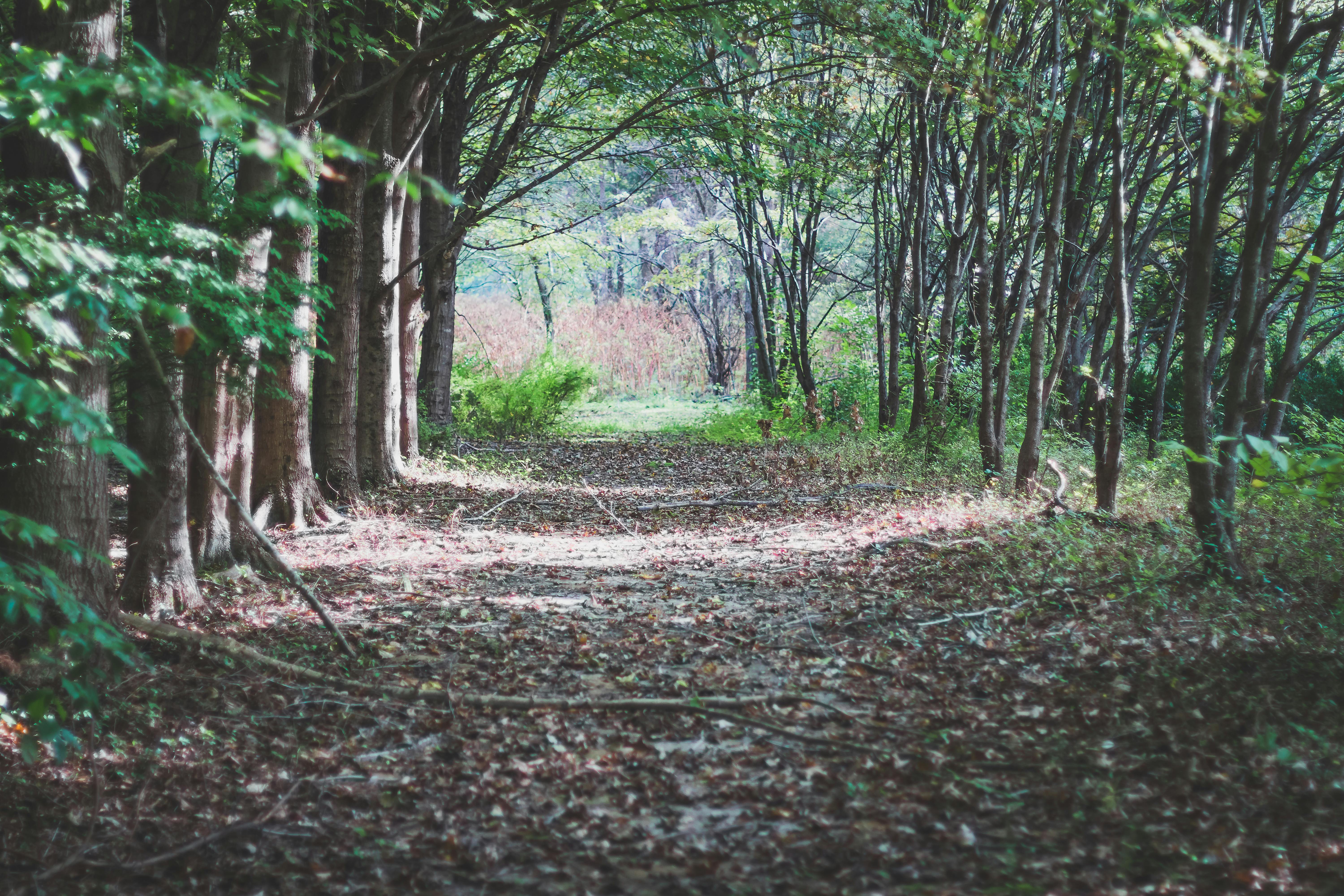
Sunlit wooden pathway leading through a lush green forest, ideal for nature lovers. · Photo by Michael Morse on PexelsEscape the city for a day among the tree-lined lanes of Nami Island and the landscaped grounds outside Seoul. A guided day trip is the simplest way to combine sights that are awkward to reach independently; many also include Petite France or Mt. Seorak options.
A classic long day trip pairing the half-moon-shaped Nami Island (famous for its metasequoia avenue and autumn colors) with the manicured Garden of Morning Calm and, on some itineraries, the granite peaks of Mt. Seorak. Includes transport and guide; around 14 hours. From about $95.
You'll get back to Seoul in the evening, likely tired; eat close to your hotel.
Keep it easy with a bowl of kimchi-jjigae or a plate of bulgogi at any restaurant near your base. Comfort food after a long day on the road; around 10,000-16,000 won.

Markets & a Korean Cooking Class
Gwangjang Market · Bgag / CC0A hands-on food day. Start light so you have room for the tastings ahead.
Grab a quick coffee and a piece of egg bread from a stall or a small cafe near the market before diving into the day's eating. Around 4,000-6,000 won.
Join a Korean home cooking class that begins with a market walk, learning to shop for and cook the dishes you've been eating all week.
Shop a traditional market with your host, then cook a full Korean meal (think bulgogi, kimchi, and pancakes) in a cozy home kitchen and eat what you make. Small groups, warm hosts, and one of the top-rated food experiences in Seoul. From about $94.
The cooking class usually includes the meal you prepare, so lunch is covered. If you skip the class, Gwangjang Market is the play.
Seoul's most famous traditional food market, where grandmothers grind mung beans into sizzling bindaetteok pancakes and serve mayak ('addictive') gimbap and steaming tteokbokki. Sit at a communal counter and graze for 10,000-20,000 won total.
Walk it off along the Cheonggyecheon, the restored stream that threads through downtown, or explore the vast Dongdaemun market complex.
A sunken pedestrian stream running 11 km through central Seoul, with stepping stones, waterfalls, and public art. A cool, quiet escape from the traffic above; free and lovely at any hour.
Zaha Hadid's flowing, silver DDP is a landmark of contemporary architecture surrounded by 24-hour wholesale fashion malls. Explore the exhibitions or just admire the curves; free to walk around.
If you'd rather have a guide reveal the city's food secrets, tonight's a great night for a food tour.
A guided evening crawl through market alleys and backstreets with all food and drinks included, sampling a wide range of Korean classics with local context. Consistently rated near-perfect. From about $73.
A small-group walk through hidden alleyways with 8-plus tastings and a local guide sharing stories behind each dish. A relaxed, generous introduction to Seoul's food culture. From about $98.
If you're not on a food tour, keep dinner casual and local.
The retro Euljiro district hides old-school noodle houses, hof beer bars, and jeon (savory pancake) spots beloved by locals and young creatives alike. Wander and pick a busy one; 12,000-20,000 won a head.

Itaewon, the War Memorial & Yongsan
War Memorial of Korea · *Youngjin / CC BY-SA 4.0Head to Yongsan and Itaewon, Seoul's most international districts, historically shaped by the nearby former US army base.
The upscale Hannam-dong area has some of Seoul's best-designed cafes and bakeries. Grab a coffee and a pastry before the day's sights; around 6,000-9,000 won.
Spend the morning at the excellent, free War Memorial of Korea, essential context for the DMZ you saw earlier.
A sweeping, well-curated museum tracing Korea's military history with a focus on the Korean War, plus a large outdoor display of aircraft, tanks, and ships kids love. Free admission; closed Mondays. Allow at least two hours.
Itaewon is the place for a break from Korean food, with the city's widest range of global cuisine.
From Middle Eastern and Indian to Mexican and proper Western brunch, Itaewon's main drag has it all. A good chance to reset the palate; most places 12,000-22,000 won.
A beloved Korean-Mexican spot famous for kimchi carnitas fries and galbi tacos, with a fun, buzzy room. A fusion crowd-pleaser; around 15,000-25,000 won per person.
Explore the design museums and hillside boutiques of the Hannam and Itaewon area, or ride up to a leafy park.
Samsung's flagship art museum in Hannam-dong pairs traditional Korean art with contemporary works in buildings by Rem Koolhaas, Mario Botta, and Jean Nouvel. A refined afternoon; general galleries are often free, special exhibitions ticketed. Closed Mondays.
These sloping lanes above Itaewon are full of indie cafes, boutiques, and rooftop bars with skyline views, popular with Seoul's creative crowd. A pleasant browse-and-photograph wander.
Itaewon and Gyeongridan have some of the city's best bars and rooftops for a sundowner.
Several rooftops here look out toward N Seoul Tower on the ridge above. Grab a craft beer or cocktail at golden hour; drinks around 10,000-16,000 won.
For dinner, go back to Korean barbecue done at a higher level, or try the neighborhood's diverse tables.
A well-regarded upscale Korean barbecue restaurant in Itaewon serving quality pork and beef with attentive grilling service and a comfortable room. Around 30,000-50,000 won per person.
For a change of pace, Hannam-dong's modern bistros and wine bars turn out inventive plates in stylish settings. Budget 40,000 won and up with drinks.

Seongsu-dong, Seoul Forest & the Han River
Seongsu-dong · CartoonChess / CC BY-SA 4.0Spend the day in Seongsu-dong, the former factory district reborn as Seoul's 'Brooklyn,' thick with cafes, concept stores, and pop-ups.
Seongsu is Seoul's cafe capital. Center Coffee is a respected roaster; Daelim Changgo Gallery Column is a cavernous former warehouse turned cafe-gallery. Either makes a stylish, caffeinated start for around 6,000-9,000 won.
Wander Seongsu's warehouse-conversion boutiques and flagship brand spaces, then walk into leafy Seoul Forest.
Old shoe factories and brick warehouses now house design shops, flagship stores, and rotating pop-ups. Great for browsing Korean fashion and homeware and spotting the city's latest trends.
A big, relaxed riverside park with deer enclosures, wetlands, and wide lawns, popular with families and picnickers. A green breather between the shops and the river; free.
Eat among the crowd of young Seoulites in Seongsu.
The district is full of buzzy spots doing everything from handmade pasta and burgers to elevated Korean plates. Follow the queues; most mains land at 13,000-22,000 won.
Head to the Han River for the afternoon, the giant recreational spine of the city, best enjoyed by bike or on the grass.
Rent a public bike (Ttareungi) and cruise the riverside paths, or just sprawl on the lawns and watch Seoul relax. Bike rental is cheap (around 1,000 won to start); this is where locals unwind.
A short sightseeing cruise from a riverside dock gives a different angle on the bridges and skyline, especially near sunset when the Banpo Bridge fountain can play. Tickets around 16,000 won.
As the light fades, do as Seoul does and picnic by the river with convenience-store snacks and delivered fried chicken.
Order chicken to a riverside spot (many shops deliver to the park), spread a mat, and watch the bridge lights. A quintessential warm-evening Seoul ritual for the cost of your snacks.
For dinner, choose the picnic route above or a proper meal back in Seongsu.
The area's grill houses and hot-pot spots are excellent, drawing a young crowd well into the evening. Expect 20,000-35,000 won per person.
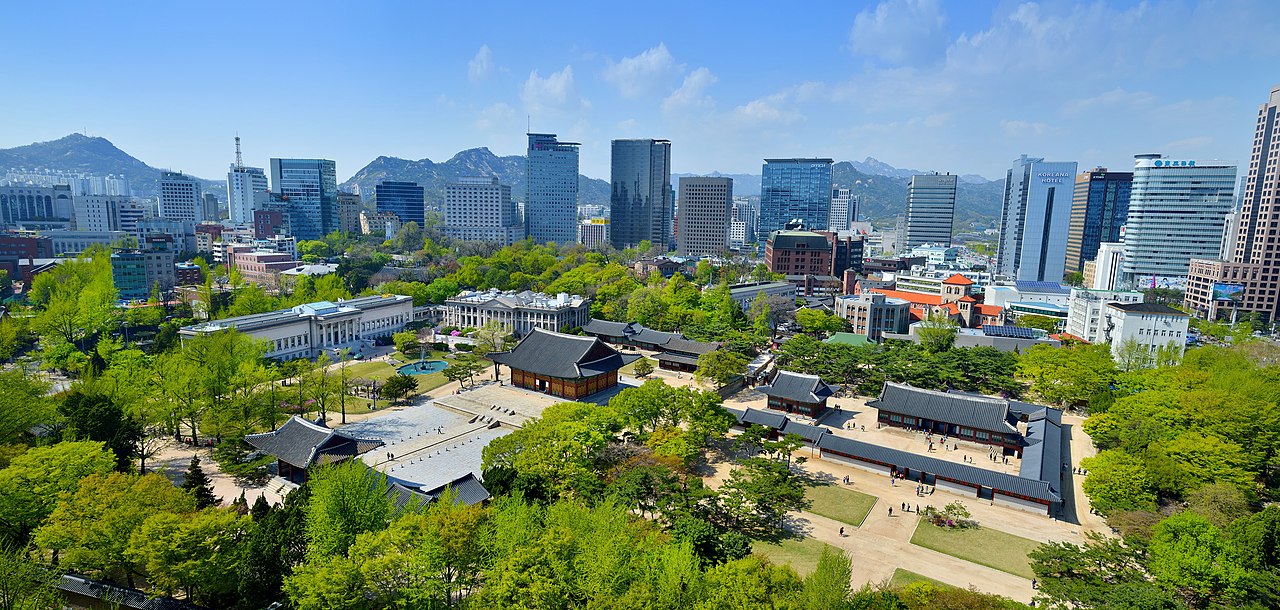
Deoksugung, Seochon & Last-Day Shopping
Deoksugung · 문화재청 / KOGL Type 1A flexible day to catch anything you've missed and shop for gifts. Start downtown near City Hall.
The old-town Seochon neighborhood west of Gyeongbokgung has lovely low-key cafes in traditional houses. A gentle morning coffee before a relaxed final full day; around 5,000-8,000 won.
Visit Deoksugung, the smallest and most unusual palace, blending Korean halls with Western-style stone buildings, then stroll its famous stone-wall road.
A compact palace by City Hall with a Western-style neoclassical hall, a guard-changing ceremony, and the romantic tree-lined Deoksugung-gil stone-wall path beside it. Admission about 1,000 won; closed Mondays.
The quiet hanok lanes of Seochon, once home to poets and painters, are full of small galleries, artisan shops, and old shops. A relaxed alternative if you'd rather skip another palace.
Eat a memorable lunch downtown, whether a Seoul classic or something you loved earlier and want again.
A downtown institution famous for kongguksu (chilled soybean noodle soup) in summer and comforting bulgogi year-round. Simple, excellent, and a favorite of Seoul office workers; around 12,000-18,000 won.
If you want one more market meal, Namdaemun Market's alleys serve galchi (hairtail) stew, hotteok, and kalguksu at communal counters for a few thousand won. Cheap, chaotic, delicious.
Devote the afternoon to souvenir shopping across Seoul's best markets and stores before your last night.
Korea's largest traditional market, a sprawling maze of stalls selling everything from ginseng and dried seafood to kitchenware, clothing, and cheap accessories. The place for last-minute gifts and haggling.
Stock up on Korean skincare, snacks (honey butter chips, seaweed, Pepero), and beauty products in Myeongdong's flagship stores. Many offer tax-free shopping for tourists; bring your passport.
Toast your last night with a skyline view or a lively drink.
Revisit the N Seoul Tower area for a farewell view, or find a rooftop bar downtown to see the city lit up one more time. Cocktails around 12,000-18,000 won.
Make your final dinner count with a celebratory Korean feast.
A renowned premium hanwoo beef barbecue restaurant, ideal for a splurge finale with top-grade Korean beef and polished service. Budget 60,000 won and up per person.
For a fine-dining send-off, Seoul's modern Korean tables reinterpret tradition beautifully. Reserve well ahead; tasting menus from around 150,000 won at the top end, with more moderate contemporary bistros available too.

Last Morning & Departure
Insa-dong · S h y numis / CC BY-SA 4.0A gentle final morning before heading to the airport. Enjoy one last proper Seoul coffee and pastry.
Round off the trip with a pastry and coffee at Onion's hanok courtyard or a bakery near your hotel. Around 5,000-8,000 won.
Take a short, easy stroll to say goodbye, then pack up. Keep it close to home so you're not rushed.
A last slow walk along the Cheonggyecheon stream or through a quiet corner of Bukchon is a fitting farewell to the city. Free and low-effort before you collect your bags.
If you still have gifts to buy, a nearby convenience store or a quick Myeongdong sweep covers Korean snacks and skincare. Keep an eye on the clock.
Grab a quick early lunch, then head for Incheon. Allow plenty of buffer for international departures.
A simple final Korean meal, a fresh gimbap roll or a bibimbap, is easy and quick before you travel. Around 6,000-12,000 won.
The AREX express train from Seoul Station reaches Incheon in about 43 minutes; airport limousine buses and taxis are alternatives. Aim to arrive about three hours before an international flight.
Pick your base
For a first long stay, base in Myeongdong or Jongno/Insadong: both are central, walkable to the palaces, and sit on major subway lines. Myeongdong is the classic first-timer choice for shopping, food, and airport-bus access; Insadong and Ikseon-dong are quieter and full of traditional character. Hongdae suits younger travelers who want nightlife and indie cafes, while Gangnam and Jamsil are polished, modern, and handy for families visiting Lotte World.
A polished, well-run hotel in Jamsil connected directly to Lotte World theme park, an aquarium, and the Lotte Department Store, with a subway station downstairs. Great value for families and anyone who wants malls, parks, and the Han River close at hand.
A clean, modern, design-minded budget hotel near Dongdaemun with easy subway access to the palaces and markets. A smart pick if you want a central base without splurging.
A friendly, sociable hostel in the Hongdae/Sinchon university zone, walkable to indie cafes and nightlife, with dorm and private-room options. Ideal for solo travelers and those keeping costs down.
Seoul's most iconic grand hotel, set on a green hillside above Dongdaemun with a famous spa, superb restaurants, and impeccable service. The splurge choice if you want a landmark address.
For groups or longer stays, a serviced apartment or hanok-style rental in central Seoul gives you a kitchen and more space near the palaces and markets.
Good to know
How many days do you need in Seoul?
Four to five days cover Seoul's headline sights (the palaces, N Seoul Tower, a market, and the DMZ), but the city rewards longer stays. With 10-12 days you can add neighborhood exploring, day trips to Nami Island or the countryside, a cooking class, and downtime, seeing Seoul the way locals actually experience it.
What is the best area to stay in Seoul for first-time visitors?
Myeongdong and the Jongno/Insadong area are the best bases for first-timers: both are central, walkable to the main palaces and markets, and well connected by subway and airport buses. Hongdae suits younger travelers wanting nightlife, while Gangnam and Jamsil are polished, modern, and convenient for families visiting Lotte World.
Do you need to book a tour to visit the DMZ from Seoul?
Yes. The Demilitarized Zone on the North Korean border cannot be visited independently; you must join an authorized guided tour, which handles transport and access to sites like the 3rd Infiltration Tunnel and Dora Observatory. Bring your passport, book at least a few days ahead, and note many tours do not run on Mondays or certain holidays.
What is the best time of year to visit Seoul?
Spring (April to May, with cherry blossoms) and autumn (late September to early November, with foliage) are the most pleasant seasons, offering mild weather and clear skies. Summer is hot and humid with a rainy monsoon around July, while winters are cold but dry and atmospheric, and can be a great time for spas and quieter sights.
How do you get around Seoul?
Seoul's subway is clean, cheap, extensive, and signposted in English, making it the easiest way to get around; buy a rechargeable T-money card at any convenience store or station to tap on subways, buses, and many taxis. Taxis are affordable and plentiful, and central districts are very walkable.
Is Seoul expensive to visit?
Seoul is moderately priced and often cheaper than major Western capitals. Street food and market meals cost a few thousand won, subway rides are around 1,400 won, and many top sights (palaces around 1,000-3,000 won, the War Memorial free) are inexpensive; costs rise mainly with fine dining, upscale hotels, and shopping.
Twelve days give you the rare luxury of knowing Seoul rather than just seeing it: royal palaces and temple courtyards, the sobering border at the DMZ, cafe-hopping in Seongsu and Yeonnam, late nights in Hongdae, and enough market meals to eat your way through the whole Korean pantry. Move at an unhurried pace, ride the excellent subway, and leave room to follow your nose down an alley. You'll leave already planning the return trip.