
12 Days in Japan: Tokyo, Sendai, and Kanazawa Itinerary for Kanto, Tohoku & Chubu
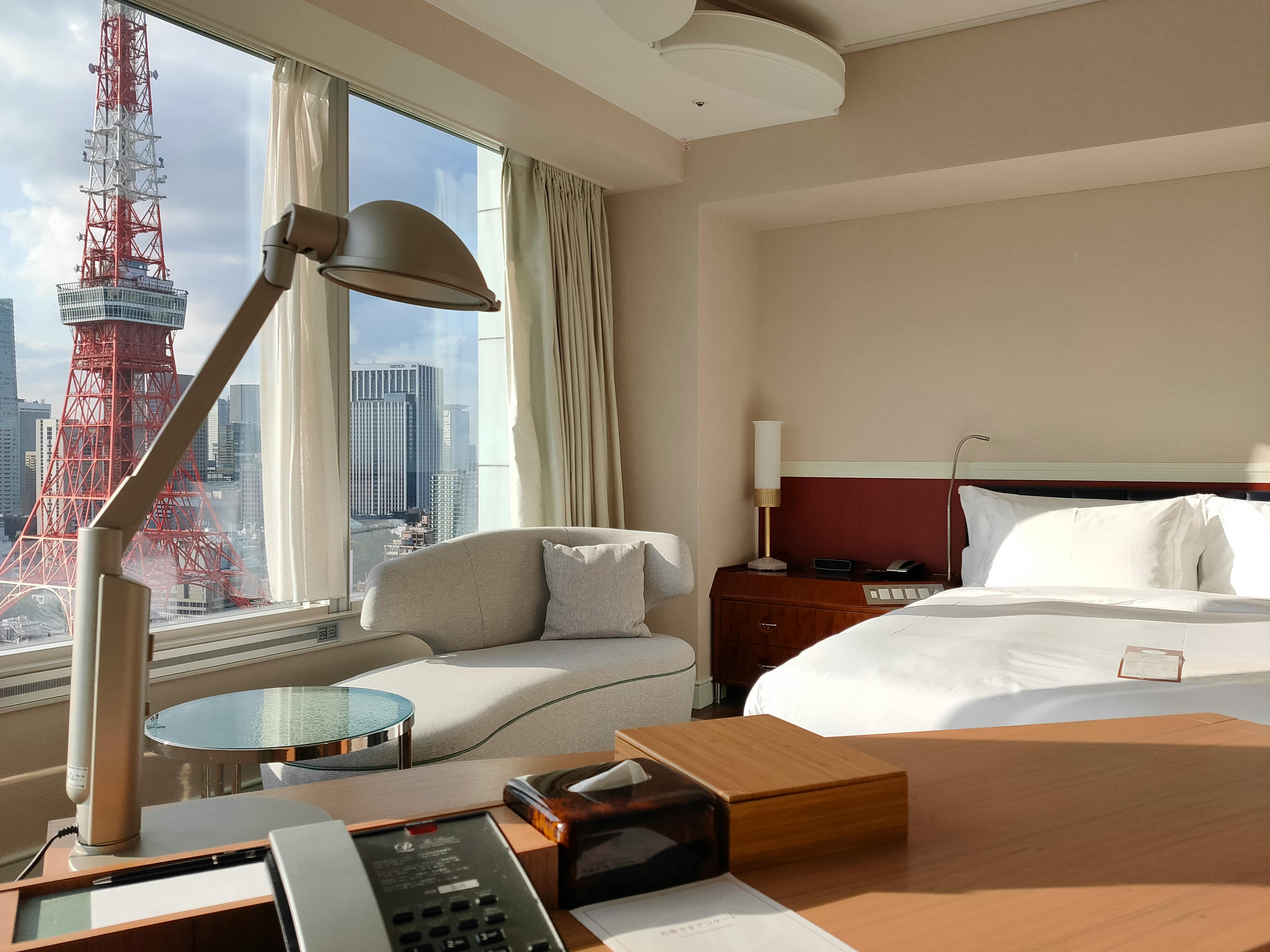
Welcome to a 12-day Japan itinerary through Kanto, Tohoku, and Chubu—three regions that tell the country’s story from Edo-period castles to cutting-edge cityscapes. You’ll start and end in Tokyo, loop north to Sendai for coastal temples and cedar-shaded avenues, then arc west to Kanazawa for samurai lanes, artisan studios, and garden perfection.
Travel dates of May 25–June 5 land you in sweet-spot weather: warm days, hydrangeas budding, and—near trip’s end—the first whispers of rainy season, ideal for misty gardens and hot springs. Expect fabulous seasonal menus: young bamboo shoots, early summer vegetables, silky sea urchin, and briny oysters along the coast.
Getting around is effortless with the Shinkansen. Book long-distance trains and domestic flights on Trip.com Trains and international flights on Trip.com Flights or Kiwi.com. Pick up a Suica/PASMO IC card (or Welcome Suica for visitors) for subways and convenience stores; carry a small umbrella and light rain jacket.
Tokyo
Tokyo, once Edo, balances shrine quiet with skyline bravado. Wander from Meiji Jingu’s cypress forest to Shibuya Crossing’s kinetic theater, then slip into lantern-lit alleys for yakitori smoke and sake chatter. Late May brings mellow evenings, perfect for river breezes along Sumida or rooftop city views.
Base near Shinjuku/Shibuya for nightlife and transport, or Asakusa/Yanaka for old-town vibes. First-time visitors love a highlight tour and a Fuji/Hakone day—both easy adds below.
Days 1–4: Tokyo & Kanto Highlights
- Core sights: Asakusa’s Sensō-ji and Nakamise arcade for crafts and ningyō-yaki; Ueno Park’s museums; Meiji Jingu; Omotesandō’s modern architecture; Shibuya Sky for sunset over the city; Odaiba night views and teamLab Borderless at Azabudai Hills for immersive digital art.
- Neighborhood strolls: Yanaka Ginza’s “shitamachi” nostalgia; Daikanyama and Nakameguro for design boutiques and canal-side coffee; Kagurazaka for stone lanes and kaiseki.
- Day trip option: Hakone and Mt. Fuji for lake vistas, ropeway vents, and onsen breaks (tour below). Alternatively, Kamakura’s Great Buddha and seaside temples if you prefer coastal Kanto history.
Featured experiences (Tokyo):
Mt Fuji and Hakone 1-Day Bus Tour Return by Bullet Train

Tokyo Panoramic 1 Day: Meiji Shrine, Asakusa, Odaiba and SKYTREE®

Eat & drink (Tokyo):
- Coffee/breakfast: Glitch Coffee (Kanda) for light-roast precision; Onibus (Nakameguro) for canal-side espresso; Path (Yoyogi-Uehara) for the famed Dutch pancake and bacon.
- Lunch ideas: Tsukiji Outer Market—try kaisendon at Yamato or grilled scallops on a stick; Tonkatsu Maisen (Aoyama) for melt-in-mouth pork cutlets; Afuri (Harajuku) for yuzu-shio ramen brightness.
- Dinner: Ebisu Yokocho’s cluster of tiny izakaya for skewers and sake; Kagurazaka Ishikawa-style kaiseki alternatives like Kyourakutei for handmade soba and tempura; Sangenjaya’s back-alley tachinomi (stand bars) for a local nightcap.
- Sweet stops: Fruit sandwiches at Nihonbashi Sembikiya; seasonal wagashi near Asakusa’s Kameju (queue moves fast).
Where to stay (Tokyo): Browse well-located stays on VRBO Tokyo and Hotels.com Tokyo. Aim for Shinjuku, Shibuya, or Ginza if you want easy transit and dining.
Getting there: Fly into HND or NRT via Trip.com Flights or Kiwi.com. For city trains and airport transfers, check Trip.com Trains.
Sendai (Tohoku)
Sendai, the “City of Trees,” was founded by one-eyed warlord Date Masamune, whose legacy still crowns the hill at Aoba Castle ruins. It’s your gateway to Matsushima Bay—pine-studded islets immortalized by poets—and to nearby hot springs.
Expect relaxed boulevards, excellent local sake, and a food scene famous for gyūtan (grilled beef tongue), zunda (sweet edamame paste), and pristine seafood from Sanriku waters.
Days 5–7: Sendai, Matsushima & Akiu
- City essentials: Zuihōden (Masamune’s ornate mausoleum), Aoba Castle ruins for city panoramas, and leafy Jōzenji-dōri for a café stroll. Pop into the Sendai City Museum to connect the dots.
- Matsushima Bay: Train 40 minutes to Matsushima-Kaigan for a bay cruise, Zuigan-ji temple’s cedar approach, and Godaido Hall’s vermilion bridges. Late afternoon light is magic on the islets.
- Onsen detour: Akiu Onsen’s riverside baths and the emerald chasm of Rairaikyō Gorge; or head to Naruko Onsen for lacquered kokeshi workshops and mineral-rich soaks if you want a deeper hot-spring day.
Eat & drink (Sendai):
- Breakfast: Sendai Asaichi (morning market) for onigiri, seasonal fruit, and tamagoyaki; pair with a pour-over at Cafe Mozart Atelier overlooking the Hirose River.
- Lunch: Gyūtan specialists like Umami Tasuke or Kisuke—order a set with barley rice, tail soup, and pickles; for seafood, hop to nearby Shiogama Fish Market for a DIY kaisendon (choose your toppings from vendors).
- Dinner: Try robata-style charcoal at Robata no Kumatarō; then explore Kokubuncho’s izakaya lanes—sample local sake like Urakasumi and Ichinokura.
- Sweets: Zunda mochi at Zunda Saryo; Hagi-no-Tsuki, a custard sponge beloved as a Sendai souvenir.
Where to stay (Sendai): Stay near Sendai Station (Aoba/Ichibancho) for easy rail access to Matsushima. Compare options on VRBO Sendai and Hotels.com Sendai.
Tokyo → Sendai (morning departure): Tōhoku Shinkansen Hayabusa from Tokyo Station to Sendai is about 1 hr 30 min; expect roughly ¥11,000–¥15,000 (~$80–110) one-way reserved. Book via Trip.com Trains.
Kanazawa (Chubu)
Kanazawa means “marsh of gold,” and you’ll see its gleam on temple roofs and edible gold-leaf soft serve. This castle town was spared wartime damage, preserving samurai quarters, wooden geisha teahouses, and one of Japan’s top three gardens, Kenrokuen.
It’s also a seafood capital: cold Toyama Bay currents bring sweet shrimp, snow crab (winter), and buttery yellowtail. In late spring, the markets bristle with uni and early summer catch.
Days 8–10: Gardens, Geisha Lanes & Crafts
- Kenrokuen & Castle Park: Stroll stone lanterns, arched bridges, and reflective ponds in the soft morning light; step across to Kanazawa Castle’s imposing gates and turrets.
- Historic districts: Higashi Chaya’s teahouses at dusk; peek into Shima Teahouse or try a tea tasting. Nagamachi’s samurai lanes hide earthen walls, narrow canals, and the Nomura-ke residence garden.
- Market & museums: Omicho Market for kaisendon and crab croquettes; the 21st Century Museum of Contemporary Art for playful installations; D.T. Suzuki Museum for Zen-bare serenity.
- Optional day outing: Shirakawa-go and Gokayama’s thatched gasshō-zukuri villages (UNESCO) or a hop to Takayama’s old town—best with an early bus and back by evening.
Featured experiences (Kanazawa):
Kanazawa Night Foodie Tour (Private Option Available)

Kanazawa Historical Garden Walking Tour with Local Guide

Eat & drink (Kanazawa):
- Coffee/breakfast: Curio Espresso & Vintage Design (Higashi Chaya) for third-wave coffee and toasties; HUM&Go (Korinbo) for granola bowls and flat whites.
- Lunch: Mori Mori Sushi (Omicho Market branch) for top-value conveyor-belt sushi; Kourin Sushi near the castle for nigiri omakase; sample gold-leaf soft serve at Hakuichi.
- Dinner: Itaru Honten for seasonal small plates and local sake; Fuwari for refined Ishikawa seafood and Kaga vegetables; end with a night stroll in Higashi Chaya for shamisen notes drifting from teahouses.
Where to stay (Kanazawa): For convenience choose near Kanazawa Station; for atmosphere choose Higashi Chaya or Nagamachi/Korinbo. Compare on VRBO Kanazawa and Hotels.com Kanazawa.
Sendai → Kanazawa (morning departure): Tōhoku Shinkansen to Ōmiya (~1 hr), transfer to Hokuriku Shinkansen Kagayaki to Kanazawa (~2 hr 30 min). Total ~3.5–4 hrs, about ¥20,000 (~$135). Reserve on Trip.com Trains.
Days 11–12: Return to Tokyo & Last Tastes
Ride the Hokuriku Shinkansen back to Tokyo (~2 hr 30–2 hr 50 min; ~¥14,000–15,000/$95–110 via Trip.com Trains). Save these hours for final favorites: a ramen pilgrimage, souvenir run, and one showstopping view.
- Final experiences: Nakameguro or Daikanyama for relaxed shopping; a late reservation at a sushi counter; or a twilight visit to Shibuya Sky before your flight.
- Farewell bites: Ramen Nagi (Golden Gai) for anchovy-rich broth; Udon Shin (Shinjuku) for freshly cut noodles; wagyu-focused izakaya in Ebisu for one last kanpai.
Kanazawa → Tokyo (morning departure): Hokuriku Shinkansen Kagayaki direct to Tokyo Station, then connect to your hotel or airport. For outbound flights, compare fares on Trip.com Flights or Kiwi.com.
Suggested 12-Day Flow (by blocks)
- Days 1–4 (Tokyo): Orientation tour, Asakusa/Meiji–Harajuku–Shibuya loop, Odaiba or teamLab, and one day to Mt. Fuji/Hakone.
- Day 5 (Transit AM)–7 (Sendai): Shinkansen to Sendai; city sights and food; Matsushima Bay cruise; Akiu or Naruko onsen.
- Day 8 (Transit AM)–10 (Kanazawa): Shinkansen to Kanazawa; Kenrokuen and castle; Higashi Chaya; Omicho Market; crafts or Shirakawa-go outing; evening foodie tour.
- Days 11–12 (Tokyo): Shinkansen back; shopping, museum or cafe-hopping; final skyline sunset and farewell dinner.
Practical notes: Most shops now take cards and IC, but small ramen counters may prefer cash. Many restaurants accept reservations via hotel concierge or in person. For rainy spells (early June), plan museum or market mornings and garden walks when showers ease—Kenrokuen and Meiji Jingu are gorgeous in drizzle.
With this route you’ll taste three Japans: futuristic Tokyo, coastal Tohoku serenity, and artisan-rich Chubu. From pine-dotted bays to gold-leaf alleys, your days are packed with culture, cuisine, and views you’ll replay long after wheels-up.