
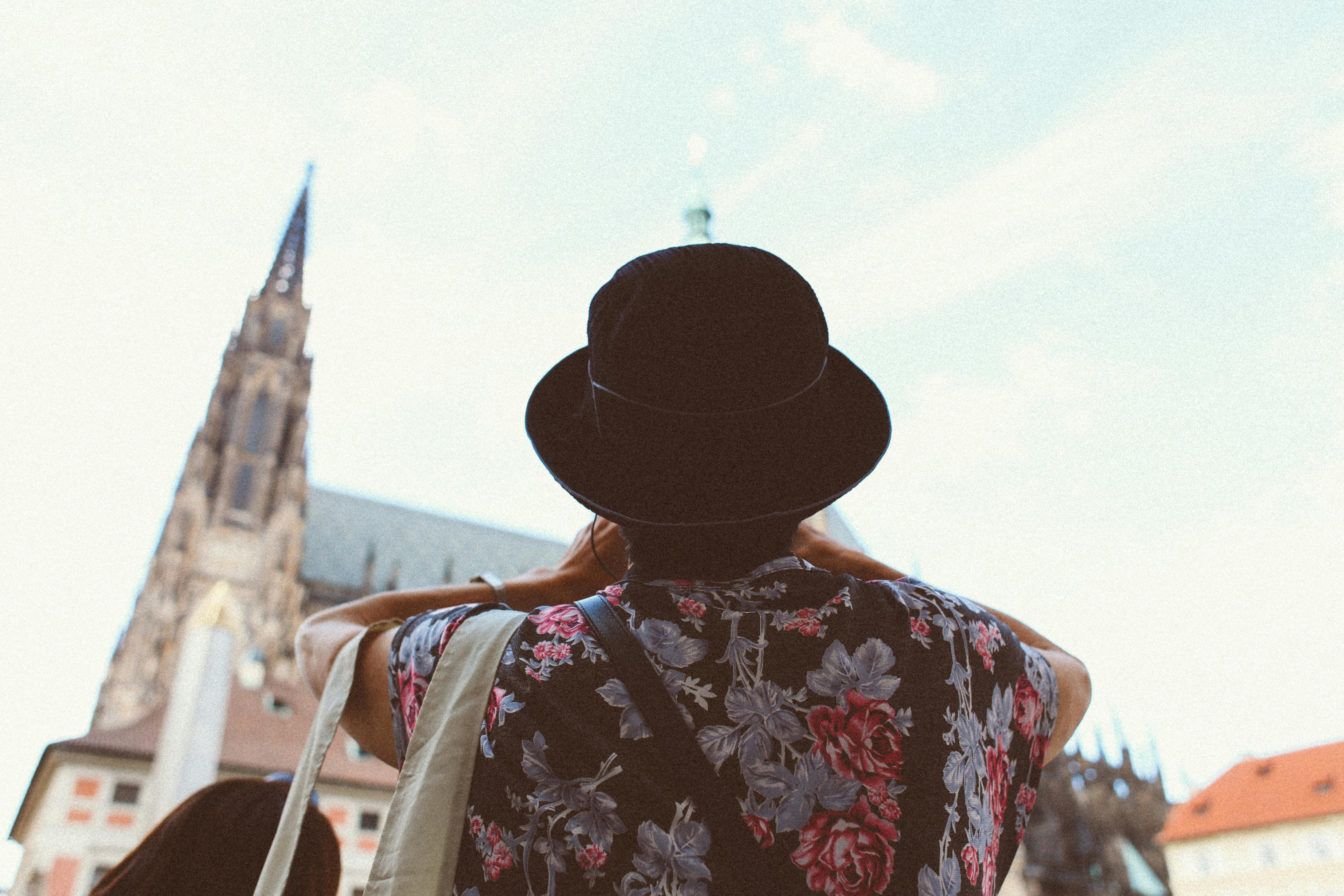
Europe rewards curiosity like few places on earth. In just 12 days, this itinerary threads together three cities that feel entirely distinct yet beautifully connected: Paris, where royal history and modern style share the same boulevards; Amsterdam, where merchant houses lean over calm canals; and Rome, where the ancient world still shapes daily life.
There is also a practical logic to this route. Paris and Amsterdam link efficiently by high-speed train, while a short flight from Amsterdam to Rome keeps the trip moving without wasting a full day in transit. The result is a classic first-time Europe itinerary with enough contrast to feel expansive, but not so many stops that you spend the holiday hauling bags through stations.
You will find world-famous museums, neighborhood markets, river and canal views, memorable breakfasts, serious coffee, and dinners worth planning around. As of March 2025, all recommendations below are current and viable, though timed-entry tickets for major sights such as the Louvre, Anne Frank House, the Colosseum, and Vatican Museums should be reserved well in advance; keep an eye on local transport strikes and standard pickpocket precautions in busy tourist zones.
Paris
Paris is the ideal opening act for a Europe trip because it offers immediate grandeur. The city reveals itself in layers: Roman roots, medieval lanes, Haussmann boulevards, Belle Époque cafés, and a contemporary food scene that is far more playful than its old stereotypes suggest.
It is also a city best enjoyed with rhythm rather than speed. Instead of trying to conquer every arrondissement, focus on a handful of great neighborhoods, allow time for long walks, and treat museums, markets, and meals as equal parts of the experience.
Stay: Browse central stays in the Marais, Saint-Germain-des-Prés, Opéra, or near the Canal Saint-Martin via VRBO Paris or Hotels.com Paris.
Getting there: For flights into Europe, compare options on Omio flights. If Paris is your first stop after arriving in Europe, plan airport-to-city transfer time of about 45 to 75 minutes depending on airport and traffic or rail choice.
Days 1-4: Classic Paris, Left Bank treasures, and neighborhood food culture
- Begin with the historic core: Walk Île de la Cité and the Seine embankments, then continue toward Notre-Dame’s exterior and the Latin Quarter. Even while restoration continues around the cathedral precinct, this area remains one of the clearest introductions to Parisian history, from medieval scholarship to revolutionary upheaval.
- Choose one major museum and one smaller one each day: Pair the Louvre with the Musée de l'Orangerie, or the Musée d'Orsay with the Rodin Museum. This is far more enjoyable than trying to race through every gallery; the Louvre is overwhelming by design, while Orsay’s Impressionist collection feels more intimate and narratively satisfying.
- Do not skip a Seine-side evening: A twilight walk from Pont Neuf toward the Eiffel Tower area gives you the city at its most cinematic. The hour around sunset is when Paris softens; façades glow, riverboats slide past, and the scale of the city becomes easier to absorb.
Breakfast and coffee: Start with French staples done properly. In the Marais, Carette Place des Vosges is a polished classic for hot chocolate, buttery viennoiseries, and a breakfast with one of the prettiest square views in Paris. For serious coffee, Ten Belles remains a strong choice, especially if you like specialty roasts and a more local, Canal Saint-Martin feel than the postcard-center cafés.
Another excellent morning option: Kozy Bosquet near the Eiffel Tower side of town serves generous brunch-style plates, good espresso, and crowd-pleasing breakfasts if you want a break from the sweet-heavy French start to the day. If you prefer a classic bakery run, stop at Du Pain et des Idées for one of Paris’s best escargot pastries; it is not a sit-down breakfast in the old café sense, but it is absolutely worth the detour.
Lunch ideas: L’As du Fallafel on Rue des Rosiers is famous for a reason, with stuffed pita sandwiches that make for a fast and flavorful Marais lunch, though going early helps avoid the longest lines. For something more old-Paris in mood, Bouillon Chartier offers traditional French dishes in a grand historic dining room, where the appeal is not only the price but the sense of dining inside a surviving piece of Belle Époque Paris.
Dinner recommendations: Le Comptoir du Relais is still one of the most reliable addresses for a rich bistro meal on the Left Bank, especially if you want the textbook Paris dinner experience of sharp technique, seasonal produce, and tightly packed tables. For a more contemporary and energetic evening, Frenchie remains a coveted reservation, known for thoughtful small plates and a wine list that rewards curiosity.
Neighborhood gems: Explore the covered passages near Grands Boulevards, especially Galerie Vivienne, for a quieter view of 19th-century Paris. If weather is kind, spend part of an afternoon in the Jardin du Luxembourg; it is not merely a pretty park but one of the best places to watch daily Parisian life unfold across chess tables, promenades, and green chairs around the fountain.
Optional evening idea: Montmartre after the day-tripper rush is far better than Montmartre at noon. Climb toward Sacré-Cœur, then drift downhill through side streets for a more atmospheric glimpse of the quarter that once drew artists, cabarets, and restless bohemian ambition.
Travel to Amsterdam
Take a morning high-speed train from Paris to Amsterdam. The journey is typically about 3 hours 20 minutes to 3 hours 30 minutes on direct or near-direct service, and fares often range from about $45 to $170 depending on how early you book and class of service; compare rail schedules through Omio trains.
Train is strongly preferable here. City-center to city-center travel is faster in practice than flying once airport transfer and security time are included, and it turns the travel day into part of the experience rather than a logistical interruption.
Amsterdam
Amsterdam feels intimate after Paris, yet it is no less historically rich. Built on trade, water engineering, and extraordinary civic ambition, the city still wears its Golden Age wealth in gabled canal houses, but its real charm comes from scale: everything is close, walkable, and threaded together by water and bicycles.
It is also a city of moods. By day, museums and market streets command attention; by early evening, candlelit brown cafés, canal reflections, and softly lit bridges make Amsterdam feel like a painting learning how to move.
Stay: Look in the Canal Belt, Jordaan, Museumplein, or De Pijp via VRBO Amsterdam or Hotels.com Amsterdam.
Days 5-8: Canals, Dutch masters, and the best of local Amsterdam
- Anchor your visit with two major cultural stops: The Rijksmuseum and the Van Gogh Museum are the essential pairing. The Rijksmuseum gives you Dutch history through art, decorative objects, and empire-era storytelling, while Van Gogh’s collection is emotionally immediate and one of the most coherent single-artist museum experiences anywhere in Europe.
- Book Anne Frank House well in advance: This is one of the most affecting sites in the city, and tickets are limited. The power of the visit lies in its restraint; there is no theatricality, just a devastating clarity about ordinary spaces under extraordinary terror.
- Spend unstructured time in Jordaan and the Nine Streets: These are ideal areas for canal walks, independent shops, and slow café stops. Amsterdam reveals itself best when you leave room for bridges, houseboats, and side streets to become the attraction.
Breakfast and coffee: Bocca Coffee is a smart pick if coffee quality matters to you; it has long been one of the city’s benchmark specialty roasters. In De Pijp, Little Collins offers a bright, creative brunch with an Australian-influenced menu, excellent eggs, and flavors that feel fresh rather than formulaic.
Another excellent breakfast option: Scandinavian Embassy combines serious coffee with beautifully plated breakfast dishes and a calm, design-forward atmosphere. If you want something easier and more local-feeling before museum time, a bakery stop for warm pastries and coffee in Jordaan can be every bit as satisfying as a full sit-down meal.
Lunch recommendations: Foodhallen works well if you want variety without sacrificing quality; it is a food market where you can mix Dutch bites, dim sum, tacos, and craft beer under one roof. For a more classic local snack, seek out good herring or kibbeling from a respected fish stand; it is one of the simplest ways to taste Amsterdam’s maritime culinary heritage.
Dinner recommendations: Moeders is a fun and affectionate introduction to Dutch comfort food, especially stamppot and slow-cooked meat dishes, in an interior filled with family photographs that underline the restaurant’s homemade spirit. If you want Indonesian food, which is one of Amsterdam’s great culinary pleasures thanks to the Netherlands’ colonial history, Restaurant Blauw is a dependable choice for a rijsttafel, the many-dish feast that lets you sample spice, sweetness, peanuts, sambal, and stews in one sitting.
More evening options: For a memorable canal-side setting, book a table at Café de Klepel or settle into a traditional brown café for Dutch beer and bitterballen. These brown cafés matter because they are living social institutions: dark wood interiors, low lighting, neighborhood regulars, and a style of conviviality that predates modern nightlife branding by generations.
Local gems: Visit the Albert Cuyp Market in De Pijp for stroopwafels made hot to order and a more everyday cross-section of the city. If you want a quieter museum beyond the big names, try Museum Het Rembrandthuis, where the house setting makes Rembrandt feel less like a monument and more like a working artist with debts, students, ambitions, and a complicated domestic life.
Special experience worth considering: Take an evening canal cruise, ideally one that is small-scale rather than a large party boat. Amsterdam’s canal ring is a UNESCO World Heritage site, and seeing the 17th-century merchant city from water makes the urban design immediately legible in a way walking cannot quite match.
Travel to Rome
Take a morning flight from Amsterdam to Rome. Nonstop flight time is usually about 2 hours 10 minutes to 2 hours 30 minutes, with total transit closer to 5 to 6 hours once airport transfers and check-in are included; fares often range from roughly $90 to $260 depending on season, baggage, and booking window. Compare options through Omio flights.
On arrival in Rome, staying central pays off. Traffic can be slow, so a hotel or apartment within walking distance of major historic areas saves both time and patience.
Rome
Rome is the proper finale because it feels like several civilizations stacked in one place. Imperial ruins, early Christian churches, Renaissance palaces, Baroque fountains, and trattorias with recipes older than many nation-states all coexist in a city that is gloriously uneven, noisy, beautiful, and alive.
What makes Rome unforgettable is not only the Colosseum or the Vatican. It is the way a simple walk can pass a fragment of an ancient wall, a fountain by Bernini, a neighborhood espresso bar, and a dinner table where Romans have been ordering the same beloved pasta for decades.
Stay: Search in Centro Storico, Monti, Trastevere, or near the Pantheon via VRBO Rome or Hotels.com Rome.
Days 9-12: Ancient Rome, Vatican masterpieces, and trattoria evenings
- Dedicate one major block to ancient Rome: Book the Colosseum, Roman Forum, and Palatine Hill together. This is not just a checklist of ruins; it is the political and ceremonial heart of the ancient city, where triumphs, speeches, and imperial myth were staged.
- Reserve Vatican Museums and St. Peter’s area time separately: The Vatican Museums are vast, and the Sistine Chapel deserves patience rather than a rushed march. Consider an early entry if available, because crowd levels shape the experience dramatically.
- Leave generous walking time for the historic center: The Pantheon, Piazza Navona, Trevi Fountain, Campo de’ Fiori, and the Spanish Steps are best connected on foot. Rome’s center is a living museum, but one with espresso bars, elegant shops, and plenty of excuses to stop for gelato.
Breakfast and coffee: Romans tend to keep breakfast simple, which means this is the city to embrace the standing-bar ritual. Sant’Eustachio Il Caffè is famous for its rich espresso near the Pantheon, while Tazza d’Oro remains another classic contender for coffee pilgrims. If you want a fuller breakfast, Marigold Roma is a polished modern favorite with excellent pastries, bread, and more substantial plates.
Lunch recommendations: Near the historic center, Armando al Pantheon is one of the great traditional Roman addresses and a strong choice for a reservation lunch, especially for cacio e pepe, amatriciana, and dishes grounded in local culinary identity. In the Testaccio area, Flavio al Velavevodetto offers a more neighborhood-rooted Roman meal; the setting near Monte dei Cocci and the confidence of the kitchen make it a superb place to understand why Romans care so deeply about pasta technique.
Dinner recommendations: Da Enzo al 29 in Trastevere is hugely popular for a reason, serving Roman classics in a setting that still feels rooted in the district rather than created for it. Expect demand, but the carbonara and artichoke dishes justify the planning. For a more expansive trattoria experience, Roscioli Salumeria con Cucina is outstanding, combining deli culture, Roman cooking, wine expertise, and one of the most compelling bread-and-pasta programs in the city.
Sweet stops and evening pleasures: Have gelato at Otaleg or Gelateria del Teatro, both known for flavor clarity and craft rather than neon colors piled in theatrical mounds. End at Jerry Thomas Speakeasy if you want a sophisticated cocktail bar, or keep it more traditional with a late passeggiata, the Italian evening stroll, through lit piazzas and riverfront views.
Local gems: Spend time in Monti, where artisan shops, wine bars, and relaxed streets offer a counterpoint to the monumental center. If your schedule allows, the Galleria Borghese is one of Rome’s finest museum experiences, especially for Bernini’s sculptures, which seem to move and breathe in marble in a way that can make even museum skeptics stop short.
Practical note: Rome rewards early starts. Major sights are more pleasant in the morning, afternoons are ideal for long lunches or church interiors, and evenings belong to food, piazzas, and wandering.
This 12-day Europe itinerary gives you a strong first taste of the continent without turning the trip into a blur of stations and hotel check-ins. Paris, Amsterdam, and Rome deliver art, history, food, and atmosphere in three distinct registers, leaving you with a trip that feels generous, varied, and deeply memorable.