
12 Days in China: Beijing, Shanghai & Hong Kong Adventure Itinerary
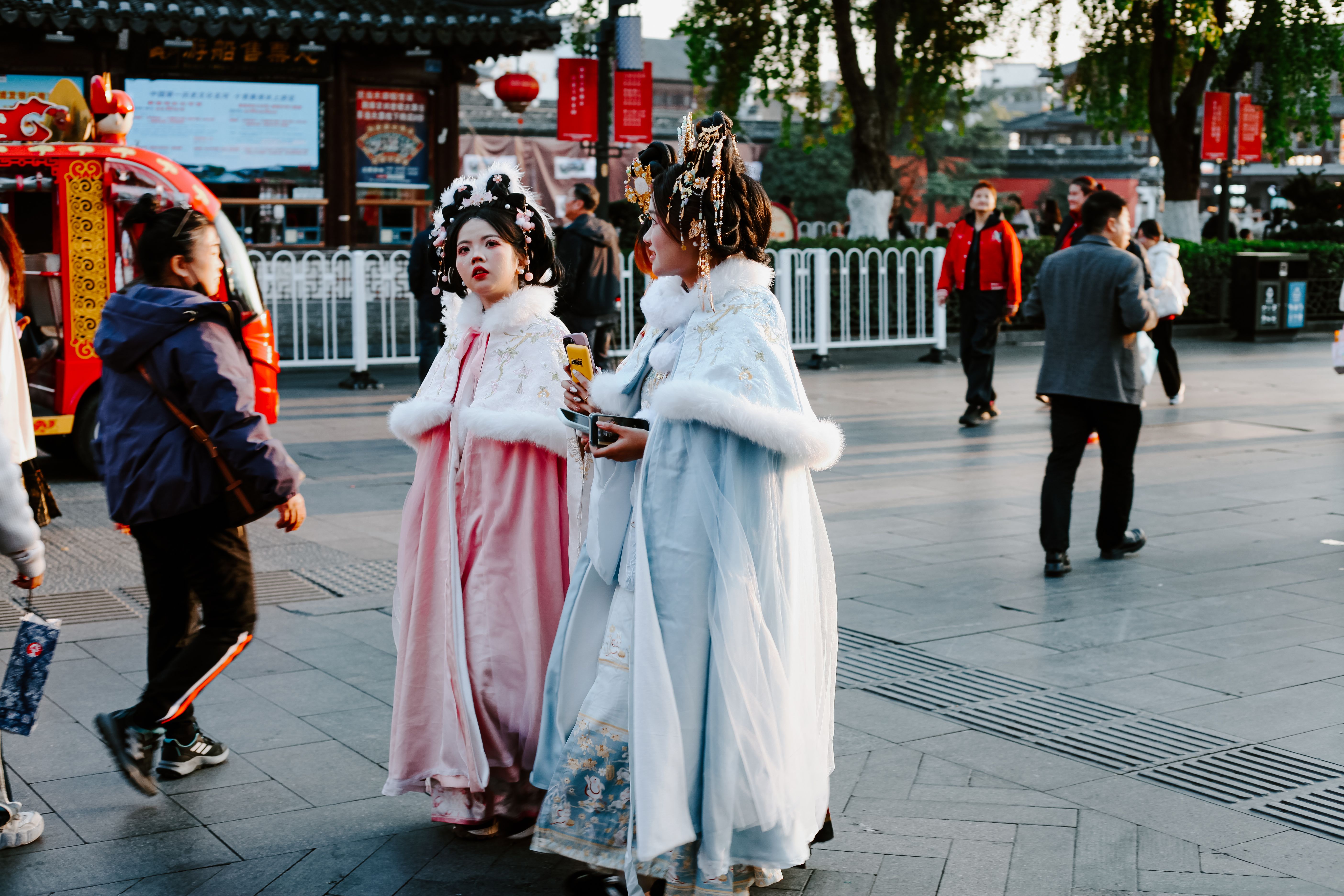
China rewards curiosity on a grand scale. In one 12-day trip, you can walk through the courtyards of emperors, eat soup dumplings in a lane that smells of sesame oil and steam, ride a train into one of the world’s most futuristic skylines, and end the journey beside subtropical water under Hong Kong’s towers. Few destinations can swing so confidently between antiquity and velocity.
For first-time visitors, Beijing, Shanghai, and Hong Kong make an excellent trio. Beijing gives you imperial history, museums, and the Great Wall; Shanghai brings art deco streets, serious food culture, and superb shopping; Hong Kong adds mountain-and-harbor drama, dim sum, markets, beaches, and one of Asia’s most cinematic skylines. This routing also makes practical sense for a 12-day itinerary, with strong flight and high-speed rail connections.
A few useful notes: carry your passport, check current entry requirements before departure, and expect mobile payment to dominate in many places, though major hotels and larger restaurants usually accept international cards. March and spring shoulder months are generally pleasant for sightseeing, but this itinerary works well across much of the year with seasonal adjustments. For a budget level around 35, I’ve leaned toward well-located mid-range stays, street-food gems, public transport, and a mix of guided highlights and independent exploring.
Beijing
Beijing is the China of history books and state pageantry: vast gates, axis-aligned palaces, incense drifting through temple courtyards, and broad avenues built for dynasties and revolutions alike. Yet it is also deeply atmospheric in its hutong lanes, where old courtyard neighborhoods still hide tiny cafés, skewers on charcoal grills, and shops selling calligraphy brushes, vinyl records, and old enamelware.
For an adventurous first stop, Beijing delivers your biggest historical punches early. It also satisfies the client’s interest in museums, unique activities, and food, with enough shopping and nightlife to keep evenings lively.
Days 1-4: Imperial Beijing, Hutongs & the Great Wall
Arrival and getting in: Search international flights into Beijing via Trip.com flights or Kiwi.com flights. From either Beijing Capital or Daxing, expect roughly 45-75 minutes into central districts depending on traffic and train connection; airport express and subway options are the cheapest, while a taxi is easier after a long-haul flight.
Where to stay: Budget-conscious travelers should look at 365 Inn Beijing for backpacker energy and a sociable base near historic neighborhoods. For a strong mid-range option, New World Beijing Hotel is especially convenient for Qianmen and central sights. You can also compare broader options on VRBO Beijing and Hotels.com Beijing.
Start with the ceremonial core: Tiananmen Square and the Forbidden City are not merely checklist sites; they explain how power was staged in imperial and modern China. The Forbidden City is immense, so going with a guide or at least pre-booked timed entry is wise. The sequencing of gates, courtyards, throne halls, and private palaces becomes far more vivid once someone points out the symbolism of roof colors, guardian beasts, and the geometry of authority.
- Beijing Full Day Tours: Tiananmen Sq, Forbidden City, Great Wall

Beijing Full Day Tours: Tiananmen Sq, Forbidden City, Great Wall on Viator
A strong value pick if you want three signature sites bundled efficiently. - Forbidden City&T-Square Small GroupTours w/ ticket(Eng/Esp Guide)

Forbidden City&T-Square Small GroupTours w/ ticket(Eng/Esp Guide) on Viator
Ideal if you prefer to pair the palace complex with a more focused historical walk.
The Great Wall day: Choose Mutianyu over busier sections if you want a more scenic and slightly less chaotic experience. The wall here snakes over wooded ridgelines, and the chairlift or cable car up, plus the tobaggon option down, gives the excursion a playful edge that fits an adventurous trip without turning the day into a hardcore hike.
- Beijing: Mutianyu Great Wall Chairlift Up & Down or Toboggan Down

Beijing: Mutianyu Great Wall Chairlift Up & Down or Toboggan Down on Viator
Excellent for travelers who want iconic views and an easy logistics setup. - Small Group Tour: Mutianyu Great Wall, Summer Palace & Bird Nest
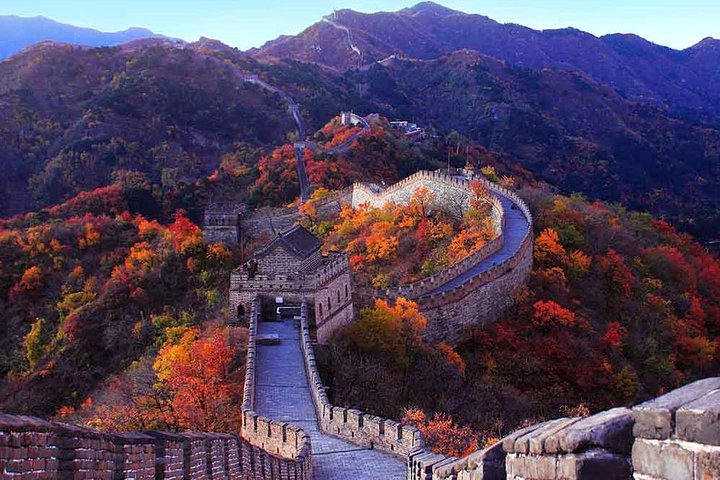
Small Group Tour: Mutianyu Great Wall, Summer Palace & Bird Nest on Viator
A smart option if you want to add lakeside imperial scenery and an Olympic-era contrast.
Museums and local texture: If time allows, spend part of an afternoon around Jingshan Park for the classic elevated view over the Forbidden City’s golden roofs, then dip into a hutong area such as Wudaoying or Nanluoguxiang for browsing. The National Museum of China is vast and serious, while the Capital Museum is a strong alternative if you want rich context without the same monumental scale.
Breakfast and coffee: Start one morning with jianbing from a local street stall, Beijing’s beloved savory crepe layered with egg, herbs, crisp cracker, and sauce. For coffee, seek out boutique spots in hutong neighborhoods where the draw is as much the setting as the cup; these lanes are perfect for a slow morning before major sightseeing. If you want something more substantial, hotel breakfast buffets in central Beijing often provide excellent value on heavy sightseeing days.
Lunch recommendations: Try a duck-focused lunch at a respected roast duck restaurant, where the ritual matters: lacquered skin sliced tableside, pancakes, scallion, cucumber, sweet bean sauce. For noodles, look for a local spot serving zhajiangmian, Beijing’s classic wheat noodles with savory soybean paste, crisp vegetables, and a satisfying salt-and-umami depth that contrasts beautifully with richer duck dinners.
Dinner recommendations: Reserve one evening for Peking duck, the city’s signature feast and a real piece of culinary history. Another night, go casual with hot pot or chuanr in a lively local district, where cumin-heavy lamb skewers, cold beer, and a little smoke in the air make the meal feel like part of the city rather than a performance for visitors.
Shopping and unique finds: Skip generic malls unless you need basics. Better choices are Panjiayuan for curios and antiques-inspired browsing, the hutong boutiques for stationery, ceramics, and design goods, and select food shops for tea, hawthorn sweets, and artisanal condiments that actually pack well.
Day 5: Morning train to Shanghai
Take a morning high-speed train from Beijing to Shanghai via Trip.com trains. The journey typically takes about 4.5-6 hours depending on service, and standard-class fares are often roughly in the US$80-US$115 range if booked in advance. Flying is faster gate-to-gate only on paper; in practice, the train is central-city to central-city and far less tiring.
Shanghai
Shanghai is China at full wattage. It is a city of riverfront grandeur, jazz-age facades, glossy towers, dumpling counters, plane trees in the former French Concession, and shopping streets where independent labels sit near old snack shops and monumental malls.
For this itinerary, Shanghai balances Beijing’s dynastic weight with urban play. It is ideal for food lovers, shoppers, museum-goers, and travelers who enjoy wandering neighborhoods where every block seems to switch centuries.
Days 5-8: Bund views, food trails, museums & modern Shanghai
Where to stay: For value and location, Campanile Shanghai Bund Hotel is a practical base. Shanghai Fish Inn Bund suits travelers who want character and easy access to the riverfront. You can also browse VRBO Shanghai and Hotels.com Shanghai for more apartments and hotels.
Your visual anchor: Walk the Bund early in the morning once and again after dark. In daylight, the historic riverfront reveals Shanghai’s treaty-port past in stone and copper; at night, Pudong’s towers throw the whole skyline into a kind of theatrical glow. It is touristy because it is genuinely magnificent.
Old and new in one sweep: Pair Yu Garden and its surrounding bazaar with a contrasting afternoon in Lujiazui or around the Shanghai Tower district. The old quarter gives you classical pavilions, rockeries, tea-house imagery, and crowded snack lanes; Pudong gives you the vertical ambition of contemporary China. That contrast is the city’s whole argument in miniature.
- 4-Hour Private Shanghai City Tour with Old and New Highlights

4-Hour Private Shanghai City Tour with Old and New Highlights on Viator
An efficient way to understand the city’s split personality: colonial-era facades and hypermodern ambition. - Authentic Local Food Tour in Central Shanghai

Authentic Local Food Tour in Central Shanghai on Viator
Especially well suited to a foodie traveler; this helps you decode local dishes beyond the obvious soup dumpling stop.
Museums and culture: The Shanghai Museum remains one of the country’s finest for bronzes, ceramics, and classical Chinese art. The Power Station of Art is a rewarding contemporary counterpoint if you want something more experimental. For a neighborhood with culture and shopping folded together, the Former French Concession is hard to beat: elegant streets, low-rise architecture, independent boutiques, and café life that invites long, unhurried detours.
Breakfast and coffee: Shanghai mornings call for xiaolongbao, shengjian bao, or warm soy milk with youtiao. Pick a local specialist for soup dumplings rather than a random all-day café; freshness matters. For coffee, the city is one of Asia’s best for specialty cafés, especially around Anfu Road, Wukang Road, and nearby lanes where design-minded roasters sit beside old villas and fashion boutiques.
Lunch recommendations: A dumpling lunch is practically mandatory, but do not stop there. Try Shanghai-style red-braised pork for a sweet-savory classic, scallion oil noodles for a humble but deeply satisfying bowl, or hairy crab-season specialties if traveling in the right months. Food courts in polished malls can also be surprisingly good here, making them useful budget stops during shopping-heavy afternoons.
Dinner recommendations: Spend one evening on Shanghainese cuisine and another on something from elsewhere in China, because Shanghai excels at regional variety. The best dinners here often come with atmosphere: a restored lane house, a river view, or a bustling local dining room where staff move with astonishing speed. Follow dinner with a Bund promenade or a rooftop drink if you want a concert-like sense of urban spectacle without needing an actual performance ticket.
Shopping: Nanjing Road is famous, but for style and discovery, I would prioritize Tianzifang for maze-like lanes and creative shops, plus the French Concession streets for clothing, homewares, fragrance, and smaller design labels. If you enjoy hunting for oddities, antique and vintage-style markets can be rewarding, though quality varies, so buy with your eyes rather than with any fantasies about hidden dynastic treasure.
Day 9: Morning flight to Hong Kong
Fly from Shanghai to Hong Kong using Trip.com flights or Kiwi.com flights. Nonstop flights are usually about 2.5-3 hours, with fares often in the US$120-US$250 range depending on season and baggage. Allow extra time for airport transfer and border-style arrival formalities compared with domestic segments.
Hong Kong
Hong Kong is one of the world’s great urban stages: ferries carving white wakes through Victoria Harbour, tram bells, incense coils in temple rafters, market awnings rattling in the heat, and towers rising abruptly behind old tenements. It is compact, cinematic, and ideal for travelers who like dense days with strong contrasts.
It also answers your brief beautifully. There is serious food, energetic shopping, museums and heritage districts, unique harbor experiences, and, importantly, easy access to beaches and island scenery for a final change of rhythm.
Days 9-12: Harbor classics, markets, dim sum, islands & beach time
Where to stay: For a budget-friendly base, YHA Mei Ho House Youth Hostel offers solid value and a bit of heritage atmosphere. Hop Inn is useful if you want a simple stay in a central area. Browse wider options on VRBO Hong Kong and Hotels.com Hong Kong.
Core city experience: Ride the Star Ferry, then head up Victoria Peak for the classic skyline panorama. It is one of those famous experiences that still earns its fame. The Peak Tram’s steep ascent feels theatrical, and from the top you see how improbable Hong Kong really is: mountain, harbor, container port, islands, towers, haze, and light all compressed into one view.
- Top-Rated Hong Kong Tour: Peak Tram, Dim Sum & Cultural Sights

Top-Rated Hong Kong Tour: Peak Tram, Dim Sum & Cultural Sights on Viator
This is one of the best-matched tours for your interests, combining sightseeing, food, and classic city texture. - Hong Kong: Dukling , Antique Boat Tour in Victoria Harbour

Hong Kong: Dukling , Antique Boat Tour in Victoria Harbour on Viator
A memorable, highly photogenic harbor experience that feels more distinctive than a standard cruise. - Best Seller: VIP Lantau Tai O Tour Priority Cable Car, Big Buddha

Best Seller: VIP Lantau Tai O Tour Priority Cable Car, Big Buddha on Viator
Perfect if you want a unique day beyond the skyline: cable car views, a giant Buddha, and the stilt-house fishing village of Tai O.
Beach and island option: Since beach time is on your list, use part of one day for Repulse Bay if you want easy access and a polished setting, or Shek O if you prefer a more laid-back seaside atmosphere. Neither is a tropical resort fantasy, but both offer a welcome shift from the vertical city and prove that Hong Kong is more than finance and neon.
Neighborhoods to explore: Central and Sheung Wan offer old-meets-new energy with temple visits, escalator-linked hillsides, and design-forward shops. Tsim Sha Tsui is stronger for harbor views, museums, and classic visitor convenience. Mong Kok is your market hit: bright, crowded, noisy, and excellent for budget shopping, sneaker browsing, electronics, and the kind of urban overstimulation many travelers secretly come for.
Breakfast and coffee: Have one traditional cha chaan teng breakfast with macaroni soup, toast, milk tea, or pineapple bun with butter. It is a wonderfully local institution born from Hong Kong’s East-meets-West culinary improvisation. For coffee, Central and Sheung Wan are full of serious roasters and stylish small cafés that make excellent bases before a walking day.
Lunch recommendations: Dim sum is the obvious move, and rightly so: shrimp dumplings, siu mai, rice noodle rolls, barbecue pork buns, and turnip cake make for a long, sociable meal. On another day, try roast goose or wonton noodles, both pillars of Cantonese comfort. If you’re near the water, seafood restaurants on outlying islands or in fishing-village areas can add a memorable lunch with a stronger sense of place.
Dinner recommendations: Spend one evening on Cantonese barbecue and another on dai pai dong-style fare or a modern Cantonese spot. The city rewards appetite after dark. For a concert-adjacent atmosphere without fixed tickets, the Tsim Sha Tsui waterfront and rooftop bars around Central offer a nightly performance of light, ferry horns, chatter, and skyline drama.
Museums and shopping: M+ is a standout for visual culture and contemporary art, while the Hong Kong Palace Museum adds a more classical counterweight in the West Kowloon district. For shopping, balance high-low experiences: street markets in Mong Kok and Temple Street for inexpensive fun, then selected malls or design shops if you want polished fashion and gadgets. This is a good final city for souvenirs because the range is enormous and the logistics are easy.
Day 12: Departure
For your onward flight home, search options from Hong Kong via Trip.com flights or Kiwi.com flights. Hong Kong International Airport is one of the region’s easiest major airports to use, and the Airport Express is fast and dependable if you stay near an MTR connection.
This 12-day China itinerary gives you three of the country’s most compelling urban experiences without stretching the pace beyond reason. You’ll get history, skyline spectacle, memorable food, museums, shopping, unique activities, and even a touch of beach time—an adventurous route that feels varied every few days without losing practical travel logic.
If you return to China, the natural next chapter would be Xi’an for the Terracotta Army or Sanya for a fuller beach holiday. For a first 12 days, though, Beijing, Shanghai, and Hong Kong offer the richest, most addictive introduction.