
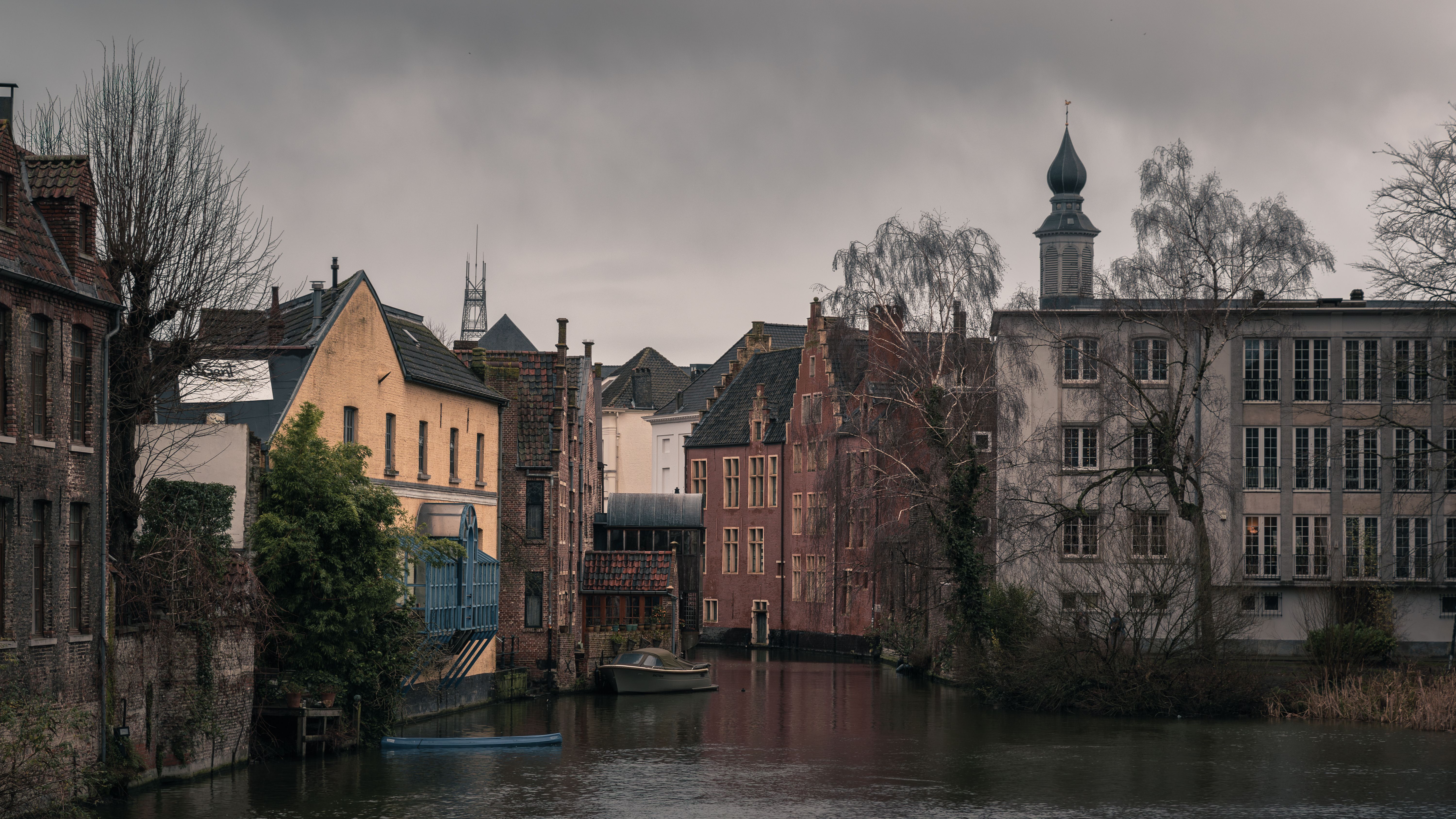
Belgium, the Netherlands, and Germany sit side by side, yet each tells a very different European story. Belgium offers grand guild halls, surreal comic-book wit, and some of the continent’s most serious pleasures: chocolate, beer, fries, and waffles. The Netherlands turns daily life into an art form, with canals, bicycles, flower-lined streets, and a cafe culture that rewards slow mornings. Germany, especially Berlin, brings bold modern history, deeply layered neighborhoods, and a creative energy that feels alive at every hour.
This 12-day itinerary chooses three cities for the most logical and restful flow: Brussels, Amsterdam, and Berlin. That pacing suits a mid-range budget and a relaxing vibe, giving you enough time to savor each place rather than racing through a checklist. You will move primarily by train, with manageable travel times and central stations that make city-to-city transfers straightforward.
Practical notes: March through early autumn is excellent for photography, cafe hopping, and urban wandering, though Belgium and the Netherlands can be damp, so a compact umbrella and waterproof shoes are wise. All three cities are highly walkable and well connected by public transport; card payments are widely accepted, but carrying a little cash remains useful for markets and smaller spots. Cuisine is a major part of the journey here, so come hungry: think buttery pastries, Indonesian rice tables, Flemish stews, Turkish breakfasts, natural wine bars, and third-wave coffee roasted with almost scholarly devotion.
Brussels
Days 1-4: Grand squares, chocolate, comics, and easy local pleasures
Begin in Brussels, a city that often surprises first-time visitors. It is at once stately and playful: one moment you are standing in the splendid Grand-Place beneath gold-trimmed guild houses, and the next you are following comic-strip murals through side streets or lingering over fries in a paper cone. For a relaxing start, base yourself in the historic center or just beyond the canal, where you can walk almost everywhere.
Arrive via Brussels Airport and transfer into town by train or taxi, then use Omio flights for airfare comparisons into Europe and Omio trains for onward rail planning. Airport to city center usually takes about 20-30 minutes by train; budget roughly $12-$18 for the transfer. For accommodations, browse VRBO Brussels or Hotels.com Brussels, or consider Novotel Brussels City Centre for strong value, MEININGER Hotel Brussels City Center for a more casual budget-conscious stay, or Hotel Amigo, a Rocco Forte Hotel if you want a polished splurge in a top location.
Spend your first block lingering rather than rushing. Grand-Place is most beautiful early in the morning, when the paving stones still hold a bit of dawn light and the square belongs to photographers instead of crowds. From there, stroll through Galeries Royales Saint-Hubert, one of Europe’s oldest shopping arcades, where glass roofing, elegant facades, and chocolate boutiques make even a short walk feel ceremonial.
For museums and slower cultural hours, choose one or two rather than overloading your days. The Magritte Museum is ideal if you enjoy art with a sly, dreamlike intelligence, while the Comic Art Museum reveals how deeply illustrated storytelling belongs to Belgian identity. If the weather turns, these are perfect half-day anchors before a late lunch and unhurried cafe stop.
Coffee and breakfast picks:
- MOK Coffee for expertly roasted coffee and a minimalist setting that locals genuinely use, not just visitors. A good choice if your mornings begin with photography and a pastry rather than a heavy meal.
- Parlor Coffee for serious espresso, a calm neighborhood feel, and a design-forward atmosphere without pretension.
- Peck 47 for a longer breakfast or brunch; think good coffee, eggs, seasonal plates, and a crowd that mixes residents, freelancers, and travelers.
Lunch recommendations:
- Friterie Tabora for a classic Belgian fries stop. Go because fries in Belgium are not a side dish but a national subject, and this is an easy, satisfying, central option.
- Ballekes for Belgian meatballs with sauces that are richer and more varied than the name suggests; comforting, casual, and ideal on a cooler day.
- Wolf Food Market when you want choice without sacrificing atmosphere. It is useful if your travel companion wants one thing and you want another, and it keeps the day flexible.
Dinner recommendations:
- Nüetnigenough for traditional Belgian cooking done with care. Expect dishes like stoemp or slow-cooked meats, and book ahead because locals know it.
- Fin de Siècle for hearty Belgian classics in generous portions and a bustling, old-Brussels spirit. It is especially good if you want carbonnade flamande or other beer-braised comfort dishes.
- Le Chou de Bruxelles if mussels are calling your name. This is one of the city’s better-known addresses for them, and it suits a first Brussels visit well.
Because you are a foodie traveler, Brussels rewards guided tastings early in the trip. A smart choice is the Brussels Food Tour with Full Meal & Drinks by Do Eat Better, which gives you historical context and a structured introduction to local specialties before you begin free-form exploring on your own.

If you want a shorter orientation walk, the Brussels: Historical Walking Tour with Chocolate & Waffle Tasting is well suited to your interests. It blends architecture, city history, and classic sweet bites, which is a pleasing way to understand the center without turning the day into a march.

For a more indulgent culinary spin, consider Hungry Mary's Famous Beer and Chocolate Tour in Brussels. Even if you are not a big beer drinker, the pairing teaches you a lot about Belgian taste traditions, from Trappist brewing culture to the country’s exacting standards for pralines.

If you prefer hands-on experiences, the 1.5h Belgian Chocolate Workshop in Brussels (bean to bar) is a strong fit for this itinerary. It gives you a break from walking, and you leave with a better sense of why Belgian chocolate is not just a souvenir but a craft tradition.

For a relaxed extra day, take a classic Belgian excursion without changing hotels. The Bruges and Ghent - Belgium's Fairytale Cities - from Brussels is excellent for photography lovers, with canals, stepped gables, church towers, and medieval lanes that feel almost theatrically picturesque.

In the evening, live a little like a local in Saint-Gilles or Ixelles. Walk around Place du Châtelain or Flagey, where the city softens into residential rhythms, wine bars, neighborhood terraces, and less polished but more memorable urban life. These districts are ideal if you enjoy photography that captures real daily scenes rather than just monuments.
Amsterdam
Days 5-8: Canals, brown cafes, neighborhood markets, and slow urban beauty
On the morning of Day 5, travel from Brussels to Amsterdam by train. Book through Omio trains; direct services usually take about 1 hour 50 minutes to 2 hours 10 minutes, with fares commonly around $35-$90 depending on timing and class. This is one of Europe’s easiest capital-to-capital journeys, and arriving by rail places you close to the center.
For accommodation, compare VRBO Amsterdam and Hotels.com Amsterdam. Given your budget, aim for Oud-West, De Pijp, or the Eastern Docklands rather than the most expensive canal belt addresses; these neighborhoods feel more local, often offer better value, and still keep you well connected.
Amsterdam is best enjoyed as a city of moods rather than a city of checklists. Yes, the canal ring is beautiful, but the real pleasure is in the texture of the place: bicycles gliding over bridges, windows full of flowers, houseboats moored in still water, and quiet residential streets where every facade seems composed for the camera. Your days here should be built around walking, coffee, short museum visits, and unrushed meals.
Choose one headline museum and one neighborhood wander per day. The Rijksmuseum is the obvious heavyweight, and deservedly so; Rembrandt, Vermeer, and Dutch still lifes give you a visual education in how the country once saw itself. Pair that with a stroll through the Nine Streets, Jordaan, or De Pijp, where canal views give way to independent boutiques, grocers, bakeries, and bars that feel lived in rather than staged.
Coffee and breakfast picks:
- Scandinavian Embassy for elegant coffee service and beautifully plated breakfasts. It is ideal if you care about both taste and visual presentation.
- Bocca Coffee for one of Amsterdam’s most respected specialty coffee experiences, with careful sourcing and consistently excellent espresso.
- Coffee & Coconuts in De Pijp for a larger, airy setting inside a former cinema. Good when you want a slower morning with space to linger.
Lunch recommendations:
- Foodhallen for variety in a stylish indoor market setting. It is especially helpful on a rainy day and works well if you want to sample multiple things instead of committing to a single cuisine.
- Sir Hummus for a lighter, flavor-packed meal in De Pijp; generous plates and a neighborhood feel make it a pleasant contrast to heavier Dutch fare.
- Bakhuys for excellent bread, sandwiches, pastries, and a polished but easygoing lunch environment.
Dinner recommendations:
- Restaurant Blauw for an Indonesian rijsttafel, one of Amsterdam’s essential meals. The colonial history behind the cuisine is complex, but the dining tradition itself is unforgettable: many small dishes, layered spices, and a feast-like progression.
- Moeders for Dutch comfort food in a cozy, idiosyncratic setting. Good if you want stamppot, stews, and a sense of home-style tradition.
- Café de Klepel for a relaxed wine-focused dinner with thoughtful seasonal cooking; excellent for a quieter evening.
For living-like-a-local moments, spend an afternoon at Albert Cuyp Market in De Pijp. Browse produce, cheeses, stroopwafels, and everyday household stalls rather than souvenir shops, then walk into Sarphatipark with coffee in hand. This is where Amsterdam reveals itself not as a postcard but as a daily ritual of errands, snacks, and neighborhood conversation.
For photography, do not save everything for midday. Go out early along Brouwersgracht, Reguliersgracht, and the bridges around the canal belt, when the light is softer and the water reflects facades with near-perfect symmetry. Blue hour is equally rewarding, especially when bridge lights begin to glow and the city becomes more reflective than busy.
If you want one easy organized excursion rather than planning independently, the Amsterdam Day Trip from Brussels exists as an option for travelers basing entirely in Belgium, but for this itinerary Amsterdam deserves a full stay. That said, it is still a useful reference for understanding how popular and accessible this route is from Brussels.
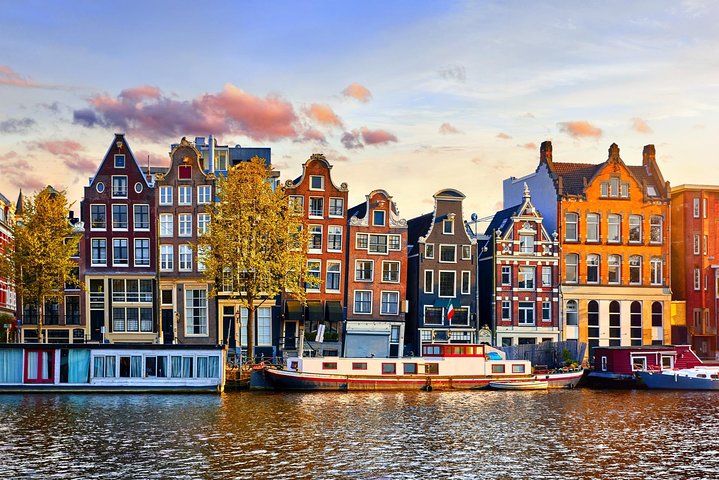
For your final Amsterdam evening, skip an overly formal night out and choose a brown cafe instead. Order Dutch cheese, bitterballen, or a simple beer or genever in a dark wood interior that feels unchanged by trend cycles. It is a fitting close to a city that excels not through spectacle alone, but through atmosphere.
Berlin
Days 9-12: Big history, neighborhood life, inventive food, and creative edges
On Day 9, take a morning train from Amsterdam to Berlin. Search schedules on Omio trains; typical journeys take about 5 hours 50 minutes to 6 hours 30 minutes, with fares often around $45-$120 depending on booking window and train type. It is a longer transfer day, so keep the evening light: check in, have dinner nearby, and save major sightseeing for the next morning.
For accommodations, compare VRBO Berlin and Hotels.com Berlin. Mitte is easiest for first-timers, Prenzlauer Berg suits a gentler residential pace, and Kreuzberg is excellent for food and nightlife without requiring you to participate in all of it.
Berlin is less about polished beauty than about layered meaning. Empires, war, division, reunification, migration, street art, and reinvention all meet here, sometimes on the same block. That makes it one of Europe’s richest cities for thoughtful walking and photography, especially if you like contrasts: monumental architecture beside graffiti walls, grand museums near Turkish bakeries, quiet courtyards opening from noisy avenues.
Begin with the historic spine: Brandenburg Gate, the Reichstag exterior, the Memorial to the Murdered Jews of Europe, and Unter den Linden. Do not rush these places. Berlin’s power lies in taking time to read, observe, and understand how the city handles memory in public space.
Then balance the heavy history with neighborhood life. Prenzlauer Berg offers leafy streets, bakeries, bookstores, and handsome restored buildings, while Kreuzberg gives you canals, contemporary food, and a more visibly multicultural daily rhythm. For a slower afternoon, walk along Landwehr Canal or browse the courtyards of Hackesche Höfe.
Coffee and breakfast picks:
- The Barn for one of Berlin’s defining specialty coffee names. Precision-minded and highly regarded, it is excellent if coffee is one of the reasons you travel.
- Father Carpenter for breakfast in a serene courtyard, combining strong coffee with one of the city’s better brunch scenes.
- Bonanza Coffee for a serious cup in a neighborhood setting that still feels rooted in Berlin’s creative everyday life.
Lunch recommendations:
- Markthalle Neun if timing aligns with market programming. It is one of the best places to sample Berlin’s contemporary food culture under one roof.
- Mustafa’s Gemüse Kebap if you are willing to go slightly off-peak. Berlin’s kebab culture is central to the city’s food identity, and this is one of the famous names for good reason.
- Shiso Burger for a quick but satisfying meal that reflects Berlin’s comfort with international fusion.
Dinner recommendations:
- Zur letzten Instanz for a historic setting and classic German dishes. It is often described as Berlin’s oldest restaurant, which adds a pleasing sense of continuity to the meal.
- Kanaan for modern Middle Eastern cooking that feels deeply in tune with Berlin’s multicultural character; vibrant, fresh, and memorable.
- Night Kitchen for a lively, stylish dinner with Levantine flavors, ideal if you want something atmospheric but not stuffy.
For photography, Berlin offers a different visual language from Brussels and Amsterdam. Here, focus on texture: remnants of the Wall at the East Side Gallery, reflected television tower views, museum facades on Museum Island, late-afternoon light in Tempelhof Field, and the graphic geometry of Soviet-era and modernist architecture. It is a city that rewards the eye for contrast more than prettiness alone.
To live a little more like a local, reserve time for ordinary pleasures. Pick up pastries from a neighborhood bakery, sit in a small wine bar in Prenzlauer Berg, or spend a Sunday wandering Mauerpark and nearby streets. Berlin becomes more understandable when you let it unfold through habits rather than monuments.
If your departure flight leaves from Berlin, compare return airfare options with Omio flights. If you need rail connections onward within Europe, use Omio trains; if bus timing or budget works better, Omio buses can be useful, though train remains the most comfortable fit for this relaxing itinerary.
Estimated trip style and budget notes: With a budget level of 58 out of 100, this route works best with mid-range hotels or apartments, rail booked in advance, one guided food or walking activity per city, and a mix of casual lunches with a few standout dinners. Brussels and Berlin generally offer better value than Amsterdam, so spend a touch more carefully in the Netherlands and use neighborhoods just outside the most famous central streets to keep costs balanced.
This Belgium, Netherlands, and Germany itinerary gives you three capitals with distinct personalities and enough breathing room to enjoy them properly. It is a trip built for coffee cups on quiet mornings, memorable meals, photogenic streets, and the pleasure of moving through Europe by train without haste.