
11 Days in Crete, Greece: Chania, Rethymno & Heraklion for Beaches, Food, History and Local Life
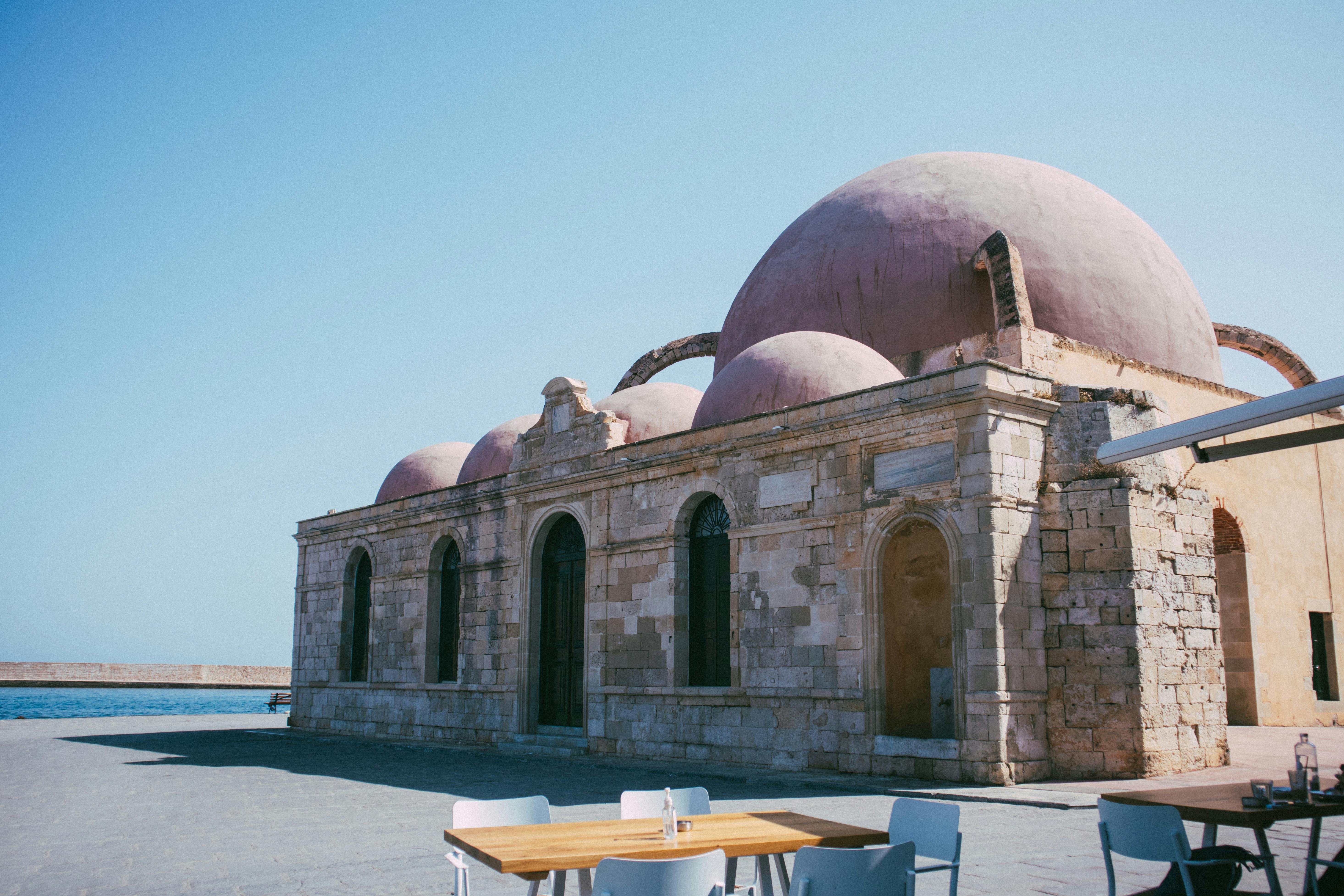
Crete is Greece’s largest island, but it often feels like several destinations stitched together by sea light, olive groves, mountain roads, and a stubbornly proud local culture. Minoan palaces, Venetian harbors, Ottoman traces, Byzantine churches, gorge trails, pink-sand beaches, and tavernas that still cook from grandmotherly memory all coexist here with surprising ease.
There are a few delightful contradictions to know before you go. Crete produces some of Greece’s best olive oil and wine, yet many of its finest meals are astonishingly simple; Zeus is said to have been born here, yet the island’s everyday pleasures are refreshingly earthly: dakos with tomatoes, sea swims before breakfast, mountain thyme in the air, and late dinners by the water.
For practical planning, March through October is the broad sightseeing season, with the warmest beach weather from late spring into early autumn; always check local marine conditions before boat days, and wear proper shoes for gorges and archaeological sites, where stone can be uneven and slippery. Cretan cuisine is one of the trip’s great rewards, so leave room for graviera cheese, lamb, fresh seafood, wild greens, honey pastries, and local wines from indigenous grapes such as Vidiano, Liatiko, and Vilana.
This itinerary uses three bases for an 11-day trip: Chania in western Crete for old-town atmosphere, lagoons, boating, and food; Rethymno in central Crete for a gentler local rhythm, museums, and access to southern beaches and gorges; and Heraklion in the east-central zone for Knossos, museums, urban energy, and excellent sea excursions. That sequence keeps travel logical while giving you a strong mix of sightseeing, hiking, shopping, beach time, museums, wine tasting, spa downtime, and local life.
Chania
Chania is the kind of place that makes people accidentally stay out late. Its Venetian harbor glows at dusk, the alleys behind it hold workshops, bakeries, and boutiques instead of mere souvenirs, and the city manages to be photogenic without feeling staged.
This is your best base for western Crete’s headline scenery: Balos, Gramvousa, Falassarna, Elafonisi, and the food-rich villages of the interior. It is also excellent for a traveler who wants a blend of beach time, walking, shopping, hidden corners, and meals that become part of the memory of the trip rather than mere refueling stops.
Arrival and getting here: If you are flying into Crete from Europe, compare routes into Chania via Omio flights. If you arrive elsewhere in Greece and continue by ferry, compare options on Omio ferries. Chania Airport to the old town/hotel zone is usually about 25-35 minutes by road; taxi costs typically land around €30-€40 depending on time and exact drop-off point.
Where to stay: For apartment-style stays, browse VRBO in Chania. For hotels, compare Hotels.com in Chania. If you want a polished resort-style stay later in the trip, you might also keep Creta Maris Beach Resort in mind for the Heraklion/Hersonissos side.
Days 1-4: Old Town immersion, harbor walks, food, markets and western Crete’s signature sea days
Begin with Chania Old Town on foot. The harbor, shaped largely by the Venetians between the 14th and 16th centuries, is best enjoyed in layers: first the waterfront and lighthouse views, then the backstreets of Topanas, Splantzia, and the lanes near the old leather district, where balconies, stone arches, and tiny shops still suggest the city’s long maritime life.
Spend time at the Maritime Museum of Crete and the harbor-front area near the Firkas Fortress if you enjoy history without wanting an all-day museum session. For a more local feel, walk the covered lanes and surrounding stalls of the Municipal Market area; even when the historic market building itself is undergoing changes, the surrounding food scene remains one of the best introductions to local cheeses, herbs, olives, and cured meats.
Breakfast and coffee in Chania:
- Kross Coffee Roasters for serious coffee and a modern, low-key atmosphere. A good first stop if you want to reset after travel and begin the trip with a proper flat white or espresso tonic rather than a rushed airport coffee.
- Monogram for specialty coffee and light breakfast. It is a smart choice before a walking morning through the old town because service is efficient and the coffee is consistently strong.
- Bougatsa Iordanis for one of Crete’s classic breakfast experiences: warm bougatsa, especially the local Chania-style cheese version dusted with sugar. It sounds unusual until you try it, and then you start planning a return visit.
Lunch spots worth your time:
- Tamam, set in a former Ottoman hammam, is one of Chania’s best-known restaurants for a reason. Go for Cretan and wider Greek dishes with depth rather than gimmick: slow-cooked meats, seafood, and meze in a room that actually feels historic rather than theatrically “old.”
- Chrisostomos is a superb place to try traditional Cretan cooking with wood-fired dishes and excellent vegetable preparations. It is especially good if you want to understand why Cretan food has such a reputation for simplicity done impeccably well.
- To Stachi is the rare place that makes vegetarian Cretan food feel central rather than secondary. Their use of local greens, pulses, and olive oil is ideal for a lighter lunch between heavier dinners.
Dinner recommendations:
- Salis by the harbor is one of the best choices for a longer dinner with a good wine list. It balances local ingredients with a more contemporary kitchen, making it a fine option for your first “occasion” meal in Crete.
- Thalassino Ageri, slightly away from the harbor in a waterside setting, is ideal for seafood at sunset. Tables by the sea, grilled fish, octopus, and the sound of water against the rocks make this feel like the Cretan postcard that somehow still delivers.
- Pallas works well when you want harbor views and a stylish but relaxed setting for dinner or late drinks. It is a strong pick for your first night if jet lag calls for something easy and atmospheric.
Shopping and local-life suggestions: Browse the old town for olive wood goods, Cretan knives, linen, soaps made with local olive oil, and gourmet products rather than generic island souvenirs. The side streets off Zampeliou and Skridlof are good for independent shops, and the best purchases tend to be edible: thyme honey, mountain tea, olive oil, sea salt blends, and small-batch raki.
Viator activity picks in Chania:
- Foodie favorite: Walking “Food tasting tour” in the town of Chania — ideal early in the stay because it helps you understand local products and gives you a shortlist of dishes to keep ordering for the rest of the trip.

- Beach and boating standout: Balos Shared Catamaran Cruise (small groups up to 10 or 22ppl) — one of the best ways to see Balos without turning the day into a logistical grind. Balos is famous for its luminous shallow water and lagoon colors, and arriving by catamaran feels far more graceful than battling the rough access road.

- Wine tasting and inland scenery: Crete Wine and Olive Oil Tour — a strong match for your foodie and local-life interests, with the added pleasure of seeing how the island changes once you leave the coast.

- Unique activity: Elafonisi & Milia Mountain - Jeep Tour with Loungers and Lunch — a very smart way to combine one of Crete’s most famous beaches with mountain landscapes and a more distinctive route.

If you want a lighter independent day instead of another organized excursion, choose either Seitan Limania for dramatic scenery, Falassarna for a broad beach with excellent sunset potential, or a gentle inland outing to villages such as Vamos for a quieter glimpse of Cretan daily life. Chania also rewards simply doing less: a harbor aperitif, a long lunch, and an evening walk can be as satisfying as a full checklist day.
Day 5: Travel from Chania to Rethymno
Leave in the morning and keep the transfer intentionally light. Chania to Rethymno is roughly 1 hour 10 minutes to 1 hour 30 minutes by car or intercity bus depending on traffic and exact pickup point; bus fares are typically modest, often around €8-€12, while private transfers cost more but save time with luggage.
To compare schedules for the journey, use Omio buses. If you prefer flexibility for beaches and village detours, a rental car is worthwhile on Crete, especially for an 11-day trip, though parking in historic centers can be limited.
Rethymno
Rethymno is often the city travelers wish they had given more time. It has a handsome old town, a mighty Venetian fortress, a long sandy beach, and a pace that feels less performative than some of the island’s better-known hotspots.
It is a fine middle chapter for your itinerary: a place to breathe, linger in museums, enjoy café life, browse small shops, and venture south to dramatic landscapes. If Chania seduces and Heraklion instructs, Rethymno quietly wins affection through texture, scale, and ease.
Where to stay: Browse VRBO in Rethymno or compare Hotels.com in Rethymno. Stay in or just outside the old town if you value restaurants and walking access more than resort facilities.
Days 5-7: Fortezza views, museums, beach time, southern Crete and a slower local rhythm
Start with the Fortezza of Rethymno, the great 16th-century Venetian citadel that crowns the city. Go in the late afternoon if possible: the light softens the stone, the sea breeze improves the climb, and the views over the old town and coast are exactly the kind that justify old fortresses to people who do not usually care about old fortresses.
Then wander the old town lanes around the Neratze Mosque, small squares, fountains, and artisan shops. Rethymno is especially good for unstructured exploration; it still feels inhabited rather than curated, and its university presence gives the city a steady local pulse outside the pure tourist orbit.
Museums and culture: The Archaeological Museum of Rethymno is compact enough to be enjoyable without museum fatigue, and it provides a useful bridge between the grand Minoan story you will encounter later in Heraklion and the island’s regional identities. Small religious museums and churches in the old town are worth stepping into for iconography and atmosphere.
Breakfast and coffee in Rethymno:
- Cul De Sac is a reliable café-bar choice for coffee and a light start, especially if you want to watch the city wake up without committing to a heavy breakfast.
- Fraoules is popular for brunch-style plates and sweets. It works well on a beach morning when you want something more substantial than pastry.
- Vivliothiki Coffee & Drinks is good for coffee in a more local urban setting, ideal before browsing the old town’s independent shops.
Lunch and dinner recommendations:
- Avli is one of Rethymno’s most respected tables and a fine place for a longer dinner. Housed in a restored Venetian building, it offers polished Cretan cuisine and a strong wine program without losing regional identity.
- Prima Plora sits by the sea and is excellent for fish and refined Greek cooking. It is a particularly good choice when you want a meal that feels celebratory but not stiff.
- To Pigadi, in the old town, is atmospheric and rooted in Cretan tradition. Choose it for meze, slow-cooked dishes, and an evening that feels properly of the place.
- Zampakos is a dependable seafood option, especially if you want something straightforward and satisfying after a day trip.
Beach, spa, and local living: Rethymno’s long beach gives you an easy half-day without complicated transport. For your spa preference, this is a sensible place to book a massage or hammam-style treatment at your hotel or a well-rated local wellness center, then follow it with a sunset walk rather than more sightseeing.
Nature and unique outing from Rethymno: Southern Crete makes an excellent contrast to the north coast. If you want a scenic day that combines light adventure and remarkable landscapes, this private excursion is a strong fit: Kourtaliotiko Gorge Waterfalls & Preveli/Kalypso Beach | Private. It suits travelers who like hiking, photography, swimming, and seeing a wilder side of Crete beyond its famous harbor towns.

If you prefer an independent day, head to Preveli Beach and its palm forest, or explore villages such as Spili and Anogeia for craft traditions and mountain atmosphere. These are the kinds of places where Crete starts to feel less like a beach island and more like a self-contained world.
Day 8: Travel from Rethymno to Heraklion
Set off in the morning for Heraklion. The drive or bus ride usually takes around 1 hour 15 minutes to 1 hour 40 minutes, and the route is simple along the north coast; expect bus fares commonly in the €9-€14 range depending on service.
Compare coach options through Omio buses. If your plan includes Knossos, wineries, or east-side beaches, Heraklion is easiest with a car, but the city itself is manageable on foot and by taxi once you are settled.
Heraklion
Heraklion is often underestimated by travelers who treat it as a gateway, when in fact it is one of Greece’s most important historical cities. It is busier, more urban, and less instantly romantic than Chania, but it offers the island’s deepest museum experience, access to Knossos, lively dining, shopping streets, and some excellent boat excursions.
Come here ready to appreciate energy rather than prettiness alone. The reward is substance: Minoan history, serious food, modern Cretan city life, and a far richer understanding of the island than you get by seeing only postcard harbors and beaches.
Where to stay: For central city convenience, compare VRBO in Heraklion and Hotels.com in Heraklion. For a good-value city option, look at Kastro Hotel. If you want a splurge-level resort experience elsewhere on the island, Blue Palace, a Luxury Collection Resort and Spa is one of Crete’s standout names, though it is best suited to travelers building in resort time beyond central Heraklion.
Days 8-11: Knossos, museums, Dia Island sailing, markets, shopping and a strong finish in Crete’s capital
Your priority here is the pairing of Knossos Palace and the Heraklion Archaeological Museum. Knossos, now UNESCO-listed, is tied forever to the legends of King Minos, the Minotaur, and the labyrinth; in person, it is less about a single dramatic monument than about understanding how sophisticated Bronze Age Crete really was.
The museum then completes the story. Its collection is among the finest in Greece, and seeing the frescoes, ceramics, ritual objects, and the famous Phaistos Disc after visiting Knossos gives the palace context and emotional weight.
Viator activity picks in Heraklion:
- History essential: Knossos Palace Skip-the-Line Ticket (Shared Tour Group) — the smartest way to visit if you want context without the hassle of queuing and guesswork.

- Food, sea and relaxation: Heraklion: Dia Catamaran Cruise Mediterranean Meal & Water Fun — a strong match for your boating, beach, and foodie interests, with the added pleasure of a day on the water instead of another museum or road trip.

- Alternative sailing option: Sailing Trip to Dia with Snorkeling, Dining & Sunset Option — choose this if a smaller-yacht feel and sunset atmosphere appeal more than a daytime cruise.

- Inland culture and tasting: Knossos & Lasithi Plateau: Zeus Cave, Villages, Olive Oil Tour — ideal if you want mythology, village life, scenery, and olive-oil traditions in one substantial day.

Breakfast and coffee in Heraklion:
- Kirkor is beloved for pastries and sweets and is one of the city’s most useful casual stops. Even if you are not usually a pastry person, this is the place to make an exception.
- Think Tank 3rd Wave Coffee is your move for serious coffee in a modern setting. It is especially good on a museum morning when you want to start sharp.
- Crop Roastery Brewery works for coffee, brunch, or an easy light lunch, particularly if you want something contemporary between historical sights.
Lunch and dinner recommendations:
- Peskesi is one of Heraklion’s most celebrated restaurants and deservedly so. It presents Cretan cuisine with historical awareness, strong sourcing, and enough refinement to make dinner feel special without becoming precious.
- Parasties is excellent for grilled meats and robust local cooking. Go hungry and order broadly; this is a place that shows the hearty side of Cretan hospitality.
- Ippokambos near the sea is ideal for seafood and a more relaxed waterfront mood. It is particularly pleasant after a museum-heavy day when you want the horizon back in view.
- Erganos is a reliable traditional option for classic local plates in a straightforward setting. Think of it as a useful corrective to over-designed dining rooms.
Shopping and city wandering: Heraklion’s pedestrianized center around 25th of August Street, Lion Square, and nearby lanes is your best area for shopping. Look for Cretan wine shops, food stores with vacuum-packed cheeses and olive oil for travel, artisan ceramics, and bookstores if you enjoy bringing home something other than a magnet.
Beach and spa add-on: If you want one final reset before departure, use your last full afternoon for a hotel spa treatment or head east toward the beach areas around Hersonissos or Ammoudara for a simpler sun-and-sea close. This keeps the end of the trip restorative rather than over-programmed.
Departure logistics: If flying onward within or from Europe, compare routes via Omio flights. Heraklion Airport is usually 10-20 minutes from central Heraklion depending on traffic. If you are leaving Crete by ferry to Athens or another island, compare Omio ferries.
This 11-day Crete itinerary gives you three distinct versions of the island: Chania’s harbor beauty and western beaches, Rethymno’s cultured calm and access to wild southern scenery, and Heraklion’s deep history and urban Cretan life. It is a trip built for travelers who want excellent food, boat days, museums, beach time, local flavor, and enough room to wander rather than merely collect sights.
By the end, you will likely remember not only Balos and Knossos, but also smaller things: the first bite of warm bougatsa, the scent of oregano in a hill village, the color of evening on Venetian stone, and the way Crete makes antiquity feel alive rather than sealed behind glass.