
10-Day Portugal & Andalusia Itinerary for Couples: Lisbon, Seville and the Costa de la Luz
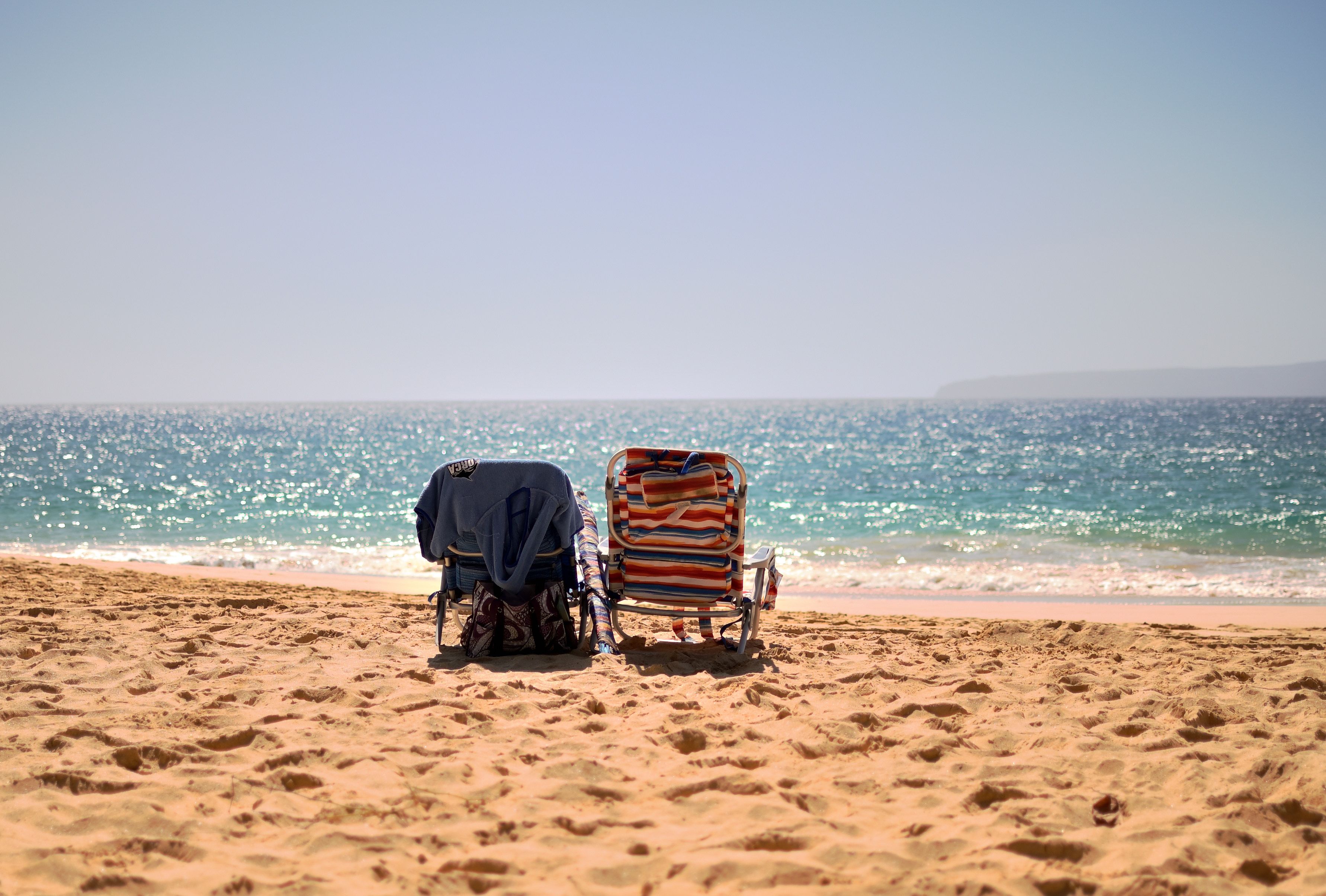
Portugal and Andalusia make a remarkably satisfying pairing: two neighboring worlds linked by Iberian history, maritime ambition, Moorish artistry, and an easy devotion to long dinners and late sunsets. For a 10-day summer trip, the smartest flow is to keep the routing elegant rather than overstuffed, combining one Portuguese base with two Andalusian bases so you can enjoy both culture and swimming without spending half the holiday in transit.
Lisbon is the natural Portuguese choice here. It gives you classic Portugal—azulejo tiles, miradouros, fado, riverfront walks, and excellent day-trip or beach options—without the extra logistical weight of adding Porto on a 9-night trip. In Andalusia, Seville works beautifully for monuments and atmosphere, while the Costa de la Luz near Tarifa offers the beach-focused stretch you specifically want, with access to Gibraltar, white villages, and some of southern Spain’s best Atlantic swimming.
Early July is ideal for this Portugal and Andalusia itinerary, though it is hot inland, especially in Seville and Granada. The practical trick is simple: cultural visits in the morning, slower lunches and siestas or pool time in the warmest hours, then evening strolls, tapas, and waterfront dinners after the heat softens. For your interests, I recommend 3 nights in Lisbon, 3 nights in Seville, and 3 nights on the Costa de la Luz, with Granada included as a well-planned day trip rather than another hotel change.
Recommended route for 2 travelers: Fly into Lisbon, then take a morning flight to Seville. After Seville, continue by car or bus toward Tarifa / Costa de la Luz for beach time, then return from Seville airport. This keeps the trip efficient while still covering Portugal, Seville, Granada, Tarifa, and Gibraltar-facing coastline.
Suggested transport searches: For international and intra-Europe flights, start with Omio flights. For trains in Iberia, use Omio trains. For buses in Spain and Portugal, compare schedules on Omio buses.
Lisbon
Lisbon is a city of light, hills, trams, and neighborhoods that still feel lived-in rather than staged. It is ideal for a romantic start to this Portugal and Andalusia itinerary because it offers history, food, nightlife, and nearby sea air without requiring rushed sightseeing.
The city’s great pleasure is variety. In one day you can climb through Alfama’s old lanes, eat seafood in Chiado, admire Manueline monuments in Belém, and end the night with cocktails above the Tagus. Even for first-time visitors, Lisbon feels immediately legible and deeply atmospheric.
Where to stay: Search central options in Baixa, Chiado, Avenida da Liberdade, or Alfama for easy sightseeing and airport access. Browse Hotels.com Lisbon or Vrbo Lisbon.
Food notes: For breakfast and specialty coffee, Dear Breakfast, Hello, Kristof, and The Folks are reliable picks. For classic Portuguese cooking, consider Taberna da Rua das Flores, Cervejaria Ramiro for seafood, and Prado for a more contemporary farm-led table. Pasteis de Belem remains the famous custard tart stop worth doing at least once.
Day 1 - Arrive in Lisbon
Morning: Departure day from home, with arrival assumed in Lisbon in the afternoon. Keep your first day intentionally light; this trip improves when you resist the urge to force a full sightseeing schedule after the flight.
Afternoon: Arrive, transfer to your hotel, and settle into your neighborhood. If you stay in Chiado or Baixa, start with an easy orientation walk through Praça do Comércio, Rua Augusta, and the riverfront. If energy allows, ride the Santa Justa area elevators and continue uphill toward Largo do Carmo for your first broad view over the city.
Evening: Have dinner at Taberna da Rua das Flores if you can reserve ahead; it is a beloved Lisbon address known for seasonal small plates and a menu that changes with the market. If you want something more relaxed and lively, go to Time Out Market selectively—rather than grazing randomly, focus on seafood or petiscos from the stronger stalls. End with a nightcap at PARK, the rooftop bar above a parking garage, where the skyline and river often feel like the true welcome to Lisbon.
Day 2 - Alfama, Baixa and classic Lisbon
Morning: Start with breakfast at Dear Breakfast or The Folks for excellent coffee and a calmer beginning than a hotel buffet. Then explore Alfama early, before the lanes heat up: Sé Cathedral, Miradouro de Santa Luzia, and Miradouro das Portas do Sol create that iconic Lisbon tableau of domes, tiled roofs, and river light. Continue toward Castelo de São Jorge if you enjoy archaeology and commanding views; the peacocks and layered history make it more memorable than many city castles.
Afternoon: Lunch at Cervejaria Ramiro is a fine idea if seafood is a priority—scarlet shrimp, garlic prawns, and shellfish are the headline draw, and the place remains one of Lisbon’s enduring institutions. After lunch, walk through Baixa and Chiado, stopping at Bertrand, often cited as the world’s oldest operating bookstore, and at A Brasileira for a historic café pause, even if only for the atmosphere.
Evening: Consider a fado evening in Alfama or Bairro Alto. Clube de Fado is one of the better-known refined options, while smaller neighborhood houses can feel more intimate if you prefer less polish. For dinner, Bairro do Avillez offers multiple concepts in one address, making it useful if you want a stylish but not overly formal meal on your first full night.
Day 3 - Belém and a taste of the Atlantic
Morning: Head to Belém after breakfast. Visit Jerónimos Monastery and admire the Manueline ornament that speaks directly to Portugal’s age of exploration, then walk to the Monument to the Discoveries and Belém Tower. These are not merely postcard stops; together they tell the story of how a small Atlantic kingdom projected itself across oceans.
Afternoon: Have lunch in Belém or along the waterfront, then stop at Pastéis de Belém for the original custard tart experience. If you would rather trade museums for sea air, take a short onward ride to Cascais for a late-afternoon swim or seaside walk. Early July is ideal for this kind of flexible half-day, especially if your main beach time later in Andalusia will be fuller and longer.
Evening: Return to Lisbon for dinner at Prado, where Portuguese ingredients are handled with intelligence and restraint. If you want one final viewpoint, Miradouro de São Pedro de Alcântara is excellent at dusk, especially when the city begins to glow and the castle hill takes on its theatrical outline.
Travel to Seville: The most efficient move is a morning flight from Lisbon to Seville, typically around 1 hour, plus airport procedures. Search schedules on Omio flights; typical fares, depending on booking window and baggage, often range roughly from €40-€140 per person. Bus combinations are possible but slower and generally not worth sacrificing holiday time on this route.
Seville
Seville is Andalusia at full volume: orange trees, patios, cathedral bells, flamenco, tiled courtyards, and a historical center that rewards wandering as much as monument-hopping. It is hot in July, yes, but it remains one of Spain’s most captivating cities if you plan around the climate.
This is where your cultural ambitions fit best. Seville gives you the cathedral, the Alcázar, atmospheric old quarters, and excellent tapas culture, while also serving as a practical launch point for Granada and your onward journey to the coast.
Where to stay: Santa Cruz, El Arenal, or the area around Plaza Nueva are ideal for first-time visitors. Browse Hotels.com Seville or Vrbo Seville.
Food notes: For breakfast and coffee, Parcería Café, Virgen Coffee, and Jester are dependable modern stops. For tapas and Andalusian cooking, look at Casa Morales, El Rinconcillo, Cañabota for seafood, and Bodeguita Romero for pringá montaditos and a very local barroom mood.
Day 4 - Fly to Seville and explore Santa Cruz
Morning: Check out of your Lisbon hotel and head to the airport for your flight to Seville. Use Omio flights to compare times and fares. On arrival, transfer to your hotel and leave luggage before lunch.
Afternoon: Begin gently in Barrio Santa Cruz, Seville’s former Jewish quarter, where narrow lanes and shaded squares soften the afternoon heat. Have lunch at Bodeguita Romero; the pringá sandwich is a local classic made from slow-cooked meats, and the place feels rooted in everyday Seville rather than curated for visitors. Afterward, stroll to Plaza del Triunfo and the exterior of the cathedral, then pause for coffee or something cold at a shaded terrace.
Evening: As temperatures drop, walk to Metropol Parasol for panoramic views and then continue into the center for tapas. El Rinconcillo, founded in the 17th century, is a fine first-night choice: atmospheric, storied, and still very much alive as a working tapas bar. Order espinacas con garbanzos, jamón, and salmorejo for a proper Andalusian start.
Day 5 - Alcázar, Cathedral and riverfront Seville
Morning: Start early with breakfast at Parcería Café or Virgen Coffee, then visit the Royal Alcázar when it opens. This is one of the essential monuments of Spain, not merely for its Mudéjar decoration but because it reveals the deep artistic continuity between Islamic and Christian Iberia. Follow with the Seville Cathedral and Giralda, where climbing the former minaret-turned-bell tower gives you one of the city’s best views.
Afternoon: Lunch at Casa Morales, a classic tapas institution with giant old wine jars and a deeply Sevillian atmosphere. In the hotter hours, slow the pace with either a hotel rest or a visit to the Archivo de Indias area and nearby shaded streets. Late afternoon, cross to Triana, a neighborhood associated with ceramics, flamenco, and a strong local identity distinct from the historic center.
Evening: Dine in Triana or by the river. If seafood appeals, Cañabota is one of Seville’s most respected modern restaurants and particularly good if you want one standout dinner; it is serious without being stiff. If you prefer a more casual evening, wander Calle Betis for drinks with river views back toward the illuminated center.
Day 6 - Granada day trip
Morning: Leave early for Granada. The fastest practical options are train or organized transfer; by high-speed or fast rail connections and transfers, expect roughly 2.5 to 3 hours each way, while driving is around 2.5 to 3 hours. Compare rail on Omio trains and bus alternatives on Omio buses. The key priority here is securing Alhambra tickets well in advance if that is your main goal.
Afternoon: Visit the Alhambra and Generalife, the crown jewel of Nasrid Granada and one of Europe’s great palace complexes. The carved stucco, courtyards, water channels, and garden design justify every line of praise they receive. If time permits afterward, descend into the Albaicín for classic views from Mirador de San Nicolás and a sense of old Granada’s hillside urban fabric.
Evening: Have an early dinner in Granada before returning to Seville, or return first and keep things simple with tapas near your hotel. This is a long day, but it allows you to experience Granada’s extraordinary monumentality without introducing a fourth hotel, which would reduce your beach time and overall ease.
Travel to the coast: For your beach portion, I strongly suggest basing yourselves around Tarifa, Zahara de los Atunes, or Vejer/Caños de Meca depending on whether you prioritize lively wind-and-sea energy, polished beach dining, or village atmosphere. From Seville, driving is usually the best choice at roughly 2.5 to 3 hours. Bus options exist and can be searched via Omio buses, but a rental car gives far more freedom for beaches, Gibraltar viewpoints, and sunset stops.
Costa de la Luz (Tarifa Base)
The Costa de la Luz is the right answer to your wish for swimming, open beaches, and a more maritime Andalusia. This is Atlantic rather than Mediterranean Andalusia: brighter, windier, wilder in places, and often more spacious than the Costa del Sol.
Tarifa is famous for kitesurfing, but even non-surfers love it for its beach culture, whitewashed old town, and dramatic position facing Morocco across the Strait of Gibraltar. Staying here or nearby lets you mix proper beach time with Gibraltar, Bolonia, Zahara, and atmospheric inland detours.
Where to stay: Search Tarifa for walkable old town and beach access, or Zahara de los Atunes if you want a more resort-like beach rhythm. Browse Hotels.com Tarifa or Vrbo Tarifa. For Zahara, browse Hotels.com Zahara de los Atunes.
Food notes: In Tarifa, breakfast and coffee are easy around the old town; look for spots serving tostadas with tomato and olive oil, fresh juice, and specialty coffee. For seafood and tuna, this coast is exceptional—almadraba bluefin tuna is the star ingredient in season, especially around Zahara and Barbate. In Tarifa, restaurants such as El Francés and Bar El Lola are perennial favorites; in Zahara, tuna-focused dining is often the point of the trip.
Day 7 - Seville to Tarifa / Costa de la Luz
Morning: After breakfast, depart Seville for Tarifa or your chosen Costa de la Luz base. If driving, plan one scenic stop in Vejer de la Frontera, a white hill town of steep lanes and broad coastal views. Vejer is more than a photo stop; it offers a beautiful transition from urban Andalusia to the sea-facing south.
Afternoon: Check in, then spend your first coastal hours at Playa de Los Lances if based in Tarifa. The beach is wide, bright, and often animated by windsports, giving the whole place an almost cinematic energy. If you prefer calmer water and a more sheltered setting, ask locally whether nearby alternatives are better on the day, since wind conditions can shape the experience significantly.
Evening: Explore Tarifa’s old town, where North African proximity is felt in the atmosphere, cuisine, and windswept frontier mood. Have dinner at Bar El Lola for a relaxed local scene and good seafood, or at El Francés for something slightly more polished. Order tuna if available; this stretch of coast is one of the best places in Spain to eat it with pride and simplicity.
Day 8 - Beach day: Bolonia or Zahara de los Atunes
Morning: Start with a simple Andalusian breakfast of tostada con tomate and coffee, then head out early for a fuller beach day. Bolonia is the connoisseur’s choice: an extraordinary arc of sand, clearer water, and the famous dune backed by a landscape that still feels relatively unspoiled. It is one of southern Spain’s most memorable beaches.
Afternoon: Stay in Bolonia for swimming and lunch, or continue to Zahara de los Atunes if you want a more refined beach-town lunch scene. The Roman ruins of Baelo Claudia near Bolonia are well worth an hour or two; they add a layer of ancient history right beside the sea, and the juxtaposition of forum, fish-salting history, and beach is unforgettable. For lunch, seafood and tuna are the obvious order of the day.
Evening: Return for a slow sunset and dinner. If you are in Zahara at dusk, linger—the evening light there can be spectacular, and the town’s dining scene is stronger than one might expect from a beach destination. Back in Tarifa, keep the night easy with a stroll along the walls and one last drink in the old quarter.
Day 9 - Gibraltar and Tarifa sunset
Morning: Make a half-day excursion toward Gibraltar, usually around 45 minutes to 1 hour from Tarifa by car depending on traffic and border conditions. Bring passports and allow extra time in summer. The practical appeal of Gibraltar lies in its singularity: British red phone boxes and pub culture sitting on a limestone outcrop at the meeting point of the Mediterranean and Atlantic.
Afternoon: Visit the Rock if that interests you, especially for the views, cave sites, and famous macaques, then return toward the coast rather than lingering too long in commercial areas. If you prefer a more scenic alternative, skip Gibraltar’s upper attractions and focus on a coastal drive with a long lunch and swim back on the Spanish side. Tarifa and its surroundings are generally the more beautiful part of the day.
Evening: For your final full evening, prioritize sunset. Tarifa’s position makes the end of day feel almost ceremonial when the light clears and the strait shimmers toward Africa. Choose a memorable dinner with grilled fish, tuna tartare, or arroz if available, and toast the fact that this itinerary has managed to fit cities, monuments, and proper beach time into one coherent Iberian route.
Day 10 - Return toward Seville and depart
Morning: After breakfast, depart the coast for Seville Airport. By car, allow roughly 2.5 to 3 hours, plus buffer time for summer traffic and rental car return. If traveling by public transport, compare bus schedules on Omio buses and keep a very conservative connection window.
Afternoon: Depart for home. If your flight is later and timing works, you may have time for a brief airport-area lunch or a final coffee before check-in, but I would not add city sightseeing on departure day.
Evening: Travel home with a camera roll full of tiled Lisbon facades, Seville courtyards, Atlantic beaches, and Strait of Gibraltar sunsets—exactly the combination that makes this Portugal and Andalusia trip feel richer than a single-country holiday.
This 10-day Portugal and Andalusia itinerary is designed to match your priorities closely: a taste of Portugal, meaningful time in Seville, a smart Granada visit, and several days anchored by beaches around Tarifa and the Costa de la Luz. If you later want, this framework can easily be turned into a more specific proposal with flight pairings, hotel categories with breakfast included, and budget tiers for 2 travelers in early July.