
10 Days in Tokyo and Seoul: A Food-Fueled, Local-First Itinerary Across Japan and South Korea
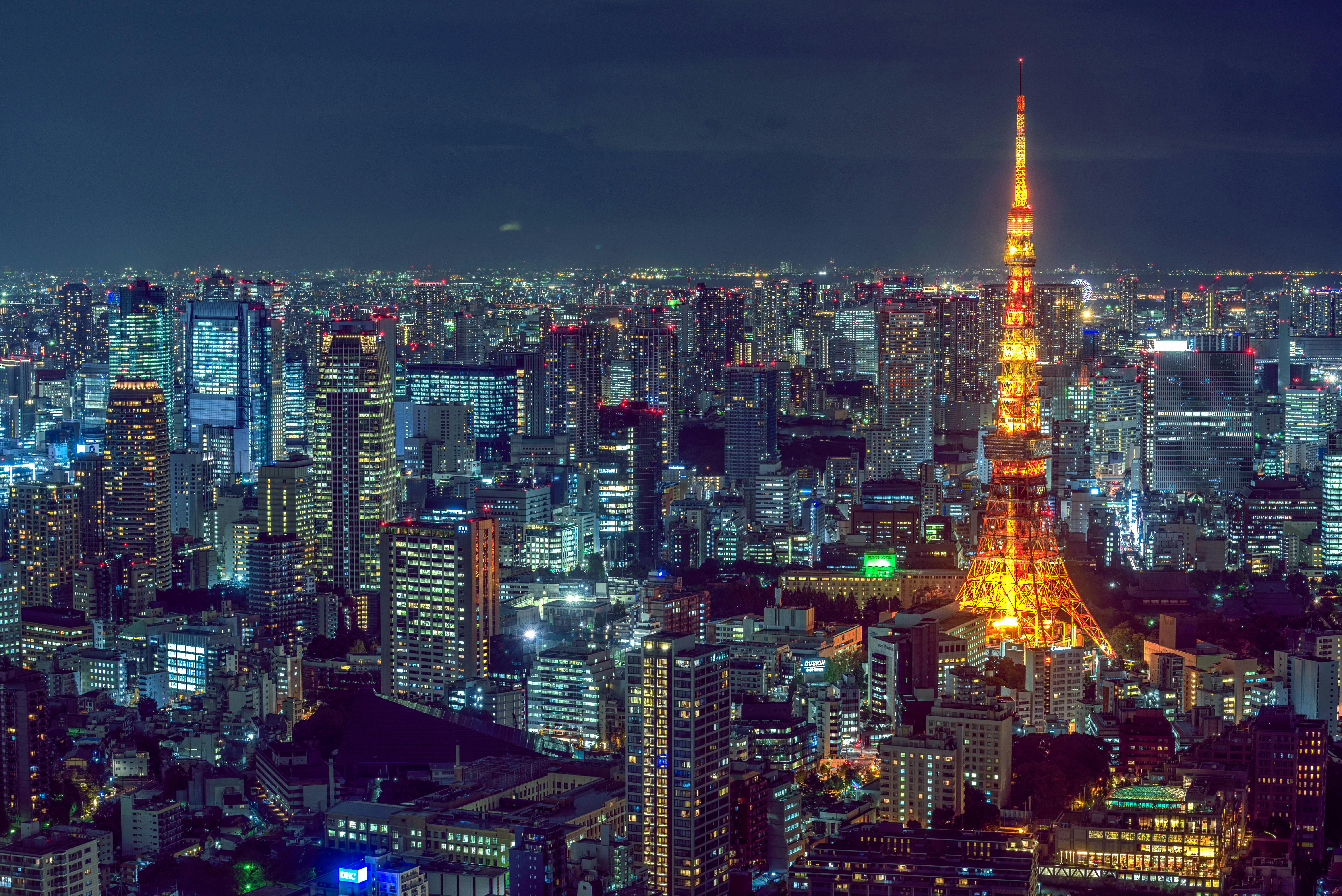
Tokyo and Seoul are two modern metropolises with deep roots. Tokyo rose from Edo-period samurai strongholds into a sprawling city known for meticulous craft, Michelin ramen, and serene shrines tucked between skyscrapers. Seoul, once encircled by fortress walls, now blends Joseon-era palaces with K-pop pulse, ingenious cafés, and markets that never sleep.
Expect show-stopping sights—Shibuya Crossing, Senso-ji, Gyeongbokgung, N Seoul Tower—along with Mt. Fuji horizons and the sobering DMZ. The food alone is a world tour: ramen and izakaya in Tokyo; kimchi, smoky barbecue, and late-night tteokbokki in Seoul. We’ll lace in neighborhood joints and tours that get you talking with locals.
Practical notes: Pick up a Suica/PASMO (Tokyo) and T-money (Seoul); both cities are safe and subway-friendly. Check visa/K-ETA/eVisa requirements and weather; spring/fall are mild, summer is humid, winter crisp. Card payments are common, but carry some yen and won for small stands and markets.
Tokyo
Tokyo is a city of contrasts: tranquil Meiji Shrine, then Harajuku’s fashion kaleidoscope; the old-world charm of Yanaka, then the dazzle of Akihabara arcades. It’s also a paradise for food lovers—from standing sushi bars and shabu-shabu to third-wave coffee and wagashi sweets.
Top musts: Senso-ji Temple, Shibuya Crossing, Meiji Shrine, Tokyo Skytree views, and a day trip toward Mt. Fuji. For “connect with locals,” tuck into tachinomi standing bars, join a small-group food crawl, cheer at a baseball game (in season), or soak at a neighborhood sento.
Where to stay (mid-range to splurge; bookable via our partners):
- Hotel Sunroute Plaza Shinjuku – Excellent transit access, compact but smart rooms near nightlife and eateries.
- Hotel Gracery Shinjuku – The Godzilla head hotel; lively Kabukicho location and handy to Omoide Yokocho.
- The Peninsula Tokyo – Elegant rooms by the Imperial Palace; refined service, great for special occasions.
- Aman Tokyo – Zen minimalism and sky-high serenity; a splurge-worthy sanctuary.
Browse more options: Hotels.com – Tokyo | VRBO – Tokyo
Getting to Tokyo: Compare airfare on Trip.com Flights and Kiwi.com. From NRT, the Narita Express or limousine bus runs 60–90 minutes; from HND, 20–45 minutes by monorail/subway. Prefer a pickup? Consider this private transfer: Narita Airport(NRT) Private Transfer To/From Tokyo.
Day 1: Arrival, Shibuya First Impressions
Morning: In transit to Tokyo.
Afternoon: Check in and refresh. Grab a latte at Onibus Coffee (Nakameguro roastery vibes) or Blue Bottle Shibuya. Wander to Hachiko Statue, then ride the scramble at Shibuya Crossing—an emblem of Tokyo’s neon energy since the 1930s.
Evening: Casual dinner at Uogashi Nihon-Ichi (standing sushi; fast and fresh) or Afuri (yuzu-shio ramen, bright and citrusy). Toast the night at Nonbei Yokocho “Drunkard’s Alley”—tiny bars where you can chat with regulars, or try a friendly tachinomi (standing bar) near Shibuya Station.
Day 2: Tsukiji Flavors, Ginza Strolls, Imperial Calm
Morning: Join a guided market-and-snacks walk to learn food lore from a local expert:
Tokyo Tsukiji Fish Market Food and Culture Walking Tour
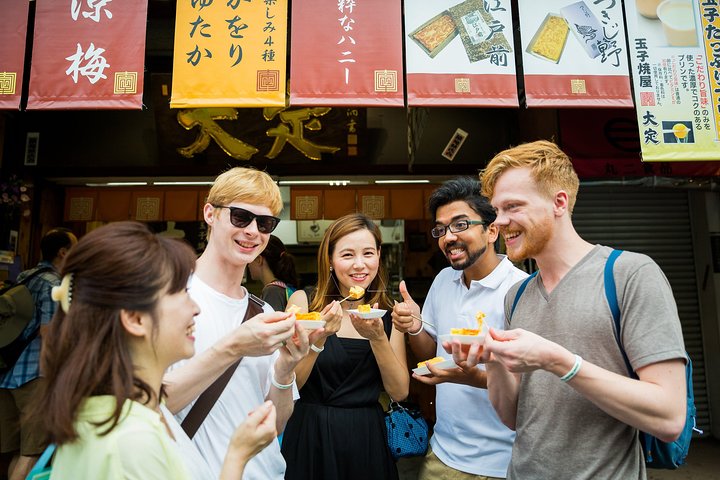
Snack on tamagoyaki, tuna, and mochi; chat with vendors about knife skills and seasonal fish. Coffee break at Turret Coffee (bold espresso and a fun market vibe).
Afternoon: Walk Ginza’s elegant streets and peek into depachika food halls. Detour to Hamarikyu Gardens for matcha in a teahouse and views of saltwater ponds framed by skyscrapers.
Evening: Dinner under the Yurakucho train tracks (Gado-shita) at a yakitori grill like Torishige—order negima skewers and shishito peppers. If you’re up for a late sweet, try melon-pan ice cream near Shimbashi.
Day 3: Full-Day Mt. Fuji & Hakone
Trade city lights for lava slopes and lake breezes on this popular day trip with a scenic Shinkansen ride back:
Mt Fuji and Hakone 1-Day Bus Tour Return by Bullet Train

Expect Fuji 5th Station panoramas (weather permitting), Lake Ashi views, and volcanic landscapes in Owakudani. Tip: Bring a light jacket; mountain weather shifts quickly. Back in Tokyo, reward yourself with a steaming bowl of rich tsukemen at Fuunji in Shinjuku (lines move fast).
Day 4: Asakusa, Old Tokyo Lanes, and Yanaka
Morning: Senso-ji Temple (Tokyo’s oldest) and Nakamise shopping street for taiyaki and ningyo-yaki. Seek quiet in Denboin-dori’s retro alleys.
Afternoon: Ueno Park’s museums or a short hop to Yanaka for a glimpse of pre-war streetscapes. Snack on crispy croquettes along Yanaka Ginza; pause for a kissaten-style coffee at Kayaba Coffee.
Evening: Dine on chanko-nabe (sumo stew) in Ryogoku or try Katsu Midori (good value conveyor-belt sushi). For local interaction, head to Kanda’s tachinomi bars where white-collar workers unwind—easy places to strike up conversation over sake.
Day 5: Harajuku to Shinjuku—Pop Culture, Go-Karts, and a Food Crawl
Morning: Meiji Shrine’s forested calm, then Takeshita Street for crepes and quirky fashion. Coffee at % Arabica or the serene Omotesando Koffee aesthetic.
Afternoon: See the city in the most playful way possible:
Shibuya Official Street Go-Kart in Shibuya Annex

Costumes optional; smiles guaranteed. Afterwards, window-shop Omotesando’s architecture and indie boutiques in Cat Street.
Evening: Join a small-group food tour to discover alleys you’d likely miss on your own (great for meeting locals and other travelers):
Tokyo: Shinjuku Food Tour (13 Dishes at 4 Local Eateries)

Expect yakitori, karaage, regional specialties, and izakaya culture with stories. After, peek into Golden Gai’s micro-bars for a nightcap.
Travel to Seoul
Morning flight on Day 6 (HND or NRT to ICN or GMP): 2.5–3 hours; fares often $120–$250 one-way, more in peak seasons. Compare on Trip.com Flights or Kiwi.com. From ICN, the AREX express gets you to Seoul Station in ~43 min; taxis are 60–90 min depending on traffic.
Seoul
Seoul hums day and night. Start with royal pageantry at Gyeongbokgung, wander hanok lanes in Bukchon and Ikseon-dong, and feast your way through markets. It’s a city where you might sip pour-over in a hanok café by day, then tackle sizzling galbi at midnight.
For “connect with locals,” think pojangmacha tent bars, neighborhood markets like Mangwon, language-exchange cafés, and hands-on classes. Add a DMZ tour for context on a divided peninsula that has shaped modern Korean identity.
Where to stay (well-located picks):
- Hostel Haru – Clean, social vibe in Jongno; easy to meet fellow travelers.
- Hotel 8 Hours – Minimalist, budget-friendly base near City Hall and Myeongdong.
- The Shilla Seoul – Iconic luxury with a storied service reputation and tranquil grounds.
- Lotte Hotel World – Great for families, indoor access to Lotte World and Jamsil amenities.
Browse more options: Hotels.com – Seoul | VRBO – Seoul
Day 6: Touchdown, Hanok Alleys, and Market Bites
Morning: Fly Tokyo → Seoul. Drop bags at your hotel.
Afternoon: Stroll Insadong’s art shops and tea houses; step into a quiet hanok courtyard for traditional tea and yakgwa. Wander to Bukchon Hanok Village for tiled roofs and city views; be mindful of residents—this is a living neighborhood.
Evening: Gwangjang Market for bindaetteok (mung-bean pancakes), mayak gimbap, and yukhoe (Korean steak tartare; choose a reputable stall). Alternatively, join a guided feast to learn the stories behind the dishes and vendors:
Night Market Food Tour in Seoul

Day 7: Full-Day DMZ Context
Head north to the Demilitarized Zone for a window into Korean history and current realities. You’ll visit key sites such as the 3rd Infiltration Tunnel and Dora Observatory with a knowledgeable guide:
Best DMZ Tour Korea from Seoul (Red Suspension Bridge Optional)

Return to Seoul for a simple chimaek (fried chicken + beer). Try a local chain like Kyochon or go classic at a neighborhood joint near Jongno or Hongdae.
Day 8: Royal Seoul, Hanbok, and Skyline
Morning: Explore Gyeongbokgung Palace, watch the Royal Guard Changing Ceremony, and walk Gwanghwamun Square. For a guided, culture-rich day (with hanbok options and tea ceremonies), this small-group tour hits core highlights:
Small Group Seoul Highlight Tour opt. Hanbok & Tea Ceremony

Afternoon: Wander Samcheong-dong’s galleries and cafés. Try Cafe Onion (Anguk) for pastries in a photogenic hanok.
Evening: Sunset at N Seoul Tower via the Namsan cable car; dine in Myeongdong on knife-cut kalguksu and mandu at Myeongdong Kyoja, then browse late-night skincare stores.
Day 9: Hongdae Vibes, Mangwon Market, and a Local Cooking Class
Morning: Coffee crawl in Yeonnam-dong (Fritz Coffee Yeonnam for butter breads and excellent roasts). Browse Hongdae’s indie shops and murals; buskers add flair on weekends.
Afternoon: Snack through Mangwon Market—tteokbokki, hotteok, and soondae—and chat with friendly vendors. Then roll up your sleeves for an interactive class (a great way to meet locals and learn recipes you’ll bring home):
Korean Cooking at Seoul Cooking Club

Evening: Korean BBQ in Mapo or Jongno—order samgyeopsal or marinated galbi at Hanam Pig or Maple Tree House–style spots; grill, wrap with ssamjang and perilla. Cap the night at a pojangmacha tent bar with soju and skewers, or rent a noraebang (karaoke) room nearby.
Day 10: Café Morning and Departure
Morning: Slow breakfast at Anthracite Coffee (Hapjeong) or a dainty souffle pancake café in Ikseon-dong. Last-minute shopping at Dongdaemun Design Plaza boutiques or Lotte Department Store food hall for edible souvenirs (yuzu tea, seaweed, artisanal gochujang).
Afternoon: Head to the airport. Compare rides and flights on Trip.com Flights and Kiwi.com. If you prefer a reserved car, consider a private transfer service from your hotel to ICN.
Eat & Drink Hit List (for the whole trip)
- Tokyo coffee: Onibus Coffee (Nakameguro), Koffee Mameya Kakeru (serious beans, counter service), Fuglen (Scandi-Japanese café/bar).
- Tokyo meals: Nabezo (all-you-can-eat shabu-shabu/sukiyaki), Ichiran (customizable tonkotsu ramen), Onigiri Bongo (handmade rice balls; go early).
- Tokyo night: Harmonica Yokocho (Kichijoji alleys), Golden Gai (micro-bars—mind cover charges), Omoide Yokocho (cozy yakitori).
- Seoul coffee: Cafe Onion (Anguk), Fritz Coffee (Yeonnam or Mapo), Anthracite (Hapjeong).
- Seoul meals: Tosokchon (ginseng chicken soup), Saemaul Sikdang (kimchi pork at “7 minutes” sizzle), Jinokhwa Halmae Dakhanmari (simple, soul-warming chicken hot pot near Dongdaemun).
- Seoul night: Euljiro Nogari Alley (cheap beers and dried pollack), craft pints at Magpie or The Hand and Malt taprooms, pojangmacha tents in Jongno.
Budget & Practical Tips
- Budget (58/100): Mix business hotels and select splurges; plan ¥1,200–1,800 ($8–12) for lunch in Tokyo, ₩12,000–18,000 ($9–14) in Seoul; dinners ¥2,000–4,000 ($14–28) or ₩18,000–35,000 ($14–26) without premium alcohol.
- Transit: Load Suica/PASMO (Tokyo) and T-money (Seoul). Both cities’ subways are intuitive and bilingual. Taxis are safe but pricier in Tokyo; reasonable in Seoul.
- Connectivity: Rent pocket Wi‑Fi or buy an eSIM at the airport for maps and translation.
- Etiquette: In Japan, avoid phone calls on trains; in Korea, give/receive items with two hands. Learn a few phrases—hello and thanks go far.
Optional Add-Ons
- Tokyo city overview in one day: 1-Day Tokyo Bus Tour
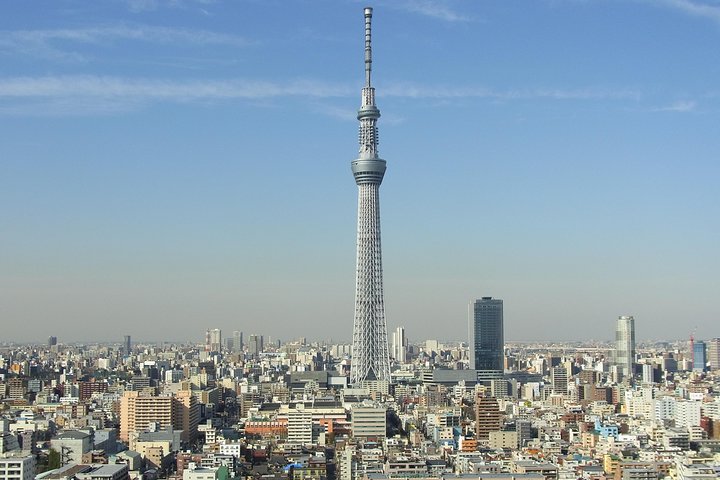
1-Day Tokyo Bus Tour on Viator - Seoul royal highlights: Small-Group Royal Palace and Seoul City Tour (hotel pick-up)

Small-Group Royal Palace and Seoul City Tour (hotel pick-up) on Viator
For intercity trains in Japan or elsewhere in Asia, browse timings and fares on Trip.com Trains (handy if you add Hakone or Kyoto pre/post trip).
Recap: Ten days split between Tokyo and Seoul delivers temples, towers, and unforgettable bites—from Tsukiji tastings and izakaya chatter to hanbok-clad palace walks and DMZ insights. With curated tours, neighborhood gems, and plenty of local interaction, this itinerary balances big sights with real-life moments you’ll remember long after the flight home.