
10 Days in Shanghai, Beijing & Xi’an: A China Itinerary of Skylines, Imperial Palaces and Ancient Wonders
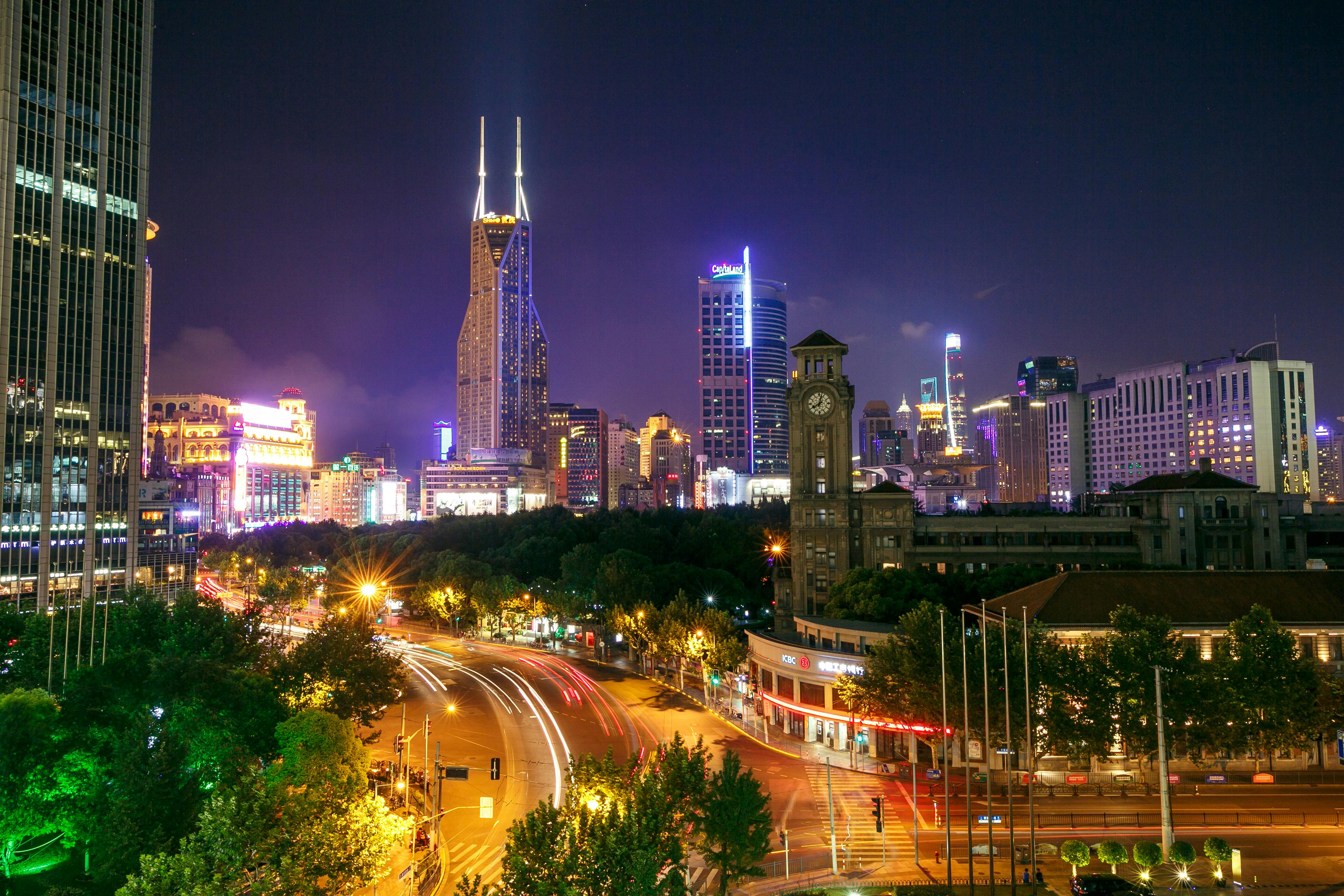
China rewards a traveler twice over: first with scale, then with detail. In one journey you can stand on the Bund before a forest of futuristic towers, walk through palace courtyards once reserved for emperors, and finish among the earthen ranks of the Terracotta Army in Xi’an.
Shanghai is the ideal opening act, a city shaped by treaty-port history, Art Deco elegance, jazz-age legend, and astonishing contemporary ambition. Beijing then shifts the tone toward dynastic grandeur and political history, while Xi’an brings the Silk Road, old ramparts, and one of archaeology’s most remarkable discoveries into sharp focus.
Practical notes matter in China. Bring your passport for train travel and major attractions, use a translation app and a mobile payment backup such as an international card where accepted, and expect security screening at rail stations and key monuments. March weather can be cool to mild, so layers are useful, and reservations for the Forbidden City should be treated as essential.
Shanghai
Shanghai is where riverfront colonial facades face off against the vertical swagger of Pudong. It is a city of shikumen alleyways, meticulously poured hand-drip coffee, soup dumplings with cult followings, and late-night neon reflected on the Huangpu.
For a first stay, base yourself in Huangpu, Jing’an, or the Former French Concession. These districts make it easy to combine major sights with café stops, excellent metro access, and a more atmospheric evening walk than you will get in newer outer districts.
Where to stay: Browse VRBO in Shanghai or Hotels.com in Shanghai.
Getting there: Search flights to Shanghai on Trip.com or Kiwi.com. If arriving internationally, Pudong is the main gateway; allow 60–90 minutes from landing to city transfer, depending on immigration and traffic.
Viator picks in Shanghai:
- Private Shanghai Full Day City Tour with Old and New Highlights
- From Shanghai: Zhujiajiao Water Town Private Tour with Boat Ride
- 4-Hour Private Shanghai City Tour with Old and New Highlights
- Shanghai: Southern Great Wall Day Trip by Bullet Train


Day 1: Arrive in Shanghai
Morning: In transit.
Afternoon: Arrive in Shanghai and check in. Keep the first afternoon gentle: if your hotel is near Jing’an or the Former French Concession, take an easy orientation walk along leafy Anfu Road or Wukang Road to get acquainted with the city’s quieter elegance after your flight.
Evening: Head to the Bund for your first look at Shanghai’s skyline, best just before dusk when the stone facades glow and Pudong begins to flicker alive. For dinner, book Din Tai Fung for polished xiaolongbao and dependable standards, or go to Jia Jia Tang Bao for a more local, no-frills soup-dumpling experience if you want to begin with a Shanghai classic.
Day 2: Classic Shanghai — The Bund, Yu Garden and Pudong
Morning: Start with coffee and breakfast at RAC Bar in the Former French Concession, known for excellent coffee and crêpes in a street scene that feels distinctly Shanghainese rather than generic. Then explore the Bund on foot while the promenade is calmer, paying attention to the row of grand early-20th-century buildings that tell the story of Shanghai’s treaty-port era.
Afternoon: Visit Yu Garden and the surrounding old bazaar area, where classical pavilions, rockeries, carp ponds, and zigzag bridges preserve a vision of Ming-style Chinese garden design amid the rush of the modern city. Lunch at Nanxiang Mantou Dian is the obvious local institution here; its fame rests on soup dumplings, and while it is busy, the location and specialty make it worthwhile for first-time visitors.
Evening: Cross to Pudong for sunset views from Lujiazui and dinner with a skyline backdrop. Lost Heaven on the Bund is another strong dinner choice if you prefer a more atmospheric meal with Yunnan flavors rather than another dumpling stop; afterward, consider a riverfront stroll or a nightcap at one of the historic bars around the Bund.
Day 3: Museums, French Concession lanes and Shanghai nightlife
Morning: Have breakfast at Baker & Spice or Seesaw Coffee, both reliable for a good start before a museum morning. Then visit the Shanghai Museum East or the China Art Museum depending on your interests; if you prefer classic bronzes, ceramics, and calligraphy, the Shanghai Museum route is the better historical foundation.
Afternoon: Spend the afternoon in the Former French Concession, where plane trees, villas, and shikumen architecture reveal a softer, residential side of the city. Stop for lunch at Fu 1088 if you want a refined take on Shanghainese cuisine in a villa setting, or try a neighborhood noodle or wonton shop for something more casual and rooted in everyday life.
Evening: Explore Xintiandi or the bars around Julu Road and Fumin Road. For dinner, Old Jesse remains one of the most talked-about places for classic Shanghainese dishes such as red-braised pork and river shrimp, though reservations and patience are both wise; the appeal is that it tastes like the city’s culinary memory rather than a performance for visitors.
Day 4: Zhujiajiao water town excursion
Take the From Shanghai: Zhujiajiao Water Town Private Tour with Boat Ride for a graceful contrast to the city’s glass-and-steel pace. Zhujiajiao is threaded with canals, arched stone bridges, and old lanes where soy-braised snacks, sesame sweets, and waterside teahouses create a much older Jiangnan mood. Return to Shanghai in late afternoon, then keep the evening easy with dinner in Jing’an at a dependable local restaurant or a final Bund walk if the weather is clear.
Day 5: Full-day Shanghai highlights and farewell dinner
Use the Private Shanghai Full Day City Tour with Old and New Highlights to pull together the city’s biggest contrasts in one efficient day. This is especially useful if you want a guide to add context to the Bund, Old Town, Pudong, and lesser-known corners that can otherwise blur together without historical framing.
For your final evening in Shanghai, choose a dinner that feels celebratory. Hakkasan Shanghai is suitable if you want a polished Cantonese meal in a contemporary setting, while a return to a beloved local favorite for hairy crab-season classics, braised dishes, or dumplings can be the better story to take home.
Beijing
Beijing is China’s political heart and one of the world’s great imperial capitals. Here, avenues widen, walls lengthen, gates multiply, and history feels built at a scale meant to humble the viewer.
The city rewards planning. Forbidden City tickets should be secured in advance, travel times can be longer than the map suggests, and a guide is particularly useful here because palaces, altars, and gates become far richer once you understand the dynasties, symbolism, and political choreography behind them.
Where to stay: Browse VRBO in Beijing or Hotels.com in Beijing.
Travel from Shanghai to Beijing: Take a morning high-speed train, roughly 4.5–6 hours depending on service, commonly around $80–$180 in standard to business class. Search rail options on Trip.com. Flights are also available via Trip.com or Kiwi.com, usually about 2.5 hours in the air, but the train is often more city-center friendly.
Viator picks in Beijing:
- All-Inclusive Tour: Tiananmen Square, Forbidden City, Great Wall
- Beijing: Mutianyu Great Wall Chairlift Up & Down or Toboggan Down
- Tiananmen Square, Forbidden City, Temple of Heaven, Summer Palace


Day 6: Train to Beijing and hutong evening
Morning: Depart Shanghai by high-speed train to Beijing. Aim for an early departure so you arrive around midday or early afternoon and still have time to settle in; China’s rail system is efficient, but do arrive at the station well ahead of departure for security and boarding.
Afternoon: Check in and spend your first hours in a hutong district such as Gulou or around Shichahai. These alleyways provide a human-scale introduction to Beijing, with courtyard houses, snack vendors, and traces of everyday life that balance the monumental sights to come.
Evening: Dinner should be unmistakably Beijinger. Da Dong remains a famous address for Peking duck if you want a polished version, while Siji Minfu is beloved for a more bustling, accessible duck-house atmosphere; either way, the appeal lies in the lacquered skin, pancakes, sauces, and ritual of assembling each bite yourself.
Day 7: Forbidden City, Tiananmen Square, Temple of Heaven and Summer Palace
Take the Tiananmen Square, Forbidden City, Temple of Heaven, Summer Palace tour for an expertly structured day. This is one of the best uses of a guide in China: the Forbidden City can be visually overwhelming, but once its axes, halls, symbolism, court life, and dynastic politics are explained, it becomes far more than a vast red-and-gold complex.
In the evening, have a lighter dinner after a full sightseeing day. Try Jing Yaa Tang for duck and northern Chinese dishes in a stylish setting, or seek out jianbing and dumplings in a hutong area if you want something casual and local.
Day 8: Mutianyu Great Wall
Spend the day on the Beijing: Mutianyu Great Wall Chairlift Up & Down or Toboggan Down. Mutianyu is a smart choice because it combines restored beauty, mountain scenery, and a generally more manageable experience than the busiest Wall sections, while still delivering the unmistakable drama of watchtowers rippling over ridgelines.
Back in Beijing, reward yourself with dinner near your hotel rather than crossing the city again. If you still have energy, an evening walk around Houhai’s lakefront can be pleasant, especially if you keep expectations realistic and treat it as a stroll rather than a nightlife mission.
Xi’an
Xi’an is where imperial China, the Silk Road, and archaeology meet. Once the eastern terminus of the great trade routes, it still feels like a place where worlds once arrived, traded, prayed, and departed again.
The city’s pleasures are both monumental and edible. You come for the Terracotta Army and the Ming-era City Wall, then stay happily longer for hand-pulled noodles, roujiamo, Muslim Quarter snacks, and the dusk atmosphere around its old streets and towers.
Where to stay: Browse VRBO in Xi’an or Hotels.com in Xi’an.
Travel from Beijing to Xi’an: Morning high-speed trains usually take about 4.5–6 hours and often cost around $70–$160 depending on class. Search on Trip.com. Flights take roughly 2–2.5 hours in the air and can be compared on Trip.com or Kiwi.com.
Viator picks in Xi’an:
- Mini Group Xian Day Tour to Terracotta Army, City Wall, Pagoda and Muslim Bazaar
- Terracotta Warriors 5-Hour Private Tour


Day 9: Travel to Xi’an and evening on the City Wall
Morning: Depart Beijing for Xi’an by high-speed train. This is another route where rail is often the most civilized option, giving you station-to-station efficiency and avoiding airport transfers.
Afternoon: Check in and head to the City Wall area. If timing works, rent a bicycle or simply walk a section of the wall; the pleasure lies in seeing the old capital’s geometry from above while modern Xi’an hums beyond the battlements.
Evening: For dinner, make your way toward the Muslim Quarter for yangrou paomo, hand-pulled biangbiang noodles, or roujiamo. The area can be crowded and theatrical, but it remains one of the most vivid places in China to eat while absorbing the city’s old Silk Road identity.
Day 10: Terracotta Army and departure
Morning: Take the Terracotta Warriors 5-Hour Private Tour for an efficient final-day excursion. The Terracotta Army is one of those rare headline attractions that genuinely earns its reputation; each figure was made with distinct features, and the scale of the burial complex still feels almost implausible in person.
Afternoon: Return to Xi’an and depart. If your schedule allows a final meal before heading to the airport or station, opt for something regional and quick, such as cold skin noodles or another roujiamo, for a last taste of Shaanxi before the journey home.
Trip summary: This 10-day China itinerary balances Shanghai’s modern energy, Beijing’s imperial landmarks, and Xi’an’s ancient gravitas without rushing past the essentials. It is a route built for first-time visitors who want iconic sights, strong food recommendations, efficient train travel, and enough atmospheric neighborhoods to feel the country beyond the postcard view.