
10 Days in Paris, Madrid & La Línea de la Concepción: A Food, Museum & Local-Life Itinerary
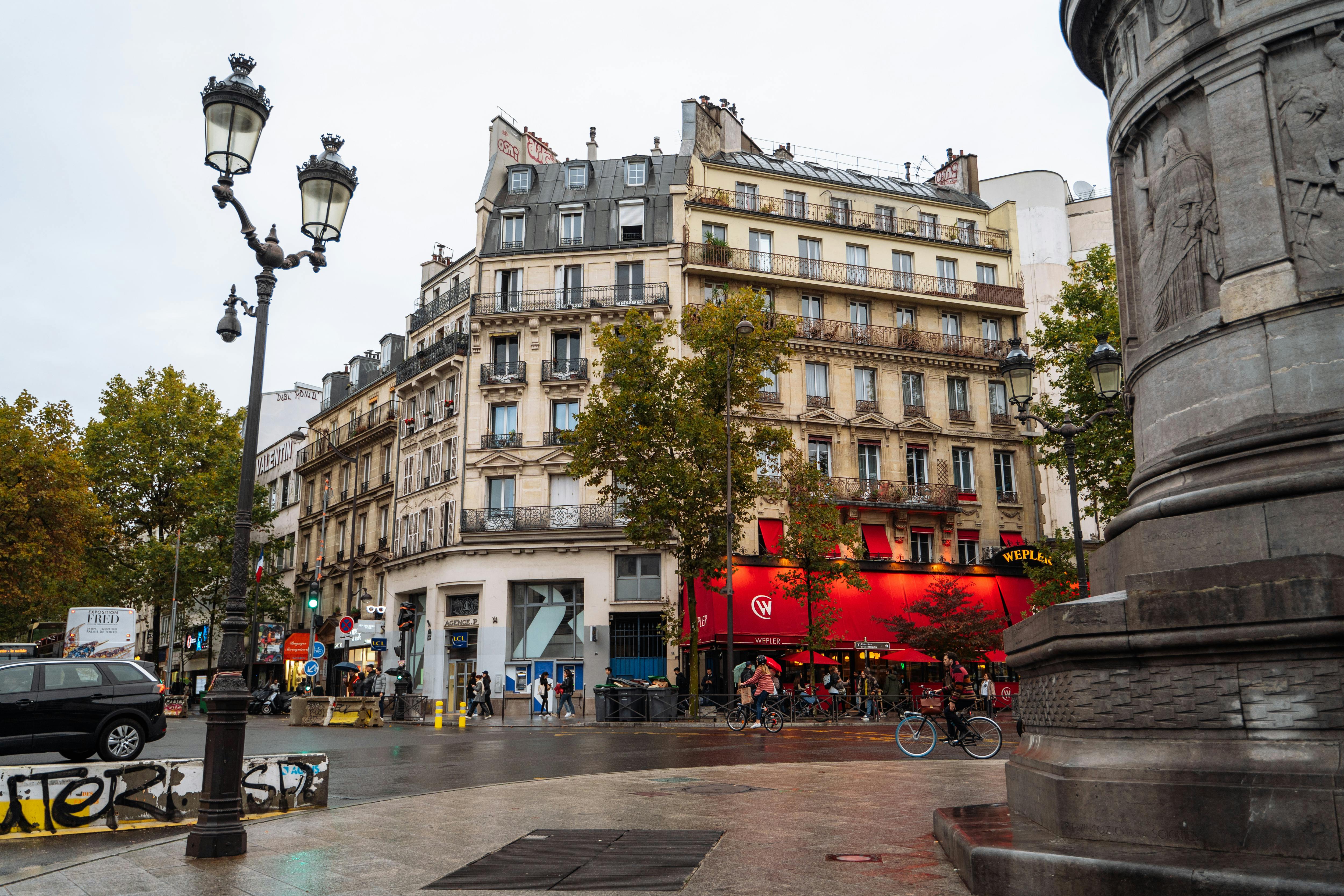
Paris, Madrid, and La Línea de la Concepción make an unusually rich trio for a 10-day Europe itinerary. You begin in Paris, a city layered with royal history, revolution, café culture, and some of the world’s most celebrated museum collections; continue to Madrid, where grand boulevards, tapas bars, and serious art live side by side; and finish in southern Spain, where La Línea offers a grounded, local gateway to Andalusia and the curious geography of Gibraltar.
There is also a pleasing contrast built into this route. Paris offers monumentality and polish, Madrid brings late-night energy and food-driven street life, and La Línea slows the pace with sea air, fried fish, frontier atmosphere, and easy access to a British overseas territory visible across the border. For a traveler interested in sightseeing, museums, unique activities, food, local life, and cooking classes, this combination works especially well.
Practically, this itinerary suits a moderate budget, with a mix of worthwhile guided experiences, affordable neighborhood meals, and sensible intercity transport. March weather can be cool in Paris and Madrid but milder in Andalusia, so layers are useful; standard city awareness applies in major tourist zones, especially around transport hubs and crowded landmarks. Reserve headline attractions in advance, particularly the Louvre, Eiffel Tower, Prado, and major rail or flight segments.
Paris
Paris is not only the City of Light; it is also a city of villages, each arrondissement carrying its own rhythm. One hour you are under the glass pyramid of the Louvre, another you are in a market street buying cheese, butter, and a still-warm baguette, wondering how lunch became an art form.
This is an ideal first stop for museums, classic sightseeing, and one of your most fitting preference matches: a baking class. Stay central enough to make afternoons flexible and evenings scenic on foot.
Where to stay: For excellent location and value, consider Hotel du College de France, Novotel Paris Centre Gare Montparnasse, or Hôtel des Arts Montmartre. You can also browse wider options on VRBO Paris and Hotels.com Paris.
Getting here: Search flights into Paris on Omio flights. If arriving from elsewhere in Europe by rail, compare options on Omio trains. From the airport to the center, allow roughly 45 to 75 minutes depending on arrival airport and transfer method.
Viator picks in Paris:
- Louvre Museum Masterpieces Guided Tour with Access — excellent for a first visit so the museum feels coherent rather than overwhelming.
- Eiffel Tower Dedicated Reserved Access Top or 2nd floor by lift — a practical way to avoid wasting prime sightseeing time.
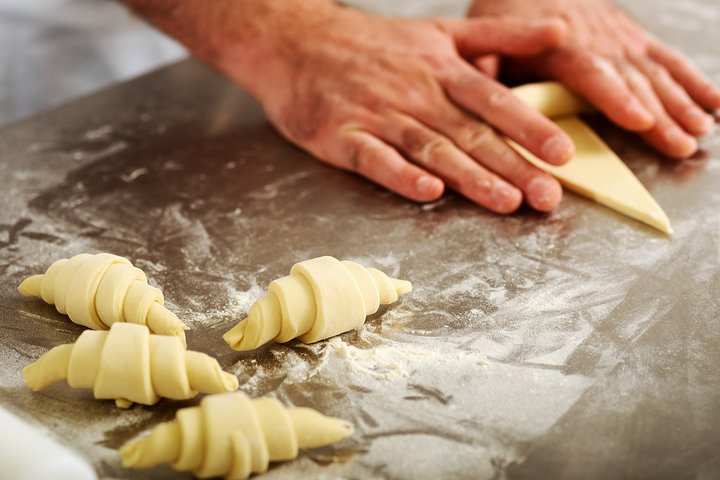
- Paris Croissant Small-Group Baking Class with a Chef — the strongest match for your foodie and cooking-class interests.
- Paris Seine River Sightseeing Cruise with Commentary by Bateaux Parisiens — best taken near sunset when bridges and façades begin to glow.



Day 1 - Arrive in Paris
Morning: Transit day.
Afternoon: Arrive in Paris and check in. Keep the first hours gentle: take a neighborhood walk through Saint-Germain-des-Prés or the Latin Quarter, both excellent for recovering from travel without feeling idle. Stop for coffee at Café de Flore if you want a famous address, or choose a smaller corner café nearby for a more local rhythm.
Evening: For dinner, book a classic bistro such as Bouillon Racine for Belle Époque atmosphere and dependable French staples, or Les Arlots for superb sausage-purée and a more contemporary, intimate feel. If you still have energy, stroll the Seine from Pont Neuf toward Île de la Cité; Paris is especially persuasive on a first night when you do very little except walk and look up.
Day 2 - Louvre, Right Bank strolls, and a Seine evening
Morning: Begin with the Louvre Museum Masterpieces Guided Tour with Access. The Louvre is too large to "do" completely in one visit, so a guided highlights tour is the intelligent choice: it gives you structure, historical context, and enough of the collection to leave inspired rather than exhausted.
Afternoon: Have lunch at Le Fumoir near the museum, a handsome spot that works well for a lingering break, or at Café Marly if the courtyard setting is worth the splurge for you. Afterward, walk through the Tuileries Garden to Place de la Concorde, then continue into Palais-Royal, whose striped columns and arcades make a refined detour often missed by rushed first-timers.
Evening: Take the Paris Seine River Sightseeing Cruise with Commentary by Bateaux Parisiens. Before boarding, have an early dinner near the river at Chez Janou for Provençal dishes and a famously generous mousse au chocolat, or at Les Nautes for a casual riverside drink and lighter plates. This is one of the best-value classic Paris experiences because the city’s landmarks read almost like theater from the water.
Day 3 - Baking class, Montmartre, and neighborhood dining
Morning: Join the Paris Croissant Small-Group Baking Class with a Chef. This is exactly the kind of memorable, hands-on activity that turns a city break into a lived experience; you learn technique, but you also come away understanding why French viennoiserie is treated with near-religious seriousness.
Afternoon: Head to Montmartre. Visit Sacré-Cœur for its hilltop panorama, then drift away from the busiest staircases into quieter streets around Rue des Abbesses and Rue Lepic, where the neighborhood feels more residential and less staged. For lunch, try Le Comptoir des Deux Moulins, known from film lore but still pleasant, or Hardware Société for a more modern brunch-style stop.
Evening: Stay in Montmartre for dinner at Bouillon Pigalle if you want a budget-friendly old-Paris brasserie menu done briskly and well, or at La Cave Café for something more intimate. End with a drink at a small wine bar rather than a large boulevard café; this quarter rewards wandering, especially once the daytime crowds thin.
Day 4 - Eiffel Tower, market streets, and departure prep
Morning: Visit the Eiffel Tower Dedicated Reserved Access Top or 2nd floor by lift. Reserved access matters here; standing beneath the tower is stirring, but spending two hours in an avoidable queue is not. Afterward, walk the Champ de Mars and, if the weather is clear, cross toward Trocadéro for the best postcard perspective.
Afternoon: Lunch at Café du Marché or at a simple neighborhood crêperie near Rue Cler, one of Paris’s most pleasant market streets for edible souvenirs and people-watching. Keep the rest of the afternoon relaxed with time for shopping, a coffee, or a final museum hour depending on your pace.
Evening: Have a final Paris dinner at Bistrot Paul Bert if you can secure a table, or choose Juveniles for excellent wine and polished yet unfussy cooking. Pack afterward for the next morning’s departure to Madrid.
Madrid
Madrid often wins people over by surprise. It does not seduce in exactly the same way as Paris; instead, it gathers force through plazas, market halls, vermouth bars, late dinners, extraordinary painting, and the feeling that daily life is still very much the main event.
For your interests, Madrid is a particularly strong fit. It offers heavyweight museums, excellent food tours, a cooking class worth making time for, and an easy-going urban culture best understood on foot, at bar counters, and over long lunches.
Where to stay: Good mid-range and value options include Novotel Madrid Center, Hostal Persal, and Room007 Ventura Hostel. For broader searches, use VRBO Madrid and Hotels.com Madrid.
Travel from Paris to Madrid: Morning flight is the most efficient, usually about 2 hours in the air plus airport time; expect roughly $70-$180 depending on booking window and baggage. Compare schedules on Omio flights. Rail is possible but much longer and usually requires connections, so for a 10-day itinerary the flight is the sensible choice.
Viator picks in Madrid:
- Prado Museum Small Group Tour with Skip the Line Ticket — ideal for understanding Goya, Velázquez, and the museum’s greatest works.
- Madrid Tapas & Wine Tasting Walking Tour – Small Group Local Bars — a strong match for foodie and local-life interests.
- Paella Cooking Class in Madrid with Bottomless Wine Pairing — your clearest cooking-class fit in Spain.
- Prado Museum Guided Tour with Skip-the-Line Ticket or Madrid: Royal Palace Guided Tour with Skip the Line Ticket for additional structure depending on your museum energy.


Day 5 - Travel to Madrid and settle into the city
Morning: Fly from Paris to Madrid. Leave early to maximize your first Spanish afternoon; door to door, allow roughly 5 to 6 hours including airport transfer, check-in, and security.
Afternoon: After checking in, orient yourself with a walk through Puerta del Sol, Plaza Mayor, and the surrounding old streets. For lunch, Mercado de San Miguel is famous and busy, so use it selectively for grazing rather than a full meal; for something more satisfying nearby, try Casa Revuelta for crisp bacalao or Casa Labra for its historic cod croquettes and vermouth.
Evening: Book the Madrid Tapas & Wine Tasting Walking Tour – Small Group Local Bars. This is the best possible introduction to Madrid because it teaches you how the city eats: standing at counters, moving between bars, pairing regional wines with small plates, and understanding that tapas culture is as much social code as cuisine.
Day 6 - Prado, Retiro, and a classic Madrid night
Morning: Visit the Prado with the Prado Museum Small Group Tour with Skip the Line Ticket. The Prado is one of Europe’s great painting museums, but it becomes far more rewarding when someone draws the lines between court portraiture, empire, religion, and the fierce modernity of Goya.
Afternoon: Have lunch at Café Murillo near the museum or at Lamucca de Prado for something more casual. Then spend time in El Retiro Park: rowboats on the lake are delightfully old-fashioned, the Crystal Palace offers one of the city’s finest interiors, and the whole district gives Madrid a stately, breathable quality.
Evening: Dine in the Barrio de las Letras at Los Gatos for hearty traditional fare or at Taberna Maceira for Galician comfort food with generous portions. If you want a performance without committing to a formal dinner package, consider Essential Flamenco: Pure Flamenco Show in the Heart of Madrid, intimate and better focused on the art itself than many touristy alternatives.
Day 7 - Royal Madrid and local neighborhoods
Morning: Explore the Habsburg quarter and join the Madrid: Royal Palace Guided Tour with Skip the Line Ticket. The palace is less about royal intimacy than ceremonial scale: chandeliers, frescoed ceilings, and rooms designed to make power visible.
Afternoon: Lunch at Casa Lucio if you want to try the famed huevos rotos, though booking is wise; alternatively, La Buha in La Latina is a good pick for tortilla española in a more relaxed format. Spend the afternoon wandering La Latina and Lavapiés, where Madrid feels lived-in rather than monumental, with small plazas, old taverns, bookshops, and a greater mix of communities and cuisines.
Evening: For dinner, taberna-hop through La Latina: order vermouth on tap, grilled mushrooms, jamón, and seasonal tostas at a few different places instead of sitting down for one long meal. This district is made for unhurried evenings and works best when you allow curiosity to choose the next stop.
Day 8 - Cooking class and last Madrid evening
Morning: Take the Paella Cooking Class in Madrid with Bottomless Wine Pairing. While paella is Valencian by origin, a well-run class is still a terrific way to learn Spanish pantry basics, sofrito logic, rice technique, and the social role of long shared meals.
Afternoon: Keep the afternoon light. Browse the gourmet floors of El Corte Inglés at Callao for edible souvenirs, or spend time in Malasaña, where independent cafés and shops offer a younger, more creative side of Madrid. Good coffee options include Toma Café or HanSo Café, both strong choices if you care about beans as much as bars.
Evening: Choose a final Madrid dinner at Sala de Despiece if you want a buzzy, ingredient-driven meal, or at Casa Dani if you are happy with one of the city’s most loved tortillas in a market setting. Turn in a little earlier tonight; tomorrow is the longest travel segment of the itinerary.
La Línea de la Concepción
La Línea de la Concepción is not Andalusia’s grand showpiece, and that is precisely why it can be rewarding. It sits on Spain’s southern edge facing Gibraltar, with a working-town feel, sea views, easy access to local seafood, and a daily life that feels far removed from the polished museum circuits of Paris and Madrid.
This final stop is best approached as a local, coastal, and slightly unusual finish. Rather than trying to force major-city sightseeing onto it, use La Línea as a base for frontier culture, Andalusian meals, a market-paced day, and the novelty of walking into Gibraltar for dramatic views and a distinctly hybrid atmosphere.
Where to stay: Browse accommodations on VRBO La Línea de la Concepción and Hotels.com La Línea de la Concepción. Choose something central or near the seafront so border access and evening walks are easy.
Travel from Madrid to La Línea de la Concepción: The most efficient route is a morning flight from Madrid to Málaga, then onward by bus or private transfer to La Línea; total travel time is usually about 4.5 to 6 hours door to door, with rough combined costs around $70-$180 depending on air fare and transfer choice. Search flights on Omio flights and buses on Omio buses. Rail via Algeciras is possible but generally slower for this itinerary.
Important note on activities: The supplied Viator links for La Línea de la Concepción mostly point to Barcelona, Madrid, Mallorca, or Seville rather than La Línea itself, so they are not appropriate for this stay. Here, I recommend focusing on independently explored local experiences and Gibraltar access rather than forcing mismatched tours.
Day 9 - Travel south and first taste of Andalusia
Morning: Depart Madrid for southern Spain. Plan an early start and keep luggage manageable, as changing from flight to bus or transfer is easier with a lighter setup.
Afternoon: Check in at La Línea and head out for a late lunch of seafood. Look for local favorites serving pescaíto frito, grilled squid, shrimp, and rice dishes along the seafront or central streets; this is the place to favor simple, fresh cooking over elaborate menus. Spend the rest of the afternoon on Paseo Marítimo, where the Rock of Gibraltar rises across the water with an almost theatrical absurdity.
Evening: For dinner, choose an Andalusian tapas bar and order broadly: ensaladilla rusa, croquetas, tortillitas de camarones if available, and something from the grill. End with a quiet walk by the marina or beachfront; after Paris and Madrid, the slower cadence here is part of the pleasure.
Day 10 - Gibraltar morning and departure
Morning: Cross on foot into Gibraltar early, allowing time for border formalities. Spend the morning in and around Main Street and the old town, then, if timing allows, head upward for Rock views and the singular sensation of standing at a Mediterranean-British-Andalusian crossroads. It is one of the most unusual quick excursions in southern Europe and a fitting "unique activity" finale.
Afternoon: Return to La Línea for a final lunch before departure. Favor something easy and regional, such as grilled fish, salmorejo when available, or a last round of tapas with coffee. Then make your way onward for your afternoon departure.
Food and drink notes for La Línea: Breakfast is best kept simple and local: tostada con tomate, olive oil, and coffee at a neighborhood café. For lunch and dinner, prioritize seafood restaurants, classic tapas bars, and any busy spot filled with local families rather than menus designed around international expectations; in this part of Andalusia, crowd behavior is often the best guide.
This 10-day Paris, Madrid, and La Línea de la Concepción itinerary gives you three different Europes in one journey: museum-rich Paris, food-loving Madrid, and a sunlit Andalusian border town with a distinct sense of place. It balances landmark sightseeing with cooking classes, neighborhood meals, and enough unscheduled space to feel that you have not only visited these destinations, but briefly lived inside them.